If you’ve been keeping an eye on the National Construction Code (NCC) 2025 updates, you’ll know that the goalposts for "durability" haven't just moved: they've been completely redesigned. For decades, the Australian building industry relied on "standard" materials that were good enough for the job. But as we move toward 2026, the definition of good enough is getting a serious upgrade.
The new standards are putting a heavy focus on moisture management, condensation control, and the long-term reliability of building materials. This is where recycled plastic sheets in Australia are moving from a "nice-to-have" sustainable option to a primary benchmark for high-performance construction.
At Resourceful Living, we’ve been preparing for this shift. Here’s why our 100% recycled materials aren't just meeting these new standards: they’re setting the pace.
1. The NCC 2025 Durability Shift: Reliability is No Longer Optional
The upcoming NCC 2025 changes introduce "new minimum reliability levels." In plain English? The building code now expects materials to perform for their intended life without the "oops, it rotted" excuses of the past.
For structural elements, that's a 50-year horizon. For wet area linings and external protection, the bar is equally high. Traditional materials like marine plywood or treated timber are under the microscope because their performance is tied to their porosity. They "breathe," they "drink" water, and eventually, they fail.
Sustainable building materials in Australia are now being judged on their hygrothermal performance, basically, how they handle heat and moisture over time. Because our recycled HDPE panels are entirely non-porous, they don't have a failure point when it comes to rot, delamination, or fungal growth.
2. Moisture and Condensation: The $100 Billion Headache
One of the biggest drivers for the NCC 2025 update is the rising cost of moisture-related damage in Australian buildings. Tightened rules around condensation management (specifically sections F8V1 and H4V5) mean builders need to be smarter about where they place vapour barriers.
Why Recycled HDPE is a Moisture Powerhouse:
- Zero Absorption: Unlike timber or MDF, our sheets don't swell when the humidity hits 90% in a Queensland summer.
- Impermeable Barrier: When used correctly as a protection board or under-slab barrier, it provides a permanent shield against rising damp.
- Mould-Proof: No organic matter means no food for mould. This is a critical factor for meeting the "Mould Index" requirements in the new code.
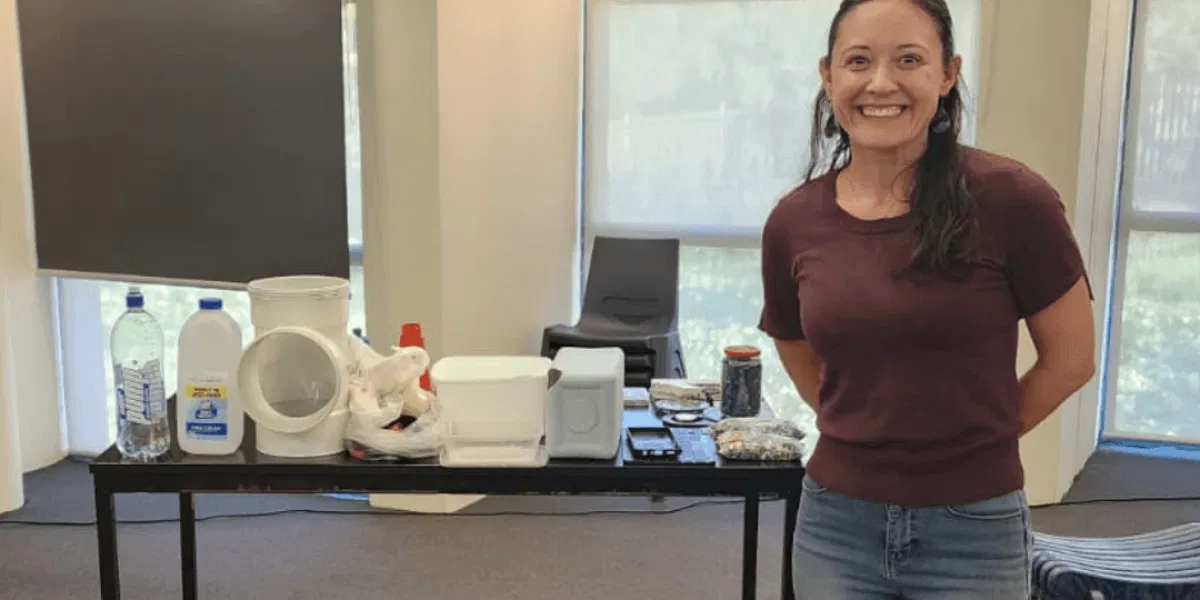
"When you factor in the replacement costs of timber: the labour, new materials, and disposal of the old rotted wood: recycled plastic isn’t just a sustainable choice; it’s the only one that makes financial sense over a 10-year lifecycle." – Jess Hodge, Resourceful Living.
3. Comparing the Benchmarks: Plastic vs. Timber
For a long time, plywood was the default for site hoarding, wet area cabinetry, and formwork. But in the context of the 2025 durability standards, the gap is widening.
| Feature | Marine Plywood | Resourceful Living Sheets |
|---|---|---|
| NCC 2025 Compliance | High maintenance for compliance | Naturally high-performance |
| Moisture Resistance | Absorbs/Delaminates | 100% Waterproof |
| UV Stability | Requires regular staining | UV Stabilised & Low Maintenance |
| Life Cycle | Landfilled at end-of-life | 100% Recyclable (Take-Back Program) |
| Longevity | 5–15 years in harsh conditions | 50+ years |
4. The 100% Australian Traceability Advantage
The NCC 2025 isn't just about how a product performs on day one; it's about traceability and material health. Global supply chains are messy, and "recycled" often means a blend of unknown plastics from overseas.
We do things differently. Our panels are made from 100% Australian plastic waste. Because we manage the end-to-end recycling process: from shredding to pressing: we can provide the exact data points you need for your Embodied Carbon Reporting.
When you specify our sheets for a government tender or a large-scale construction project, you aren't just getting a durable panel. You’re getting a traceable ESG win that proves you're diverting kilograms of local waste from landfill.
5. Practical Applications for the 2025 Standards
Where should you be swapping out traditional materials for recycled plastic sheets to stay ahead of the code?
A. Wet Area Fit-outs
Commercial bathrooms and laundries are notorious for moisture issues. Using our solid HDPE panels for vanity carcasses and wall linings means you’ll never have to worry about edge-tape peeling or "puffy" cabinet bases again.
B. External Infrastructure & Erosion Control
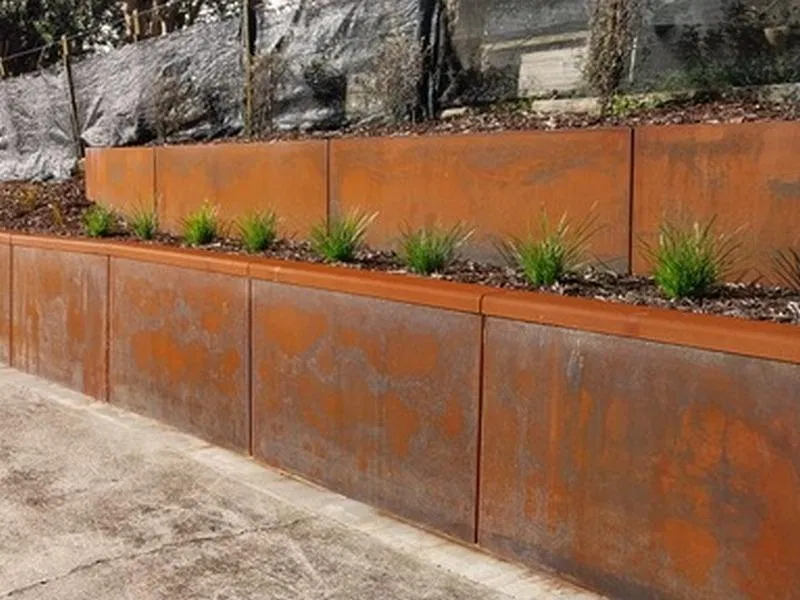
From garden edging to retaining walls, our material thrives in direct contact with soil and salt air. It's chemically inert, meaning it won't leach toxins into the ground: a major plus for modern environmental standards.
C. Site Hoarding & Protection
Stop throwing away thousands of dollars in timber hoarding every time a project finishes. Our panels are designed for the circular economy. We offer a Take-Back Program where we collect your old panels at the end of their life and turn them into brand-new sheets.
6. How to Specify for Your Next Tender
To ensure you’re meeting the new durability standards, your tender specs need to be precise. "Recycled plastic" is too broad. To get the performance the NCC 2025 demands, you should specify:
- Material: 100% Post-Consumer or Post-Industrial Recycled HDPE (High-Density Polyethylene).
- Manufacturing: 100% Australian Made (for traceability and lower transport emissions).
- Dimensions: Standard 2400mm x 1200mm for easy substitution of plywood.
- End-of-Life: Must be 100% recyclable with a documented take-back scheme.
The Bottom Line: Future-Proofing Your Build
The shift toward circular construction isn't coming: it's already here. The NCC 2025 is simply the legal framework that codifies what smart builders have known for a while: traditional materials aren't cutting it in the modern Australian climate.
By choosing sustainable building materials in Australia that are engineered for durability, you’re not just avoiding future maintenance costs; you’re building a reputation for reliability.
Ready to see the difference for yourself? Order a sample pack of our 100% recycled panels or chat with our team about your next project’s specs. Let's build something that actually lasts.