The Australian construction landscape is undergoing a massive shift. By 2026, the industry has largely realised that the "take-make-waste" model is no longer financially or environmentally viable. We’re seeing a rapid transition toward Modern Methods of Construction (MMC), a suite of industrialised processes that move building work off the dusty, unpredictable site and into the controlled environment of a factory.
But MMC isn't just about speed and efficiency; it’s the most powerful vehicle we have for achieving a circular economy. If you’re an architect, builder, or developer new to this space, understanding how to align off-site fabrication with circular principles is no longer a "nice-to-have", it's a competitive necessity for winning tenders and meeting strict new sustainability benchmarks.
In this guide, we’ll break down the fundamentals of MMC and show you how high-performance materials, like our 100% recycled plastic panels, are the missing piece of the circular construction puzzle.
What Exactly is Modern Methods of Construction (MMC)?
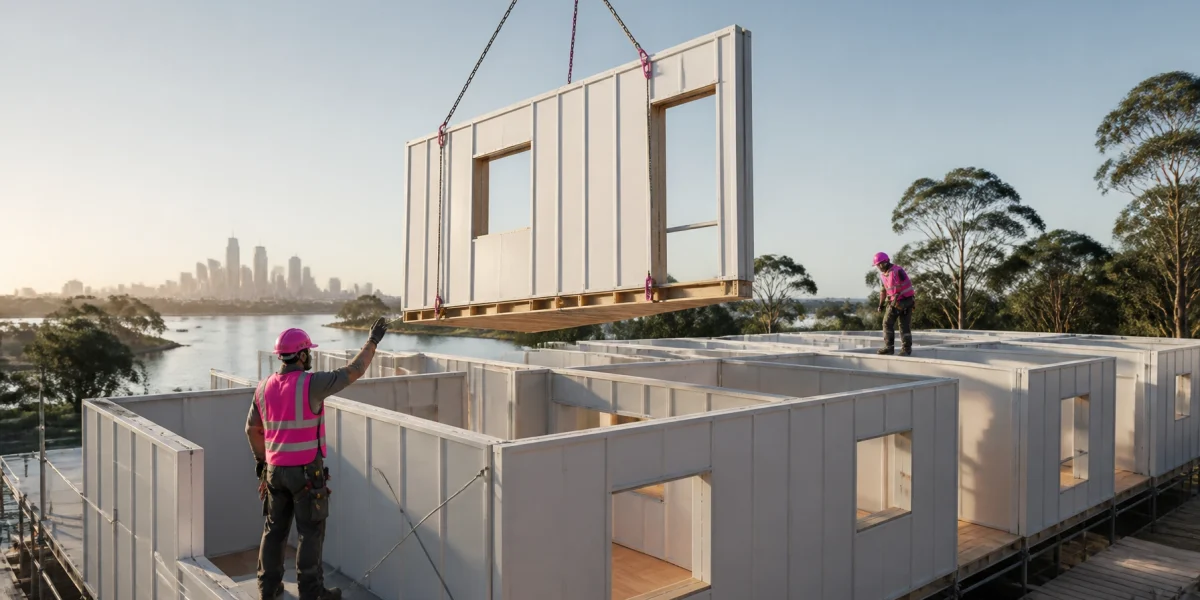
At its core, MMC describes a move away from traditional on-site "stick-building." It involves off-site fabrication, where components, ranging from simple wall panels to entire volumetric bathroom pods, are manufactured in a factory and then transported to the site for assembly.
For those of us in the industry, the benefits are clear: 30% faster project delivery and roughly a 25% reduction in costs compared to traditional methods. But the real "secret sauce" of MMC lies in Design for Manufacture and Assembly (DfMA). This means we design specifically for the manufacturing process, ensuring every component fits perfectly with millimetre precision.
The Circularity Connection: Why MMC Wins
Circular construction isn't just about recycling; it’s about eliminating waste and keeping materials at their highest value for as long as possible. MMC provides the perfect framework for this through three key pillars:
1. Precision and Waste Elimination
In a factory setting, material use is optimised using digital models. There are no "oops, I cut it too short" moments that end up in a skip. At Resourceful Living, our panels are manufactured to a standardised 2400mm x 1200mm size, which aligns perfectly with standard MMC modular grids. This reduces offcuts to near zero.
2. Design for Disassembly (DfD)
Traditional buildings are often glued and plastered together, making it impossible to recover materials at the end of the building's life. MMC encourages mechanical fixings (like bolts and screws) over adhesives. This means when a retail fit-out or office partition needs to change, you don't take a sledgehammer to it: you simply unbolt it and move the components elsewhere.
3. Material Passports and Traceability
In 2026, material passports are becoming standard. Because MMC relies on a tight supply chain, it’s easier to track exactly what went into a building. When you specify our panels, you get full traceability of the 100% Australian plastic waste used, helping you smash your embodied carbon reporting targets.

Specifying for Success: The Resourceful Living Panel System
When you're transitioning to MMC, your choice of material can make or break your workflow. You need something that is standardised, durable, and easily machined.
Our recycled plastic sheets are designed to slide right into MMC workflows. Here is why they are the preferred choice for circular-minded specifiers:
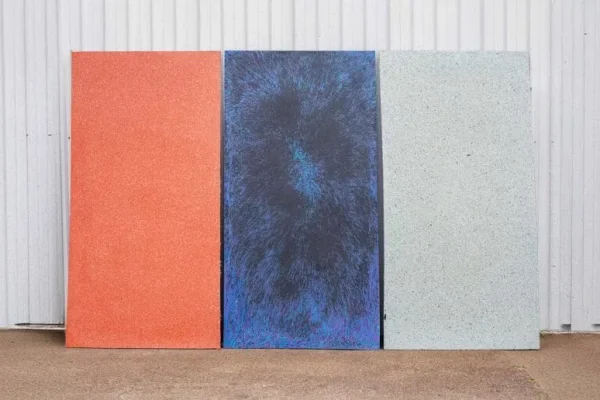
- Standard Dimensions: At 2400mm x 1200mm, they fit standard transport and modular framing systems.
- Variable Thickness: From 3mm to 40mm, allowing for everything from lightweight aesthetic cladding to heavy-duty structural partitions.
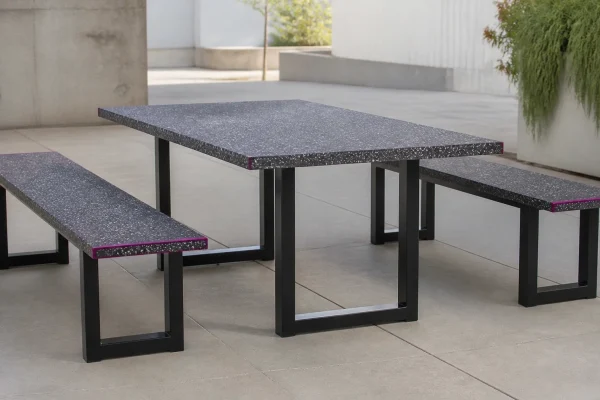
- Solid Construction: Unlike plywood or composite panels, our sheets are solid blocks of 100% recycled plastic. There are no veneers to peel and no additives to worry about. You can drill, CNC, and screw into them just like timber, but with 100% weather resistance.
- Fast Turnaround: We manufacture 1 tonne of plastic per day right here in Australia, ensuring your off-site factory stays supplied even on tight schedules.
"The shift to MMC requires materials that are as predictable as the machines that process them. Our solid recycled panels provide that consistency without the environmental baggage of traditional materials." : Resourceful Living Design Team

How to Integrate Recycled Plastic into Your MMC Workflow
If you’re ready to move toward more circular, modular building practices, here is a practical checklist to get you started:
- Adopt a DfMA Mindset Early: Don't wait until the design is finished to think about materials. Consider the 10 things you need to know before you spec to ensure your modular units are optimised for the material's properties.
- Standardise Your Grids: Use the 2400 x 1200mm panel size as your base unit. This simplifies your price calculations and reduces labour costs in the factory.
- Choose Reversible Fixings: Use mechanical fasteners. Our panels have high screw-retention strength, making them ideal for systems that need to be demounted and remanufactured later.
- Leverage the Take-Back Program: One of the strongest points of circularity is the end-of-life plan. We offer a take-back program where we collect our products at the end of their life to be remanufactured into new panels.

Real-World Example: The Modular Retail "Pop-Up"
Consider a recent project involving a commercial developer building a series of modular retail pods. Traditionally, these would be made from MDF or marine ply: materials that are often not as sustainable as they seem.
By switching to 19mm recycled plastic panels in an MMC framework, the developer achieved:
- Zero maintenance: No painting or sealing required, unlike timber.
- Rapid assembly: Panels were pre-cut via CNC in the factory and bolted together on-site in hours.
- 100% Circularity: When the retail lease ends, the pods can be unbolted, and the panels can either be reused for a new configuration or returned to us to be shredded and reborn as new sheets.
Technical Snapshot: Why It Works
| Feature | Performance Metric | MMC Benefit |
|---|---|---|
| Material | 100% Recycled Australian HDPE/LDPE/PP | High durability, low carbon footprint |
| Size | 2400mm x 1200mm (Standard) | Fits modular grids, reduces waste |
| Moisture Resistance | 100% Waterproof | No swelling or rot in off-site storage |
| Workability | Standard woodworking tools / CNC | Fast processing in factory settings |
| End of Life | Fully Recyclable via Take-Back | True circular economy alignment |

Mastering the Shift
Modern Methods of Construction are more than just a trend; they are the future of how Australia builds. By combining the efficiency of off-site manufacturing with the sustainability of circular construction principles, you're not just building faster: you're building better.
Whether you're looking to reduce your project's maintenance budget or simply want to stop using materials that end up in landfill, the path forward is clear.
Ready to see how our panels fit into your next MMC project?
Contact us today to discuss custom sizes or to order a sample pack for your design team.