If you’ve spent any time on a mine site or managing a local council’s asset register, you know the "Maintenance Tax" all too well. It’s that predictable, frustrating line item in the budget where you pay to fix the exact same thing you fixed last year.
Timber boardwalks rot. Concrete wheel stops crack and crumble under the weight of a heavy vehicle. Steel rusted out three years ago.
In 2026, the smartest operators in Australia are making a fundamental shift. They aren’t just looking for "better" materials; they are restructuring how they spend money. They are moving away from Operating Expenditure (OpEx): the endless cycle of repairs and replacements: and leaning into Capital Expenditure (CapEx) by investing in recycled plastic sheets in Australia and structural rHDPE.
The Financial Pivot: Killing the Maintenance Tax
Let’s be real: OpEx is the silent killer of project profitability. It’s the money you spend just to stay in the same place. For a council, it’s the crew sent out every six months to replace splintered planks on a coastal walk. For a mine, it’s the replacement of shattered concrete wheel stops that couldn't handle a loaded truck.
CapEx, on the other hand, is an investment in a long-term asset. When you specify rHDPE (recycled High-Density Polyethylene), you are buying performance once and stopping the annual penalty.
While the upfront cost of rHDPE can be higher than traditional timber, the ROI of circularity shows that the maintenance-free nature of the material usually pays for itself within 3 to 5 years. Over a 20-year lifecycle, rHDPE is significantly cheaper than any "cheap" upfront alternative.
"The shift from OpEx to CapEx isn't just a budget trick; it's a strategic move to future-proof infrastructure. If you don't have to maintain it, you don't have to budget for the labour, the parts, or the downtime." : Jess Hodge, Resourceful Living Sales.
The "Solid Block" Advantage: Why rHDPE Wins on Site
One of the biggest misconceptions about recycled plastic is that it’s "flimsy." That might be true for thin, commingled plastic products, but not for structural rHDPE.
At Resourceful Living, we focus on solid block construction. This provides several critical advantages over both timber and concrete:
- Fastener Retention: Unlike timber, which expands and contracts with moisture: causing screws to "pop" and holes to strip: rHDPE is non-porous. When you drive a fastener into a solid rHDPE block, it stays there. The material "grips" the thread with incredible force, making it ideal for high-vibration environments like mine sites.
- Impact Resistance: Concrete is brittle. Hit a concrete wheel stop with a heavy vehicle, and it shears. rHDPE is inherently flexible. It absorbs the energy of an impact and returns to its original shape.
- Zero Moisture Absorption: This is the big one. In coastal council areas or wet mining environments, moisture is the enemy. rHDPE will never rot, swell, or harbour mould.

Mining: Why Our Wheel Stops are the New Site Standard
In the mining industry, infrastructure has to be "tank-proof." We’ve seen hundreds of concrete wheel stops reduced to rubble because they simply weren't designed for the sheer weight and chemical exposure found on-site.
When comparing recycled plastic vs concrete structural performance, the winner in a mining context is clear. rHDPE is chemically inert. It doesn't care about oil spills, hydraulic fluid, or acidic soil conditions.
By switching to rHDPE wheel stops and heavy-duty site markers, mining companies are removing the need for "inspections and replacements" from their OpEx budget. Once they are bolted down, they are done. No more sending a team out to clear away broken concrete that poses a trip hazard or a tyre-puncture risk.
Councils: The Public Realm Without the Splinters
For local councils, the move to rHDPE is driven by two things: Safety and ESG targets.
Traditional timber boardwalks and park furniture are a liability nightmare. As timber ages, it splinters and cracks. Nails back out. For a council, a single injury claim can cost more than an entire decade of infrastructure upgrades.
Using recycled plastic sheets in Australia for park benches, boardwalks, and garden edging removes the splinter risk entirely.
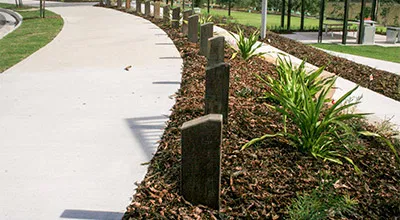
Case Study: The Maintenance-Free Boardwalk
A coastal council in NSW replaced a 200-metre section of timber boardwalk with rHDPE.
- The Old Way: Required annual oiling and board replacements. Estimated annual OpEx: $4,500.
- The New Way: No oiling, no rotting, no splinters. Estimated annual OpEx: $0.
- The Result: The project was fully amortised in under 6 years.
Navigating the Procurement Shift: "If Not, Why Not?"
We know that changing materials isn't always easy. Procurement teams are often stuck in the "that's how we've always done it" mindset. However, government policies are changing. In NSW and across Australia, many tenders now operate under an "If Not, Why Not" policy regarding recycled materials.
If you are a project manager, you actually have to justify why you aren't using a sustainable alternative. We’ve put together a 5-step guide to mastering "If Not, Why Not" procurement to help you win tenders by proving the long-term value of rHDPE.
Why Local Traceability Matters in 2026
If you’re moving money into CapEx, you need to be sure the asset will actually last. There is a lot of "greenwashed" plastic coming from overseas that isn't UV-stabilised for the harsh Australian sun. It becomes brittle and fades within 24 months.
Resourceful Living materials are different. We use 100% Australian recycled plastic, and we provide full traceability. You know where the waste came from, and you know it was manufactured to survive the Pilbara or the Queensland coast.
The Comparison Table: Why the CFO Loves rHDPE
| Feature | Timber | Concrete | rHDPE (Resourceful Living) |
|---|---|---|---|
| Initial Cost | Low | Medium | Medium/High |
| Maintenance Need | High (Oiling/Replacing) | Medium (Repairing Cracks) | Zero |
| Lifespan | 5–10 Years | 10–15 Years | 25+ Years |
| Chemical Resistance | Low | Medium | High |
| Sustainability | Variable | Poor (High Carbon) | Excellent (Circular) |
| Budget Category | OpEx (Heavy) | OpEx (Moderate) | CapEx (Initial Only) |
Taking the First Step Toward Maintenance-Free Sites
Transitioning from a maintenance-heavy operation to a high-performance, low-OpEx model doesn't happen overnight. It starts with the "high-fail" areas.
- Identify the "Pain Points": Where are you spending the most on repairs? Is it wheel stops? Is it hoarding panels? Is it garden edging?
- Run the Numbers: Check our 2026 Price Guide to see the upfront investment required.
- Specify the Standard: Change your procurement templates to prioritise rHDPE. Use the Product Data Sheets to prove the material's performance to stakeholders.
By choosing sustainable construction materials in Australia, you aren't just doing something good for the planet. You are doing something great for your bottom line.
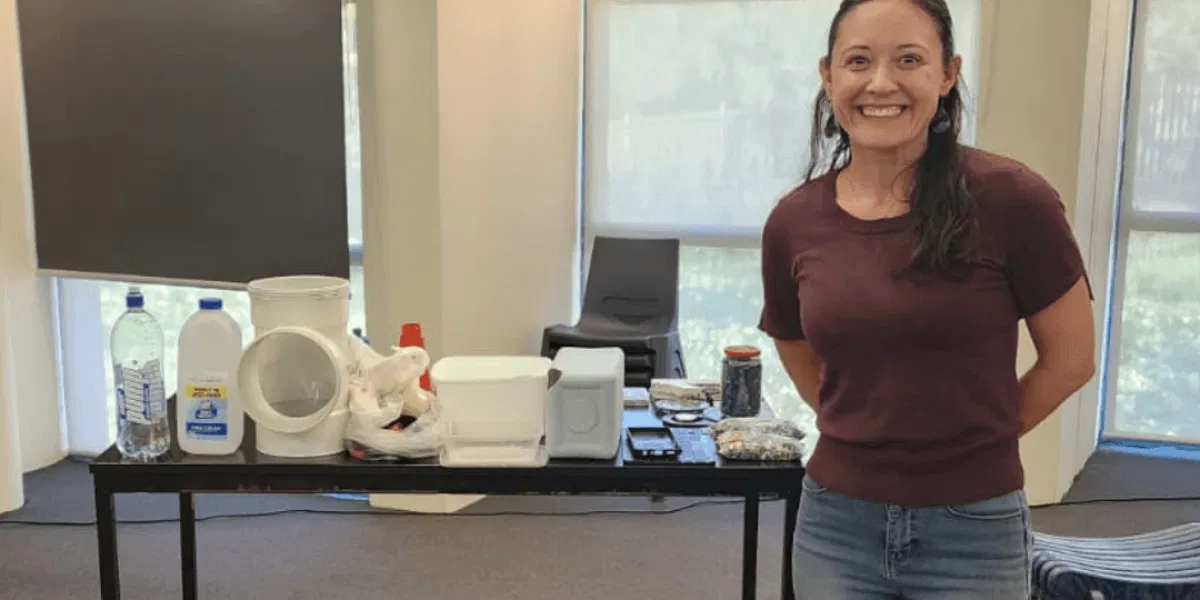
Stop paying the "Timber Tax" and start investing in infrastructure that actually lasts. If you're ready to see the material for yourself, order a sample kit and feel the "solid block" difference.