The landscape for sustainable building materials in Australia has shifted from "nice-to-have" to "legally-required." If you’re a head contractor or project manager aiming for Commonwealth-funded projects in 2026, the Environmentally Sustainable Procurement (ESP) Policy is now your primary roadmap for compliance.
Gone are the days of vague "green" claims. The 2026 framework demands verifiable data, specific recycled content percentages, and a clear plan for circularity. For businesses in the built environment, failing to understand these nuances doesn't just mean missing out on a project; it means being locked out of the $7.5 million+ Commonwealth procurement market.
Here are the 10 critical things you need to know about the 2026 ESPP Policy and how to ensure your material selection keeps you on the winning side of a tender.
1. The $7.5 Million Threshold is Mandatory
Since July 2024, the ESP Policy has applied to all Commonwealth construction services at or above $7.5 million (GST inclusive). By 2026, this is no longer a "transition phase." It is a strictly enforced entry requirement for any Commonwealth-funded infrastructure or building project. If your project falls into this category, you must use sustainable building materials in Australia that align with specific circularity targets.
2. Furniture and Fittings (FFE) Face Their Own Deadlines
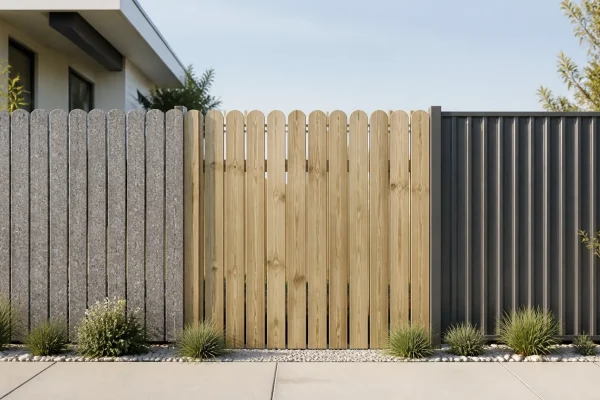
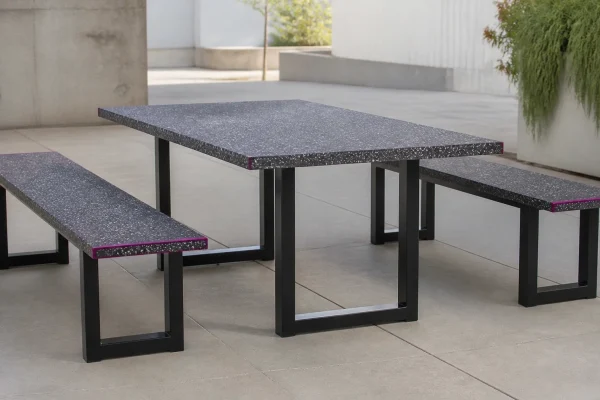
It isn't just the core structure that’s under the microscope. From July 2025, the policy expanded to include Furniture, Fittings, and Equipment (FFE) at or above $1 million. This means fit-outs for government offices, hospitals, and educational facilities must prioritise products like our 100% recycled plastic furniture and panels for retail displays or cabinetry.
"The ESP Policy is designed to embed circular-economy principles into the very fabric of government purchasing, ensuring every dollar spent contributes to Australia's net-zero transition."
3. Circular Economy is the New Standard
The policy explicitly prioritises the Circular Economy objective. This means preferring materials that are not just made from recycled content, but are also recyclable at their end-of-life.
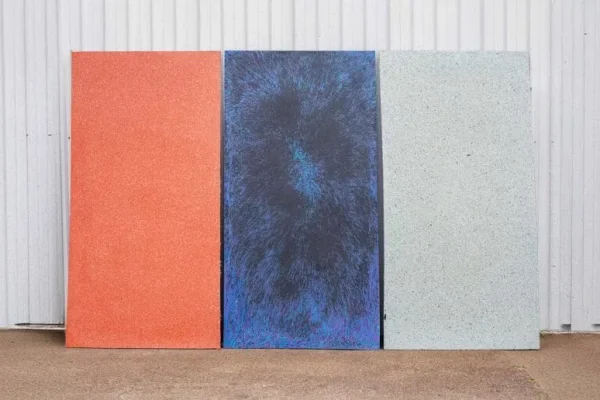
At Resourceful Living, we’ve designed our entire business around this. Our panels are solid blocks of 100% recycled plastic with no veneers or additives, making them fully remanufacturable. We even offer a take-back program, collecting our products for free at the end of their life cycle to turn them back into new materials.

4. Auditable Traceability is Non-Negotiable
You can no longer simply state a product is "recycled." The 2026 framework requires quantifiable and auditable information. Government agencies are now looking for a "Chain of Custody."
Because we manage the end-to-end recycling process: from collecting local Australian waste to manufacturing the final sheet: we can trace every panel back to its source. This provides the "paper trail" your sustainability officer needs for reporting.
5. Preference for Australian Waste
The policy emphasizes Environmental Stewardship and supporting local economies. Using materials made from 100% Australian plastic waste directly helps the local environment and reduces the carbon footprint associated with shipping recycled feedstocks from overseas. When you choose sustainable building materials in Australia, the "Australian-made" tag is a significant weighting factor in ESP-aligned tenders.
6. Embodied Carbon Reporting
You will be asked to substantiate environmental claims. This includes the embodied carbon of the materials used. Our recycled plastic panels have significantly lower emissions compared to traditional virgin materials or carbon-heavy alternatives like concrete or treated timber.
If you're unsure how to start these calculations, check out our guide on how to calculate embodied carbon for your 2026 construction tender.
7. Replacing Virgin Materials with Recycled Alternatives
The ESP framework requires contractors to identify opportunities to replace virgin or single-use materials with recycled-content alternatives.
- Traditional Timber? Consider recycled plastic sheets vs timber.
- Concrete Barriers? Look at high-durability recycled plastic alternatives.
- Marine Plywood? Switch to recycled HDPE.

8. Durability and Life Cycle Analysis (LCA)
Value for money in 2026 is measured over the whole-of-life, not just the initial purchase price. The ESP Policy encourages procurement officers to use Life Cycle Analysis (LCA).
Materials that rot, rust, or require constant painting fail the "stewardship" test. Our materials are weather-resistant, rot-proof, and chemical-resistant, ensuring they remain in use for decades, significantly lowering the long-term environmental and financial cost.
9. On-Site Waste Minimisation
The ESP Policy isn't just about what you buy; it’s about what you throw away. Tenders now set expectations for reducing overall material waste and maximising on-site recovery.
By using our standard 2400mm x 1200mm panels, which are easy to cut and fabricate with standard woodworking tools, you can minimise off-cuts. More importantly, any scrap material can be sent back to us for remanufacturing, helping you hit those zero-waste-to-landfill targets.
10. Social and Economic Benefit Weighting
Finally, the policy supports socially equitable and sustainable supply chains. By partnering with a local Australian manufacturer like Resourceful Living, you are supporting local jobs and a resilient domestic recycling industry. This "social procurement" aspect can often be the tie-breaker in competitive tender scenarios.
Comparison: Recycled Plastic vs. Traditional Materials (ESPP 2026 Metrics)
| Feature | Recycled Plastic Panels | Treated Timber | Virgin Plastic / Composites |
|---|---|---|---|
| Recycled Content | 100% (Australian) | 0% | 0-15% |
| Traceability | High (End-to-End) | Low | Medium |
| End-of-Life | 100% Recyclable | Landfill (Toxic) | Often Non-Recyclable |
| Maintenance | Zero | High (Oiling/Painting) | Moderate |
| ESPP Alignment | ✅ Maximum | ❌ Low | ⚠️ Moderate |
How to Implement These Requirements for Your Next Project
To stay ahead of the curve, we recommend builders and architects take the following steps:
- Review the ESP Model Clauses: Familiarise yourself with the mandatory wording being used in Commonwealth contracts.
- Request EPDs and Data Sheets: Don’t wait for the tender deadline to find your data. Get your technical documentation ready now.
- Audit Your Supply Chain: Ensure your suppliers can prove where their "recycled" material actually comes from.
- Engage Early: We manufacture 1 tonne of plastic per day and offer custom manufacturing seven days a week. Engaging with us early in the design phase ensures you have the right colours and thicknesses locked in for your build.

The Bottom Line
The 2026 ESPP Policy is a massive opportunity for forward-thinking builders to differentiate themselves. By choosing sustainable building materials in Australia that are 100% recycled, 100% recyclable, and 100% traceable, you aren't just meeting a policy: you’re future-proofing your business.
Ready to secure your 2026 tender with compliant materials?
Contact Jess and the team today for a quote or to request a sample pack of our 100% recycled Australian plastic panels.