Hey everyone, Jess here from the sales team at Resourceful Living.
If you’ve got a cupboard full of "well-loved" (read: broken) Nerf blasters or a garage shelf dedicated to toys that just don’t "pew-pew" like they used to, listen up. Tomorrow is the day. We’re hosting the Nerf Gun Workshop at the Clyde St Arts Repair Cafe, and this is your official last call to get involved.
We’re not just talking about a quick fix here; we’re talking about a fundamental shift in how we treat the things we own. At Resourceful Living, we spend our days turning Australian plastic waste into durable, long-lasting panels, but our mission goes way beyond manufacturing. We’re all about the circular economy, and that starts with keeping what we already have in play for as long as possible.
The Details: Where and When
- What: Nerf Gun Repair & Upcycling Workshop
- When: Tomorrow, Friday, May 1st, 2026
- Time: 4:00 PM – 7:00 PM
- Where: 50 Clyde St, Hamilton North
- Tickets: Grab yours here before they’re gone!
Why Repairing Toys is a Sustainability Power Move 🌍
It’s easy to look at a $20 plastic toy and think, "It’s broken, I’ll just bin it and buy another one." But that mindset is exactly why our landfills are overflowing with mixed-material plastics that take centuries to break down.
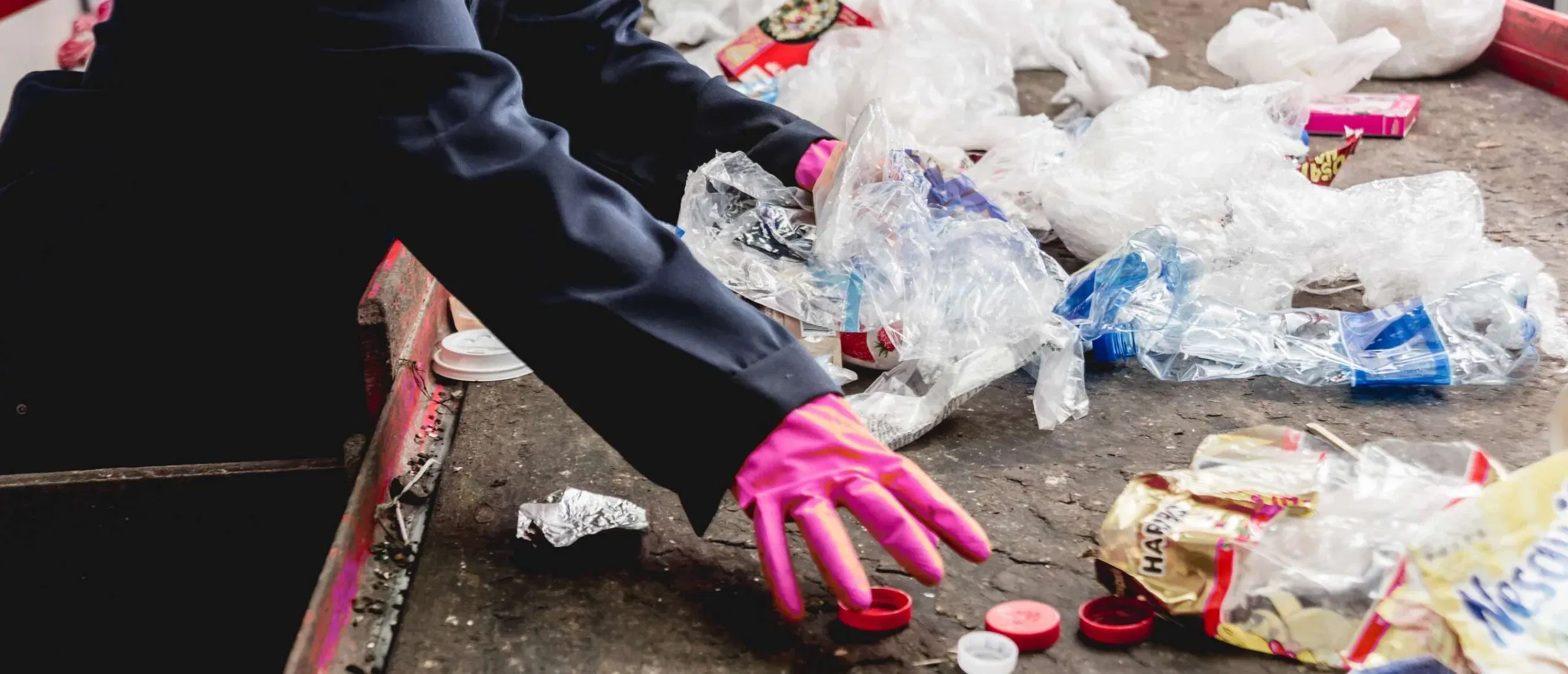
Most modern toys are made from a cocktail of plastics: often ABS, polycarbonate, and polypropylene: alongside metal springs and electronic components. When these end up in the red bin, they are almost impossible to recover through traditional recycling streams. By choosing to fix a Nerf gun instead of tossing it, you are directly preventing high-impact plastic waste from entering the environment.
Breaking the "Buy-Break-Bin" Cycle
The "throwaway culture" is a linear model: Take, Make, Waste.
At Resourceful Living, we advocate for a Circular Model. This isn't just for big industry or sustainable construction materials; it’s for every household.
Repairing a toy teaches us (and the next generation) that items have intrinsic value. It’s about resourcefulness: hence our name! When you sit down with a screwdriver and a bit of lubricant to fix a jamming mechanism, you’re engaging in a form of strategic procurement for your own home. You're essentially "buying" a new toy for $0 and 20 minutes of your time.
What Happens at the Clyde St Repair Cafe? 🛠️
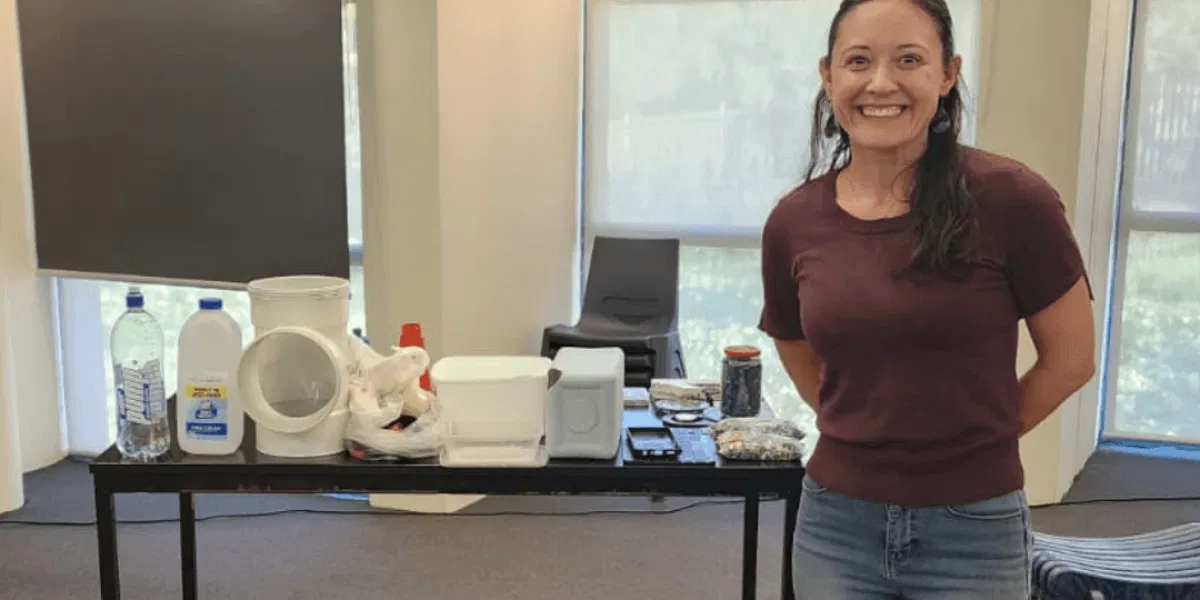
If you’ve never been to a Repair Cafe, you’re in for a treat. The atmosphere at 50 Clyde St is all about community, curiosity, and a bit of grease under the fingernails.
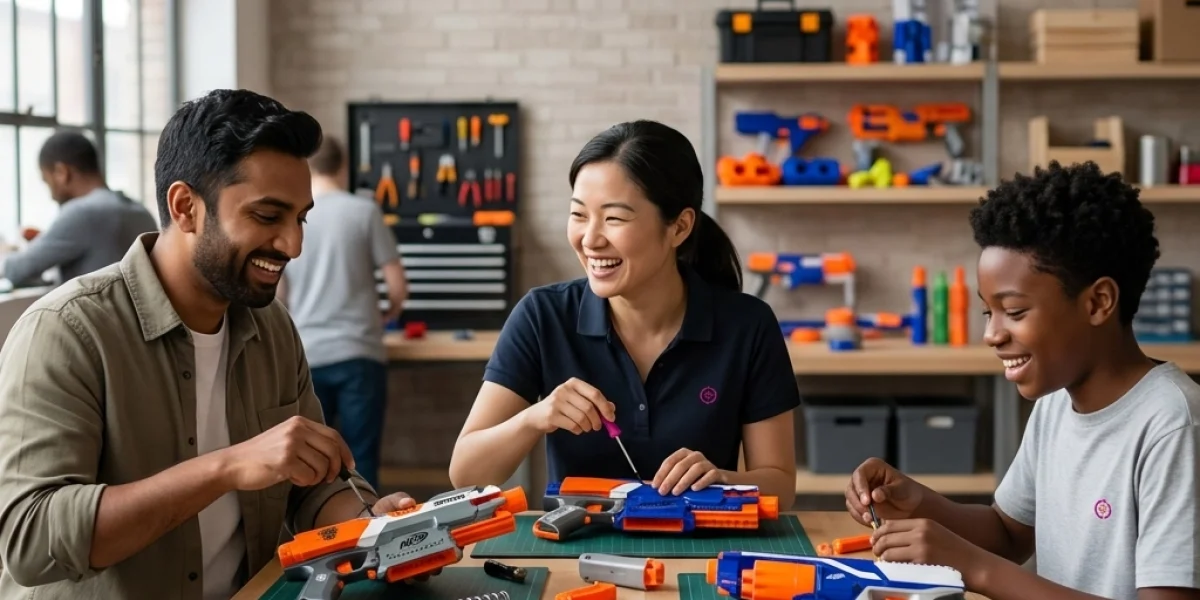
The Nerf Gun Workshop is specifically designed to be hands-on. We’ll have mentors on-site who know these blasters inside and out. Whether it’s a broken trigger spring, a dart-feeding issue, or you just want to learn how to safely modify your blaster for better performance (within reason, folks!), we’ve got the tools and the talent.
What to bring:
- The Broken Goods: Bring any Nerf-brand or off-brand foam blasters that aren't working.
- Parts (If you have them): Got a "parts donor" blaster? Bring that too.
- Curiosity: You won't just hand it over for someone else to fix; you’ll be doing the work with us!
Knowing how to repair your recycled plastic panels is a skill we teach our industrial clients, and the principles are exactly the same for a plastic toy. It’s about understanding the material, using the right tension, and not forcing components that are designed to click.
The Bigger Picture: Why Resourceful Living is Involved
You might wonder why a company that manufactures 100% recycled plastic sheets is spending Friday afternoon fixing toys. It’s simple: waste is a design flaw.
When we produce our recycled plastic panels in Australia, we ensure they are fully traceable and durable. We want them to last a lifetime. Repair Cafes align perfectly with this philosophy. If we can extend the life of a product: be it a kitchen worktop or a toy blaster: we are successfully lowering the embodied carbon of that item.
Plastic is a Resource, Not Rubbish
In the manufacturing world, we often talk about the ROI of circularity. In your personal life, the ROI of repairing a toy is even higher. It’s the satisfaction of DIY, the money saved, and the lesson in environmental stewardship.
Every toy saved from the bin is a win for our local Newcastle environment. We see so much plastic come through our facility that could have been avoided if the original product was simply maintained or repaired.
Repair Tips You Can Use Tomorrow (And Every Day)
If you’re coming along tomorrow, you’ll pick up some "pro-tips" that apply to almost anything plastic in your home. Here’s a sneak peek at the "Fix-It" mindset:
- Diagnosis First: Don't start unscrewing everything. Listen to the sound the toy makes. Is it a mechanical "crunch" or a silent "fail"?
- Cleanliness is Key: Often, plastic toys fail because of dust, hair, or old lubricant gumming up the works. A simple wipe-down can do wonders.
- The Right Tools: Plastic is unforgiving. Using the wrong size screwdriver will strip the heads instantly. We’ll have the right kits available at Clyde St.
- Don't Force It: If a plastic casing isn't opening, there's probably a hidden screw behind a sticker or a battery compartment.
These skills are surprisingly transferable. Whether you're managing site waste on a construction project or just fixing a leaky tap, the "repair over replace" logic saves time and money.

A Quick Note on Safety 🛡️
Since we are dealing with springs and small parts, this workshop is a supervised environment. We want this to be fun, but we also want everyone to keep their eyes safe (and their springs from flying across the room).
Repairing items is a great way to understand product lifecycle. Just as we provide a manufacturing procedure lifecycle for our industrial materials, we want you to understand the "life" of your toys.
Why Tomorrow Matters
Friday, May 1st isn't just another day on the calendar. It’s an opportunity to join a growing movement of people who are saying "enough" to planned obsolescence.
Hamilton North is becoming a bit of a hub for this kind of thinking, and we at Resourceful Living are proud to be right in the thick of it. We aren't just selling you recycled plastic sheets; we’re inviting you to be part of a community that values resources.
Ready to Join Us?
Spaces are filling up fast. This is a Last Call for a reason!
If you’re a parent looking for a fun Friday afternoon activity, a hobbyist interested in the mechanics of blasters, or just someone who hates seeing plastic go to waste, we’ll see you there.
Final Checklist for Tomorrow:
- Check the darts: Are your darts the problem, or the gun? Bring both.
- Charge the batteries: If your blaster is electronic, make sure it has fresh juice so we can test the repair.
- Book the ticket: Seriously, do it now: Humanitix Link.
- Location Check: 50 Clyde St, Hamilton North. There's plenty of street parking nearby.
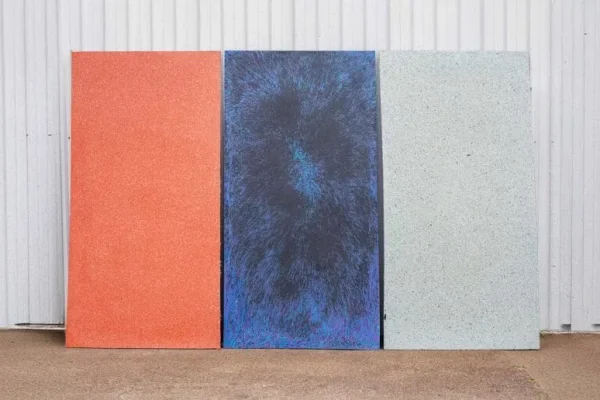
We’ll have some of our Resourceful Living samples on display too, so if you’ve ever wanted to see what 100% recycled HDPE feels like, come have a yarn with us.
"The most sustainable product is the one you already own." : It’s a cliché because it’s true.
See you tomorrow at 4:00 PM. Let's get these blasters back in the game!
: Jess and the Resourceful Living Team
Want to dive deeper into how Resourceful Living is changing the way Australia thinks about plastic? Check out our guide on why everyone is talking about recycled plastic panels or learn how we can help you win NSW tenders with sustainable material choices.