For decades, marine plywood was the gold standard for anything built near the water. From boat hulls to jetty decking, if it was going to get wet, you specced marine ply. But as we move through 2026, a massive shift is occurring in the Australian construction landscape.
Builders, councils, and specifiers are starting to ask a difficult question: Is the "marine" in marine plywood actually enough?
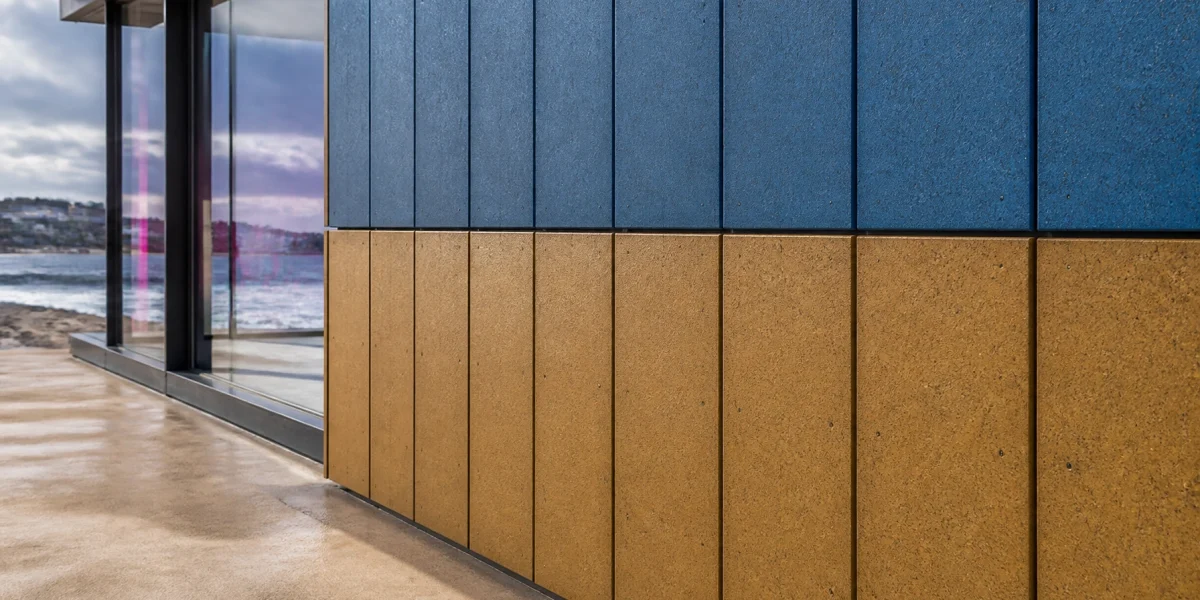
In coastal environments where salt spray, extreme UV, and constant moisture are the norm, traditional timber is becoming a liability. The high cost of maintenance, combined with a tightening focus on circular construction, has pushed marine plywood out of the spotlight. In its place, 100% recycled plastic panels are becoming the new industry benchmark for durability and sustainability.
The Plywood Problem: Why "Marine Grade" Doesn't Mean "Forever"
To understand why marine plywood is losing ground, we have to look at what it actually is. Marine plywood (often manufactured to BS 1088 standards) is essentially high-quality timber veneers bonded with waterproof glue.
While the glue might not fail, the timber itself is still organic material.
- Delamination: Even the best marine ply will eventually delaminate if water finds its way into the edges.
- Rot and Decay: Microscopic cracks in the protective coating allow moisture and salt to penetrate the wood fibres, leading to structural rot.
- The Coating Cycle: To keep marine plywood functional, it requires a rigorous schedule of sanding, sealing, and painting.
"Marine plywood isn't waterproof; it's just water-resistant for a duration. In the harsh Australian sun, that duration is getting shorter every year." , Industry Insight, 2026.
For many projects, this creates a "maintenance tax", a recurring cost that often exceeds the original material price within just five to seven years.
The 2026 Shift: Enter 100% Recycled HDPE
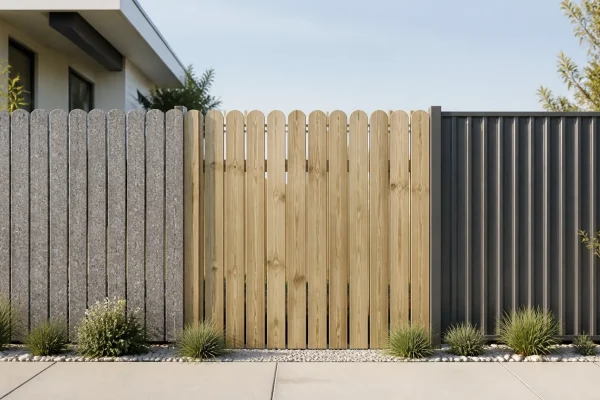
In 2026, the alternative is no longer a "future concept", it's a high-performance reality. Resourceful Living manufactures 100% recycled and recyclable plastic sheets that are specifically designed to replace traditional timber in high-moisture environments.
Unlike plywood, these panels are solid blocks of 100% Australian recycled plastic. There are no veneers to peel, no glues to fail, and absolutely no organic matter to rot.
Comparison: Marine Plywood vs. Recycled Plastic Panels
| Feature | Marine Plywood (BS 1088) | Resourceful Living Recycled Plastic |
|---|---|---|
| Water Absorption | High (leads to swelling/rot) | 0% (totally non-porous) |
| Salt Resistance | Moderate (surface degradation) | Excellent (impervious to salt) |
| Maintenance | Annual sealing/painting required | Zero (no painting or staining) |
| Lifespan | 5–10 years (exposed) | 40+ years |
| Termite/Pest Proof | No (requires treatment) | Yes (100% immune) |
| Circular Economy | Landfill at end-of-life | 100% Recyclable (Take-back program) |

Eliminating the "Maintenance Tax" in Coastal Assets
For local councils and commercial asset managers, the biggest driver toward recycled plastic isn't just the environment: it's the bottom line.
When you specify timber for a coastal walkway or a marine retaining wall, you're signing up for a lifetime of maintenance. Our data comparison between recycled plastic and timber shows that while the initial material cost of high-quality HDPE panels might be higher, the Total Cost of Ownership (TCO) is significantly lower.
- ✅ No Sanding: The colour is solid throughout the material.
- ✅ No Sealing: Saltwater cannot penetrate the surface.
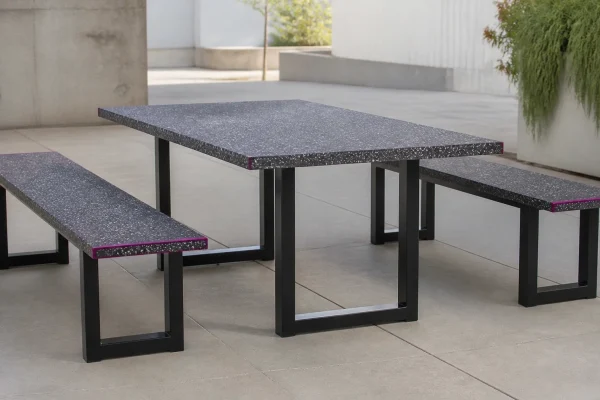
- ✅ No Splinters: Safe for public walkways and furniture.
- ✅ Easy Cleaning: Graffiti and sea grime can be pressure washed off without damaging the substrate.
Technical Specs for Specifiers: Beyond the Aesthetic
When you're comparing materials for a 2026 tender, you need hard data. Our panels aren't just "plastic boards"; they are engineered materials tested for strength and weather resistance.
- Solid Construction: Our sheets come in thicknesses from 3mm to 40mm. For marine applications, the 20mm and 30mm sheets provide incredible structural rigidity without the weight of concrete or the fragility of ply.
- UV Stability: We use high-quality Australian waste streams (like HDPE and PP) that are naturally resilient. Our manufacturing process ensures deep-dye colour fastness that survives the Australian UV index.
- Standard Sizing: Our standard 2400mm x 1200mm sheets fit perfectly into existing plywood-based workflows, making the switch from marine ply to recycled HDPE seamless for builders.
Circular Construction: Meeting 2026 Sustainability Targets
The Australian building sector is under increasing pressure to meet Net Zero and Embodied Carbon targets. Marine plywood often comes from overseas timber sources with complex supply chains and high carbon footprints.
By choosing Resourceful Living, you are choosing:
- 100% Australian Plastic Waste: We keep local plastic out of Australian landfills and oceans.
- Local Manufacturing: We manufacture 1 tonne of plastic per day in our local facility, ensuring faster product turnaround and lower transport emissions.
- A True Take-Back Program: We don't just sell you a product; we offer to collect it for free at the end of its life to remanufacture it into new sheets. This is the definition of a circular economy.
"In 2026, a building's value is increasingly tied to its sustainability credentials. Using 100% recycled Australian plastic isn't just a 'feel-good' choice: it's a strategic asset management decision."
Lifecycle Costs: Is Plastic Actually Cheaper?
Let's look at the numbers. A typical marine plywood installation in a coastal "splash zone" might cost $X initially but requires $Y in maintenance every 24 months. By year 10, that plywood has likely been replaced once and maintained five times.
In contrast, a Resourceful Living panel installation has a maintenance cost of zero.
When you calculate the embodied carbon and the long-term labour costs of timber maintenance, recycled plastic wins every time. It’s why we see more architects shifting their 20-year maintenance strategies away from timber and toward circular materials.
The Verdict: Is Marine Plywood Dead?
For high-end indoor cabinetry or protected structural framing where the warmth of timber is essential, marine plywood still has a place. However, for exposed coastal construction, marine plywood is effectively obsolete.
The 2026 standard for coastal durability is 100% recycled plastic. It's tougher, it's smarter, and it's better for the Australian environment.
Ready to make the switch?
If you're working on a coastal project and want to eliminate rot and maintenance from your future, it’s time to look at Resourceful Living's range.
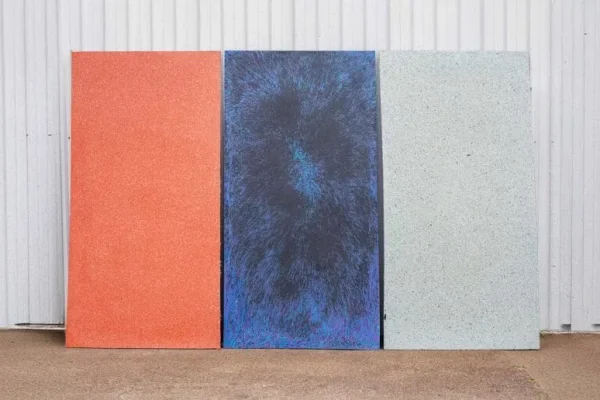
- 👉 Order a Sample Pack: Feel the density and see the unique 'Ochre' and 'River' finishes.
- 👉 Request a Quote: We manufacture 7 days a week with 6 popular colours always in stock.
- 👉 Consult an Expert: Talk to us about your custom thickness or bespoke product needs.
Contact Resourceful Living Today to see how we can help you build for a sustainable future.