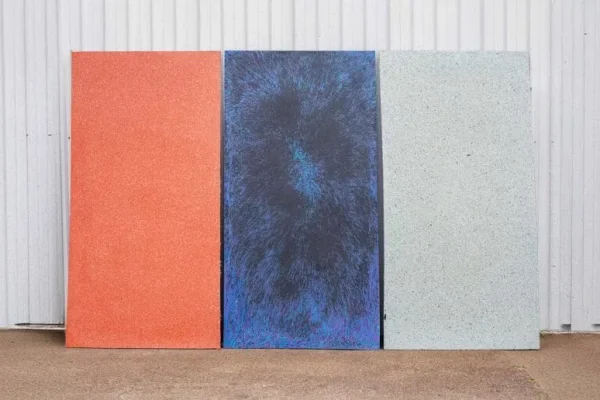
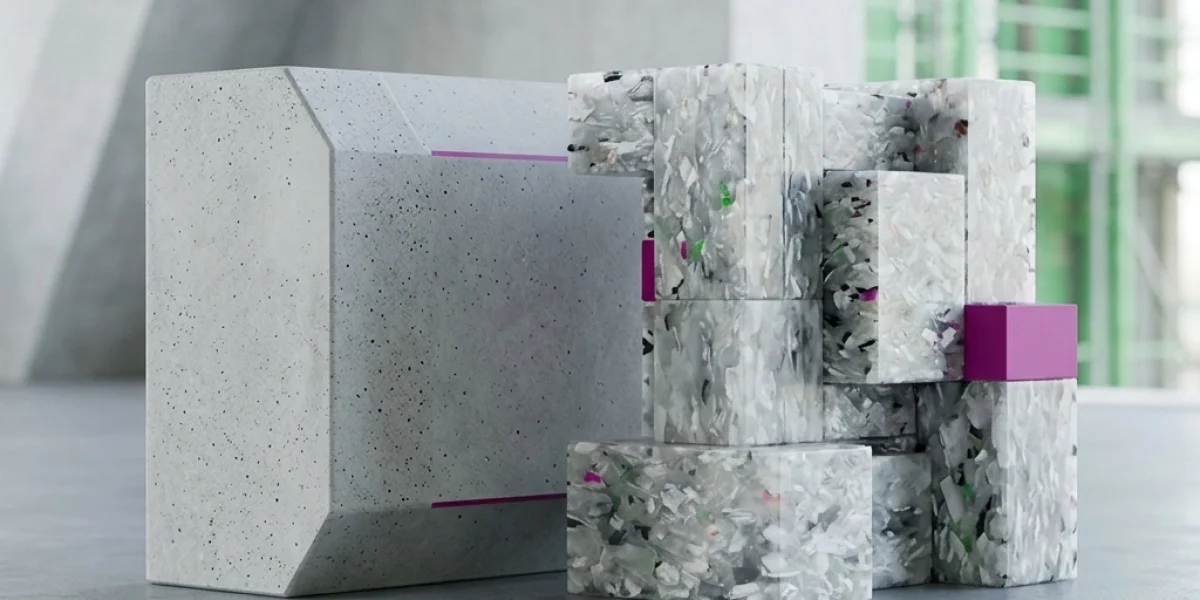
For decades, the construction industry has operated under a single, unspoken rule: if it needs to last, use concrete. It’s reliable, it’s heavy, and it’s everywhere. But as we move deeper into 2026, the criteria for "performance" have shifted. It’s no longer just about whether a material can hold a load; it’s about the carbon debt that material carries from the moment it’s poured.
When we look at the recycled plastic vs concrete structural debate, we aren't just comparing two materials. We’re comparing two fundamentally different philosophies of building. One is a linear, high-emission legacy material; the other is a circular, low-impact solution for modern infrastructure.
If you’re managing a low-emissions project today, you need to know exactly where concrete is failing and where 100% recycled Australian plastic is stepping in to fill the gap.
The Concrete Crisis: 8% of Global Emissions
To understand why designers are pivoting, we have to look at the numbers. Concrete is the most widely used man-made material on the planet, but that scale comes at a devastating cost.
- Carbon Footprint: The production of cement (the key ingredient in concrete) is responsible for approximately 8% of global CO2 emissions. To put that in perspective, if the cement industry were a country, it would be the third-largest emitter in the world.
- Embodied Energy: The process of heating kilns to 1,450°C requires massive amounts of fossil fuels.
- Water Consumption: Concrete is a thirsty material. It accounts for nearly 10% of industrial water use globally, often in regions already facing water scarcity.
For any builder trying to navigate embodied carbon reporting in Australia, concrete is the biggest hurdle in the BOQ. It’s "heavy" in every sense of the word.

Defining "Structural": Where Plastic Wins
A common misconception in the recycled plastic vs concrete structural comparison is that plastic is trying to replace the foundations of a 50-storey skyscraper. It’s not.
Instead, we are looking at non-foundation infrastructure: the high-volume components that make up the bulk of our built environment. These include:
- Fencing and Acoustic Barriers
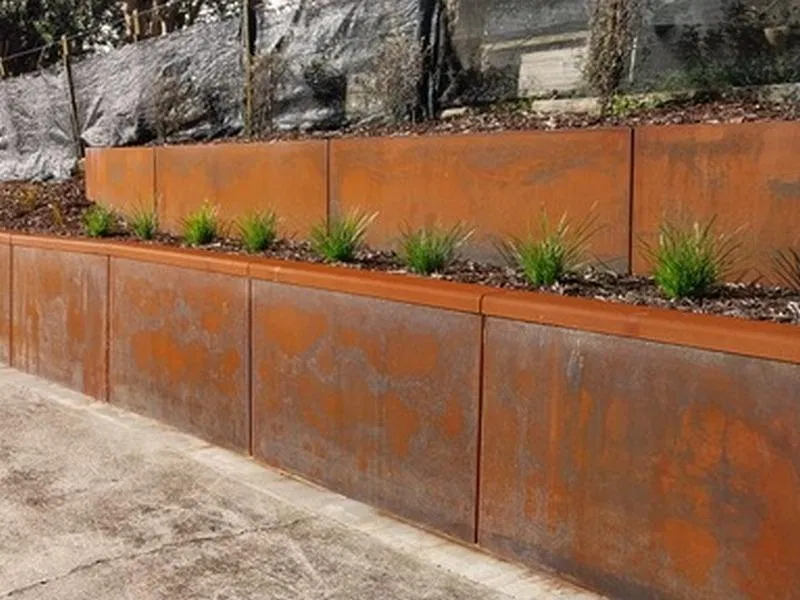
- Retaining Walls and Garden Edging
- Service Dividers and Internal Partitions
- Site Hoarding and Protective Barriers
In these applications, using concrete is often "over-engineering" at the expense of the environment. Recycled plastic panels offer the rigidity and durability required without the permanent carbon footprint of a poured-in-place structure.
Weight and Freight: The Hidden Emission Saver
Concrete is heavy. This seems like an obvious statement, but the downstream effects are often ignored. Transporting concrete pre-cast panels or wet-mix trucks consumes significant diesel.
Recycled plastic panels, such as those produced by Resourceful Living, have a significantly higher strength-to-weight ratio. This means:
- Lower Transport Costs: You can fit more material on a single truck, reducing the number of trips to the site.
- Reduced On-Site Labour: Panels can often be moved and installed by hand or with light machinery, rather than requiring heavy-duty cranes.
- Health and Safety: Lighter materials mean a lower risk of manual handling injuries for your crew.
The Circularity Gap: Rubble vs. Resource
One of the most critical factors in the recycled plastic vs concrete structural comparison is what happens when the project ends.
Concrete’s End-of-Life:
When a concrete structure is decommissioned, it is typically demolished. While some concrete is crushed into low-grade road base (aggregate), a massive percentage ends up as construction and demolition (C&D) waste in landfills. It is a linear journey: extract, use, discard.
Recycled Plastic’s End-of-Life:
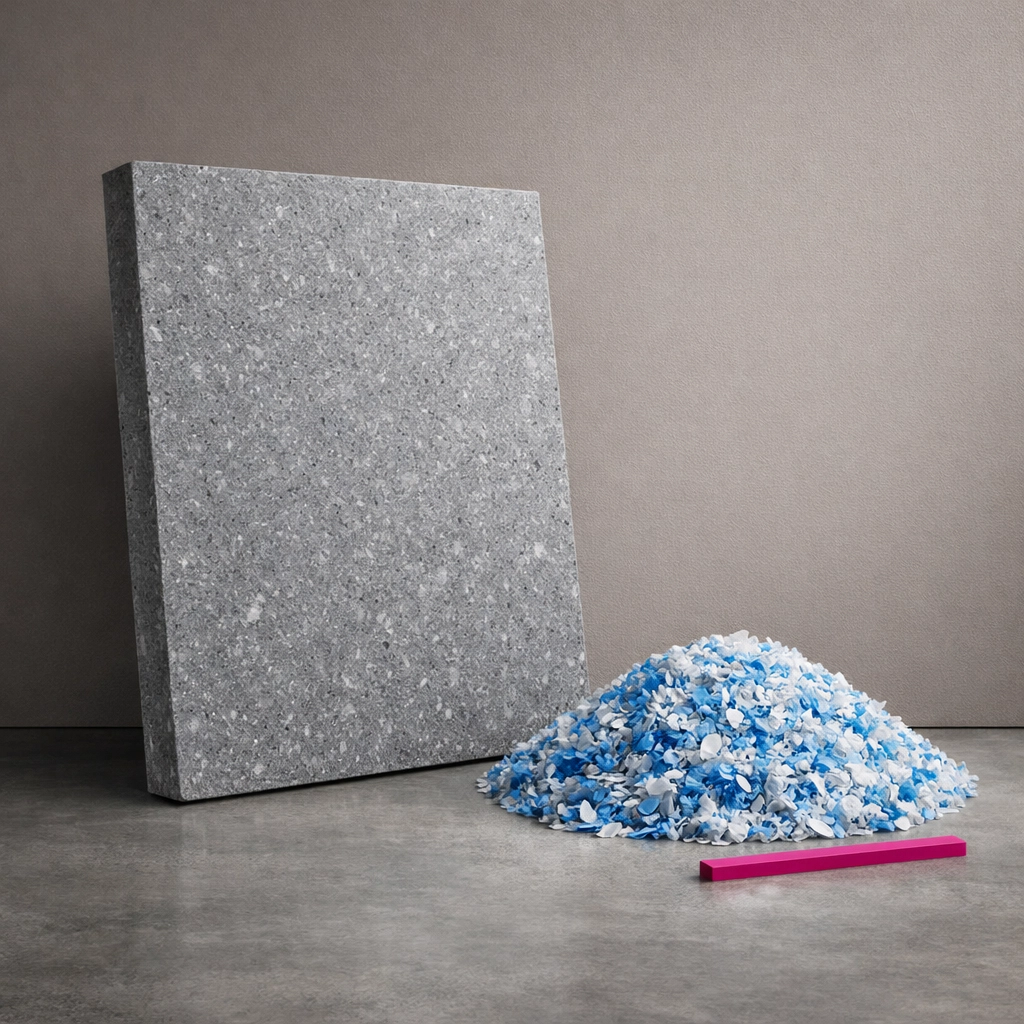
At Resourceful Living, our panels are designed for the circular construction 2026 model. If a fence or divider is no longer needed, it doesn't become waste. It is 100% recyclable. We can take those panels back, shred them, and turn them into new sheets.
"True sustainability isn't just about using a 'green' material; it's about ensuring that material never has to see a landfill. Concrete is a dead-end; recycled plastic is a loop." : Jess Hodge, Resourceful Living Sales
Head-to-Head: Recycled Plastic vs. Concrete
| Feature | Concrete (Traditional) | Recycled Plastic (HDPE Panels) |
|---|---|---|
| CO2 Impact | High (8% global share) | Low (Carbon sequestered in product) |
| Water Usage | High | Zero (Dry manufacturing process) |
| Installation | Heavy machinery / Long cure times | Rapid / Standard tools |
| Durability | High, but prone to cracking | High, impact-resistant & flexible |
| Chemical Resistance | Low (Corrodes with salts/acids) | High (Impervious to most chemicals) |
| Circularity | Low (Becomes rubble) | 100% Recyclable (Closed loop) |
For many 2026 projects, the decision comes down to the 2026 price guide and the long-term maintenance. While concrete might seem cheaper at the point of pour, the costs of cracking, graffiti removal, and eventual demolition often tip the scales in favour of plastic.
The "Low-Emissions" Verdict
Is concrete bad for low-emissions projects? Not necessarily: if it’s used where only concrete will do (like a footing or a bridge pier). However, using it for ancillary infrastructure is increasingly seen as a failure of sustainable design.
When you specify sustainable building materials in Australia, you are looking for materials that lower your project's total embodied carbon. By switching to recycled plastic for barriers, dividers, and landscaping features, you:
- Immediately reduce the project's CO2 profile.
- Eliminate the need for heavy, carbon-intensive transport.
- Support the local Australian circular economy.
Implementation: How to Make the Switch
Transitioning from a concrete-first mindset to a circular mindset doesn't have to happen overnight. Here is how most of our partners at Resourceful Living begin:
- Audit your BOQ: Identify any non-structural concrete (fences, dividers, site-shaping elements) that could be replaced with recycled plastic boards.
- Request Carbon Data: Ask for the embodied carbon data of your materials. We provide clear metrics to help you with your carbon credit claims.
- Consider Maintenance: Remember that plastic doesn't need painting, doesn't spall, and is largely graffiti-resistant: unlike porous concrete.
If you’re unsure how our panels will perform compared to your traditional specs, check out our product data sheets for a deep dive into the technical metrics of our HDPE materials.
The Future of Infrastructure
By the end of 2026, the "standard" way of building will have changed. Procurement teams are already being incentivised to move away from high-carbon materials. The recycled plastic vs concrete structural debate is being won not just on environmental grounds, but on practical, logistical, and financial ones.
Concrete will always have its place in the foundations of our cities. But for everything else? It’s time to look at a material that’s as resilient as the environment it’s designed to protect.
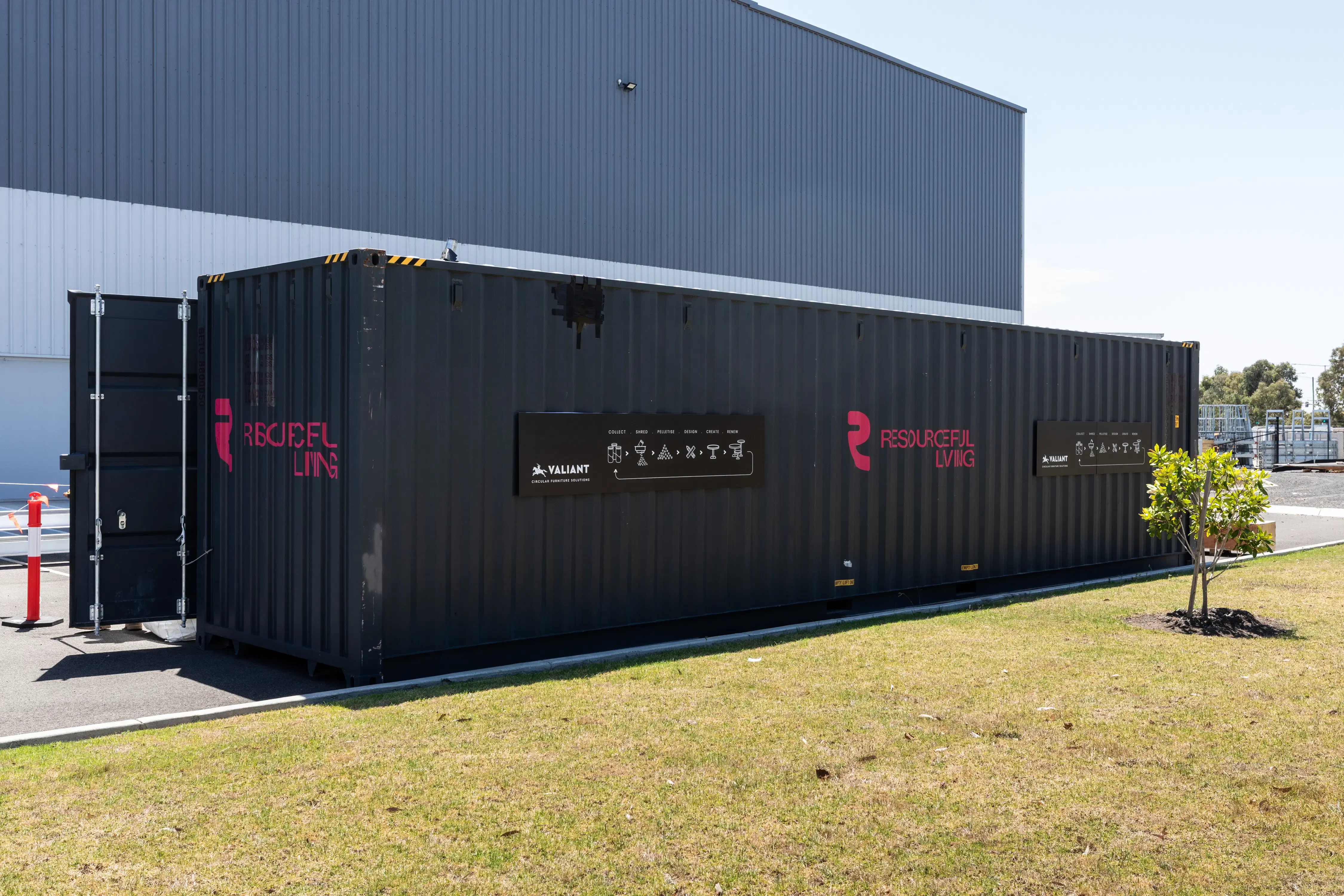
Ready to swap heavy carbon for high performance?
Explore the Resourceful Living range and see how we’re helping Australian builders move toward a zero-waste, low-emission future. Whether it's a commercial fit-out or a major infrastructure project, we have the panels: and the data: to make your next project your most sustainable one yet.