It’s April 2026, and if you’re a Project Manager or Operations Lead in Australia, the pressure is on. Between the updated NABERS reporting requirements and the "If Not, Why Not" procurement policies, simply throwing stuff in a skip bin and hoping for the best is no longer a viable strategy.
If you want to win tenders and keep your margins healthy, you need to know exactly what’s leaving your site in a truck. A waste audit isn't just about being "green": it's about reclaiming lost profit and securing your next contract.
In this guide, I’m going to walk you through a simple, repeatable waste audit process tailored for the 2026 Australian market.
Why Your Boss Cares About This Data
Before you grab the gloves, let's talk about why this matters to the people holding the purse strings. Your CEO or Site Manager isn't just looking for a feel-good story; they’re looking for risk mitigation and cost avoidance.
- Landfill Levies are Sky-High: In 2026, landfill levies across most Australian states have hit record highs. Every tonne of HDPE or LDPE plastic you send to landfill is literally money out of the company’s pocket.
- ESG Reporting is Mandatory: Large-scale projects now require granular data on embodied carbon. If you can’t prove your waste diversion rates, you risk losing your sustainable building materials australia credentials.
- Tender Competitive Advantage: Government and Tier 1 contractors are looking for partners who understand why circular construction 2026 will change the way you manage site waste forever.
- The "Buy-Back" Potential: Once you know you’re producing 5 tonnes of clean plastic waste a month, you can stop paying for disposal and start talking to us about a Buy-Back Program. We take that waste and turn it into the very recycled plastic sheets Australia depends on for fit-outs.
Step 1: The Pre-Audit Recon
Don't just dive into the bins. Start with the paperwork. You need a baseline to measure your success against.
- Review the Last 6 Months of Invoices: Look for "overage" charges or "contamination" fees. These are your biggest red flags.
- Bin Inventory: Map out every bin on-site. Are they 240L wheelie bins or 6m³ skips?
- The "Typical" Week: Pick a week for the audit that represents normal operations. Avoid public holidays or massive delivery days that might skew the data.
Step 2: The Physical Audit (Getting Your Hands Dirty)
This is where the magic happens. You’re going to physically sort a sample of your waste to see what’s actually in there.
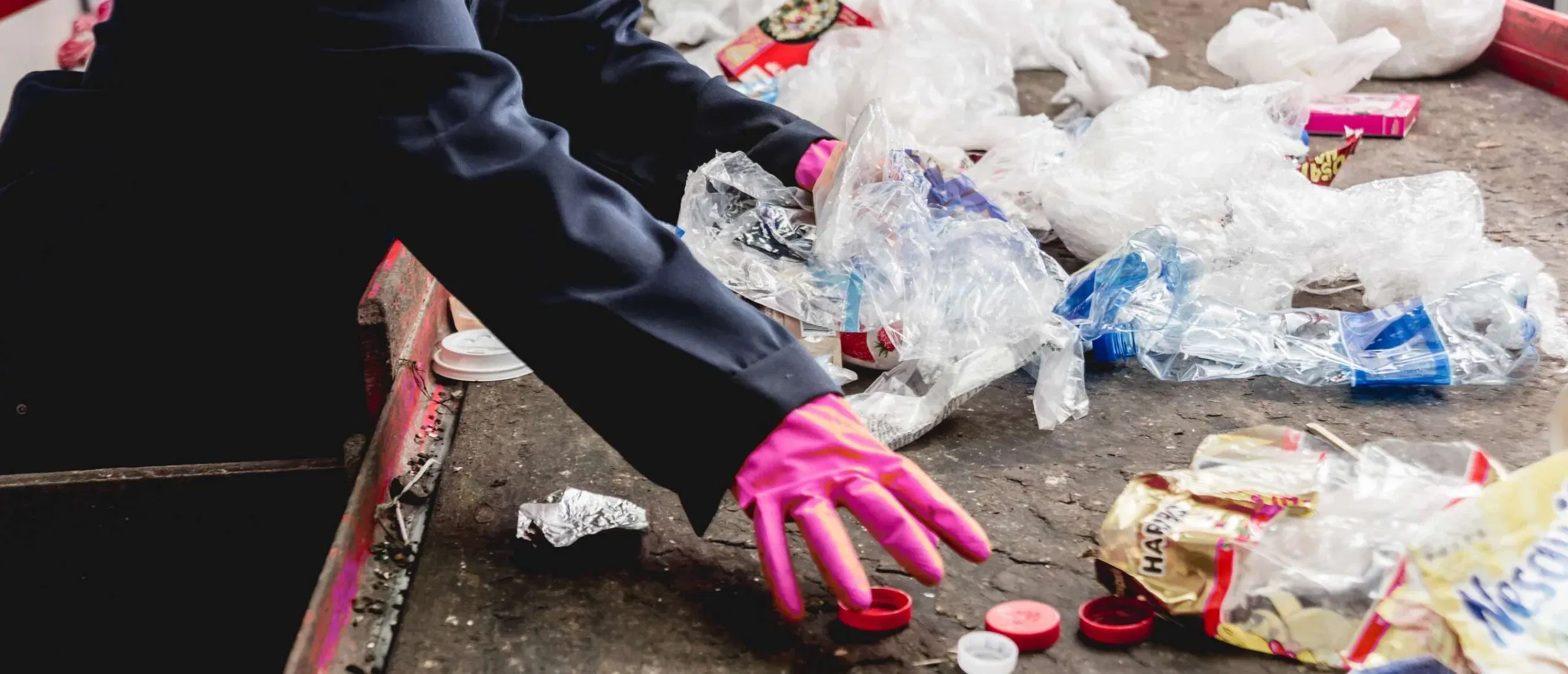
The Gear You’ll Need:
- Heavy-duty gloves and high-vis gear.
- A large tarpaulin.
- Industrial scales.
- Separation containers (clearly marked for Timber, Metal, Soft Plastic, Rigid Plastic, and General Waste).
The Process:
Empty a representative sample of your "General Waste" bin onto the tarp. Sort every single item into the containers. Be ruthless. If a piece of timber is clean, it goes in the timber pile. If a plastic wrap is clean LDPE, it goes in the soft plastic pile.
Once sorted, weigh each category. You’ll likely find that up to 60% of your "General Waste" could actually be diverted into a recycling stream or a circular manufacturing loop.
Step 3: Identify the "Value" Streams
Not all waste is created equal. In the context of sustainable building materials australia, some materials are far more valuable than others.
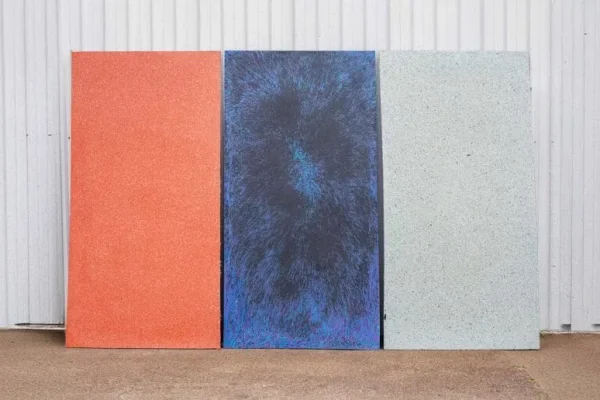
- HDPE (High-Density Polyethylene): Look for milk crates, chemical drums, and heavy-duty pallets. This is gold. We can turn this into recycled plastic panels that last 5x longer than plywood.
- Timber vs. Plastic: If you’re seeing lots of broken timber pallets, consider the ROI of circularity and why recycled plastic outlasts timber 5x in Aussie conditions. Switching your site pallets to recycled plastic could eliminate this waste stream entirely.
- Soft Plastics: Often the largest volume by space, but the lowest by weight. This is a huge contributor to skip bin "fullness" and frequent collection fees.

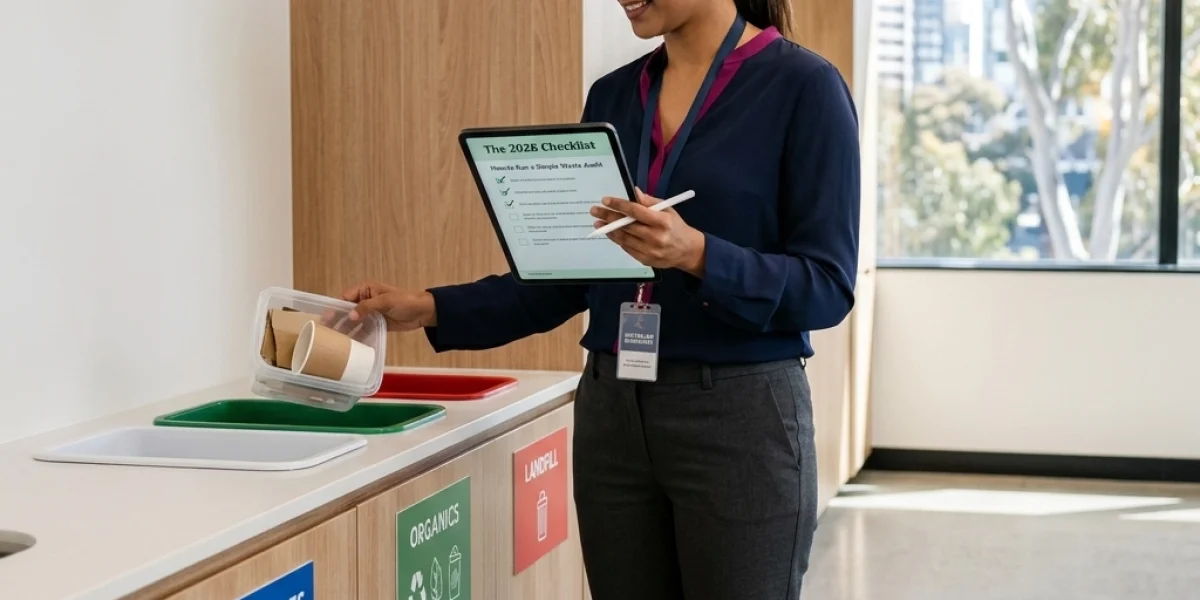
The 2026 Waste Audit Checklist
Use this checklist during your audit to ensure you’re capturing the data that actually matters for modern procurement.
- Date and Duration: (e.g., 5-day audit period).
- Total Weight Collected: (kg).
- Diversion Rate: (Weight of recycled materials / Total weight).
- Contamination Rate: (Percentage of items in the wrong bin).
- Volume vs. Weight: Are your bins "full" but light? You're paying for air.
- Point of Origin: Which department is the biggest waste offender? (Site office, Loading dock, Production floor).
- Photo Evidence: Take photos of "bad" bins to show the team during the next toolbox talk.
How to Use This Template to Smash Your Targets
Collecting the data is only half the battle. Here is how you turn those numbers into a strategic procurement win:
- Calculate the "Hidden Cost": Multiply the weight of recyclables found in the general waste by your landfill levy rate. That’s the amount of money you’re literally throwing away every month.
- Update Your Site Setup: If you found lots of soft plastic in the general bin, put a dedicated soft plastic bag right next to the unloading bay.
- Set a "Zero Waste" Goal: Use your audit baseline to set a target for the next quarter. Aim for a 20% reduction in general waste volume.
- Leverage the Data for Tenders: When applying for new work, include a snippet of your audit data. Show that you are actively managing your embodied carbon reporting.
The Circular Shortcut: From Waste to Worktop
If your waste audit reveals a high volume of plastic, you have a massive opportunity. Instead of just "recycling" it (where it might still end up overseas), you can engage in Local Circularity.
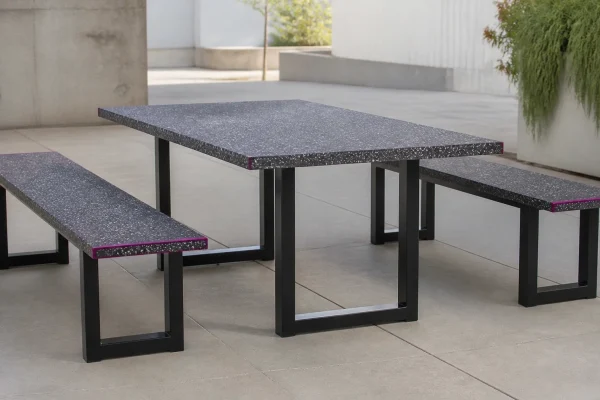
At Resourceful Living, we specialise in taking that specific waste stream and turning it into high-performance materials. Whether you need recycled plastic vs concrete comparisons for your next civil project or you want to fit out your office with traceable recycled panels, the data from your waste audit is the first step.

Don't Just Audit: Evolve
The 2026 business landscape doesn't reward the status quo. It rewards the resourceful. By running this simple waste audit, you're not just cleaning up the site; you're gathering the intelligence needed to master if-not-why-not procurement and dominate your industry.
Ready to turn your waste audit data into a profit centre? Contact Jess and the team today to talk about our Buy-Back Pilot Program or book a Lunch & Learn session for your project managers. Let’s stop talking about sustainability and start manufacturing it.