
Every Tonne in Landfill Is Money Buried
Landfill levies are rising and so are community expectations.
Circular procurement reduces disposal costs while strengthening sustainability outcomes.
💡 Shift from Price to Lifecycle Value
Upfront cost is only half the story.
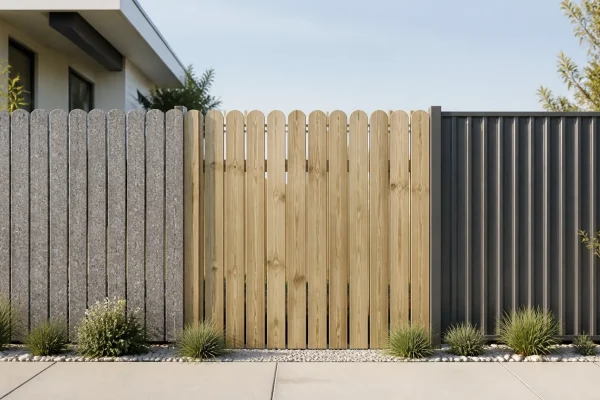
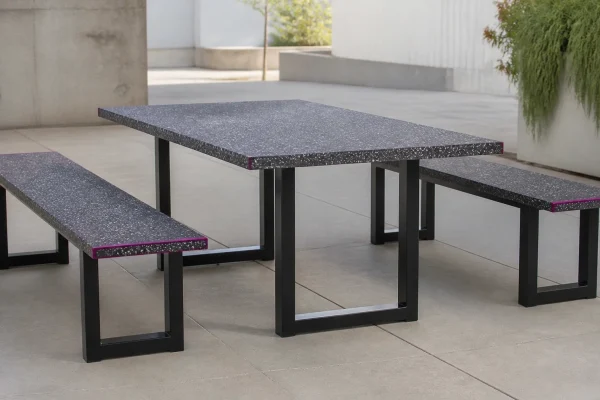
Recycled plastic infrastructure products often outlast timber and require less maintenance.
The World Economic Forum estimates circular economy practices could generate $4.5 trillion globally by 2030.
“Sustainability is no longer optional — it’s operational.” – Paul Polman
Practical Tip: Use total cost of ownership (TCO) models in procurement assessments.
🚛 Reduce Transport & Disposal
Local reprocessing cuts freight and tipping fees.
Practical Tip: Partner with local manufacturers to keep materials within your LGA.
📊 Measure & Report Savings
Quantifying avoided landfill creates a powerful narrative for stakeholders.
Practical Tip: Compare annual landfill tonnage before and after circular procurement integration.
Reducing landfill costs isn’t about cutting services. It’s about closing loops.
Book your free Waste → Infrastructure discovery call to see how much your organisation could save.