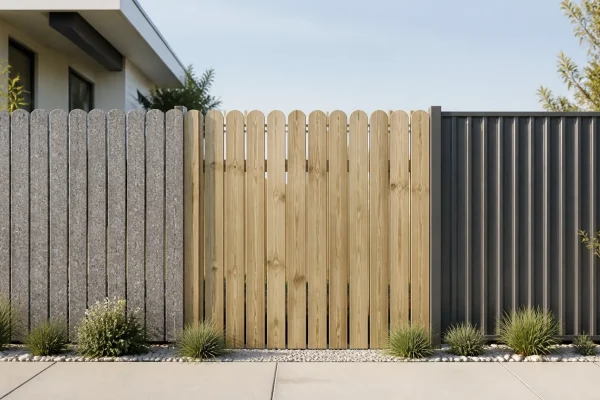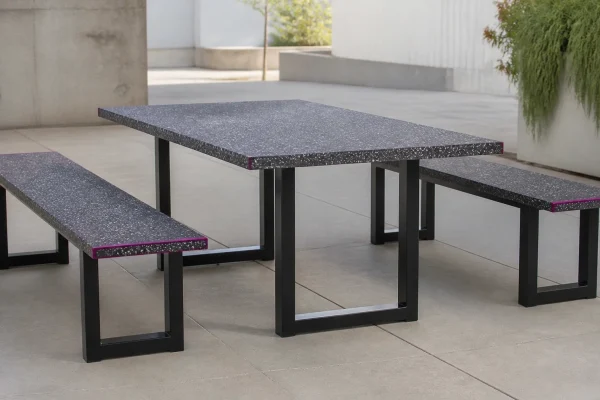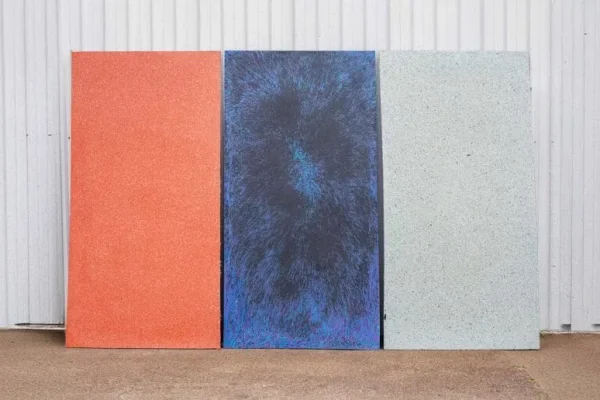

The landscape of Australian construction is shifting. If you’ve noticed that your bids for local, state, or federal government projects are being passed over, the reason likely isn’t your price: it’s your material trail.
By 2026, the "nice-to-have" sustainability sections of tender documents will become hard gatekeepers. Under the new Environmentally Sustainable Procurement Policy (ESPP), government agencies are now mandated to prioritise products that support a circular economy.
This isn't just about "being green." It’s about compliance, risk mitigation, and sovereign capability. If you aren't already integrating 100% traceable, recycled materials into your workflow, you’re essentially handing the contract to your competitors.
The 2026 Mandate: Why the Goalposts Moved
The Australian Government has set a clear trajectory: by 2030, we want a fully circular economy. To get there, the 2026 interim targets require massive increases in the use of recycled content in infrastructure and building projects.
Specifically, the ESPP (which began its rollout in mid-2024 and scales significantly into 2026) requires tenderers to demonstrate how they are reducing embodied carbon. For builders and architects, this means the "recycled-style" materials of the past: often unverified imports with questionable origins: no longer make the cut.
The "Traceability Trap"
Many contractors lose tenders because they claim to use recycled materials but lack the verification paperwork. Government auditors are increasingly wary of "greenwashing." They want to see:
- Proof of Origin: Where did the waste come from?
- Percentage of Post-Consumer Waste: Is it industrial scrap or true diverted landfill?
- Local Impact: Does this purchase support Australian jobs and waste reduction?
Using 100% Australian-made sheets from Resourceful Living allows you to check every single one of these boxes. Our materials aren't just recycled; they are a verified secondary resource that keeps Australian plastic out of Australian landfills.

Boosting Your Green Star and NABERS Ratings
If you’re working on high-spec commercial builds, you’re likely chasing Green Star points or a high NABERS (National Australian Built Environment Rating System) score. These ratings are the gold standard for sustainability in the built environment, and they directly influence a building's market value and tenant appeal.
Green Star Strategy
The Green Building Council of Australia (GBCA) rewards projects that use Responsibly Produced Products. By replacing traditional plywood or virgin plastics with our rHDPE panels, you earn points under the "Responsible Building Materials" and "Life Cycle Impacts" categories.
NABERS Embodied Carbon
NABERS is expanding its focus from just operational energy (lights and air con) to embodied carbon (the carbon emitted to create the materials). Because our panels are manufactured in a closed-loop system using 100% recycled plastic, their carbon footprint is significantly lower than virgin alternatives or high-maintenance timbers.
Integrating these materials into your circular construction 2026 strategy doesn’t just help the planet: it makes your project's data look incredible on paper.
Traceability: The Secret Weapon for Winning Tenders
When a procurement officer looks at two identical bids, the one with a transparent supply chain wins every time.
At Resourceful Living, we provide the "birth certificate" for your materials. We don't buy mystery pellets from overseas. We process local Australian waste: everything from milk bottles to soft plastics: right here in our facility.
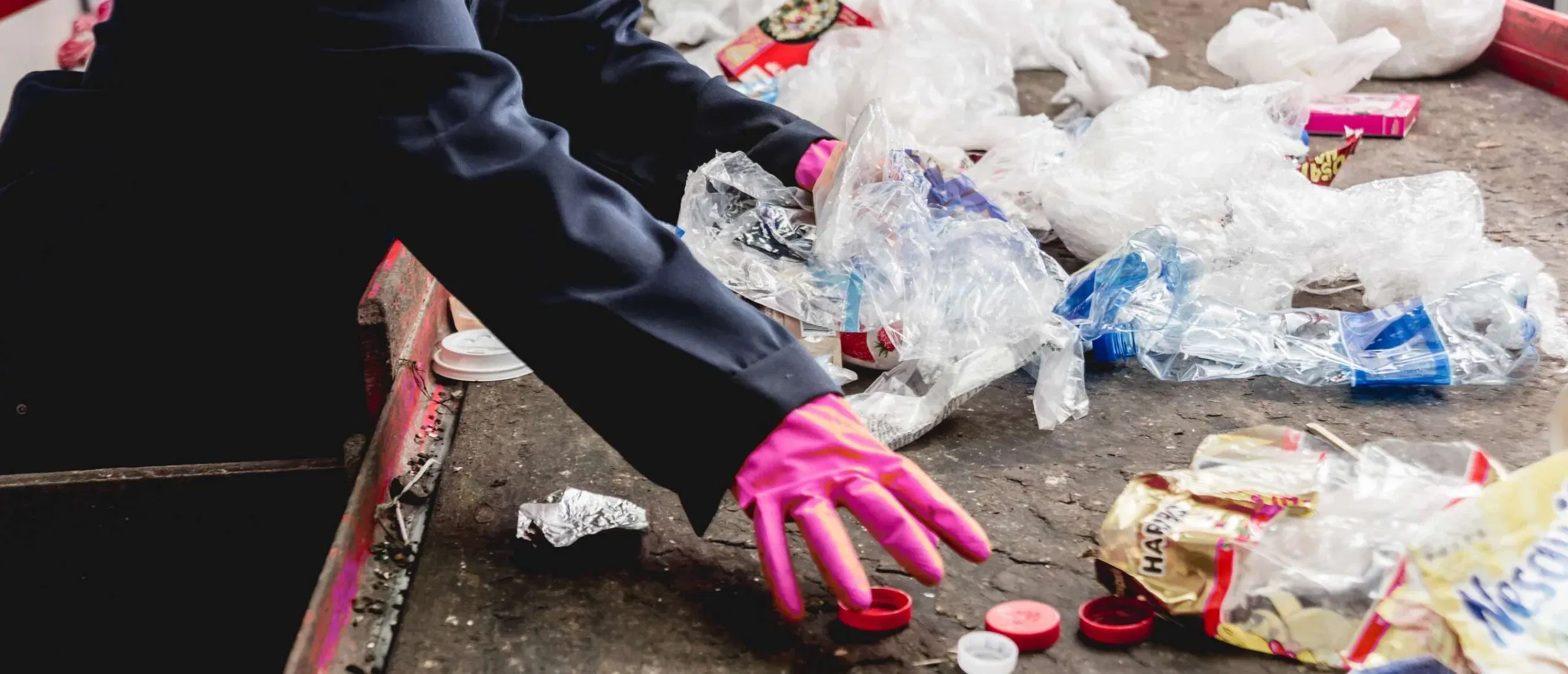
Why this matters for your bid:
- Risk Reduction: You aren't vulnerable to global shipping delays or international "recycled content" scams.
- ESG Reporting: You can tell your client exactly how many tonnes of Australian waste were diverted from landfill for their specific project.
- Authenticity: There is a powerful story in telling a local council that their park benches or wall cladding were once the very milk bottles their community recycled.
For more on how we turn waste into high-end building materials, check out our guide on giving plastic waste a second life.
Beyond Compliance: The Practical Benefits of rHDPE
Meeting sustainable building materials Australia standards shouldn't feel like a compromise. In many cases, recycled HDPE (High-Density Polyethylene) actually outperforms the materials it replaces.
rHDPE vs. Traditional Plywood
Builders often default to plywood for hoardings, cabinetry, and fit-outs, but plywood is costing builders more than they think.
- Waterproof: Our panels will never rot, swell, or delaminate. This makes them perfect for wet areas or outdoor infrastructure.
- Chemical Resistant: Ideal for laboratories, hospitals, or industrial settings.
- Zero Maintenance: No sanding, painting, or oiling required. Ever.
- Infinite Circularity: At the end of the project’s life, our sheets can be returned to us, shredded, and turned into new sheets.

Suggested Image: A side-by-side comparison of a weathered timber post vs. a pristine recycled plastic panel in an outdoor setting.
How to Update Your Procurement Strategy for 2026
If you want to win tenders in the current climate, you need to stop treating sustainability as an "extra" and start treating it as a core technical requirement. Here is a 3-step checklist to get your next bid ready:
1. Audit Your Current Material List
Look at your high-volume items: site hoardings, internal partitions, cabinetry, and furniture. Are these made from virgin materials? Could they be replaced with recycled plastic panels?
2. Request Compliance Documentation Early
Don't wait until the tender is due to ask for data. Contact our team for Product Data Sheets (PDS) and sustainability certifications. Having these ready to attach to your "Environment and Sustainability" annexure shows the procurement officer that you are prepared and professional.
3. Highlight the Local Impact
In your proposal, don't just say you're using "recycled plastic." Say you are using "100% Australian-made, post-consumer recycled HDPE, supporting local waste-to-value manufacturing." Use the Australian Made and Owned logo to drive the point home.
Case Study: The Cost-Effectiveness of Going Green
A common myth is that "sustainable" equals "expensive." While the upfront cost of a recycled panel might be higher than the lowest-grade plywood, the Total Cost of Ownership (TCO) is significantly lower.
In a recent project, a builder switched to our panels for temporary site hoardings. Because the panels didn't degrade in the rain, they were able to reuse them across three different sites. By the third site, the material cost had effectively dropped to zero, whereas they would have spent thousands on new plywood for every relocation. For a deeper look at the numbers, see our breakdown on building green and project cost-effectiveness.
The Future is Circular
The 2026 mandates are a challenge, but they are also a massive opportunity. Builders who lean into circular construction today will be the ones leading the industry tomorrow.
By choosing Resourceful Living, you aren't just buying a plastic sheet; you're buying a partnership with an Australian manufacturer dedicated to your success in a changing market. Whether you're an architect looking to reduce plastic waste in your projects or a developer aiming for the next Green Star rating, the solution is already here.
Ready to Win Your Next Bid?
Don't let missing documentation be the reason you lose out on a major contract. Our team can provide the technical specs, sustainability data, and traceability reports you need to satisfy the strictest government auditors.
Contact the Resourceful Living team today for a quote and a compliance pack for your next tender.