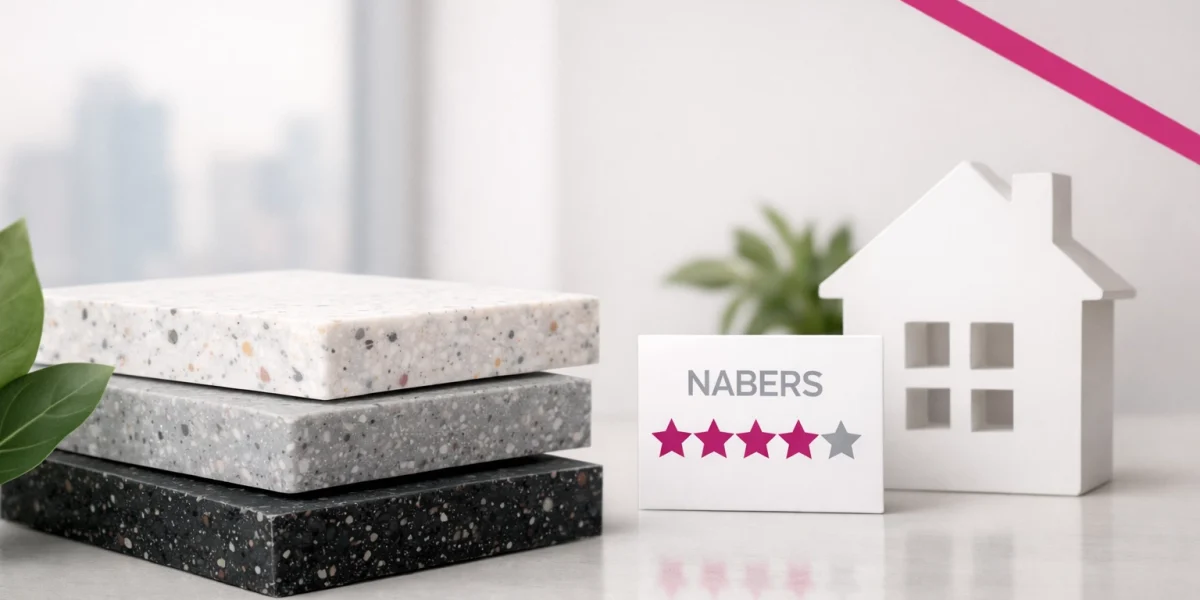
If you’re managing a commercial asset in Australia today, you already know that sustainability isn’t just a badge of honour: it’s a financial imperative. A high NABERS (National Australian Built Environment Rating System) rating directly correlates with higher occupancy rates, better tenant retention, and increased asset value.
While most property managers have spent the last decade perfecting HVAC efficiency and LED retrofits to chase that elusive 6-star Energy rating, the goalposts are shifting. In 2026, the focus has expanded. Sustainable procurement and embodied carbon are now the frontiers where the next generation of "Green Leaders" will be decided.
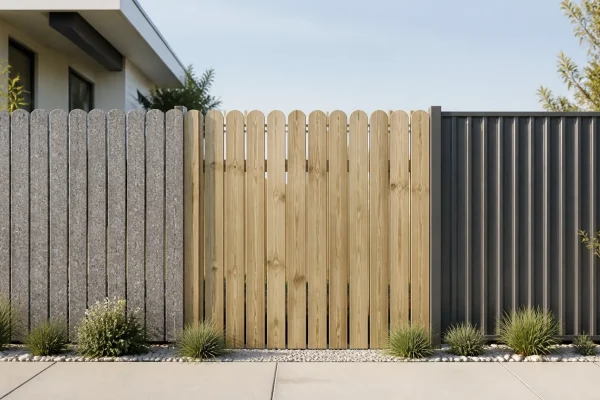
Integrating low-carbon recycled plastic panels into your commercial fit-out is one of the most effective ways to move the needle on your sustainability targets. Here is how you can align these high-performance materials with your NABERS strategy.
The Shifting Landscape: NABERS in 2026
For a long time, NABERS was synonymous with operational efficiency: how much electricity and water your building consumed. However, the industry has realised that a building’s environmental impact starts long before the lights are turned on.
NABERS has been actively developing an Embodied Emissions rating tool. This tool aims to measure the carbon footprint of the materials used in construction and major refurbishments. When you specify sustainable construction materials in Australia, you aren't just making an ethical choice; you are future-proofing your asset against upcoming reporting requirements.
By choosing 100% recycled HDPE (High-Density Polyethylene) or LDPE (Low-Density Polyethylene) panels, you are opting for a material with a significantly lower carbon profile than virgin plastic, treated timber, or imported composites.
1. Boosting Your NABERS Waste Rating
The NABERS Waste Rating is the most direct way to see the impact of recycled materials. This rating measures how well a building manages its waste streams and, crucially, how it prevents waste from being generated in the first place.
Circular Procurement and Resource Recovery
When you use recycled plastic panels for communal areas, wall cladding, or cabinetry, you are participating in a circular economy.
- Diversion from Landfill: By using panels made from 100% Australian post-industrial and post-consumer waste, you are effectively "buying back" waste that would otherwise contribute to Australia’s landfill crisis.
- 100% Recyclability: Unlike melamine-coated MDF or treated timbers, which often end up in landfill at the end of a lease, our panels are fully recyclable.
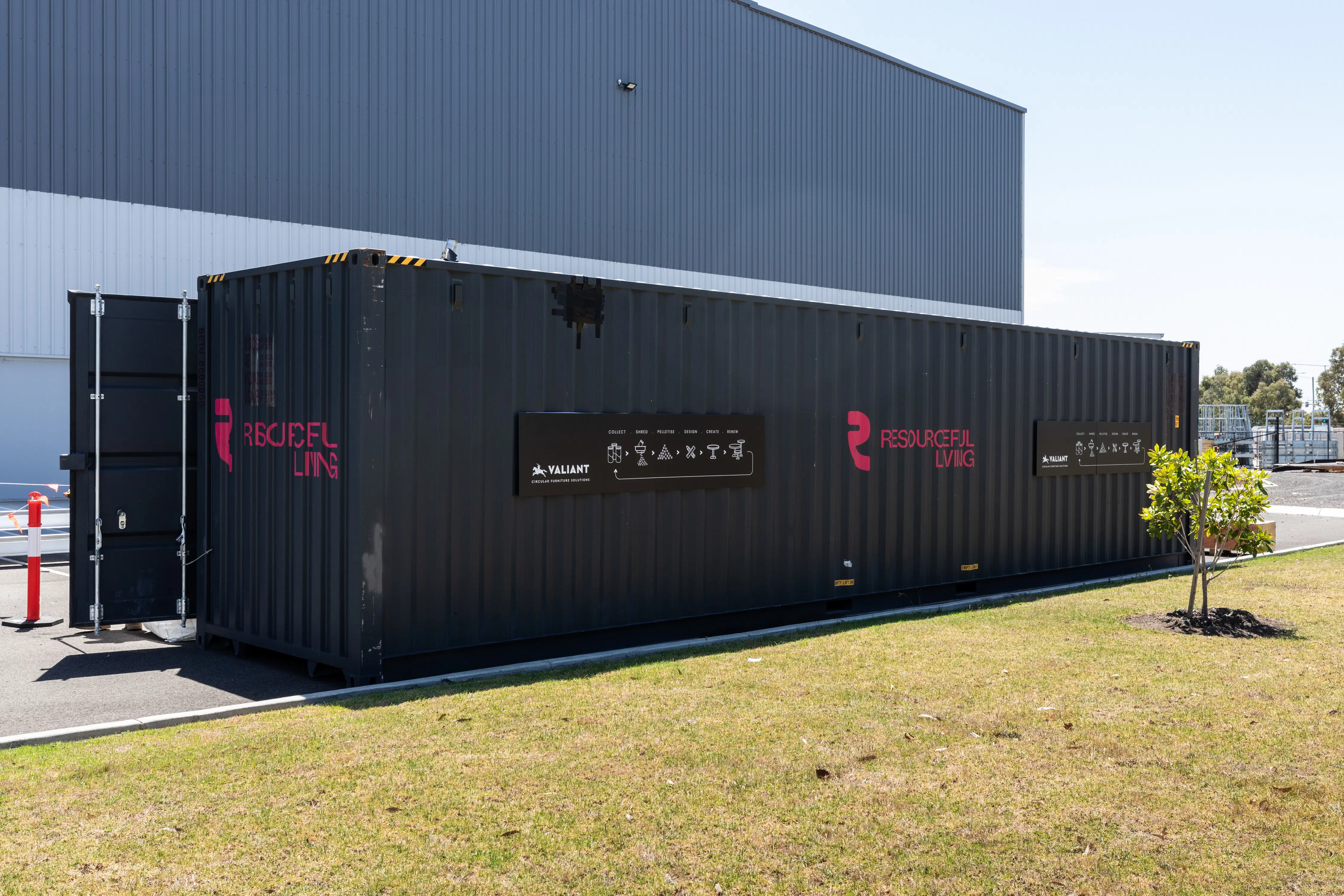
- The Take-Back Advantage: Resourceful Living operates a closed-loop system. At the end of a fit-out’s life cycle, those same panels can be returned to us, shredded, and turned into new products. This counts directly toward your "Resource Recovery" metrics in a NABERS Waste assessment.
2. Preparing for the Embodied Carbon Tool
As mentioned, the upcoming NABERS Embodied Emissions tool will change how we view "Green Buildings." Embodied carbon refers to the greenhouse gas emissions generated during the manufacturing, transportation, and installation of building materials.
The "Australian Made" Carbon Credit
One of the biggest leaks in a building's carbon budget is international shipping. Importing "sustainable" materials from Europe or Asia often negates their environmental benefits due to the massive fuel burn of maritime freight.
Resourceful Living products are 100% Australian origin. We collect the waste here, we process it here, and we manufacture the panels here.
- Reduced Transport Emissions: Shorter supply chains mean a lower carbon footprint for every square metre of material.
- Verified Data: Having locally manufactured materials makes it significantly easier to obtain the data required for NABERS or Green Star certifications, such as Environmental Product Declarations (EPDs).

3. Indirect Hits: Energy and Water Ratings
While a plastic panel doesn't "consume" energy like a boiler does, its properties can indirectly support your NABERS Energy and Water ratings.
- Durability and Maintenance: Our panels are moisture-proof and chemically resistant. In "wet areas" like end-of-trip facilities or commercial kitchens, they don't rot or require the heavy chemical sealing that timber does.
- Simplified Cleaning: The non-porous surface of HDPE/LDPE panels often requires less intensive cleaning regimes, potentially reducing the chemical and water load associated with building maintenance.
- Thermal Mass and Insulation: While not a primary insulator, the density of recycled plastic panels can contribute to the overall thermal performance of internal partitions, helping to maintain stable indoor temperatures and reducing the load on HVAC systems.
Where to Integrate Recycled Plastic Panels in Your Fit-Out
To maximise your NABERS impact, you need to look at high-volume areas. Small changes across a large floor plate add up to significant carbon savings.
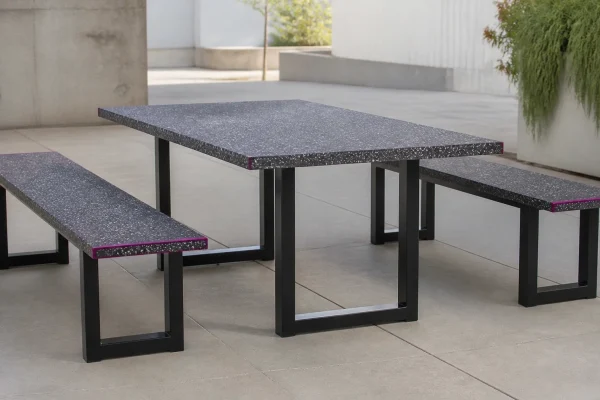
- End-of-Trip Facilities: Use panels for lockers, bench seating, and wall linings. They handle humidity better than almost any other material.
- Breakout Areas and Kitchens: Replace standard laminate cabinetry with durable recycled plastic boards. They are impact-resistant and look stunning.
- Signage and Wayfinding: From floor numbers to directional signs, using a consistent, recyclable material reinforces your building’s sustainability story to every tenant.
- Workstations and Partitions: Create unique, marbled privacy screens that provide acoustic benefits and a visual "wow" factor.
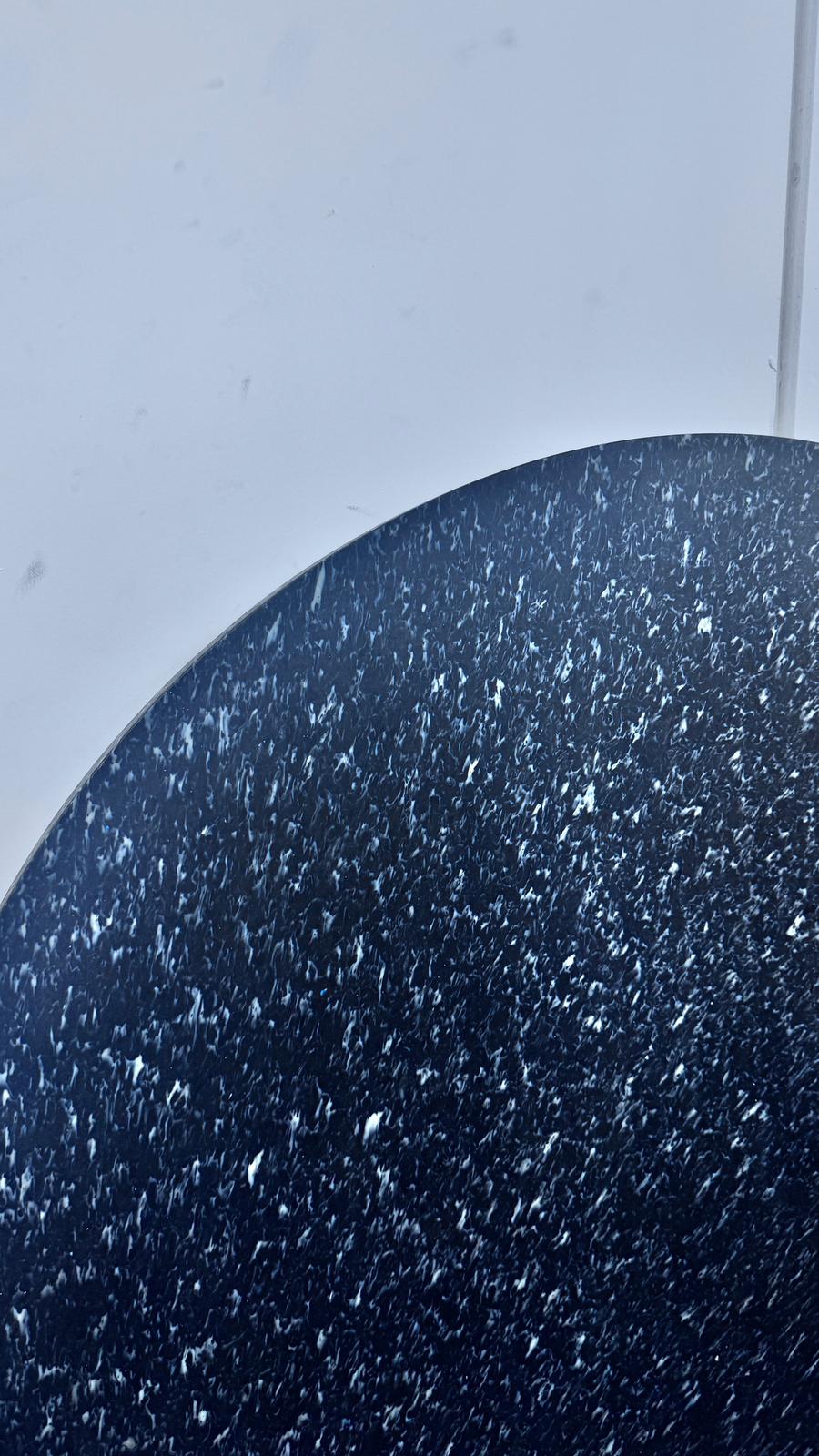
"The future of commercial property isn't just about how much energy we save while the building is occupied; it's about the responsibility we take for the materials we bring into the space. True circularity is the only path to a net-zero built environment." : Jess Hodge, CEO of Resourceful Living.
The Documentation Trail: How to Verify Your Points
NABERS is an evidence-based system. You can’t just say a material is sustainable; you have to prove it. When working with Resourceful Living, we provide the transparency you need for a smooth audit.
- Traceability: We can often trace the plastic waste back to its source, providing a clear narrative for your ESG (Environmental, Social, and Governance) reporting.
- Material Safety Data Sheets (MSDS): We provide full technical documentation to ensure our materials meet all Australian building standards and safety requirements.
- Waste Diversion Reports: For larger projects, we can help quantify exactly how many tonnes of Australian plastic were diverted from landfill to create your fit-out.
Comparison: Recycled Plastic vs. Traditional Materials
| Feature | 100% Recycled HDPE/LDPE | Treated Timber/MDF | Virgin Plastic |
|---|---|---|---|
| Embodied Carbon | Extremely Low (Local Waste) | Moderate (High Processing) | High (Petrochemicals) |
| Recyclability | 100% (Closed Loop) | Low (Often Landfill) | Moderate |
| Moisture Resistance | 100% Waterproof | Poor (Swells/Rots) | 100% Waterproof |
| Maintenance | Low (No painting/sealing) | High (Requires refinishing) | Low |
| NABERS Contribution | High (Waste & Embodied) | Minimal | Low |
Taking Action: Your 3-Step Integration Guide
Ready to boost your building's credentials? Follow these steps:
- Conduct a Material Audit: Look at your upcoming refurbishment schedule. Identify where "standard" materials like MDF, plywood, or virgin plastics are specified.
- Consult with an ESG Partner: Reach out to a closed-loop partner like Resourceful Living. We can help you swap out traditional specs for high-performance recycled alternatives.
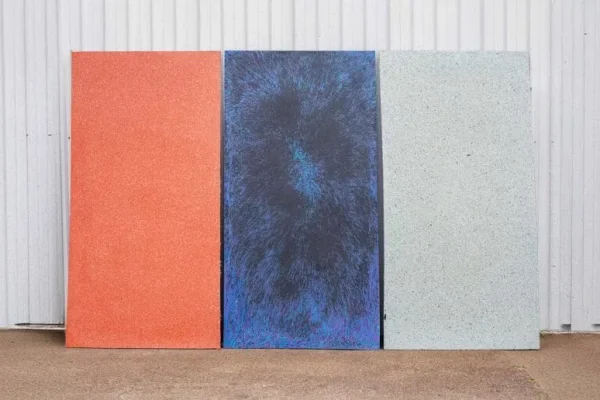
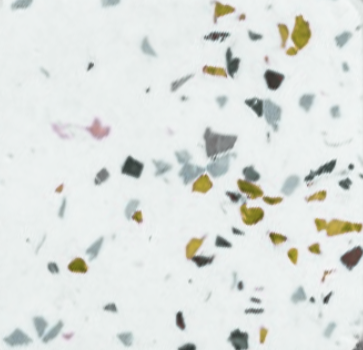
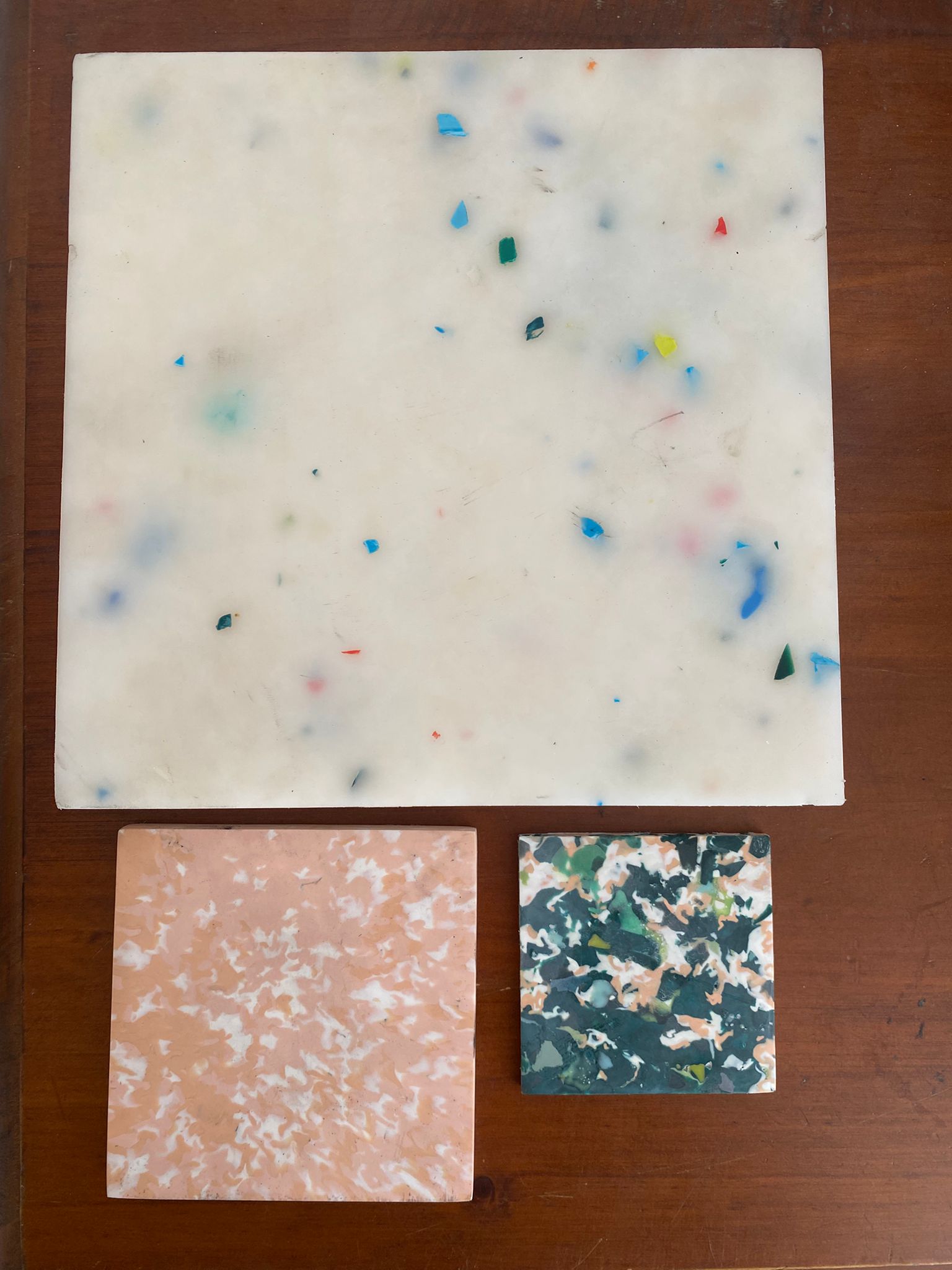
- Engage Your Tenants: A NABERS rating is improved when tenants are on board. Show them the "Confetti" or "Marble" finishes and explain that their office furniture is actually recycled Australian milk bottles. It’s a powerful story that boosts tenant satisfaction.
Final Thoughts
Integrating sustainable construction materials in Australia is no longer a niche design choice: it is a core business strategy for property managers and developers. By aligning your material choices with the NABERS framework, you are not only helping the planet but also securing the long-term viability and value of your assets.
Low-carbon, 100% recycled plastic panels represent the "easy win" in the transition to a circular built environment. They are durable, aesthetically versatile, and carry a carbon story that resonates with modern tenants.
Ready to see how our panels can fit into your next NABERS assessment? Explore our full range of textures and colours or check out our Designers' Cheat Sheet to start your journey toward a truly resourceful office.