If you're running a business in Australia today, you've likely noticed two things: landfill levies are skyrocketing and your customers are asking tougher questions about your environmental footprint. Whether you are in construction, manufacturing, or retail, plastic waste is no longer just a "janitorial issue": it’s a procurement and sustainability challenge that affects your bottom line.
Most businesses want to do the right thing, but "doing the right thing" usually starts with a messy pile of bin liners and a lot of guesswork. To truly transition to a circular economy, you need data. You need to know exactly what is leaving your facility, in what volume, and whether it’s a material that can be salvaged.
As leading recycled plastic manufacturers in Australia, we’ve seen firsthand how a simple audit can transform a company's waste stream from a liability into a resource. This guide provides a professional framework for conducting your own plastic waste audit and a template to help you track the results.
Why Bother Auditing Your Plastic?
Before we get into the "how," let’s talk about the "why." A waste audit isn't just a box-ticking exercise for an ESG report. It’s a strategic tool.
- Cost Reduction: By identifying what you throw away, you can reduce waste at the source and lower your skip bin collection fees.
- Circular Economy Integration: You can’t partner with a recycler if you don't know if your plastic is "the good stuff" (like HDPE or LDPE).
- Regulatory Compliance: Australian states are tightening waste reporting requirements. Being ahead of the curve protects your operations.
- Sustainable Procurement: Identifying your waste allows you to swap out virgin materials for sustainable construction materials in Australia, closing the loop on your own supply chain.
Caption: A waste audit helps businesses transition from a linear "take-make-waste" model to a circular one.
Preparation: The Gear You’ll Need
Don't go into this under-equipped. You’re going to be handling waste, so safety and precision are the priorities.
- PPE: Heavy-duty rubber gloves, high-vis vests, and closed-toe boots.
- Sorting Surface: A large tarpaulin or several clean pallets.
- Categories: Boxes or bins clearly labeled with the different plastic types (more on this below).
- Measurement: A set of industrial scales (hanging scales or platform scales work best).
- Documentation: A clipboard with our template (below) or a tablet with a spreadsheet.
Step 1: Define Your Audit Window
To get accurate data, you need a representative sample. Auditing a single day usually isn't enough because waste fluctuates. We recommend a 5-day or 7-day audit period.
Make sure your waste contractors don't empty the bins before you’ve had a chance to weigh them. You want a "business as usual" snapshot of your output.
Step 2: Sorting and Identification (The "Resin Code" Deep Dive)
This is the most critical stage. Not all plastic is created equal. At Resourceful Living, we specialize in turning specific polymers into high-performance 100% recycled panels. To understand your circularity potential, you need to sort your plastic by its resin identification code.
The Big Players in Business Waste:
- Type 2 – HDPE (High-Density Polyethylene): Think milk crates, shampoo bottles, and heavy-duty chemical drums. This is a "gold mine" material because it’s incredibly durable when recycled.
- Type 4 – LDPE (Low-Density Polyethylene): Usually found as pallet wrap, shrink wrap, and soft plastic bags. This is common in warehouses and construction sites.
- Type 5 – PP (Polypropylene): Used in takeaway containers, some car parts, and various industrial components.
"Identifying your resin types is the difference between sending a 'problem' to landfill and providing a 'raw material' to a manufacturer." : Jess Hodge, CEO of Resourceful Living.
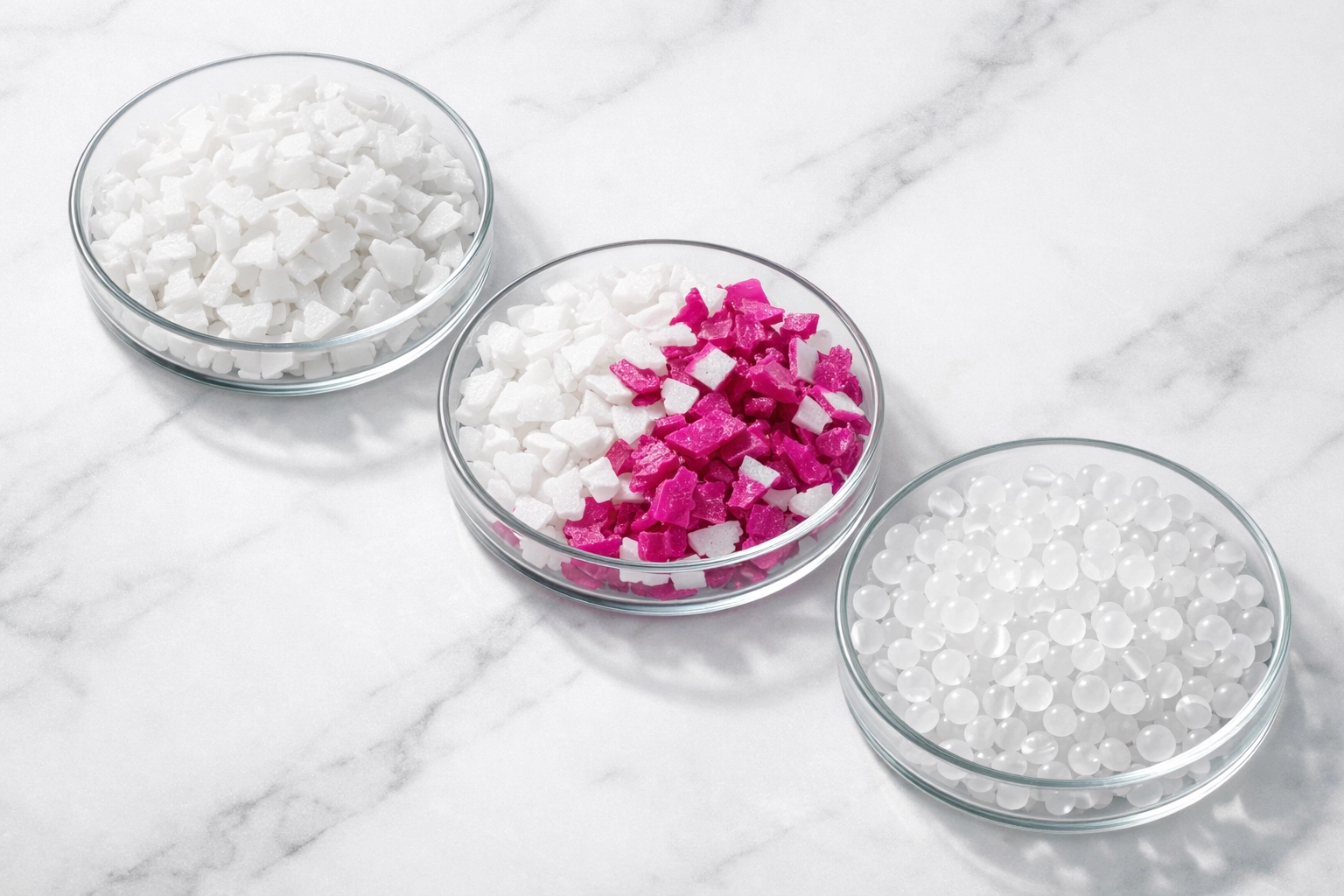
Caption: Identifying plastic types like HDPE and LDPE is the first step toward circularity.
Step 3: The Step-by-Step Audit Process
- The "Tip Out": Empty your bins onto the tarp.
- The Initial Scan: Note any "contamination." Are there food scraps, wood, or metal mixed in with the plastic? Contamination is the enemy of recycling. Record the estimated percentage of contamination.
- The Sort: Separate the plastics into the categories defined above (HDPE, LDPE, PP, and "Other").
- The Weigh-In: Weigh each category separately. Subtract the weight of the bin or container (the tare weight) to get the net weight of the plastic.
- Data Entry: Log these numbers into your template immediately.
Step 4: Your Plastic Waste Audit Template
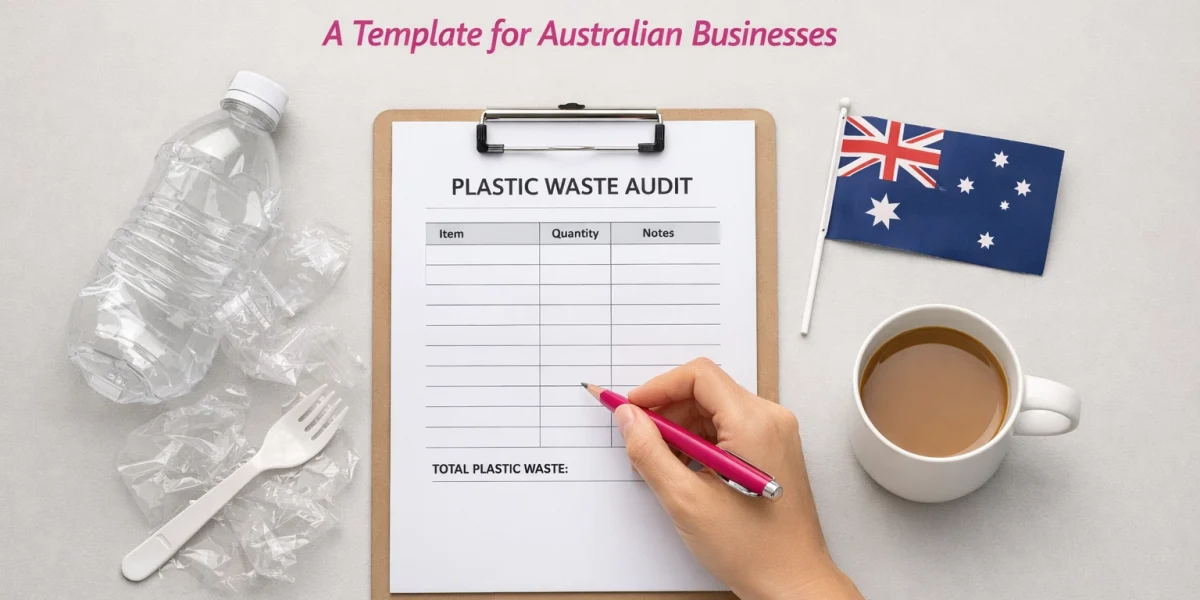
Copy and paste this structure into your internal tracking system. Use this for each department or site you audit.
| Plastic Category | Source (e.g., Warehouse, Kitchen) | Weight (kg) | Volume (Est. %) | Notes (e.g., dirty, branded, mixed) |
|---|---|---|---|---|
| HDPE (Type 2) | ||||
| LDPE (Type 4) | ||||
| PP (Type 5) | ||||
| PET (Type 1) | ||||
| Other / Mixed | ||||
| Contamination | ||||
| TOTALS |
Key Metric to Calculate:
- Recyclability Rate: (Total Weight of HDPE + LDPE + PP) / (Total Weight of All Plastic) x 100.
- Goal: Aim for a recyclability rate of 80% or higher through better sorting at the source.
Step 5: Analyzing Your Results
Once you have the data, it’s time to make it work for you. Look for patterns:
- Is most of your waste LDPE pallet wrap? Consider a dedicated soft-plastic baler to reduce volume and make collection easier.
- Is your HDPE clean? This is a prime candidate for a closed-loop ESG partner program.
- High contamination? This usually signals a need for better staff training or clearer bin signage.
Turning Waste Into Infrastructure
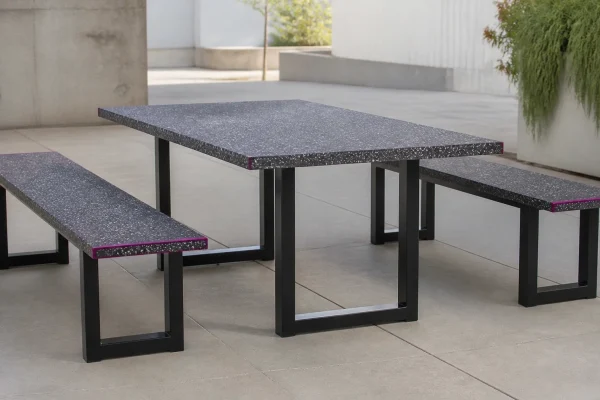
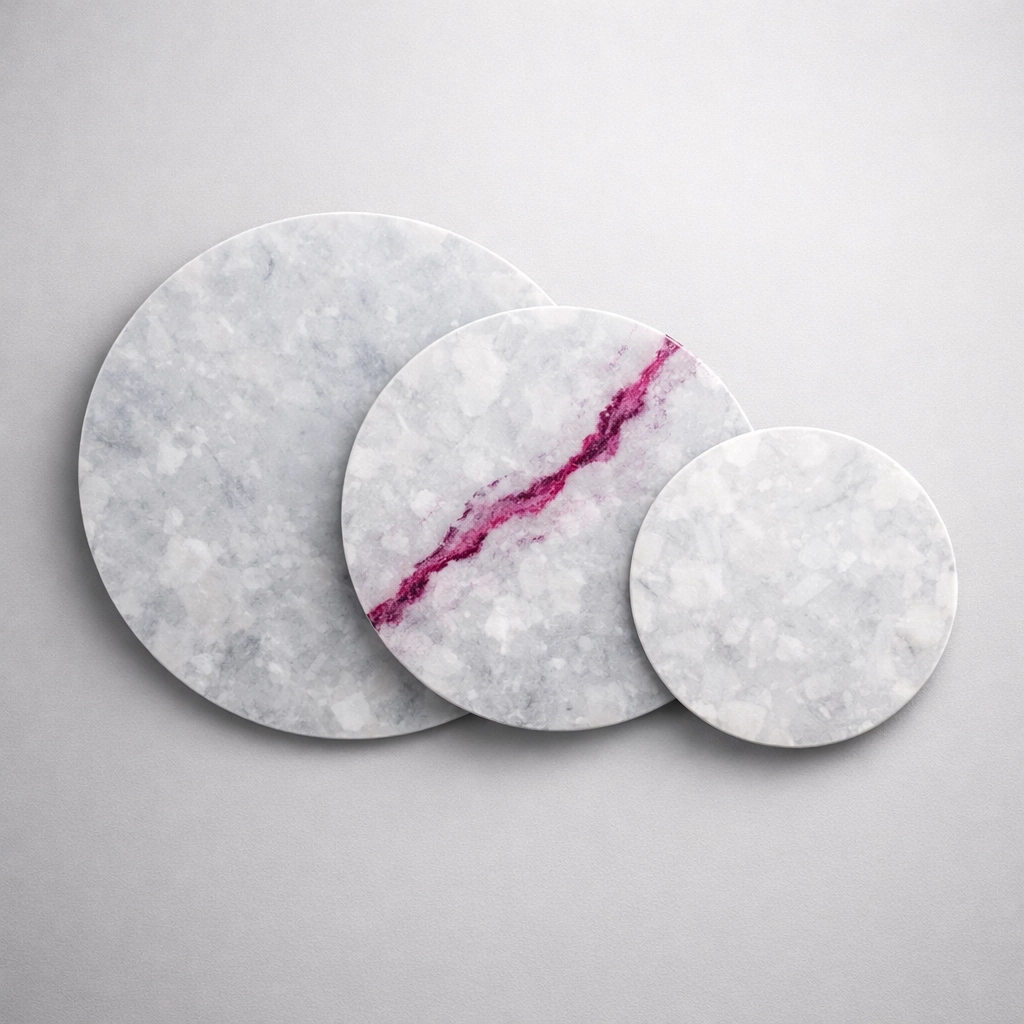
At Resourceful Living, we don’t just talk about waste: we manufacture solutions. We take the HDPE and LDPE identified in audits like yours and transform them into 100% recycled plastic panels.
These panels serve as sustainable construction materials in Australia, replacing traditional timber or virgin plastics in fit-outs, furniture, and industrial applications. By understanding what you are throwing away, you can actually begin to procure that same material back into your business as a finished product. That is the definition of a recycled plastic circular economy.
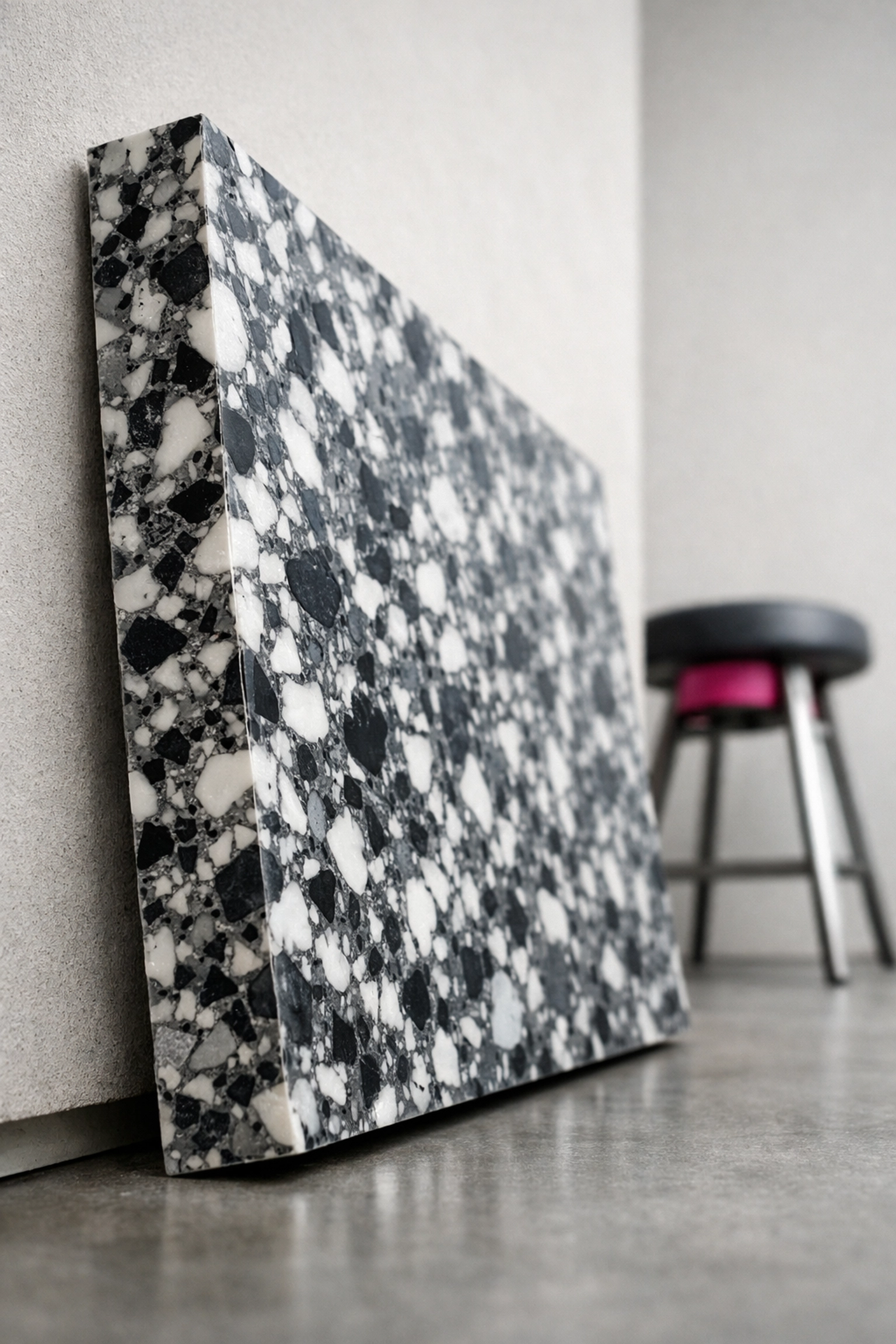
Caption: From waste audit to finished product: Resourceful Living's 100% Australian recycled plastic panels.
The "100% Australian" Advantage
When you conduct an audit and find significant amounts of HDPE or LDPE, partnering with local recycled plastic manufacturers in Australia is vital. Why? Because shipping waste overseas to be "recycled" often results in high carbon emissions and questionable ethical outcomes.
Our process is entirely local. We collect, wash, shred, and press right here in Australia. This means your audit data can directly support Australian jobs and domestic manufacturing sovereign capability. You can learn more about the life cycle environmental impact of our panels here.
Your Action Plan
Now that you have the framework, what’s next?
- Schedule your audit week. Put it in the company calendar.
- Download/Print the template. Ensure your team knows how to use it.
- Perform the audit. Don't be afraid to get your hands dirty.
- Contact a circular partner. Once you know your volumes of HDPE and LDPE, reach out to us. We can help you determine if your waste stream can be diverted from landfill and turned into high-value assets for your next project.
Conducting a plastic waste audit is the single most effective way to stop guessing and start leading. In the modern Australian business landscape, the companies that thrive will be the ones that view their "waste" as a resource waiting to be utilised.
Ready to see what your waste could become? Explore our product categories to see how HDPE and LDPE are being reimagined for the Australian construction and mining industries.