The construction industry in Australia is hitting a massive turning point. As of April 2026, the conversation has shifted from “How much does it cost?” to “How much carbon does it save?” For builders, developers, and project managers, understanding how to navigate the world of carbon credits and embodied carbon reporting is no longer a niche skill: it is a survival requirement for winning tenders.
At Resourceful Living, we’ve seen firsthand how the shift toward circular construction is changing the way materials are specified. If you are looking to lower your project’s carbon footprint and potentially claim credits for your sustainability efforts, you need to know exactly how your material choices impact your final reporting.
This guide breaks down the technicalities of carbon credits, embodied carbon, and how our 100% recycled plastic panels can become your most powerful tool in 2026 compliance.
🏗️ The 2026 Shift: Why Embodied Carbon is the New Priority
For years, the focus was on operational carbon: how much energy a building uses once it’s finished. But in 2026, the industry has pivoted to embodied carbon. This refers to the emissions generated during the extraction, manufacture, transport, and installation of building materials.
Government mandates and updated NABERS standards now require detailed reporting on these “upfront” emissions. If you aren’t tracking this data, you’re likely missing out on points for Green Star ratings or failing to meet the strict requirements of local council tenders.
“The materials you choose today determine the carbon liability of the building for the next 50 years. Using recycled materials isn’t just about ‘being green’; it’s about reducing the carbon debt of the structure from day one.” : Industry Insight.
Understanding why embodied carbon reporting matters is the first step toward reclaiming value through carbon credits.
💰 How Carbon Credits Actually Work for Builders
There is often confusion around “claiming” carbon credits. In a construction context, this usually happens in two ways:
- Carbon Offsetting: Purchasing credits to cancel out the emissions you couldn’t avoid.
- Carbon Credits through Material Innovation: Generating value by using materials that have a significantly lower carbon intensity than the industry standard (like replacing virgin plastic or timber with 100% recycled panels).
By choosing Resourceful Living panels, you are effectively lowering the “baseline” of your project’s emissions. When your project emits less than the industry average, you create a “saving” that can be used to meet sustainability targets or, in some specific high-scale commercial frameworks, be registered as part of a carbon reduction project.
The Concept of “Additionality”
To claim credits or high-tier ratings, you must prove additionality. This means showing that the carbon reduction occurred specifically because you chose a sustainable alternative (like our panels) rather than a high-emission standard material.
Our panels are made from 100% Australian post-consumer waste, meaning every square metre of material you install represents a direct diversion of waste from landfill and a reduction in the need for virgin raw material extraction.
📝 Step-by-Step: How to Claim Your “Sustainability Wins”
If you’re a builder looking to turn your material choices into documented carbon wins, follow this process:
1. Establish Your Baseline
Before you start the build, use a tool like EPIC (Embodied Project Inventory of Carbon) or Climate Active calculators to determine what the carbon footprint would be using traditional materials. Check out our 3-minute guide for busy builders for a quick refresher on these metrics.
2. Specify Low-Carbon Materials early
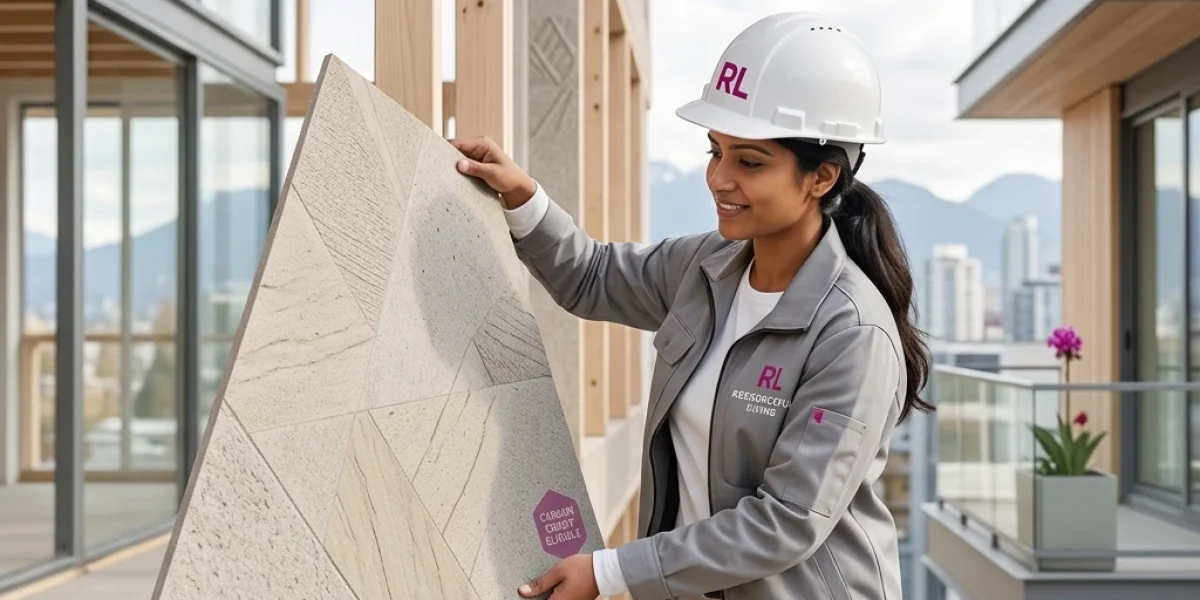
Specify Resourceful Living recycled plastic sheets for applications where you would typically use marine plywood, MDF, or even certain concrete elements. Because our sheets are rot-proof, UV-stable, and chemical-resistant, they often outlast traditional materials, further reducing the “replacement carbon” over the building’s lifecycle.
3. Request Traceability Data
You can’t claim what you can’t prove. At Resourceful Living, we provide traceability data for our Australian-sourced plastic. Knowing exactly where your waste came from and how it was processed is essential for your embodied carbon reporting.
4. Leverage “End-of-Life” Credits
Part of the 2026 reporting framework includes what happens to materials when the building is eventually decommissioned. We offer a take-back program, meaning our panels are 100% recyclable. This “closed-loop” factor adds significant weight to your circular construction claims.
🔄 Recycled Plastic vs. Traditional Materials: The Emission Gap
To understand how much you’re “saving” (and thus how many “credits” or points you’re earning), you need to compare the carbon intensity.
| Material | Carbon Impact | Circularity |
|---|---|---|
| Virgin Timber | Medium (due to logging/transport) | Low (often ends in landfill) |
| Concrete/Steel | Extremely High | Low (energy-intensive recycling) |
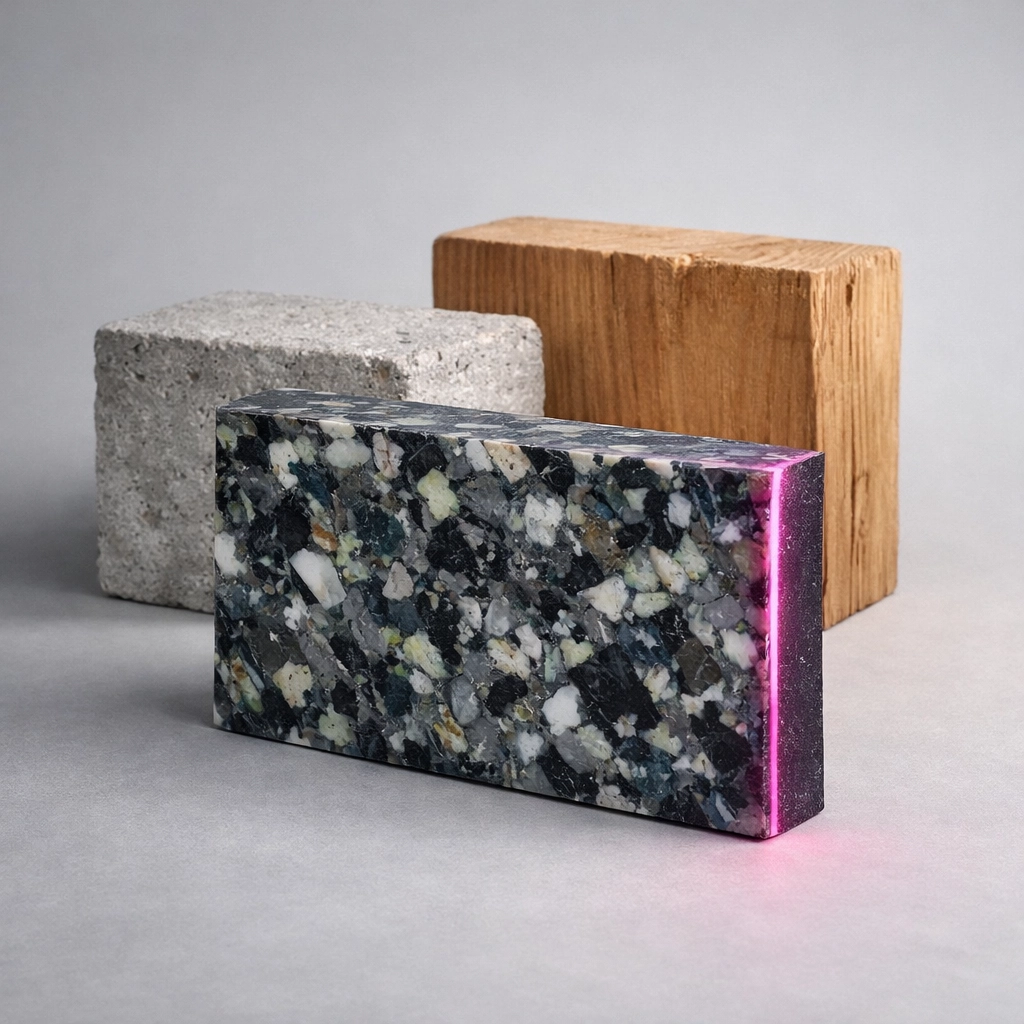
| Resourceful Living Panels | Very Low (recycled waste) | High (fully recyclable via take-back) |
When you replace high-emission materials with recycled plastic, the gap between the two is your carbon saving. For projects aiming for Net Zero, this gap is what allows you to reach your goal without spending a fortune on external carbon offsets.
🛠️ Practical Applications for Resourceful Living Panels
Where can you actually use these panels to trigger these carbon benefits?
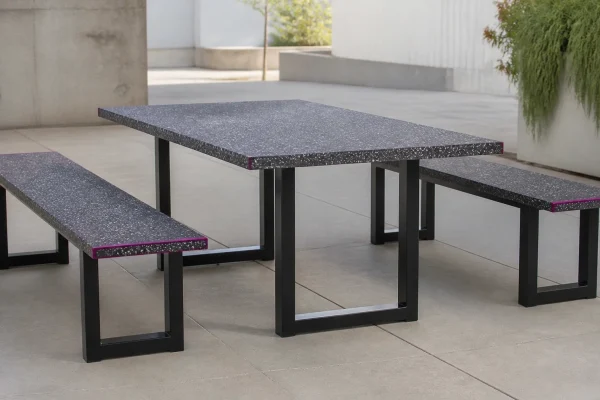
- Commercial Fit-outs: Use them for cabinetry, wall linings, and workstations.
- Wet Area Infrastructure: Unlike timber, these won’t rot, making them perfect for amenities blocks and park infrastructure. Compare the two in our timber vs. recycled plastic guide.
- Formwork & Site Hoarding: Replace single-use plywood with durable, reusable recycled plastic sheets.
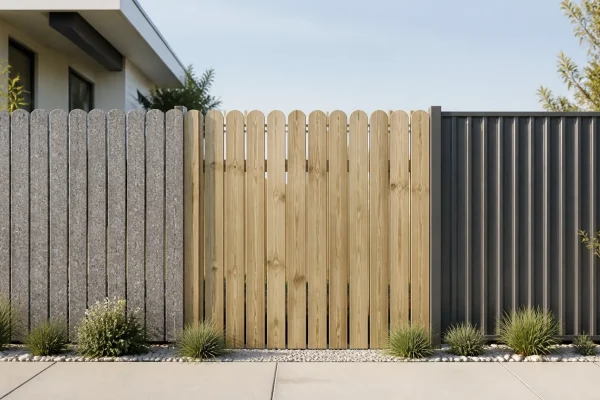
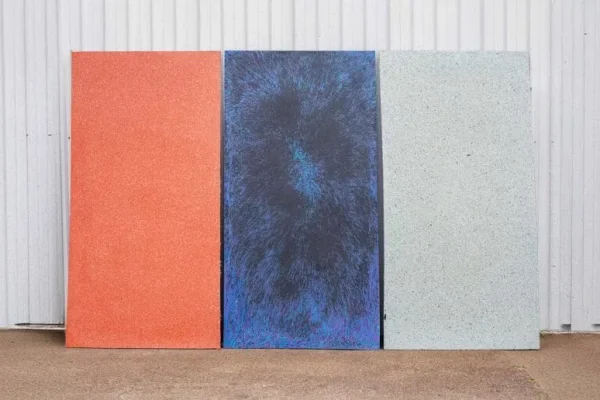
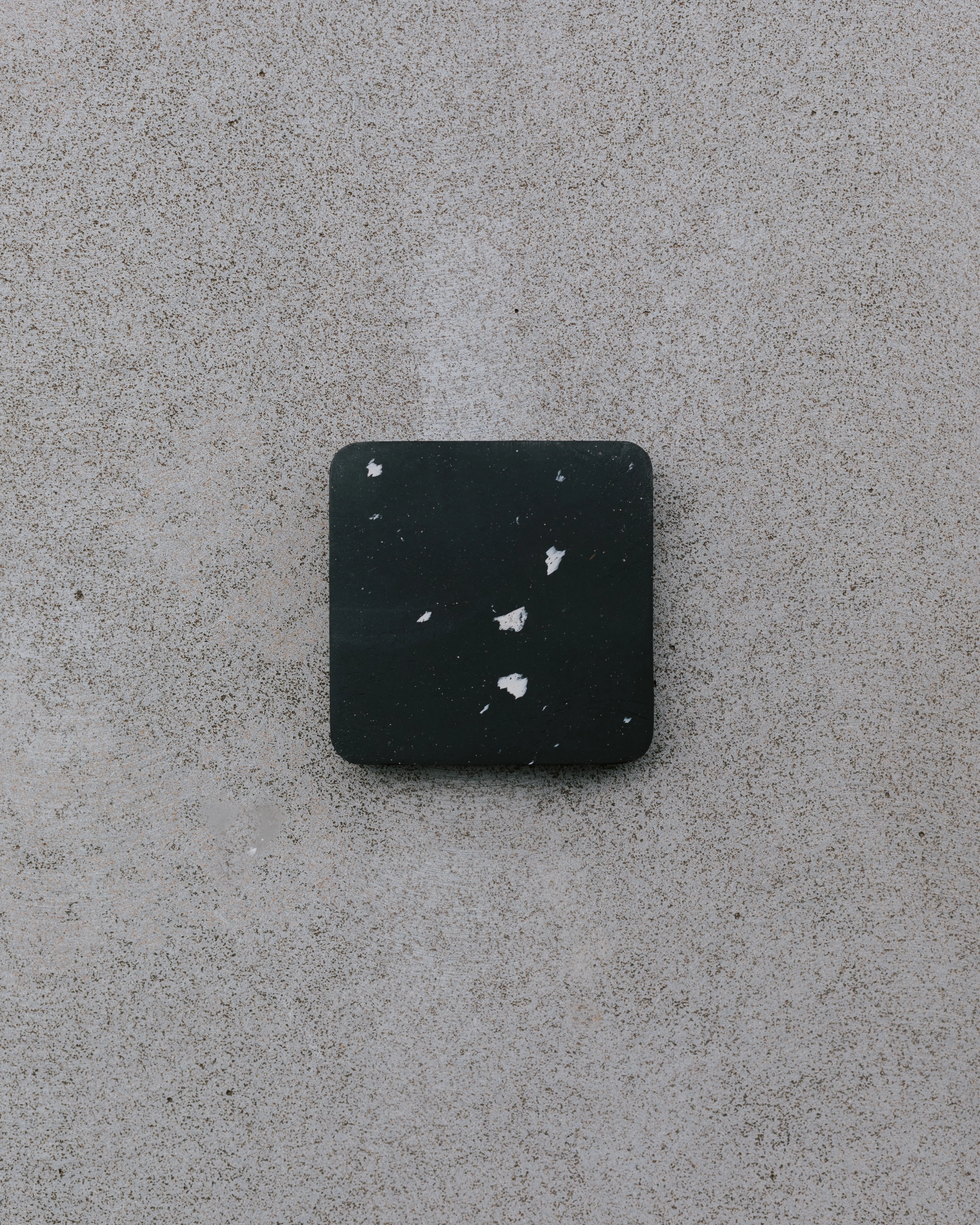
- Retail Displays: Create stunning, silica-free surfaces that tell a sustainability story.
🎯 Winning Tenders with Circular Construction Data
In 2026, the builder with the lowest price isn’t always the winner. The builder with the best data often is.
Government and Tier-1 developers are now scoring tenders based on Circular Procurement. By integrating Resourceful Living into your supply chain, you aren’t just buying a board; you are buying a compliance solution.
To ensure you don’t make common mistakes during this process, read our article on 7 mistakes you’re making in circular construction.
The “Take-Back” Advantage
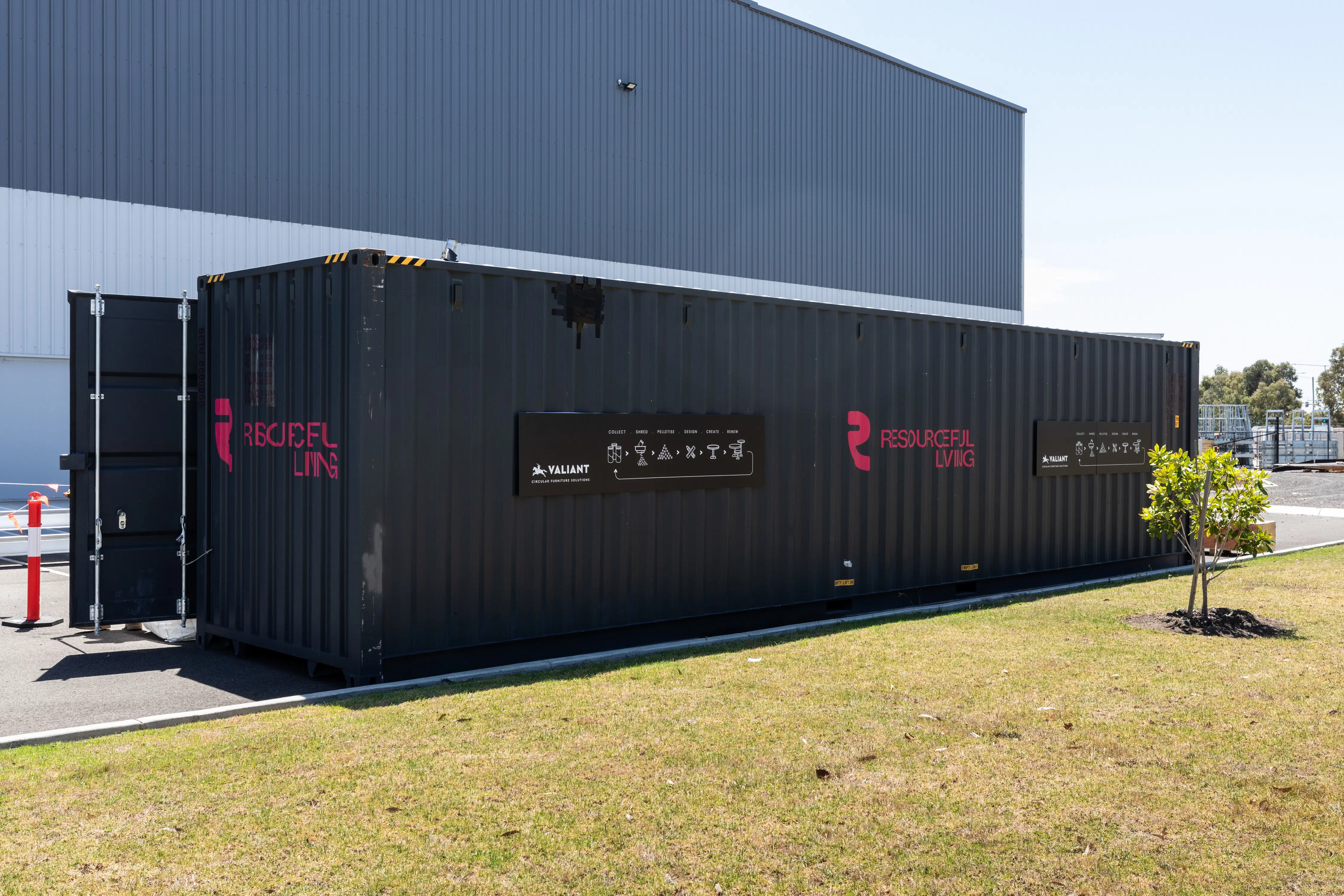
One of the hardest parts of carbon reporting is the “End of Life” stage. Most building materials are destined for the tip. However, because we manufacture locally in Australia, we can take our panels back at the end of their life to be re-ground and turned into new panels. This cradle-to-cradle approach is the “gold standard” for carbon credit frameworks.
✅ Your 2026 Sustainability Checklist
Before your next project kicks off, make sure you’ve ticked these boxes to maximise your carbon claims:
- Identify high-carbon hotspots: Look for where timber, concrete, or virgin plastics can be replaced.
- Verify local supply: Minimise “Scope 3” transport emissions by using Australian-made materials.
- Request EPDs or Material Data: Ensure your supplier can provide the numbers your sustainability consultant needs.
- Plan for the end: Confirm there is a genuine recycling pathway for the material (not just a “theoretical” one).
📞 Ready to Lower Your Project’s Carbon Debt?
Claiming carbon credits and meeting 2026 sustainability targets doesn’t have to be a bureaucratic nightmare. It starts with making smarter material choices that the data: and the planet: will back up.
Resourceful Living is here to help you navigate the technical side of recycled material procurement. Whether you need specific weight-bearing data, UV-resistance ratings, or carbon traceability reports for your next tender, we’ve got you covered.
Want to discuss the specs for your next project?
Reach out to Jess Hodge in our sales team. Jess knows exactly how to align our material capabilities with your project’s sustainability requirements.
Click here to contact Jess and get a quote for your next sustainable build.