Choosing the right materials for a commercial or residential project in Australia has shifted from a "nice-to-have" sustainability box-ticking exercise to a core procurement requirement. With the 2026 push toward mandatory embodied carbon reporting and the tightening of the National Construction Code (NCC) standards, builders and designers are under pressure to select materials that don't just look good but perform across a 50-year lifecycle.
The challenge? Not all "sustainable" materials are built the same. While timber, concrete, virgin plastic, and recycled plastic are all touted as solutions, they each carry a vastly different carbon debt and maintenance profile.
This guide breaks down the data so you can make an informed decision for your next project, focusing on durability, embodied carbon, and the often-overlooked "Take-Back" capability.
1. Embodied Carbon: The 2026 Benchmark
In 2026, the industry is no longer just looking at operational energy (how much power a building uses). We’re looking at embodied carbon: the emissions generated during the extraction, manufacture, and transport of the materials themselves.
- Timber: Generally considered low-carbon, provided it’s responsibly sourced. It acts as a carbon sink, but the emissions from kiln-drying and chemical treatments can add up.
- Concrete: The heavy hitter. Conventional concrete is responsible for roughly 8% of global CO2 emissions. Even with recycled aggregates, the cement component remains a high-emission necessity for structural cores.
- Virgin Plastic: Derived from petrochemicals, virgin plastic has a high carbon footprint and high energy intensity during production. It represents a linear "take-make-waste" model that modern Australian tenders are actively moving away from.
- Recycled Plastic (The Resourceful Living Standard): By using 100% Australian post-consumer waste, we bypass the entire extraction and refining phase of the plastic lifecycle. Manufacturing 1 tonne of recycled plastic per day at our facility significantly reduces the upfront carbon compared to both virgin plastic and traditional concrete.
"The most sustainable material is the one that has already been created. By keeping Australian plastic out of landfill and repurposing it into 100% recycled panels, we’re essentially 'locking in' that carbon for another lifecycle." : Jess Hodge, Company Owner.
2. Durability and Maintenance in the Australian Climate
Australia’s UV levels and humidity are notorious for degrading building materials. When comparing these four, the long-term maintenance costs often outweigh the initial purchase price.
Timber vs. Recycled Plastic
Timber is a classic choice, but in Australian external or high-moisture environments, it requires a rigorous maintenance programme. You’re looking at sanding, staining, or painting every 2–3 years to prevent rot, warping, and termite damage.
Recycled plastic panels, specifically those manufactured by Resourceful Living, are solid blocks of 100% recycled plastic. Because there are no additives, veneers, or organic fibres (unlike some composite products), they are:
- 100% Waterproof: Ideal for wet area renovations, kitchen carcasses, and bathroom linings.
- Termite Proof: Plastic offers zero nutritional value to pests.
- UV Resistant: Tested for the harsh Australian sun, ensuring structural integrity doesn't fail over time.
Concrete and Virgin Plastic
While concrete is incredibly durable, it is prone to carbonation and cracking over decades, which can lead to expensive structural repairs. Virgin plastic shares the durability of recycled plastic but fails on the sustainability metric, making it a "durable but dirty" choice in the modern market.

3. The "Recycled" Trap: Why 100% Matters
One of the biggest mistakes designers make is specifying "recycled" materials without checking the fine print. Many products on the Australian market are actually composites: they might contain 30% recycled plastic mixed with 70% virgin resin, or even worse, wood fibres and glues that make the end product unrecyclable.
At Resourceful Living, our panels are 100% recycled and 100% recyclable. We use no additives. We use no veneers. This means when you spec our 2400mm x 1200mm panels, you are getting a material that is consistent in its environmental claim from the surface to the core.
4. Circularity: The Power of the "Take-Back" Programme
The ultimate test of a sustainable material is what happens at its end of life.
- Concrete: Usually ends up as crushed road base (down-cycling).
- Timber: Often ends up in landfill if treated with chemicals, or burnt for energy.
- Virgin Plastic: Frequently enters the waste stream with no clear recovery path.
- Resourceful Living Products: We offer a guaranteed take-back program. We collect our products at the end of their life: free of charge: and bring them back to our facility to be shredded and remanufactured into new sheets. This is the circular economy in action.

5. Quick Comparison Table: Sustainable Materials Australia
| Feature | Timber (Treated) | Conventional Concrete | Virgin Plastic | Resourceful Living (Recycled) |
|---|---|---|---|---|
| Embodied Carbon | Low-Moderate | High | High | Very Low |
| Maintenance | High (Regular Sanding/Staining) | Low | Low | Zero |
| Water Resistance | Low (Susceptible to Rot) | High | High | 100% Waterproof |
| End of Life | Landfill / Incineration | Down-cycled (Road base) | Landfill | 100% Recyclable (Take-Back) |
| Local Sourcing | Variable | Usually Local | Mostly Imported | 100% Australian Waste |
6. Applications: Where to Spec Recycled Plastic in 2026
Given the durability and aesthetic versatility of our materials, they are increasingly replacing traditional materials in several key sectors (excluding flooring):
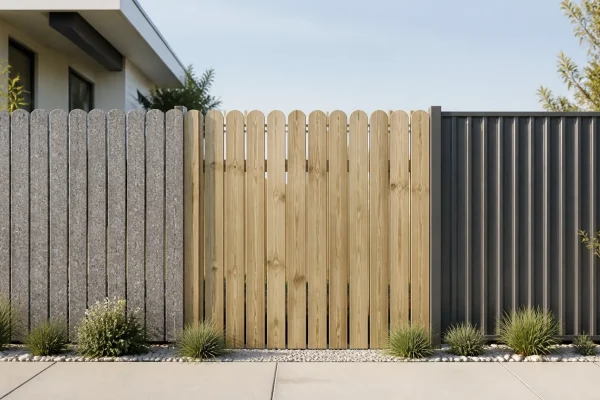
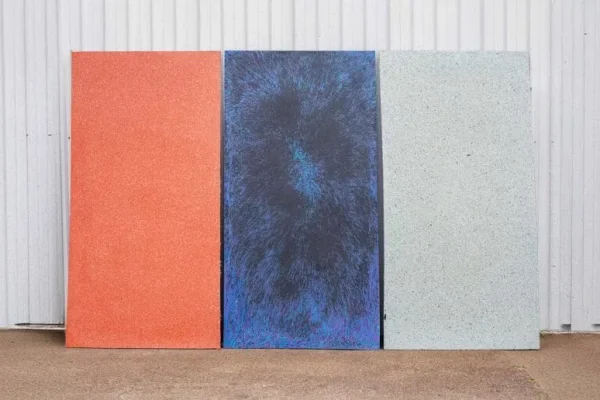
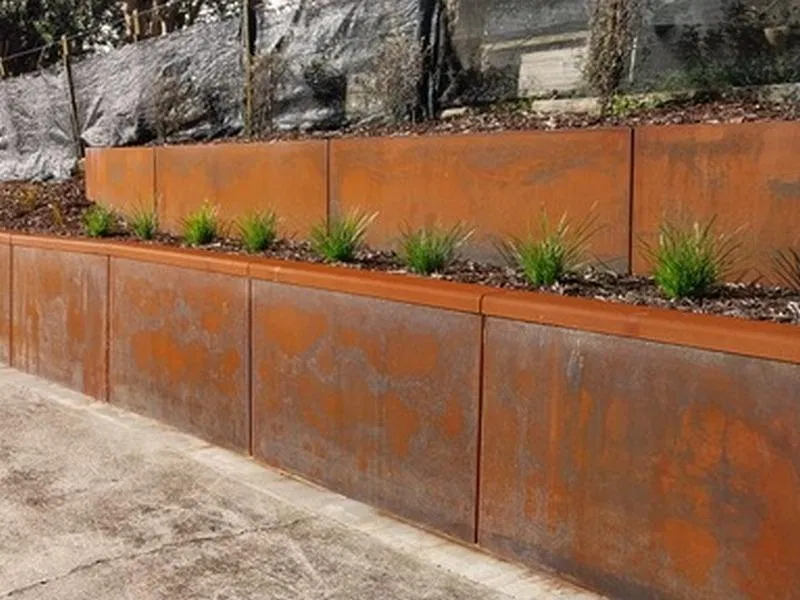
- Construction & Site Works: Erosion control, noise barriers, and hoardings. Our rust-effect panels offer the look of weathering steel with the weight and cost benefits of plastic.
- Retail & Commercial Fit-outs: Shopfitting, shelving, and heavy-duty storage.
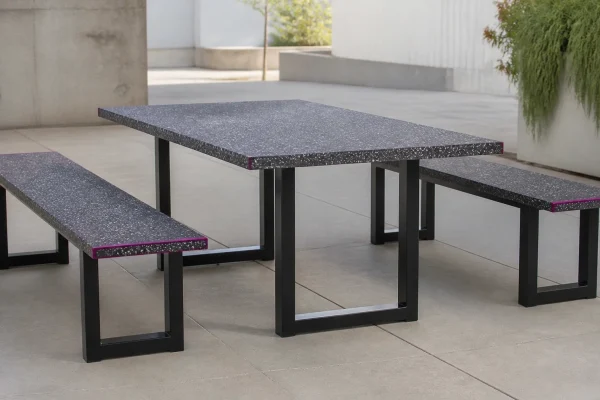
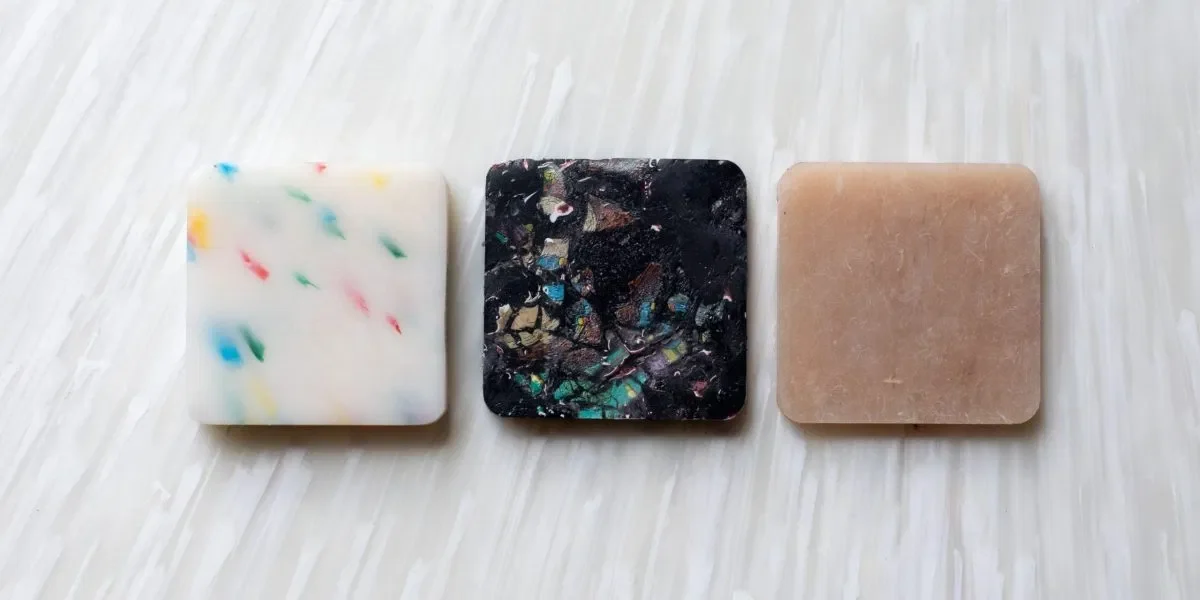
- Bespoke Furniture: Custom tables and workstations that tell a brand's sustainability story through their unique "confetti" or "marble" fleck.
- Kitchen & Bathroom Renovations: Using 100% recycled sheets for cabinetry carcasses to eliminate moisture issues forever.
How to Make the Switch
If you're looking to hit sustainability targets or reduce the long-term maintenance liability of your next project, here’s your implementation checklist:
- Check the Percentage: Ensure the material is 100% recycled. Avoid composites that contain hidden "virgin" resins or non-recyclable binders.
- Verify the Source: Support the local environment by choosing 100% Australian plastic waste. This also drastically reduces transport-related carbon.
- Confirm the Take-Back: Ask your supplier if they have a formal, documented process for collecting the material at the end of its life.
- Test for Durability: Request data on weather resistance and strength. Our materials are tested to ensure they handle the 1 tonne per day manufacturing pressure and the 50-year maintenance-free promise.

The Bottom Line
In the battle for the best sustainable building material in Australia, Resourceful Living's 100% recycled plastic offers a unique combination of low embodied carbon, extreme durability, and a genuine closed-loop system. Whether you are a builder looking to meet NCC 2025 durability standards or a designer aiming for Green Star material traceability, the choice is clear.
Stop managing decay and start building for the future.