Choosing the right material for a commercial fit-out, public infrastructure project, or high-end residential renovation in 2026 isn't just about aesthetics anymore. With embodied carbon reporting becoming mandatory for many Australian tenders, specifiers are looking for materials that tick three boxes: durability, design flexibility, and circularity.
Recycled plastic sheets: specifically 100% recycled HDPE (High-Density Polyethylene): have moved from niche "eco-projects" to a primary choice for architects and builders. But how do they stack up against traditional heavyweights like plywood, Corian, or concrete?
In this guide, we’ll compare the performance metrics, costs, and environmental impacts of Resourceful Living's Australian-made recycled panels against common industry alternatives to help you make an informed decision for your next project.
The Core Criteria: What Defines a "Best" Material?
When comparing materials for the built environment, we look at five critical metrics:
- Durability & Impact Resistance: Can it survive high-traffic commercial environments?
- Maintenance Costs: Does it require annual sanding, sealing, or painting?
- Direct Material Cost ($ per m²): How does the upfront investment look?
- Circularity & Carbon: Is it truly 100% recycled, or just "recyclable"?
- Aesthetics & Finish: Does it offer the high-end look required for modern retail and residential spaces?
1. Recycled Plastic vs. Plywood and Timber
Plywood is the industry standard for joinery and temporary structures because it's cheap and accessible. However, in 2026, the maintenance gap between timber and recycled plastic has widened.
- Durability: Plywood is susceptible to moisture, rot, and termites. Even marine-grade ply eventually delaminates if the edges aren't sealed perfectly. Our 100% recycled HDPE is completely waterproof and chemically inert. It won't rot, swell, or support mould growth, making it the superior choice for coastal or high-moisture areas.
- Maintenance: Timber requires regular staining or oiling. Recycled plastic is "set and forget." The colour is solid throughout the block, so scratches don't reveal a different material underneath.
- Sustainability: While timber is renewable, much of the plywood used in Australia is imported with a high transport carbon footprint. Resourceful Living panels use 100% Australian plastic waste, directly reducing local landfill.
"In coastal or termite-prone regions, recycled HDPE offers superior durability and minimal maintenance for decking, boardwalks, and landscaping compared to traditional timber." : Industry Insight 2026

2. Recycled Plastic vs. Corian and Solid Surfaces
Solid surfaces like Corian are often specified for high-end benchtops and retail counters due to their seamless finish.
- Cost: Corian is a premium product, often costing between $300 and $600 per m² for material alone. Resourceful Living recycled plastic sheets offer a similar "solid" feel and aesthetic at a more competitive price point (typically $150–$300 per m²).
- Repairability: Both materials are repairable. However, HDPE is more impact-resistant. While Corian can crack if a heavy object is dropped on it, HDPE tends to absorb the impact.
- End-of-Life: Most acrylic-based solid surfaces end up in landfill. We offer a take-back program, where we collect our products at the end of their life to remanufacture them back into new panels. This is the definition of circular construction.
3. Recycled Plastic vs. Concrete
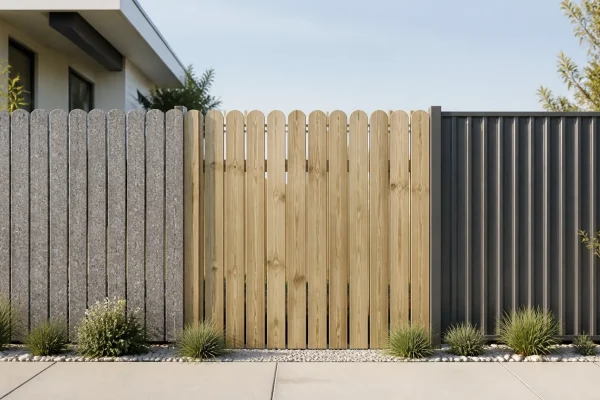
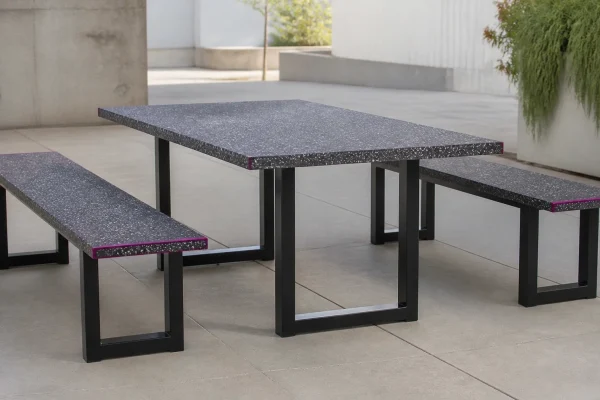
For site hoarding, noise barriers, and public furniture, concrete has long been the default for its "permanence."
- Weight: Concrete is incredibly heavy, requiring heavy machinery for installation. A standard 2400mm x 1200mm x 20mm recycled plastic sheet is manageable by two people, significantly reducing onsite labour costs.
- Cracking & Repair: Concrete is brittle. Soil movement or thermal expansion leads to cracking, which requires specialist patching. Our HDPE panels are flexible enough to move with the environment without losing structural integrity.
- Carbon Footprint: Concrete is one of the highest emitters of CO2. Switching to recycled plastic panels helps projects meet embodied carbon reporting targets.

At-a-Glance Comparison Table (2026 Data)
| Metric | Resourceful Living HDPE | Plywood (Decorative) | Corian / Solid Surface | Concrete (Polished) |
|---|---|---|---|---|
| Material Cost ($/m²) | $150 – $300 | $40 – $80 | $300 – $600 | $80 – $150 |
| Durability | Very High | Low-Medium | High | High (but brittle) |
| Water Resistance | 100% Waterproof | Poor | 100% Waterproof | Moderate (needs sealing) |
| Maintenance | Zero | High (Sanding/Oiling) | Low-Medium | Medium (Resealing) |
| Recycled Content | 100% Australian | 0 – 10% | Low | Low |
| Take-back Program | Yes | No | No | No |
Why Specifiers are Choosing Resourceful Living
Choosing the "best" sheet isn't just about the material properties; it's about the reliability of the supply chain. Here is why we are the preferred partner for Australian builders:
- Traceability is King: We manage the end-to-end cycle. We know exactly where our plastic comes from, which is vital for your sustainability audits.
- Speed to Market: We manufacture 1 tonne of plastic per day. While imported materials face shipping delays, we manufacture seven days a week right here in Australia.
- Standard & Custom Sizes: Our standard sheets are 2400mm x 1200mm, with thicknesses ranging from 3mm to 40mm. Need a custom size? We do that too.
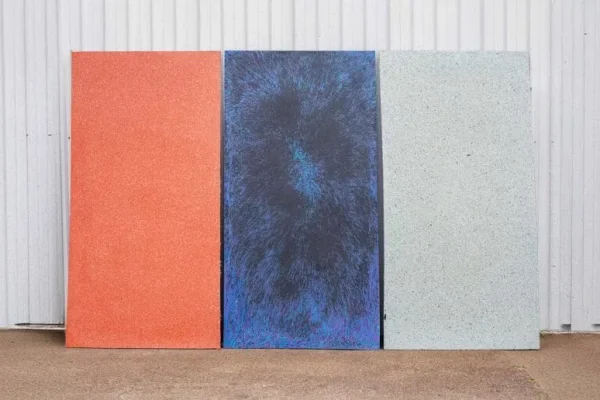
- Colour Versatility: We offer 6 core colours readily available, with the ability to create bespoke colourways to match your brand's palette.
Common Specifier Mistakes to Avoid
Before you lock in your choice, ensure you aren't falling into common traps. Many "recycled" products on the market are actually composites containing glues or resins that make them impossible to recycle again. Always ask for a 100% mono-material guarantee. You can read more about avoiding sustainable material mistakes here.

Conclusion: Making the Final Call
If your priority is the absolute lowest upfront cost and the project is indoors and temporary, plywood is hard to beat. However, if you are looking for a long-term asset strategy, wanting to reduce maintenance budgets, or needing to hit strict environmental targets, Resourceful Living 100% recycled plastic sheets are the logical choice.
They offer the aesthetic appeal of premium solid surfaces with the rugged durability of high-tech polymers: all while cleaning up Australian plastic waste.
Ready to spec recycled plastic for your next project?
Check out our 2026 Price Guide or contact our team for a sample pack to feel the quality for yourself.