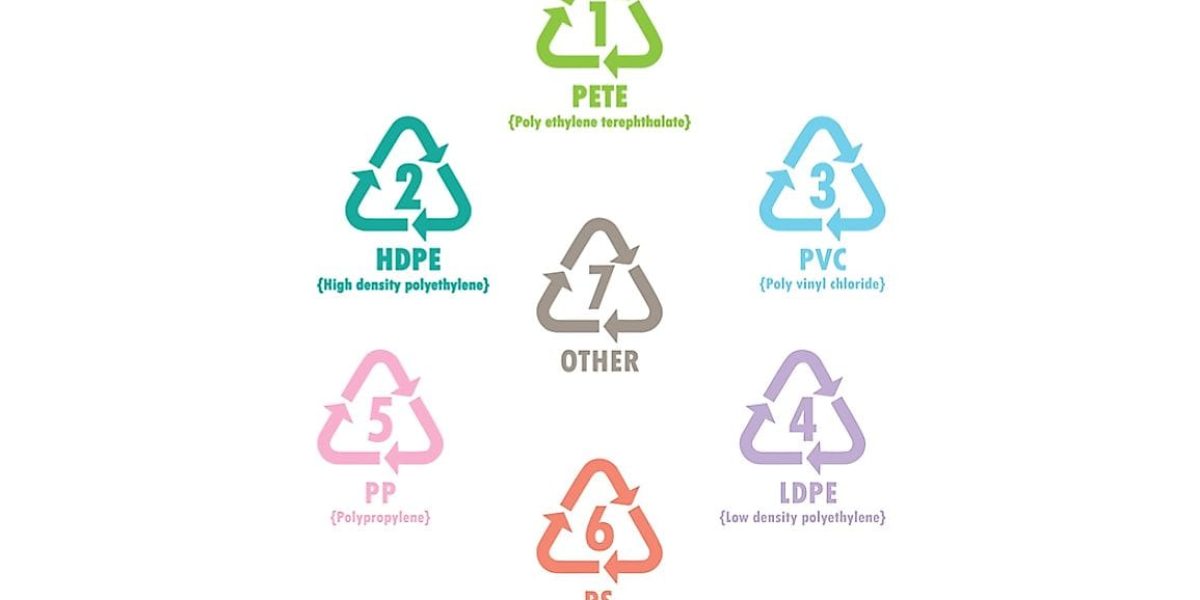
Did you know that there are 7 different plastic types? They are all used to make different items in our surroundings. Let us break it down so you can gather a better understanding of what each one is and their purposes.
- PETE: Polyethene Terephthalate
The most common plastic used for consumer products. PETE is used for soft drink bottles, fruit juice containers, water bottles carry home containers.
- HDPE: High Density Polyethene
Our favourite, the plastic that Resourceful Living is currently based around. The most dense and recyclable plastic of all. You will find that all your shampoo and conditioner bottles, cleaning products bottles, laundry detergent bottles and even the plastic clips that are used of loafs of bread are all HDPE.
- PVC: Polyvinyl Chloride
It has been around the longest of all plastic, it is natural white and brital. Items such as trays for sweets and fruit, pipes and fittings, data wiring and waste systems all use PVC.
- LDPE: Low Density Polyethene
The opposite of HDPE, soft, lightweight, and flexible used in single use grocery bags, plastic film and wire insulation.
- PP: Polypropylene
A thermoplastic additional polymer usually found in yoghurt containers, luggage, furniture, and winter clothing insulation.
- PS: Polystyrene
Styrofoam used for a variety of things such as cups, plates, take out containers and supermarket meat trays.
- Other: other plastic including acrylic, polycarbonate, polylactic fibres, nylon, fiberglass
Any plastic item not made from the 6 existing plastic is lumped together as plastic #7. Water cooler bottles, baby bottles and car parts are all made from this combination.
Now you know the difference between the seven types, acknowledge what number things in your own home are made of, you will generally find this on the bottom of the product. Help us educate others about the importance of plastic and what they are used for.