In the competitive landscape of Australian hospitality, "sustainability" has often been relegated to a buzzword on a napkin or a recycled paper straw that disintegrates halfway through a latte. But for the modern cafe owner, the stakes have changed. Gen Z and Millennial consumers, who now command the lion's share of discretionary spending, are no longer satisfied with empty promises. They want a tangible story.
They want to know that the table they’re sitting at didn't just "come from a shop": they want to know it used to be a milk bottle.
At Resourceful Living, we’ve seen a massive shift in how venues approach their fit-outs. It’s no longer just about aesthetics; it’s about provenance, circularity, and marketing ROI. By swapping traditional timber or laminate for 100% recycled Australian plastic, you aren't just buying furniture; you're investing in a brand narrative that drives foot traffic.
The Gen Z Factor: Why Your Tables are a Marketing Tool
Research consistently shows that over 90% of Gen Z consumers want to buy from sustainable companies, and many are willing to pay a premium for it. For a cafe, this means your furniture is no longer a "backstage" expense: it's a front-facing marketing asset.
When a customer sits down and sees a small plaque or a QR code explaining that their table is made from 700 recycled Australian milk bottles, you’ve done more than provide a surface for their coffee. You’ve given them something to talk about, something to photograph, and a reason to choose you over the franchise next door.
"Authenticity is the new currency in hospitality. Customers can spot 'greenwashing' a mile away. When you can point to a table and say it was manufactured 100% from local waste right here in Australia, that's a story that sticks." : Jess Hodge, Resourceful Living
The Business Case for Recycled Plastic
- ✅ Brand Loyalty: 47% of consumers have abandoned brands that don't align with their environmental values.
- ✅ Social Proof: Unique, marbled recycled textures are "Instagrammable," encouraging user-generated content (UGC).
- ✅ Transparency: Our materials are 100% traceable, helping you meet your internal ESG targets or certification requirements.

From Post-Consumer Waste to Premium Design
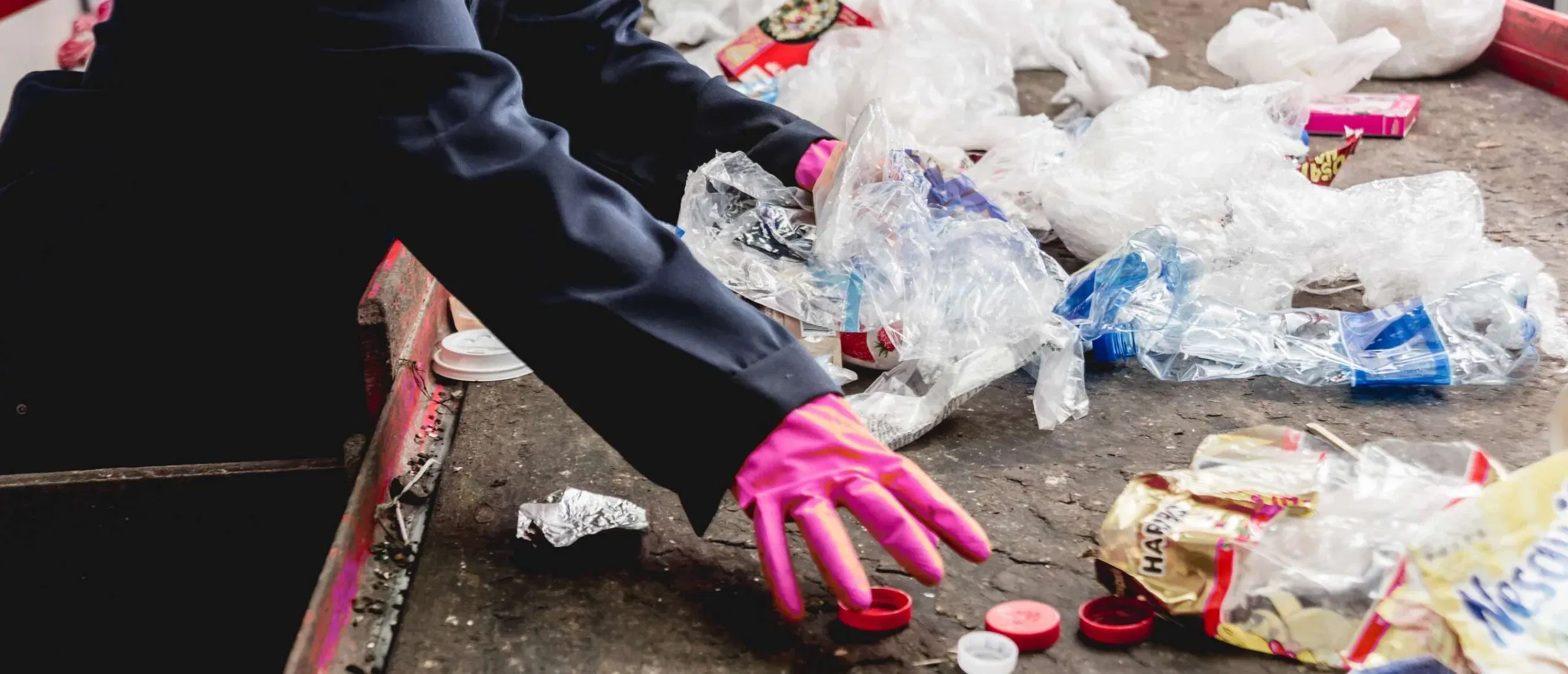
The journey of our materials starts at the source. We use 100% Australian post-consumer plastic, specifically HDPE (High-Density Polyethylene). This is the same plastic used for milk bottles, detergent containers, and bottle caps.
Unlike imported materials, our panels are manufactured seven days a week in our Australian facility. This allows us to manage the end-to-end cycle, ensuring that every tabletop is a solid block of recycled material with no additives, no veneers, and no hidden nasties.
Performance: Why Recycled Plastic Beats Timber
While the "story" gets them through the door, the durability keeps your overheads low. Most cafe owners are tired of the constant maintenance cycle required by timber. If you've spent your Monday nights oiling and sanding table tops, you know the pain.
| Feature | 100% Recycled Plastic | Traditional Timber |
|---|---|---|
| Maintenance | Zero (Wipe and forget) | High (Sanding/Oiling) |
| Water Resistance | 100% Waterproof | Swells/Rots over time |
| Chemical Resistance | High (Commercial cleaners) | Low (Stains easily) |
| End-of-Life | 100% Recyclable via Take-Back | Landfill or incineration |
| Carbon Footprint | Low (Australian sourced/made) | Variable (Often imported) |
For a deeper dive into the technical data, check out our Recycled Plastic vs. Timber Durability Comparison.
Closing the Loop: The Take-Back Program
The ultimate proof of an authentic sustainability story is circularity. Most "sustainable" furniture eventually ends up in a skip bin at the end of a renovation. Resourceful Living changes that dynamic with our Product Stewardship / Take-Back Program.
When you decide to refresh your cafe’s look in five or ten years, we don't want our products to go to landfill. We will collect our products free of charge at their end of life and bring them back to our facility to be shredded and remanufactured into new products. This is a true closed-loop system.
By choosing this path, you are participating in a Circular Construction Pivot that is becoming the new standard for Australian businesses.

How to Implement Your "Green" Story
Ready to turn your cafe into a sustainability showcase? Here is your 4-step implementation guide:
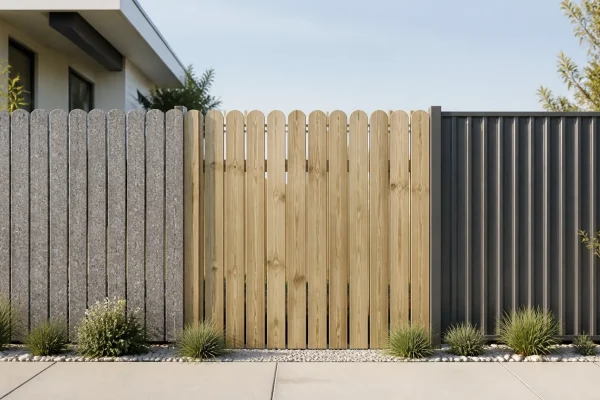
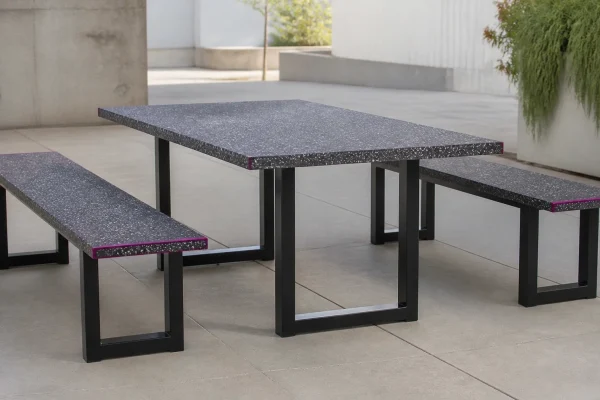
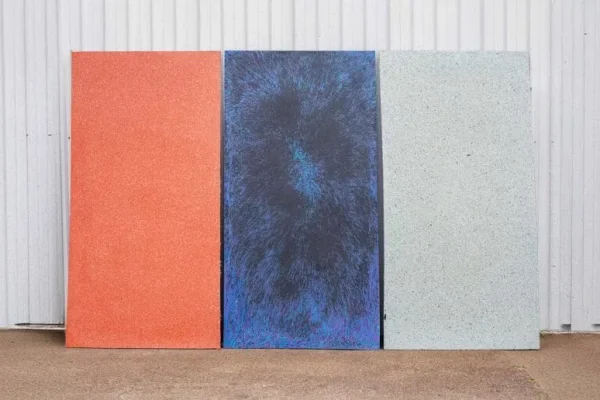
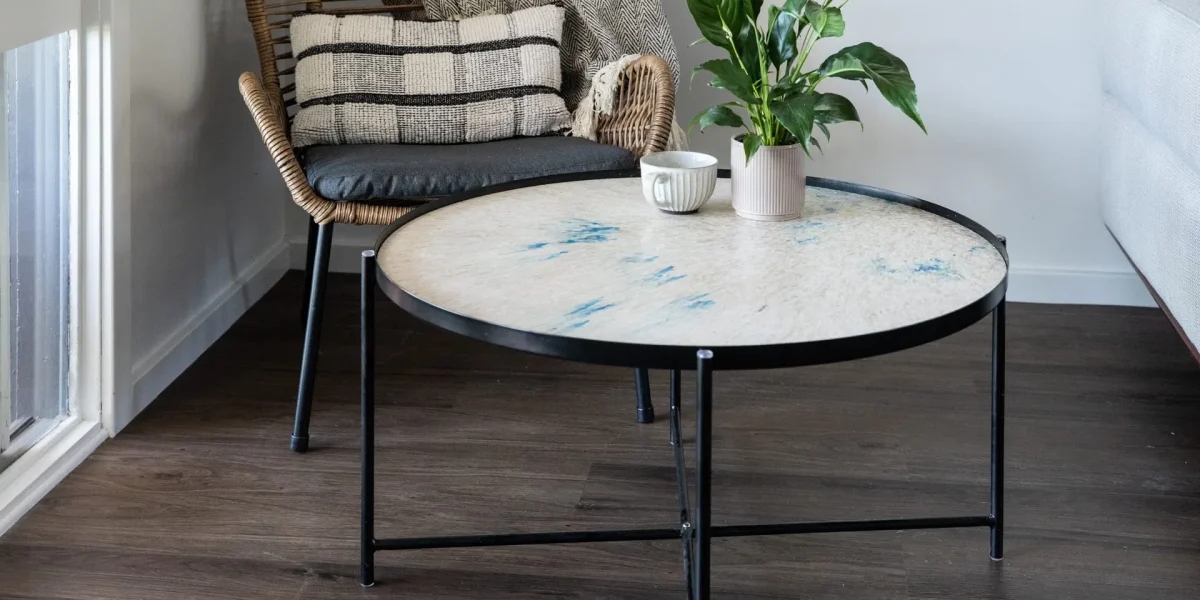
- Select Your Aesthetic: Don't assume "recycled" means "ugly." Whether you want a high-end marbled stone look or a vibrant, speckled terrazzo finish, we have 6 popular colours ready for fast turnaround.
- Customise for Your Space: We manufacture 1 tonne of plastic per day, meaning we can handle bespoke sizes beyond our standard 2400mm x 1200mm panels. Need round bistro tops or long communal benches? We’ve got you.
- Audit Your Impact: Use the data we provide on embodied carbon and plastic diversion to include in your marketing materials. Tell your customers: "By dining here, you've helped divert 50,000 milk bottles from Australian landfill."
- Promote the Circularity: Ensure your staff are trained on the Product Stewardship story. When a customer asks about the tables (and they will), your team should be able to explain the Australian origin and the Take-Back program.

The Bottom Line
In 2026, hospitality success isn't just about the beans or the brunch menu. It's about the values you signal to your community. Investing in 100% recycled Australian plastic furniture is a rare "triple threat" for cafe owners: it reduces maintenance costs, meets sustainability targets, and provides a compelling marketing narrative that attracts the next generation of loyal diners.
Ready to start your cafe's circular journey? Contact us today to discuss custom table tops and furniture solutions that prove sustainability is more than just a label.