As we move further into 2026, the Australian construction landscape has fundamentally shifted. Gone are the days when "recycled" was just a buzzword used to greenwash a project proposal. Today, government tenders, Tier 1 contractors, and infrastructure bodies demand proof.
The 2021 Infrastructure Australia Plan and the subsequent National Waste Policy mandates have made it clear: we are no longer shipping our waste problems offshore. We are treating Aussie waste as a strategic resource. But there is a massive difference between claiming a product is sustainable and proving its Chain of Custody (CoC).
For your next circular project to be successful: and for your ESG (Environmental, Social, and Governance) reports to be defensible: you need more than just recycled materials. You need local traceability.
What Exactly is Local Traceability?
In the world of recycled plastic manufacturers in Australia, traceability is the ability to track a material through all stages of the supply chain, from the moment it is discarded by a consumer to its final form as a high-performance building material.
It answers three critical questions:
- Where did the waste come from? (e.g., local kerbside recycling vs. imported industrial scrap).
- What is actually in it? (e.g., HDPE milk cartons vs. mixed, unknown resins).
- How was it processed? (e.g., low-energy local mechanical recycling vs. carbon-intensive offshore processing).
Without these answers, your project isn't truly circular: it’s just a "black box" of unknown materials. This is why looking for recycled plastic sheets in Australia requires a deep dive into the manufacturer's local data.
The Power of the "Chain of Custody" in ESG Reporting
If you are managing a project in 2026, you are likely already grappling with integrating embodied carbon reporting. When you use recycled plastic sheets in Australia, your ESG report needs to be more than "we used 5 tonnes of recycled plastic."
A defensible report requires a clear Chain of Custody. At Resourceful Living, we categorise our feedstock into two primary streams:
1. Post-Consumer Waste (The "Milk Cartons" Story)
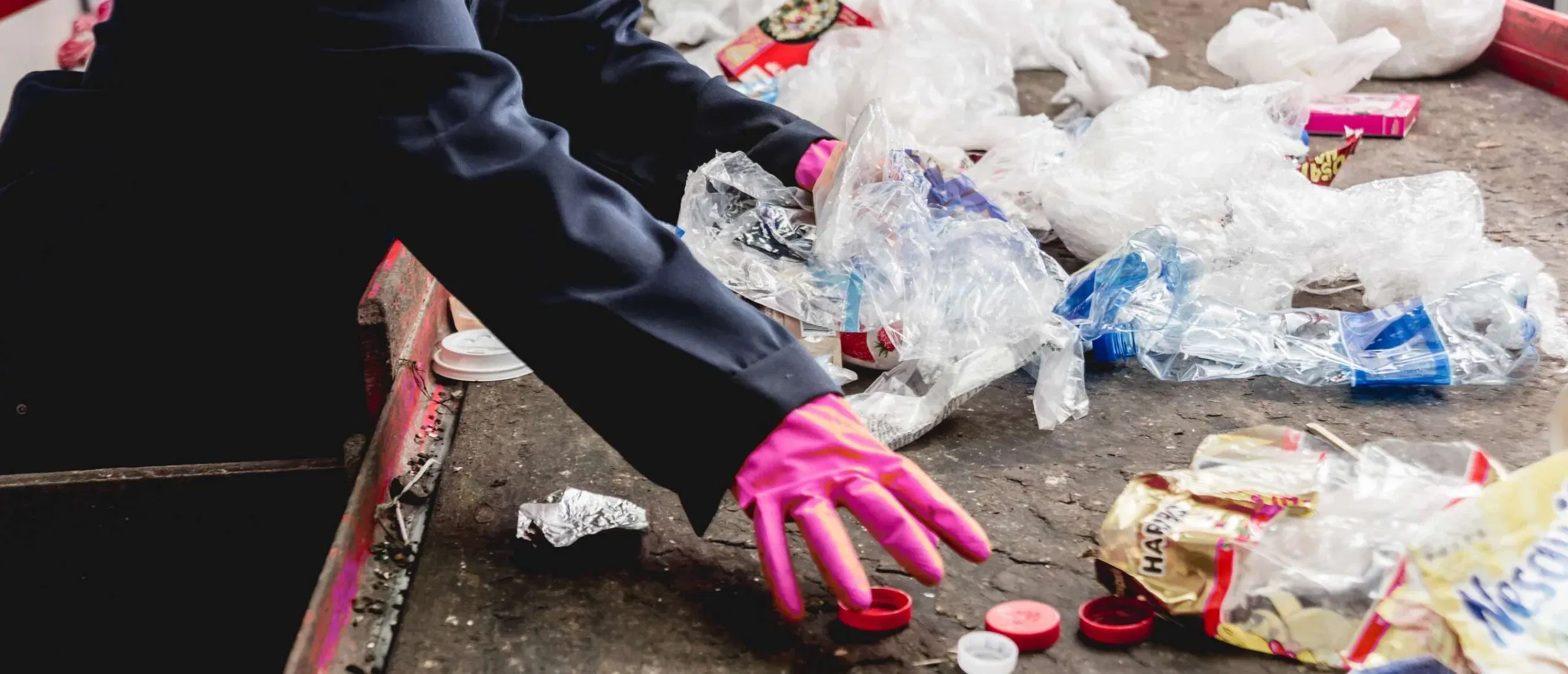
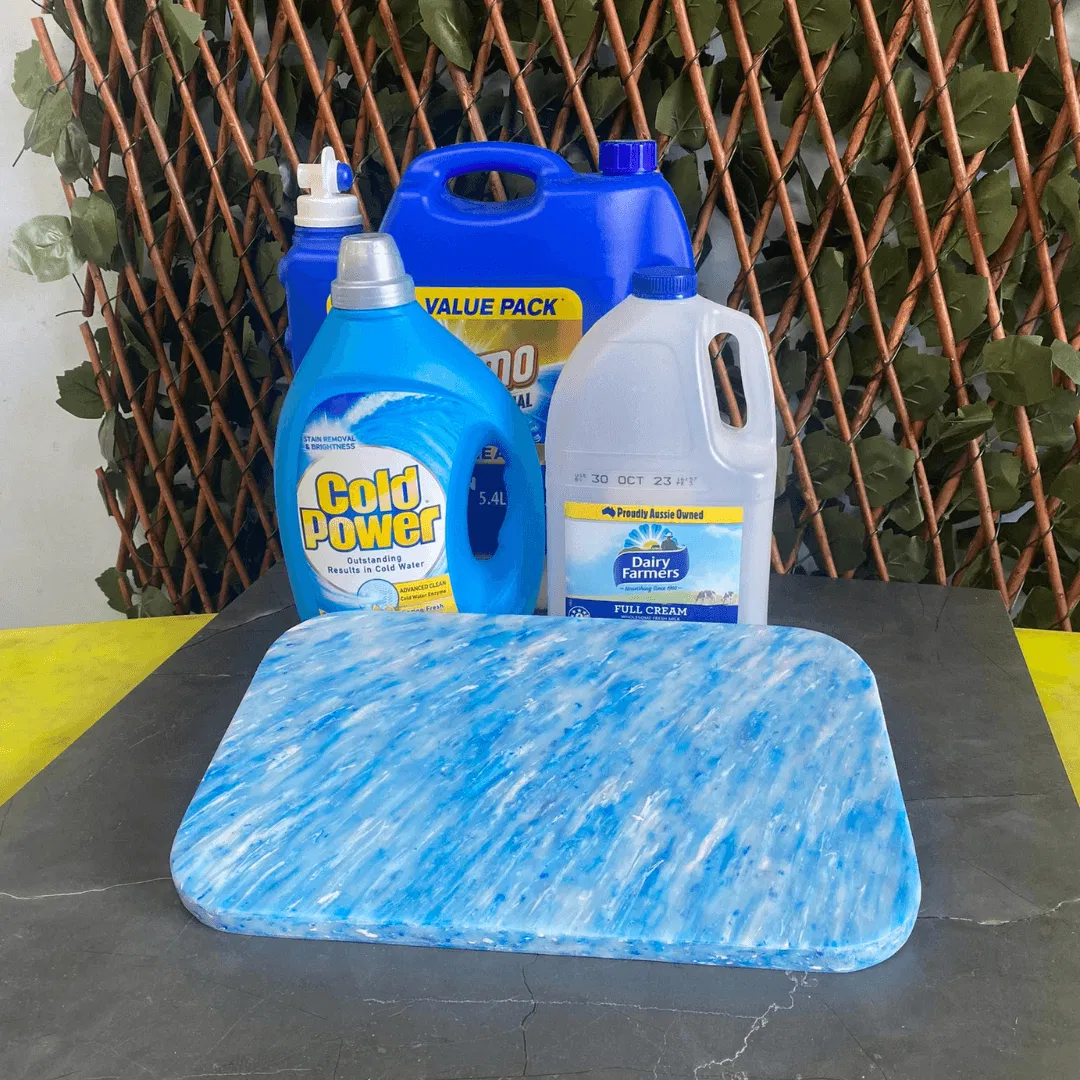
This is plastic that has been used by Aussie households. When you can tell a client that their park benches or retaining walls were made from 10,000 recycled milk cartons and detergent bottles sourced from local councils, you create a powerful narrative. More importantly, you provide verifiable data for social impact metrics.
2. Post-Industrial/Factory Scrap
This involves capturing waste directly from other recycled plastic manufacturers in Australia. Instead of this high-quality scrap heading to a landfill, it is diverted back into the manufacturing loop. Knowing the origin (e.g., a specific local factory) ensures the material is "clean" and free from the contaminants often found in imported recycled resins.
"A circular project can’t just specify ‘recycled content’ and hope it turns up. It needs to match real local material flows to real local demand. That’s what traceability enables." : Industry Insight, 2026 Circular Economy Report.
Why "Australian Made" is Your Greatest Compliance Asset
In 2026, the "Australian Made" logo is more than just a badge of pride; it is a risk mitigation tool. When you source materials manufactured locally, you are bypassing the "traceability gap" that occurs the moment a material crosses an international border.
Avoiding the "Recycled" Trap
Many imported "recycled" plastics are actually "downcycled" or blended with virgin resins to hide poor quality. Because these materials often lack a transparent Chain of Custody, they can fail modern Modern Slavery Act audits or carbon transparency requirements.
By choosing Australian-made sheets, you gain:
- Direct Audits: You can literally visit the facility and see the waste being processed.
- Lower Transport Emissions: You aren't shipping "waste" halfway around the world to be processed and shipped back.
- Economic Circularity: Every dollar spent on local materials supports the Aussie recycling industry, which in turn improves the infrastructure for future waste recovery.

Suggested visual: A map of Australia showing a localized loop of waste collection -> processing -> infrastructure installation.
Recycled Plastic vs. Concrete: The Traceability Edge
In our recent comparison of recycled plastic vs. concrete in infrastructure, one factor stood out: Resource Value.
Concrete is a "one-and-done" material. Once it’s poured, its lifecycle is largely fixed. Recycled plastic, however, remains an asset. Because we maintain local traceability, we know exactly what is in our sheets. This means that at the end of a project’s 50-year life, those sheets can be returned to us, shredded, and remanufactured into new products.
This is the ultimate goal of circular construction in 2026: treating every piece of infrastructure as a temporary storage of valuable resources.
How to Verify Traceability in Your Next Tender
If you are a procurement manager or a project engineer, don't just take a supplier's word for it. Ask for these three documents to ensure your project is actually circular:
- Material Source Statement: A breakdown of whether the plastic is post-consumer or post-industrial and which Australian regions it was sourced from.
- Technical Data Sheets (TDS): Ensure the recycled content doesn't compromise the structural integrity required for Aussie conditions.
- Local Buy/Pre-Qualification Status: Check if the supplier is a pre-qualified local government supplier. This ensures they have already passed rigorous checks on their supply chain and manufacturing processes.

The Financial Reality: Traceability Saves Money
You might think that highly traceable, locally made materials cost more. However, when you factor in the Total Cost of Ownership, the math changes.
In coastal environments, for example, ditching timber for recycled HDPE removes the need for constant maintenance and replacement. When you add the avoided costs of landfill levies (which have skyrocketed in 2026) and the potential carbon credits earned through accurate reporting, the "cheap" imported or non-circular alternative often ends up being the most expensive choice.
Transforming Waste into Premium Assets
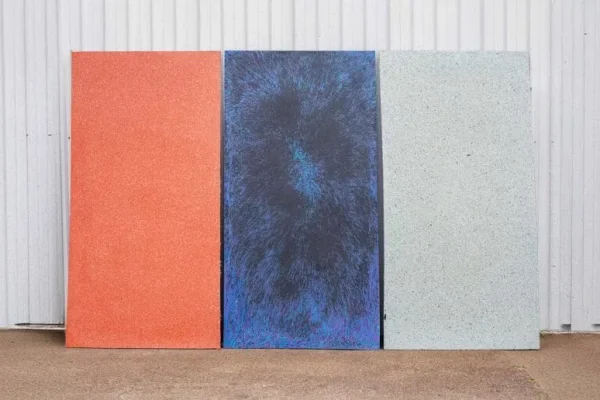
The final product of local traceability isn't just a "plastic sheet": it is a premium, durable building material that looks as good as it performs. Our marbled panels, for example, show the aesthetic potential of the circular economy. You can see the history of the plastic in the swirls of colour, yet the surface is as smooth and workable as any traditional building board.
Your 2026 Circular Checklist
If you're ready to move from "waste" to "infrastructure," follow these steps for your next site:
- ✅ Define Your Feedstock: Do you need the social story of milk cartons, or the industrial strength of factory scrap?
- ✅ Verify the Origin: Can your manufacturer prove the plastic didn't come from an overseas landfill?
- ✅ Check for Recyclability: Is the product itself 100% recyclable at the end of its life, or is it a composite that will end up in a landfill later?
- ✅ Align with Standards: Ensure your reporting aligns with the latest Green Star or government infrastructure mandates.
The shift to a circular Australia is here. By focusing on local traceability, you aren't just building a project; you're building a defensible, sustainable legacy for the future of Aussie infrastructure.
Ready to see local traceability in action? Explore our range of recycled plastic sheets or learn more about how we beat global supply chain delays with our 24-hour waste-to-site turnaround.