
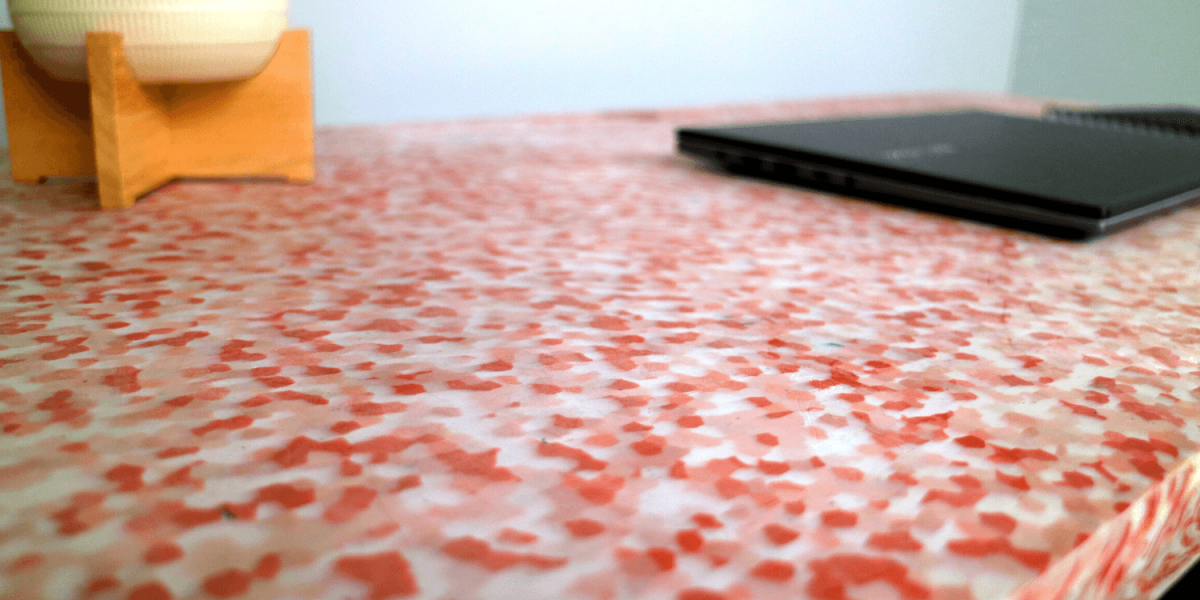
In recent years, the environmental impact of our choices has become an increasingly pressing concern. As we strive to create more sustainable living spaces, the materials we choose for our homes play a crucial role. One such choice is the selection of benchtop materials, where the conversation is shifting towards the benefits of recycled plastic over engineered stone. This transition is gaining momentum, with major retailers like Ikea and Bunnings announcing their decision to ban engineered stone from 2024, signaling a shift towards more eco-friendly alternatives.
Sustainability at the Forefront
Recycled plastic benchtops offer a compelling solution to the growing issue of plastic waste in our environment. Utilizing recycled plastic not only diverts this material from landfills but also reduces the demand for virgin plastics, thereby decreasing the overall environmental impact. This approach aligns with the principles of the circular economy, where materials are reused and repurposed rather than discarded after a single use.
Engineered stone, on the other hand, is often manufactured using non-renewable resources, including natural stone aggregates and resins. The extraction and processing of these materials contribute significantly to environmental degradation and carbon emissions. By choosing recycled plastic benchtops, consumers can actively participate in the reduction of their carbon footprint and promote a more sustainable way of living.
Health Benefits of Recycled Plastic
Beyond the environmental advantages, recycled plastic benchtops also offer health benefits. Engineered stone countertops may contain harmful substances such as silica, a known respiratory hazard when inhaled as dust during installation or cutting. This can pose serious health risks, particularly for those working in the construction and installation industries.
Recycled plastic, when properly processed, does not emit harmful substances, providing a safer option for both consumers and those involved in the manufacturing and installation processes. Additionally, recycled plastic benchtops are non-porous, making them resistant to bacteria and mold growth, contributing to a healthier indoor environment.
Retailers Taking a Stand
The decision by major retailers like Ikea and Bunnings to ban engineered stone from 2024 reflects a growing awareness of the environmental and health impacts associated with this material. As influential players in the market, these retailers are sending a powerful message to both consumers and the industry at large.
Other major retailers are likely to follow suit, driven by consumer demand for more sustainable and health-conscious choices. This shift in the market not only encourages the adoption of recycled plastic benchtops but also prompts manufacturers to explore and invest in alternative, eco-friendly materials.
The move towards recycled plastic benchtops over engineered stone represents a positive step towards a more sustainable and health-conscious future. By choosing materials that minimize environmental impact, consumers can contribute to the reduction of plastic waste and support a circular economy. The decisions of major retailers, such as Ikea and Bunnings, to phase out engineered stone further signal a broader industry trend towards more responsible and sustainable choices. As awareness grows, it is likely that recycled plastic will become an increasingly popular option for those seeking a balance between aesthetics, functionality, and environmental responsibility in their homes.