If you're working in the Australian built environment, you've probably noticed the conversation has shifted. A few years ago, we were all talking about solar panels and energy-efficient HVAC systems: what we call operational carbon. But in 2026, the spotlight has swung firmly onto embodied carbon reporting in Australia.
The question isn't just "how much energy does this building use?" anymore. It’s "how much carbon was emitted to create the materials in the first place?"
Whether you’re a developer, an architect, or a tier-one contractor, the answer to whether this matters this year is a resounding yes. Between new mandatory disclosure laws and tightening green certifications, ignoring your material's carbon footprint is no longer just an environmental risk: it’s a massive business risk.
What Exactly is Embodied Carbon?
Before we dive into the regulations, let’s get our definitions straight. Embodied carbon (or upfront carbon) refers to the greenhouse gas emissions generated during the entire life cycle of a building material. This includes:
- Extraction: Mining raw materials or harvesting timber.
- Manufacturing: The energy used to turn those raw materials into products.
- Transport: Moving those products from the factory to your site.
- Construction: The emissions from on-site machinery.
While operational carbon can be reduced over time through better management, embodied carbon is locked in the moment the building is finished. Once that concrete is poured or that virgin plastic is installed, those emissions are out in the atmosphere for good.
Why 2026 is the Tipping Point for Australian Business
If you’ve been coasting on voluntary reporting, 2026 is the year the "wait and see" approach ends. We are currently seeing a perfect storm of legislation and market demand that makes sustainable building materials in Australia a necessity, not a luxury.
1. Mandatory Climate Disclosures (AASB S2)
The Australian Government has introduced a mandatory climate-related financial disclosure regime. This isn't just for "green" companies; it sits inside the Corporations Act.
- Group 1 entities (the big players) have already begun reporting.
- Group 2 entities (medium-to-large corporates) are entering the regime for financial years starting on or after 1 July 2026.
If your business meets certain revenue or asset thresholds, you’ll soon be legally required to lodge an annual Sustainability Report alongside your financial report.
2. The Scope 3 Wave
This is the big one. Under the new AASB S2 standards, companies must eventually disclose their Scope 3 emissions. Scope 3 covers your entire value chain: both upstream and downstream.
For the construction industry, this means every piece of material you buy: from the steel in the frame to the recycled plastic panels in the fit-out: contributes to your Scope 3 tally. By 2026, the "Group 1" companies will be deep into their second year of reporting, where Scope 3 becomes mandatory. They will be looking at your data to satisfy their reporting requirements.
"If you want to win contracts with major developers or government bodies in 2026, you need to provide the data that helps them lower their Scope 3 numbers. It’s that simple." : Jess Hodge, Resourceful Living.

How to Lower Embodied Carbon with Recycled Plastic
When you’re looking to slash the embodied carbon of a project, the easiest wins are found in your material specs. While you can't always replace structural steel, you can make a massive dent by swapping out "finishing" materials.
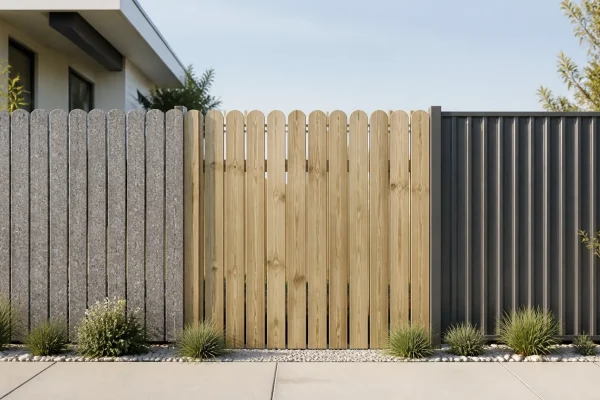
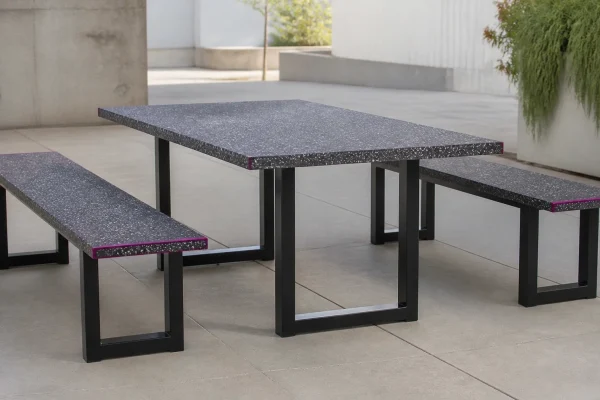
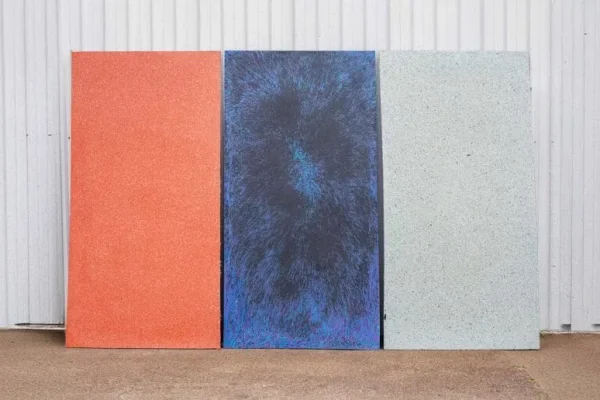
At Resourceful Living, we’ve seen a surge in specifiers moving away from virgin materials and toward 100% recycled Australian plastic. Here’s why the math works for your carbon report:
Recycled Plastic vs. Virgin Materials
Virgin plastic production is a fossil-fuel-heavy process. It requires extracting oil, refining it, and intensive chemical processing. In contrast, our mechanical recycling process skips the extraction and refining phases entirely.
- Carbon Savings: Recycling just 1 tonne of HDPE (High-Density Polyethylene) saves between 0.9 and 1.75 tonnes of CO2 emissions.
- The 19-Sheet Rule: To make it easy for your ESG manager, we use a simple metric: 19 sheets of our 20mm panels = 1 tonne of CO2 saved.
- Zero Additives: Unlike some composite materials that use glues or veneers (which make them impossible to recycle later), our sheets are 100% recycled and 100% recyclable.

Meeting Green Star and NABERS Requirements
If you’re targeting a Green Star or NABERS rating, embodied carbon reporting isn't just an "extra": it’s a core requirement.
Green Star "Net Zero" Pathway
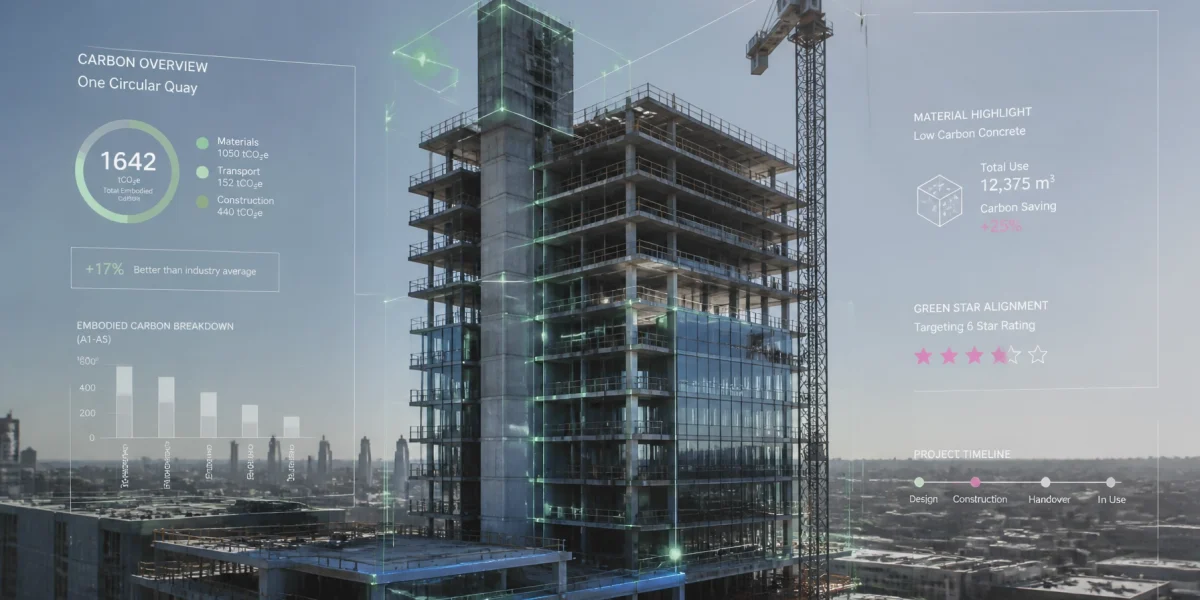
The Green Building Council of Australia (GBCA) has tightened its standards. To achieve a 5 or 6-star rating in 2026, projects must demonstrate a significant reduction in upfront carbon. By using materials with a high percentage of recycled content, you can claim specific "Materials" credits that are essential for high-tier certifications.
The New NABERS Embodied Carbon Tool
NABERS is currently rolling out its dedicated embodied carbon rating tool. This tool allows building owners to verify and compare the carbon footprint of their construction materials against industry benchmarks.
Specifying locally sourced materials like our recycled plastic sheets gives you a double advantage here:
- Low Production Emissions: Because we use mechanical recycling.
- Low Transport Emissions: Because our plastic is sourced and manufactured right here in Australia.

Checklist: Getting Your Next Project Tender-Ready
If you're preparing a bid for a major project this year, use this checklist to ensure your embodied carbon reporting is up to scratch:
- Request EPDs (Environmental Product Declarations): Ensure your suppliers can provide verified data on the carbon footprint of their products.
- Prioritise 100% Recycled Content: Avoid "recycled-blend" materials that still rely heavily on virgin feedstock.
- Source Locally: Minimise the "A4" stage of your Life Cycle Assessment (transportation emissions) by choosing Australian-made materials.
- Check for Take-Back Programs: Does your material have an end-of-life plan? A true circular material (like our recycled plastic sheets) helps you hit circularity targets in tenders.
- Quantify the Savings: Don't just say a material is "sustainable." Use data (e.g., "This choice saves 5 tonnes of CO2e") to make your bid stand out.
The Bottom Line
Does embodied carbon reporting matter for Australian businesses this year? Absolutely.
We are moving into an era where "carbon literacy" is just as important as financial literacy. By choosing sustainable building materials in Australia, you aren't just doing the right thing for the planet: you’re future-proofing your projects against a rapidly changing regulatory landscape.
At Resourceful Living, we’re helping businesses across the country turn their plastic waste into high-performance, low-carbon assets. If you’re ready to lower your next project’s carbon footprint, let’s talk.