It’s April 2026, and the construction landscape in Australia looks a lot different than it did even two years ago. If you’ve been keeping an eye on the industry shifts, you know that the “grace period” for sustainability is officially over. We’re no longer just talking about “green vibes” or putting a recycled bench in the lobby and calling it a day.
Today, embodied carbon reporting in Australia is the make-or-break factor for winning Tier 1 tenders and government contracts. If you can’t prove the carbon footprint of your materials in your Bill of Quantities (BoQ), you’re essentially leaving money on the table: or worse, getting locked out of the race entirely.
I’m Jess from the sales team here at Resourceful Living, and I’ve spent the last few months helping our partners navigate these new reporting requirements. The good news? It’s not as scary as it sounds once you have the right data. Here is how you can get your BoQ data ready for the 2026 tender cycle.
Why 2026 is the Year of Carbon Accountability
The shift toward mandatory climate-related financial disclosures means that carbon isn’t just an environmental metric anymore; it’s a financial one. For builders and developers, this means the upfront carbon (the emissions generated before a building is even occupied) is under the microscope.
According to recent industry data, construction activity in Australia produces between 37 and 64 Mt of CO₂e in upfront embodied carbon annually. To hit our 2030 and 2050 targets, the government has tightened the screws on procurement. In 2026, tenders are demanding a level of transparency that requires a deep dive into your supply chain.
“Sustainability is no longer a ‘nice to have’: it’s a ‘must-prove.’ If you can’t measure it, you can’t manage it, and you certainly can’t sell it to a modern procurement board.”
Decoding Embodied Carbon Reporting in Australia
When we talk about embodied carbon reporting in Australia, we’re looking at the total greenhouse gas emissions generated by the manufacturing, transportation, and construction of building materials.
For a long time, the focus was on “operational carbon” (how much energy a building uses once it’s finished). But as our grid gets greener, the focus has shifted to the materials themselves. This is where your BoQ becomes your most powerful tool.
The BoQ Shift: From Dollars to Decarbonisation
Traditionally, a Bill of Quantities was purely about cost estimation. In 2026, the BoQ is doing double duty as a Carbon Ledger. To meet tender requirements, you need to provide:
- Material Weights and Volumes: Precise data on every kilogram of material used.
- EPDs (Environmental Product Declarations): The “nutrition label” for your building materials.
- Scope 3 Emissions Data: Emissions from your supply chain, including the waste generated on-site.
How Resourceful Living Simplifies Your Tender Process
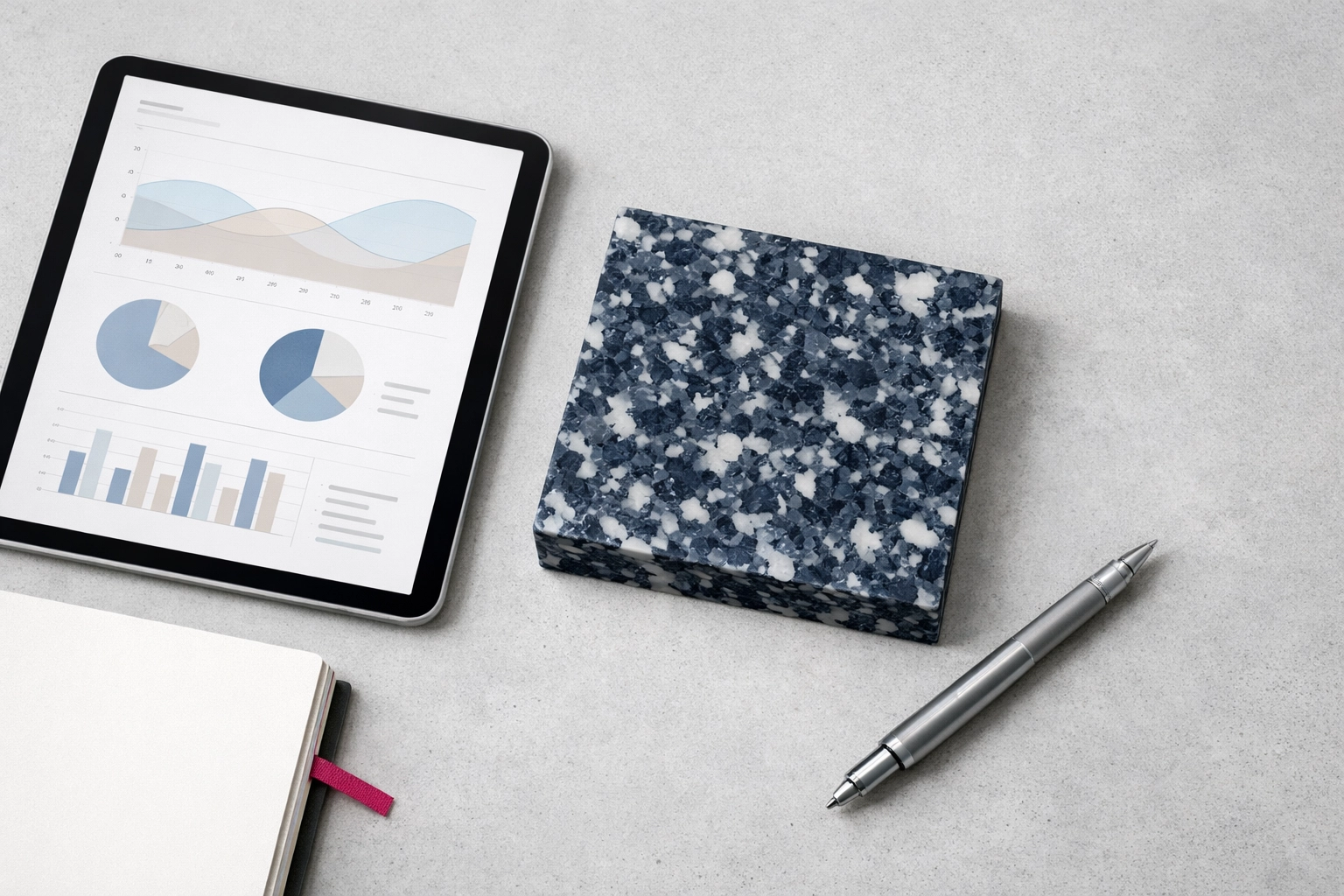
At Resourceful Living, we realised early on that builders don’t just need recycled plastic panels: they need the data that comes with them. We’ve designed our manufacturing process to be as transparent as possible so that when you add our materials to your BoQ, the reporting side is already done for you.
Lower Carbon Emissions by Design
Our 100% recycled plastic panels have a significantly lower carbon footprint than traditional materials like virgin timber, concrete, or engineered stone. Because we use 100% Australian post-consumer waste, we avoid the high-emission processes of harvesting raw materials or high-heat cement production.
When you use our panels, you’re not just picking a durable surface; you’re actively lowering the total GWP (Global Warming Potential) of your project. This makes your tender submission look a whole lot better to a sustainability-conscious board.
Transitioning Your BoQ: A Step-by-Step Guide
If you’re preparing a tender for a major project this year, follow these steps to ensure your carbon reporting is up to scratch:
1. Collect Your EPDs Early
Don’t wait until the week before the tender is due to hunt down product data. Reach out to your suppliers (like us!) for their latest EPDs. We provide detailed data on our recycled plastic sheets that can be plugged directly into your carbon modelling software.
2. Focus on “Circular Procurement”
Tenders in 2026 are heavily weighting projects that demonstrate circularity. This means looking beyond the construction phase. What happens to the material in 20 years? This is where our Take-Back Program becomes a massive asset for your BoQ.
3. Use the RICS Data Hierarchy
The Royal Institution of Chartered Surveyors (RICS) provides the gold standard for carbon measurement. By prioritising product-specific data (like the data we provide for our Australian-made panels) over generic industry averages, you increase the “confidence score” of your reporting, which is a major plus for auditors.
The “Secret Weapon”: Our Product Take-Back Program
One of the biggest headaches in embodied carbon reporting in Australia is the “End of Life” (Module C) calculation. Usually, you have to assume a certain percentage of your materials will head to a landfill, which adds a “carbon penalty” to your project.
We’ve fixed that.
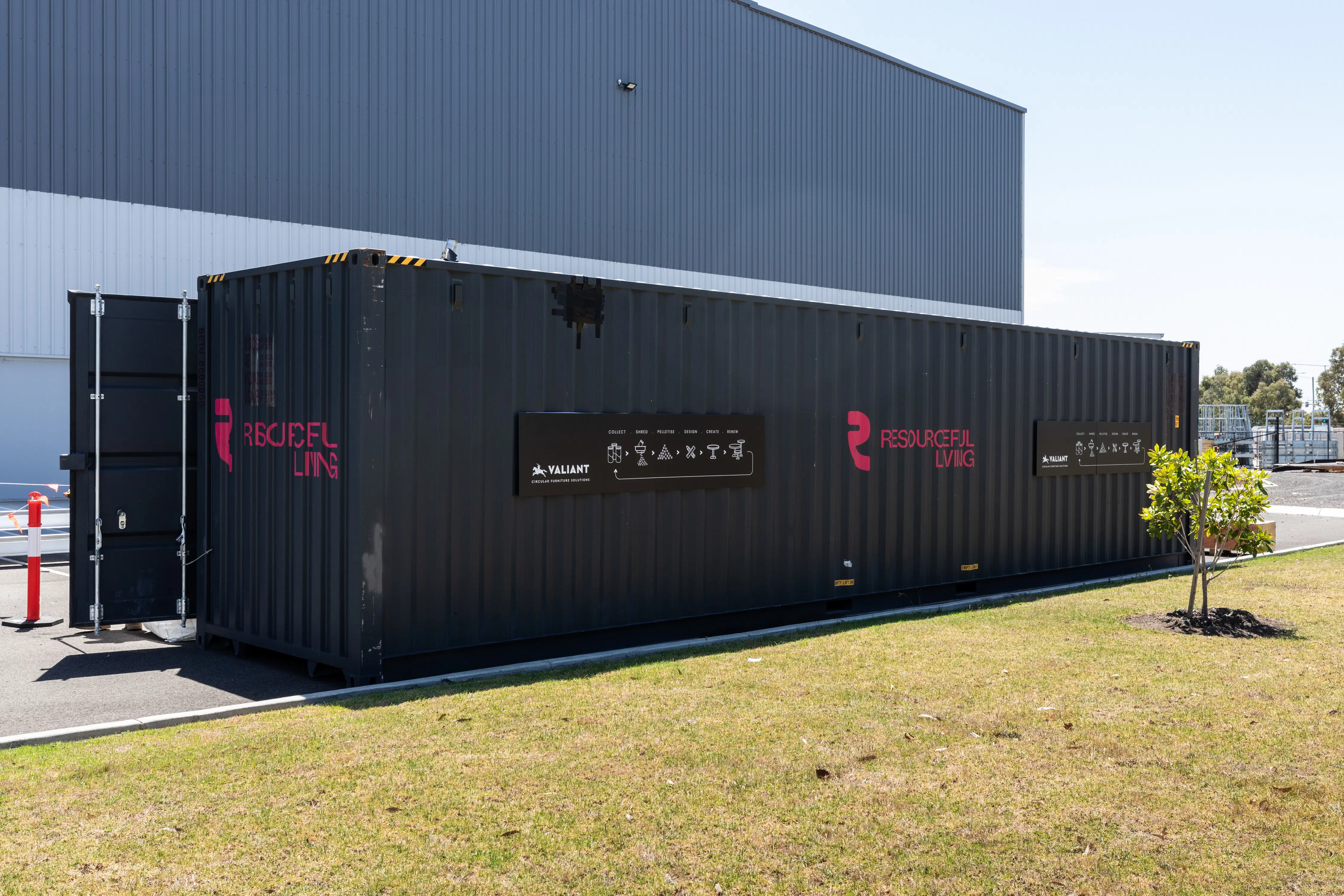
Every Resourceful Living product comes with a free take-back guarantee. When your project reaches its end of life: whether that’s a retail fit-out after 5 years or a structural element after 30: we take the material back. We then remanufacture it into brand-new panels at our facility.
By documenting this in your tender, you can effectively claim a zero-waste end-of-life cycle for those materials. This drastically reduces the calculated lifetime carbon footprint of your build.
Comparison: Recycled Plastic vs. Traditional Materials
To give you an idea of why builders are switching, here’s a quick look at how our materials stack up in a 2026 BoQ:
| Feature | Resourceful Living Panels | Traditional Timber / MDF | Concrete / Stone |
|---|---|---|---|
| Embodied Carbon | Low (Recycled Content) | Medium (Harvesting/Processing) | High (Manufacturing) |
| Moisture Resistance | 100% Waterproof | Low (Swelling/Rot) | Medium |
| End of Life | 100% Recyclable (Take-Back) | Often Landfill/Incineration | Difficult to Recycle |
| Traceability | Fully Traceable AU Waste | Varies | Often Imported |
As you can see, choosing local sustainable building materials in Australia isn’t just about doing the right thing: it’s about having the best numbers on your spreadsheet.
Checklist: Getting Your 2026 Tender Documents Ready
Before you hit “submit” on that next big BoQ, run through this checklist to ensure your carbon data is bulletproof:
- Identify High-Impact Areas: Where can you swap out high-carbon materials (like engineered stone) for lower-carbon alternatives? (Check out our benchtops vs stone guide for more on this).
- Verify Traceability: Can you prove where the plastic came from? Our panels are made from 100% Australian waste, keeping your Scope 3 transportation emissions low.
- Include the Take-Back Clause: Explicitly mention the Resourceful Living take-back program in your waste management plan.
- Request a Custom Quote: If you have specific dimensions or high-volume needs, get a quote early so your cost-to-carbon ratio is accurate.
Wrapping Up
The move toward strict embodied carbon reporting in Australia might feel like an extra hurdle, but it’s actually a massive opportunity. It levels the playing field for builders who are actually doing the work to be sustainable.
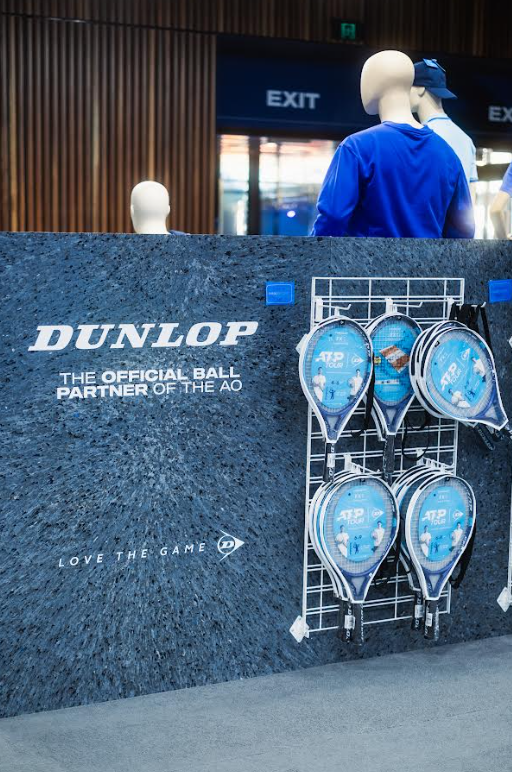
At Resourceful Living, we’re here to be more than just a supplier; we’re your carbon data partners. We want to see more Australian projects winning tenders by using Australian waste.
If you’re working on a BoQ right now and need the specific carbon metrics for our 100% recycled panels, don’t hesitate to reach out to us. Let’s get your project ready for 2026 and beyond.
Ready to close the loop?
Explore our product range or read our 3-minute guide for busy builders to learn more about how we can help you ace your next tender.