
It’s April 2026, and the Australian construction landscape looks fundamentally different than it did just three years ago. If you’re still looking at material specification through the narrow lens of "upfront cost vs. availability," you’re likely already falling behind.
In 2026, the question isn't whether sustainable building materials Australia matter: it’s how much the data proves they are the only viable path forward for commercial viability and regulatory compliance. With the Federal Government's target to double Australia's circularity by 2035, the industry has hit a critical pivot point.
We’ve moved past "greenwashing" and "environmental buzzwords." Today, project success is measured by Whole-life Carbon data, NABERS performance, and the long-term maintenance reality of the materials we leave behind.
1. The 2035 Goal: Why Circularity is No Longer Optional
The Australian Government has set a clear mandate: double the nation's circularity by 2035. This isn't just an environmental target; it’s an economic roadmap. For the building sector, this has translated into much stricter procurement guidelines.
By specifying sustainable building materials in Australia, you are effectively future-proofing your projects against upcoming "If Not, Why Not" procurement policies. These policies require developers and builders to justify why they didn’t use a recycled or low-carbon alternative.
"Specifying sustainable materials in 2026 isn't just about the planet; it’s about ensuring your project qualifies for the next round of government tenders and institutional investment." : Resourceful Living Technical Insight
For a deeper dive into how this affects your tenders, check out our guide on circular construction in 2026.
2. 2026: The Year of "Whole-Life" Carbon Focus
Historically, the industry focused on operational carbon: how much energy a building uses once the lights are on. In 2026, the spotlight has shifted to embodied carbon and, more importantly, Whole-life Carbon.
Whole-life carbon accounts for the emissions generated from material extraction, manufacturing, transportation, construction, use, and eventual end-of-life disposal.
📊 Why the Data Favours Recycled Materials:
- Virgin Steel/Concrete: High initial embodied carbon with limited end-of-life circularity.
- Recycled Plastic Panels: Drastically lower manufacturing emissions and 100% recyclability at the end of the building's life.
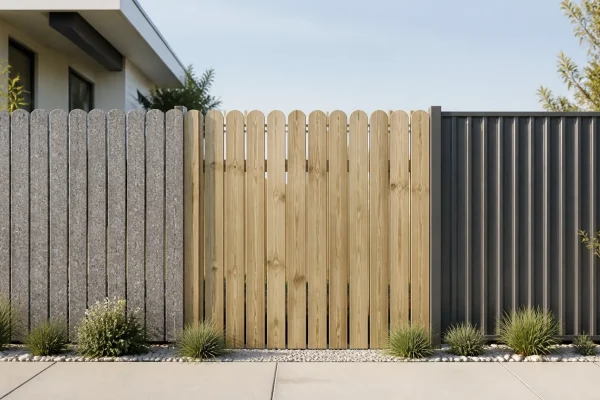
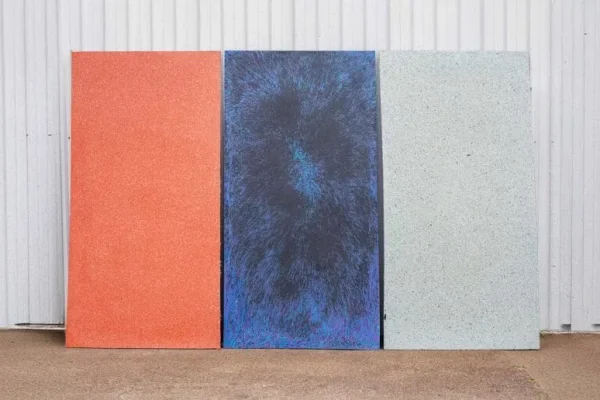
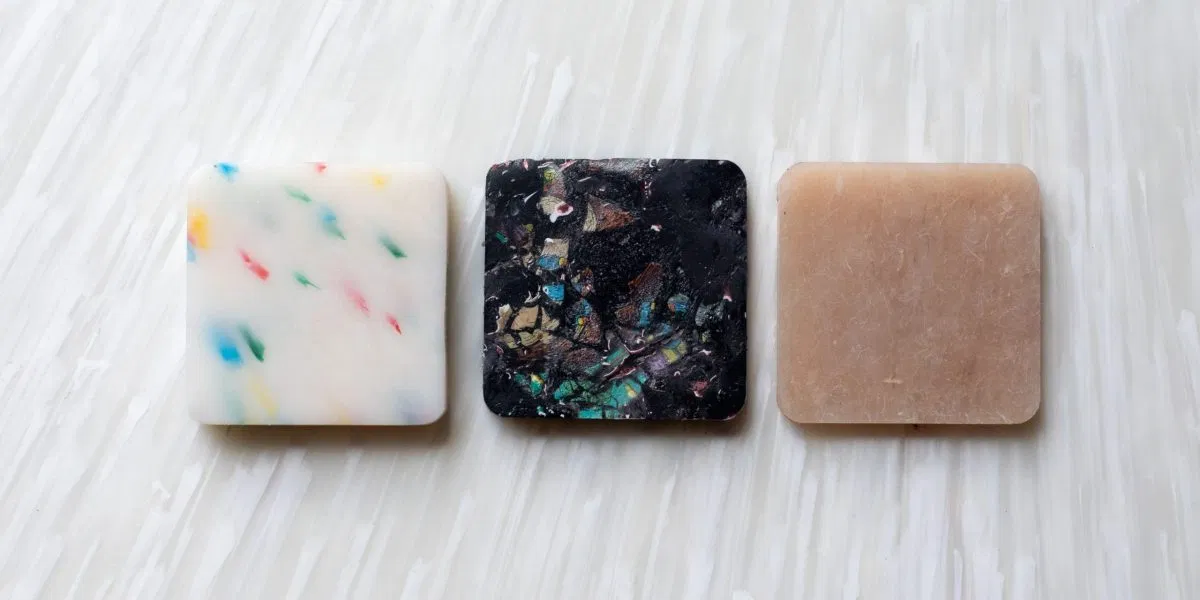
When you use materials like our 100% recycled HDPE panels, you aren't just lowering the initial carbon footprint; you are providing a material that can be returned to the circular economy. This is a critical metric for embodied carbon reporting in 2026.
3. Impact on NABERS and Green Star Ratings
In 2026, a building’s "Value" is directly tied to its NABERS (National Australian Built Environment Rating System) and Green Star ratings. High ratings lead to lower insurance premiums, higher rent yields, and better capital growth.
How Sustainable Materials Boost Your Score:
- Responsible Material Credits: Green Star "Buildings" tool heavily rewards the use of certified recycled content.
- Waste Minimisation: Using pre-fabricated recycled plastic sheets reduces on-site waste, a key component of the "Life Cycle Impacts" credit.
- Local Traceability: Specifying Australian-made recycled products ensures you have the documentation needed for audit-proof certification.
If you are aiming for a 5 or 6-star Green Star rating, the material choice for your fit-outs and infrastructure is the most direct lever you can pull. To see how these materials perform in real-world settings, view our Designers Lookbook.
4. Performance Data: Recycled Plastic vs. The Traditional Icons
Many specifiers worry that "sustainable" means "less durable." The 2026 data proves the opposite. High-performance recycled plastic (HDPE) is outperforming traditional materials in harsh Australian conditions.
The Maintenance Budget Comparison
| Feature | Recycled Plastic (HDPE) | Treated Timber | Concrete |
|---|---|---|---|
| Lifespan | 50+ Years | 10–15 Years | 40+ Years |
| Maintenance | Zero (No painting/oiling) | High (Annual oiling) | Low (Crack repair) |
| Chemical Resistance | ✅ Excellent | ❌ Poor | ⚠️ Moderate |
| UV Stability | ✅ High (with additives) | ❌ Fades/Splits | ✅ High |
| Moisture Resistance | ✅ 100% Waterproof | ❌ Rot/Swell | ⚠️ Porous |
Key Metric: UV Stability & Chemical Resistance
Resourceful Living panels are engineered for the Australian sun. They don’t leach chemicals into the soil, and they don't rot when exposed to groundwater. This makes them a superior choice for high-moisture 2026 projects.
5. The Financial Reality: ROI and "Circular Procurement"
Does it cost more? In 2026, the answer is "No" when you factor in the Total Cost of Ownership.
While the upfront cost of a high-quality recycled plastic sheet might be higher than low-grade plywood, the ROI is realised within 3 to 5 years through saved maintenance and replacement costs. Furthermore, many Australian builders are now claiming carbon credits by choosing Resourceful Living panels, effectively subsidising the material cost.
6. Local Traceability: Your Defense Against Greenwashing
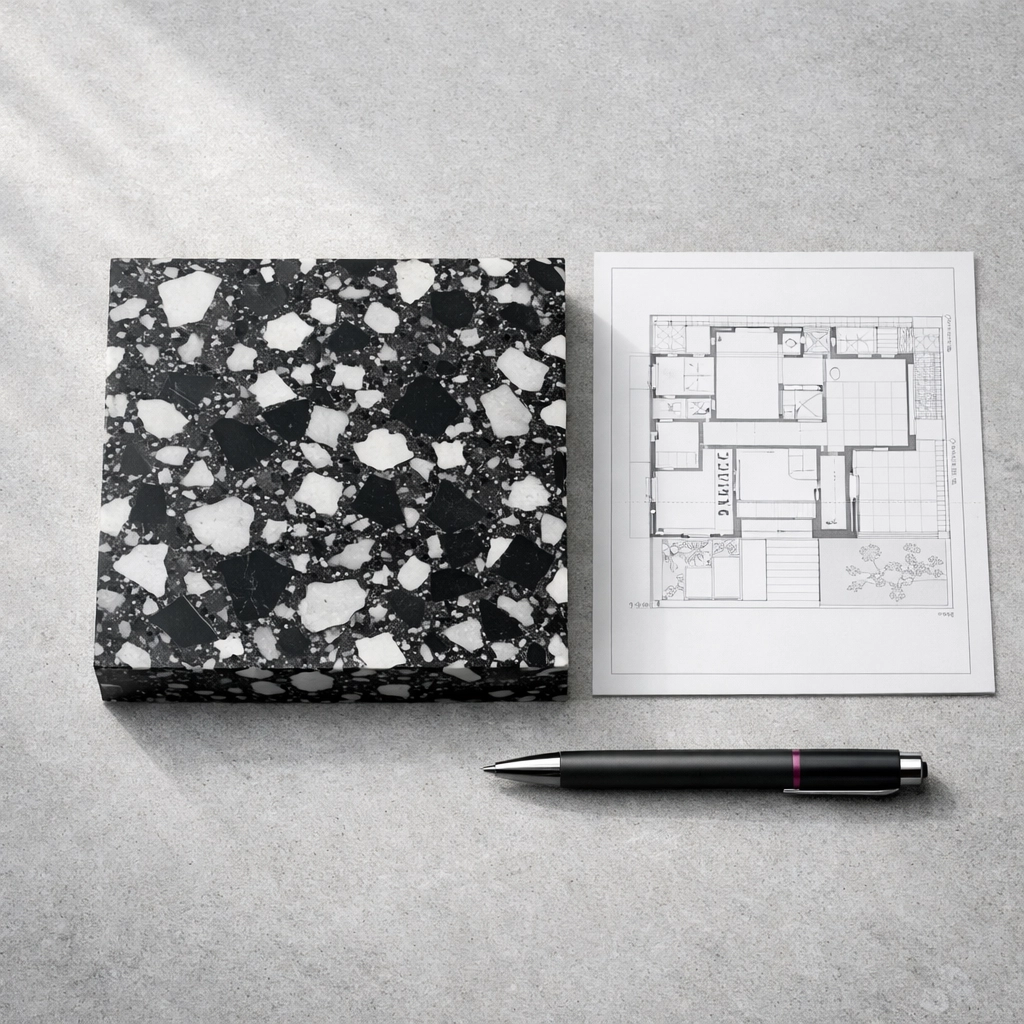
One of the biggest risks in 2026 is Greenwashing. If you specify "recycled plastic" that is actually imported from overseas with a massive shipping footprint and no chain of custody, you are at risk of a compliance audit.
The Resourceful Living Advantage:
- 100% Australian Waste: We don't import plastic. We process what's already here.
- Fully Traceable: We can tell you exactly where the waste was sourced.
- Circular Take-Back: At the end of the project's life, we will shred and re-manufacture the panels ourselves.
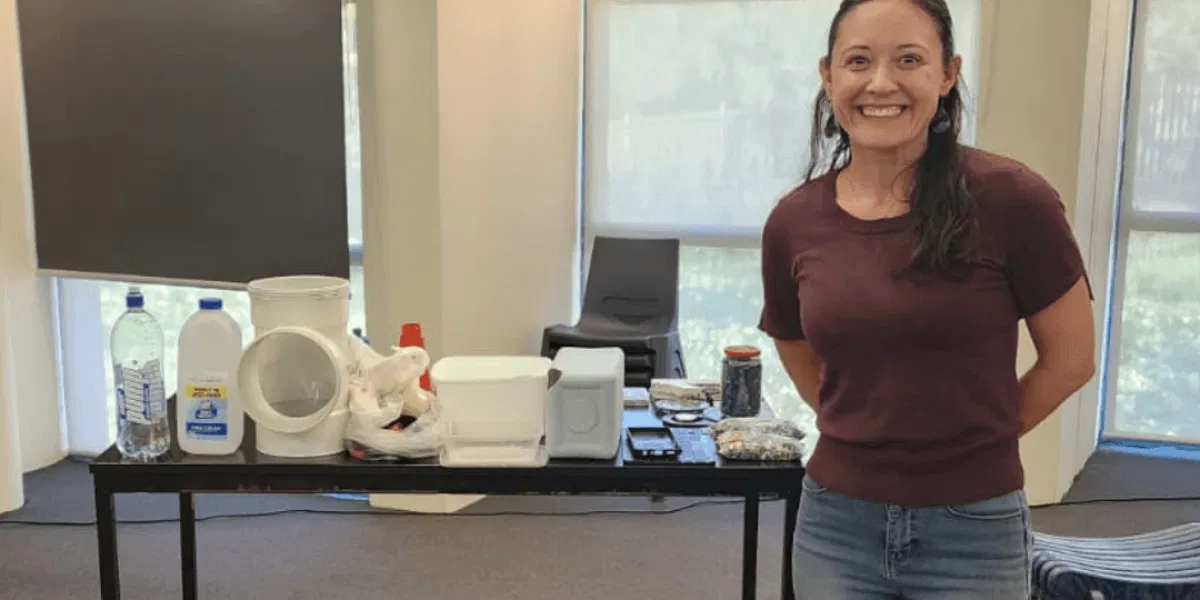
We even bring the circular economy to you with our on-site shredding services, ensuring that site waste becomes a resource, not a liability.
7. How to Implement Sustainable Materials in Your Next Project
Ready to make the switch? Here is a simple checklist for specifying sustainable building materials in Australia for your 2026 BoQ:
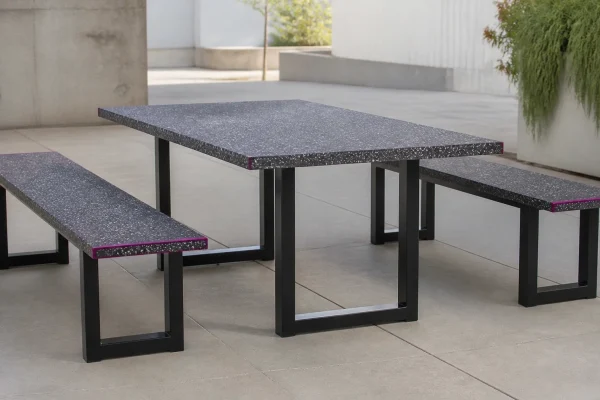
- Review the Product Data Sheet: Ensure the material meets the structural and fire-rating requirements for your specific application. See our Galleria Seat Data Sheet for an example.
- Audit the Supply Chain: Ask your manufacturer 10 critical questions about their sourcing: we’ve listed them here for you.
- Compare Lifecycle Costs: Don’t just look at the invoice; look at the 20-year maintenance schedule.
- Confirm Local Compliance: Ensure the material is Australian-made to simplify your Green Star and NABERS documentation.
The Bottom Line
In 2026, the data is undeniable. Specifying sustainable building materials in Australia is the only way to meet the 2035 circularity goals, protect your maintenance budget, and ensure your building holds its value in a carbon-conscious market.
Resourceful Living is here to help you bridge the gap between "Sustainability Goals" and "Site Reality." Whether you need durable worktops, landscape edging, or structural panels, we provide the data you need to specify with confidence.
Want to see the figures for yourself? Download our 2026 Price and Performance Guide today.