The Australian building landscape has officially reached a tipping point. By 2026, the intersection of net-zero mandates, rising landfill levies, and the adoption of the National Construction Code (NCC) 2025 has moved circularity from a "nice-to-have" to a non-negotiable project requirement.
For businesses in the built environment, the challenge is no longer just about choosing "green" materials. It’s about systemic integration. How do you align circular economy principles with Modern Methods of Construction (MMC) to deliver assets that are efficient to build and responsible at their end-of-life?
At Resourceful Living, we’re seeing a massive shift in how Tier 1 contractors and architects specify materials. The focus has moved to traceability, local sourcing, and guaranteed take-back pathways.
The Convergence of MMC and Circularity
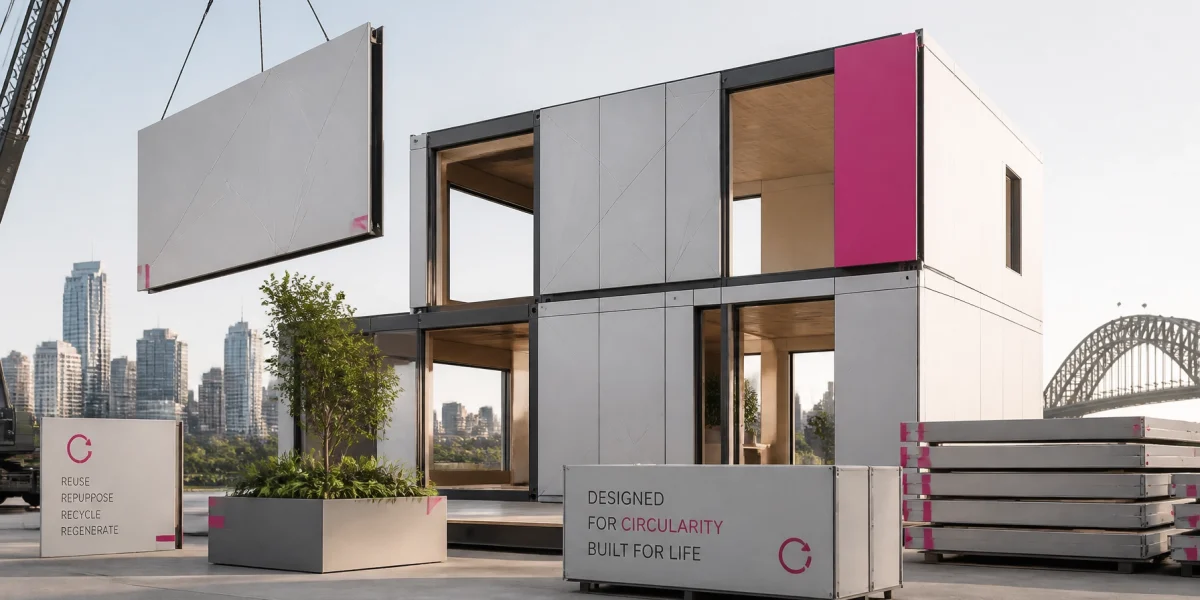
Modern Methods of Construction: encompassing modular builds, prefabricated components, and off-site manufacturing: are the perfect vehicle for circular construction 2026 strategies. Because MMC relies on precision and standardisation, it allows for a level of material control that traditional "stick-build" methods simply cannot match.
Integrating recycled plastic sheets in Australia into these workflows provides several tactical advantages:
- Precision and Consistency: Our panels are manufactured to a standard 2400mm x 1200mm size, with thicknesses ranging from 3mm to 40mm, fitting seamlessly into modular design grids.
- Reduced Site Waste: By using prefabricated, solid-core recycled panels, you eliminate the dust and offcut waste typically associated with traditional timber or composite materials.
- Design for Disassembly (DfA): Circular construction requires that components can be recovered. Using mechanical fixings with our durable sheets allows modules to be demounted and the materials reclaimed for future use.

Why Local Traceability is Your Best Tender Advantage
In 2026, "greenwashing" is a legal and reputational liability. Australian businesses are now required to provide granular data on embodied carbon and material origins.
Many "sustainable" products are shipped from overseas, carrying a massive carbon debt before they even arrive on-site. Furthermore, the lack of transparency in global recycling chains makes it difficult to verify if a product is truly 100% recycled.
Resourceful Living solves this through a strictly local, end-to-end manufacturing cycle:
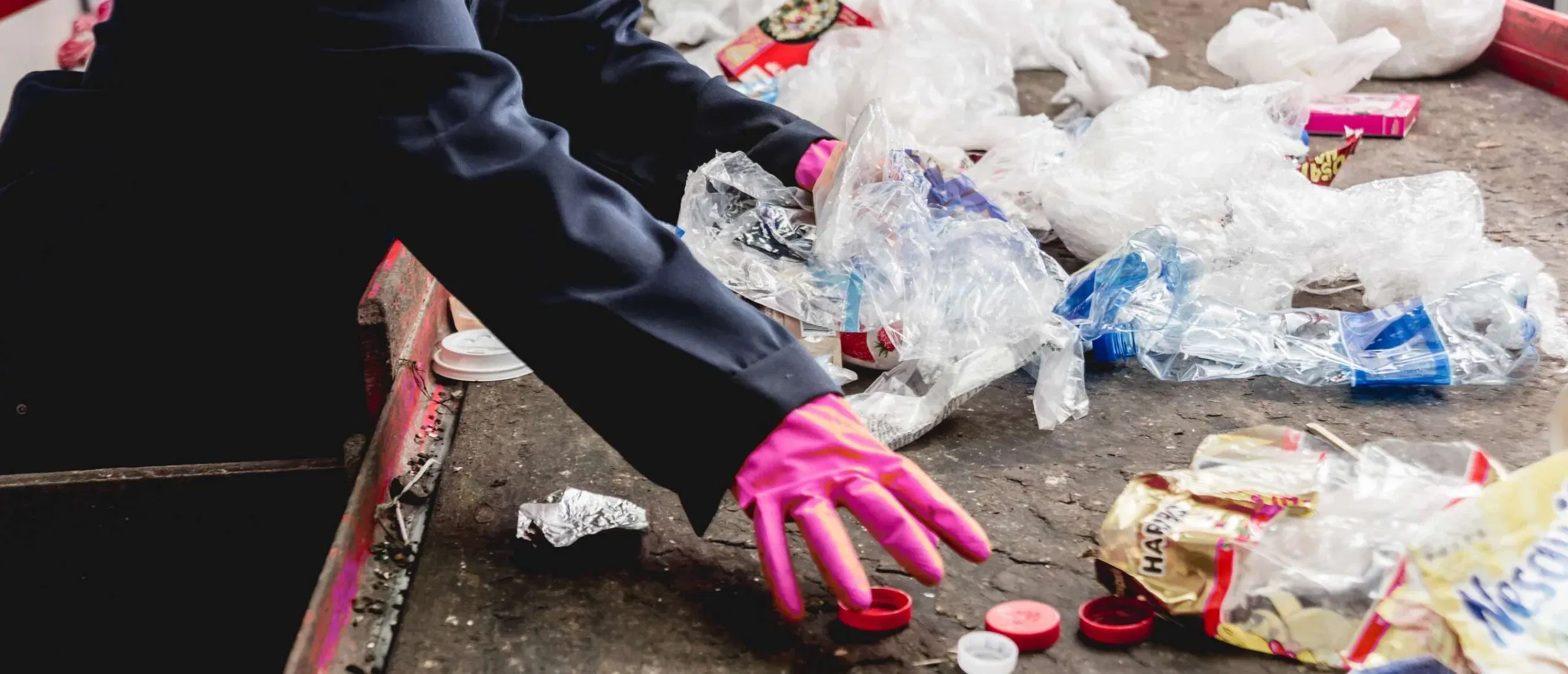
- Sourcing: We use 100% Australian plastic waste, including post-consumer HDPE and industrial offcuts.
- Processing: We manage the entire chain: from collection and shredding to compression moulding: at our facility.
- Capacity: We manufacture 1 tonne of plastic per day, ensuring we can meet the high-volume demands of commercial construction projects.
- Traceability: Because we control the source, we provide the documentation needed to prove your project is using sustainable building materials in Australia that directly support the local environment.
"In a circular economy, the value of a material is found in its data as much as its physical properties. Knowing exactly where your waste went is the ultimate form of corporate accountability."
Integrating Recycled Plastic into Modern Workflows
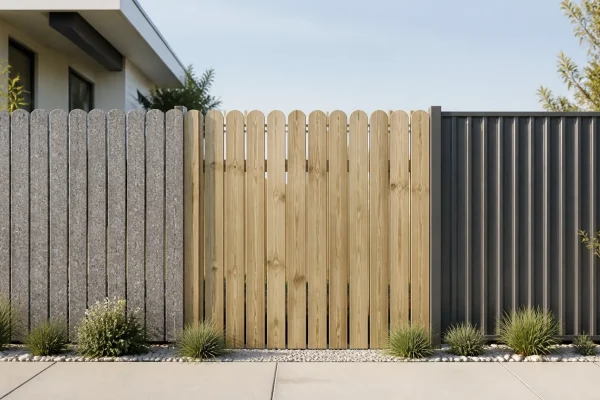
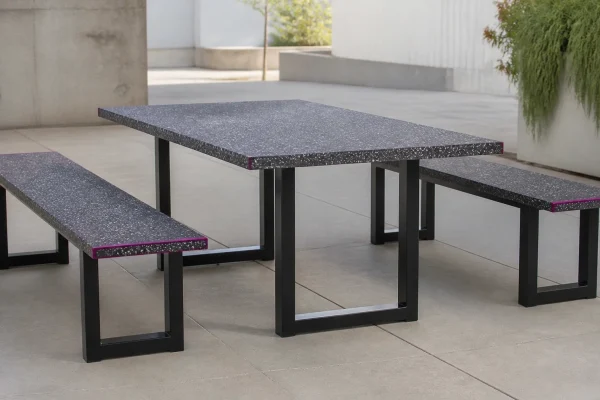
If you’re looking to spec recycled plastic sheets in Australia, you need to treat the material as a high-performance asset, not just a "recycled alternative." Our material is tested for strength, weather resistance, and durability, making it suitable for a wide range of MMC applications.
Key Performance Metrics for 2026 Projects:
| Feature | Performance Specification | Circular Benefit |
|---|---|---|
| Material Composition | 100% Recycled Plastic (No additives/veneers) | Fully recyclable at end-of-life. |
| Durability | UV Stabilised & Chemical Resistant | Long asset life in harsh Australian climates. |
| Maintenance | Solid-core, moisture-proof | Zero rot; easy to repair and resurface. |
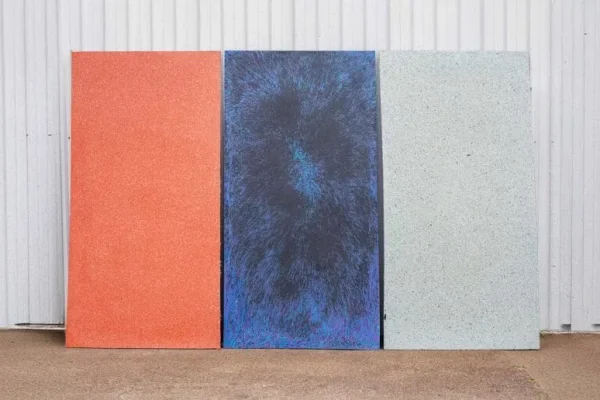
| Availability | 6 popular colours in stock; 7-day manufacturing | Reduced lead times for fast-paced MMC projects. |

Closing the Loop: The Take-Back Program
The most critical component of circular construction 2026 is the "End-of-Life" (EoL) pathway. The current linear model: build, use, demolish, landfill: is no longer economically viable due to skyrocketing landfill levies.
Resourceful Living offers a guaranteed take-back program. We collect our products free of charge at the end of their lifecycle for remanufacturing.
How to implement a take-back strategy in your next project:
- Specify mechanical fixings: Avoid permanent adhesives so panels can be removed cleanly.
- Include EoL in your O&M Manual: Ensure the facility manager knows the panels are 100% recyclable through Resourceful Living.
- Leverage for Tenders: Use our documented recycling pathway to boost your project’s sustainability rating and meet government procurement requirements.
Practical Implementation: A Checklist for Builders and Designers
To successfully integrate circularity with modern building methods, follow these steps:
- Early Engagement: Don't treat sustainable materials as an afterthought. Engage with us during the design phase to optimise sheet layouts and reduce waste. You can start by exploring our Waste Collection services to see how we can handle your site's own plastic waste.
- Verify Sourcing: Always ask for proof of Australian-made and sourced materials. This is crucial for reducing scope 3 emissions.
- Focus on Material Health: Our panels contain no additives or veneers, meaning there is no off-gassing and no toxic components to worry about during deconstruction.
- Standardise Components: Utilise our 2400mm x 1200mm sheets to align with standard building dimensions, reducing custom cutting and labour costs.
- Educate Your Team: Circularity is a team effort. Consider a Recycling Workshop to help your staff understand the value of the materials they are working with.
The Future of Australian Assets
By 2026, the most successful businesses in the built environment will be those that treat buildings as material banks. Every sheet of recycled plastic installed today is a resource for a project ten or twenty years from now.
Choosing Resourceful Living means you aren't just buying a product; you’re joining a circular movement that keeps Australian waste out of landfills and in the economy. Whether you're working on kitchen renovations, retail displays, or large-scale erosion control, our 100% recycled and recyclable materials provide the durability your project needs and the sustainability the future demands.

Ready to specify high-performance, circular materials for your next project?
Visit Resourceful Living to browse our range of colours and thicknesses, or contact our team to discuss bespoke solutions for your circular construction goals.