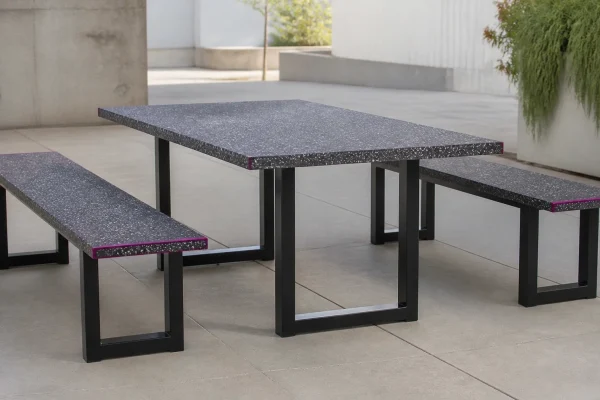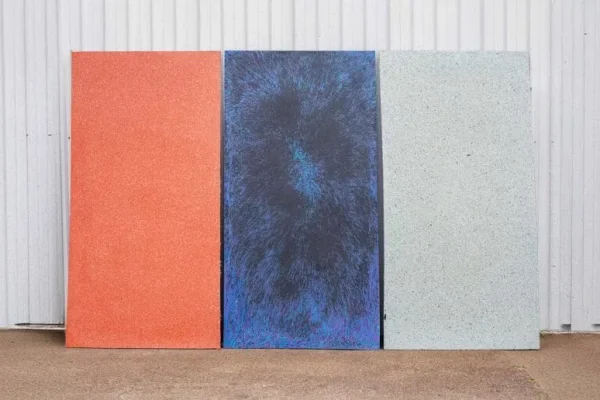
Sustainability used to be a "nice-to-have" marketing tag. In 2026, it’s a legal and financial liability. If you’re a builder, developer, or procurement officer in Australia, you’ve likely noticed the shift: the "vibe" of being eco-friendly is being replaced by the cold, hard data of embodied carbon reporting australia.
The problem? The supply chain for recycled materials is notoriously opaque. Many products marketed as "recycled" in Australia are actually manufactured from imported plastic pellets of questionable origin. When the auditor knocks on your door asking for a chain of custody, "I thought it was green" isn't going to cut it.
If you want to protect your project from greenwashing risks and ensure your ESG (Environmental, Social, and Governance) targets are actually met, you need to know how to audit your supply chain for 100% traceable Australian recycled plastic.
The "Imported Recycled" Risk: Why Origin Matters
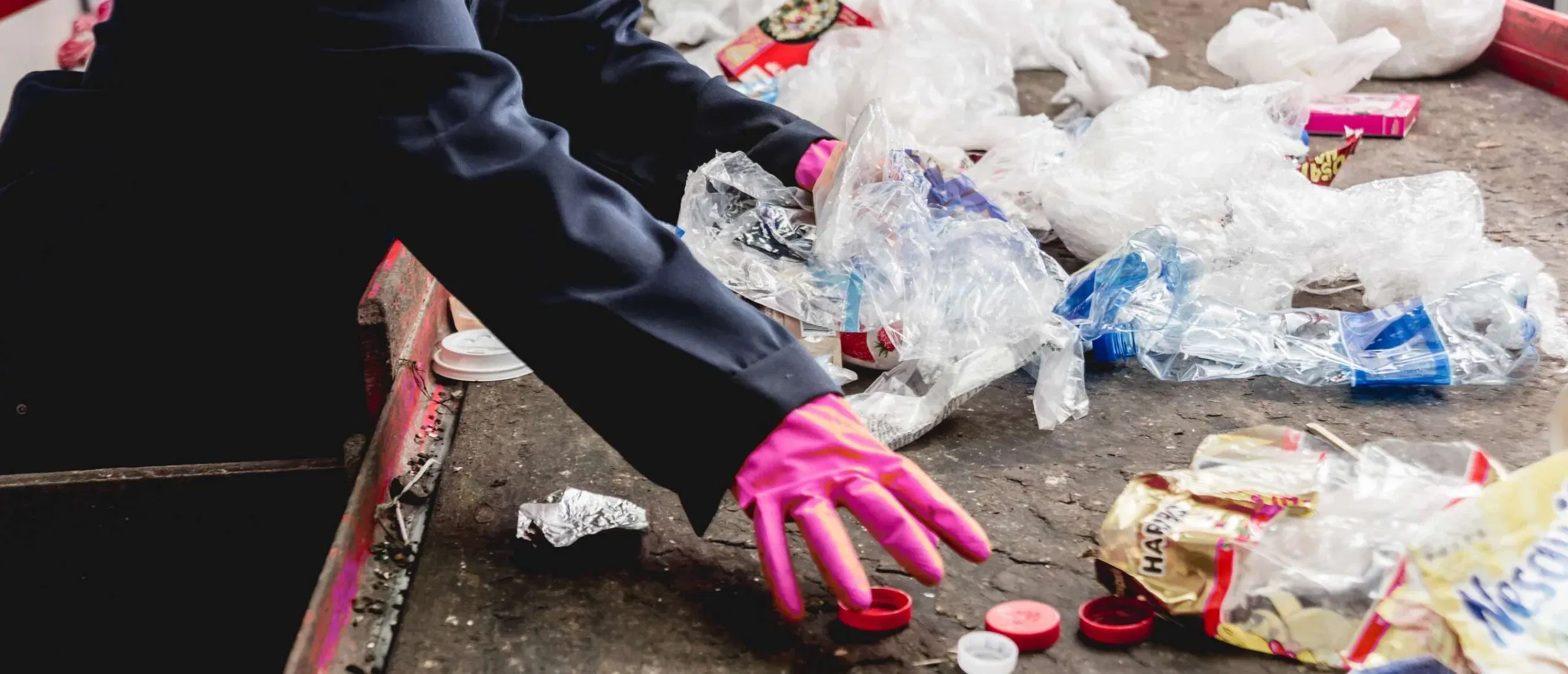
It sounds like a win: using recycled plastic. But if that plastic is collected in Europe, processed into pellets in Southeast Asia, and then shipped to Australia to be molded into a "sustainable" product, the environmental math stops adding up.
This is what we call the carbon irony. The emissions generated by the international shipping of waste often negate the carbon savings of using recycled content in the first place. Furthermore, once plastic waste crosses multiple international borders, traceability vanishes.
"Without a local, closed-loop system, 'recycled' is just a word on a spec sheet. True sustainability requires knowing exactly whose waste you’re sitting on." : Resourceful Living Team.
The Dangers of Opaque Supply Chains:
- Greenwashing Liability: If a supplier cannot prove the source of their material, your project is vulnerable to "greenwashing" claims during a formal audit.
- Contamination Issues: Imported recycled pellets often contain additives or mixed polymers that haven't been tested against Australian safety and durability standards.
- High Embodied Carbon: Shipping "green" materials halfway across the world significantly inflates your project's carbon footprint.
Understanding Embodied Carbon Reporting in Australia
As of 2026, the Australian building industry is under intense pressure to report on embodied carbon. This refers to the greenhouse gas emissions generated during the manufacture, transport, and construction of building materials.
When you specify recycled plastic sheets australia, you are aiming to lower the upfront carbon of your project. However, to report this accurately for high-level tenders or government contracts, you need verified data points.
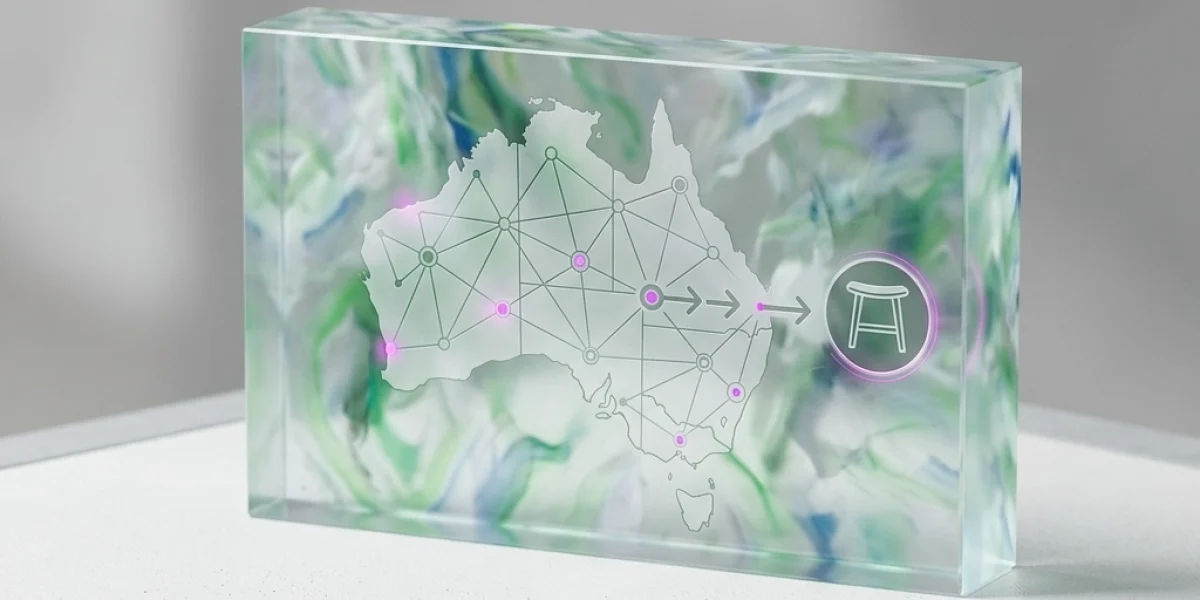
Using locally sourced and manufactured materials from Resourceful Living allows you to provide a clear, short-distance carbon story. We process recycled plastic products right here in Australia, meaning the transport emissions are a fraction of those associated with imported alternatives.
How to Conduct a Supply Chain Audit: A 4-Step Checklist
If you’re vetting a supplier for a major project, don't just take their brochure at face value. Ask the following four questions to ensure you’re getting the real deal.
1. Can you provide a Chain of Custody (CoC)?
A legitimate supplier should be able to show you exactly where the waste was collected. At Resourceful Living, we track our waste streams from collection to the final recycled plastic samples. Whether it's post-industrial waste from a local factory or post-consumer waste from a council program, the paper trail is unbroken.
2. Where is the actual "Value Add" happening?
Many companies claim to be "Australian" because they have a warehouse in Sydney, but the actual recycling and manufacturing happen offshore. Ask: “Where are the panels actually pressed?” If the answer isn't a local Australian facility, your traceability is compromised.
3. Is the material compliant with Australian Standards?
Imported recycled plastics often fall short of Australian fire ratings or UV stability requirements. Ensure your supplier has tested their specific Australian-made sheets for the local climate. Our construction-grade materials are designed specifically for Australian conditions, ensuring they don't just look good, but last for decades.
4. What is the End-of-Life plan?
A truly traceable supply chain is circular. Ask your supplier if they will take the product back at the end of its life. Resourceful Living offers a take-back program, meaning the material we sell you today will become the raw material for our next batch of products in 20 or 30 years.
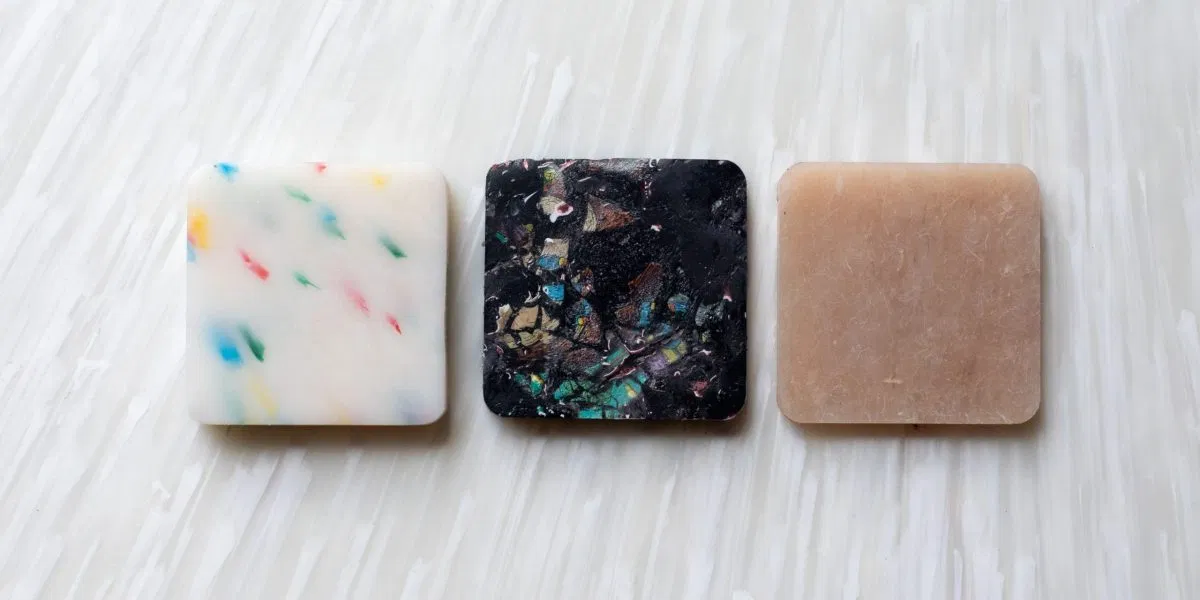
The Resourceful Living Difference: 100% Australian, 100% Traceable
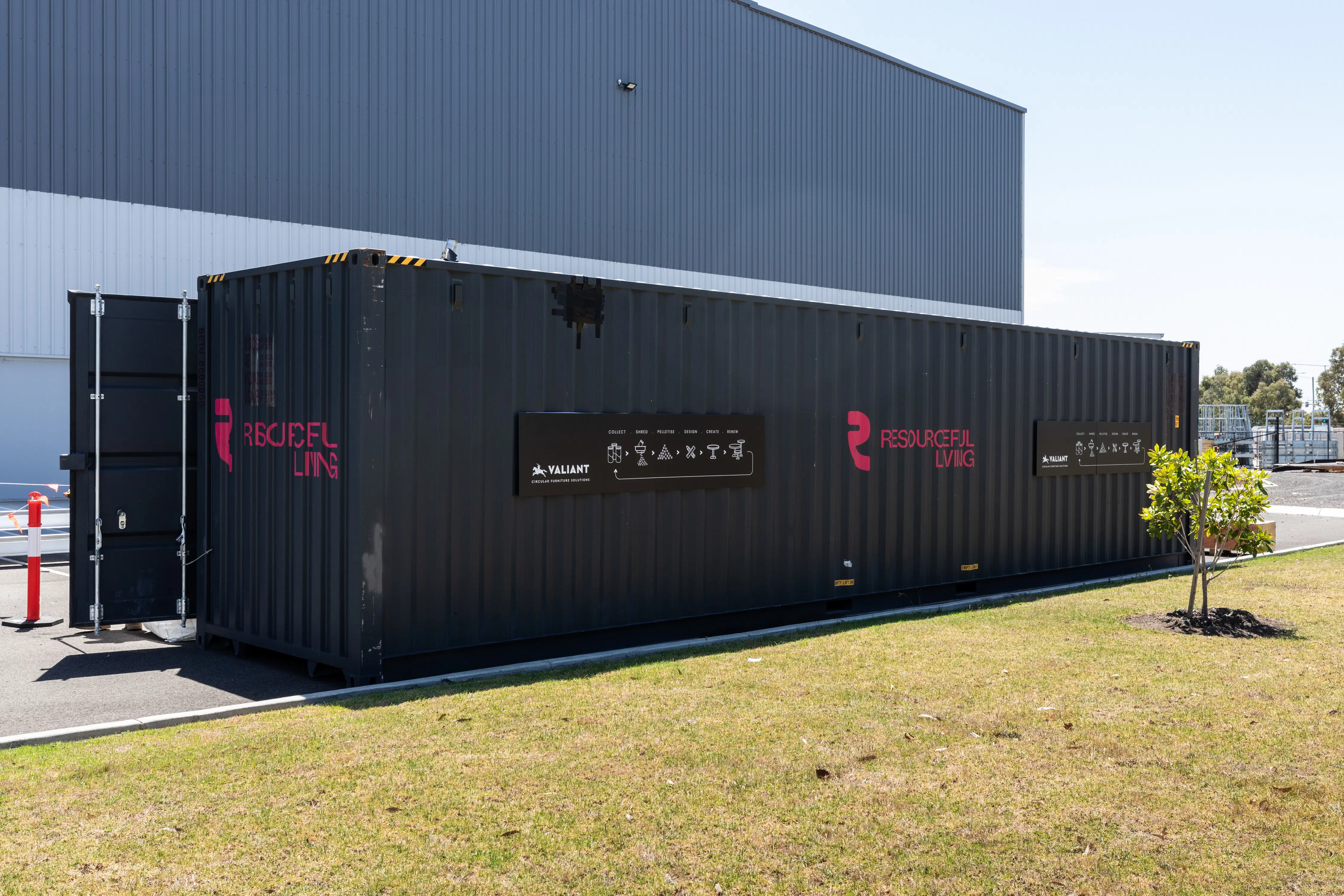
We didn't set out to just make "stuff." We set out to solve the plastic waste crisis in our own backyard. That’s why we’ve invested in the infrastructure to keep the entire process: from shredding to pressing: on Australian soil.
Verified Trust Signals
When you work with us, you aren't just taking our word for it. We back our claims with the certifications that procurement officers demand:
- Australian Made and Owned: This isn't just a logo; it’s a guarantee that your purchase supports local jobs and adheres to local environmental regulations.
- Pre-Qualified Supplier (Local Buy): For local government and councils, this status simplifies the procurement process, ensuring we’ve already met the rigorous standards required for public works.
Why Builders Choose Local Recycled Plastic Sheets
Beyond the "green" metrics, there are practical, bottom-line reasons to choose 100% traceable Australian material for your next build.
| Feature | Resourceful Living (Local) | Imported "Recycled" Plastic |
|---|---|---|
| Traceability | 100% – Source to Product | Low to Medium |
| Carbon Footprint | Minimal (Local Transport) | High (International Shipping) |
| Lead Times | Short (Stocked Locally) | Long (Shipping Delays) |
| ESG Compliance | High-Grade Audit Ready | Risky / Hard to Verify |
| End-of-Life | Take-Back Program Available | Landfill Destination |
By choosing recycled plastic sheets australia, you are de-risking your project. You are ensuring that when the ESG audit comes around, you have the documentation to prove your material choice was an asset, not a liability.
Moving Toward a Circular Economy
The shift toward 100% traceable materials is a fundamental change in how we build. It requires a move away from the "cheapest at any cost" mindset toward a "value over the lifecycle" approach.
We see this every day in our news and updates. Companies that lead the way in supply chain transparency are winning more tenders, attracting better investors, and building stronger brands.
Take Action: Secure Your Supply Chain
Don't wait for an audit failure to fix your supply chain. If you’re planning a project that requires recycled content, start with a partner who can provide the transparency you need.
- Request a Audit Pack: We can provide the technical data sheets and origin certifications you need for your tender.
- Order a Sample Kit: Feel the quality of 100% Australian recycled HDPE. Order yours here.
- Consult with our Team: If you have specific ESG targets or embodied carbon reporting australia requirements, let’s talk. We can help you spec the right material to hit your numbers.
The future of Australian manufacturing isn't just about making things: it's about making things that matter, with a story you can stand behind. Let's build something that lasts, without the greenwashing baggage.