Let’s be honest: for a long time, corporate sustainability was relegated to the "facilities management" bucket. It was about making sure there were enough blue bins in the breakroom and switching the lights off at 6:00 PM. But if you’re sitting in the CEO chair today, you know that the stakes have shifted.
Sustainability isn’t just a "feel-good" metric anymore; it’s a core financial and operational lever.
If your organisation is aiming for Net Zero, the biggest challenge isn't your office electricity bill. It’s your Scope 3 emissions: the carbon footprint embedded in every single thing you buy. Research shows that for most companies, purchased goods and services account for over 40% of their total emissions.
To hit those ESG targets and dodge rising landfill levies, we need to stop looking at the bin and start looking at the purchase order. Here is why strategic procurement is your secret weapon for a truly circular (and profitable) business model.
1. The "Discovery Phase": Engaging Before the First Brick is Laid
One of the biggest mistakes businesses make is treating sustainable materials as an afterthought. You design a project, finalise the specs, and then try to "green" it at the end by swapping out a few components.
At Resourceful Living, we advocate for a Discovery Phase. This is where you engage with circular manufacturers at the very start of a project.
Why? Because that’s when we can identify waste-to-resource opportunities. Instead of buying virgin materials and then paying someone to haul away your "waste" later, we look at the waste streams your business (or your industry) already generates. Can that plastic waste be processed and returned to you as fit-out panels, furniture, or infrastructure?
When procurement is involved in the design stage, you move from being a consumer to being a circular partner. You can learn more about these foundational moves in The Designer’s Cheat Sheet: 4 Principles of a True Circular Economy.
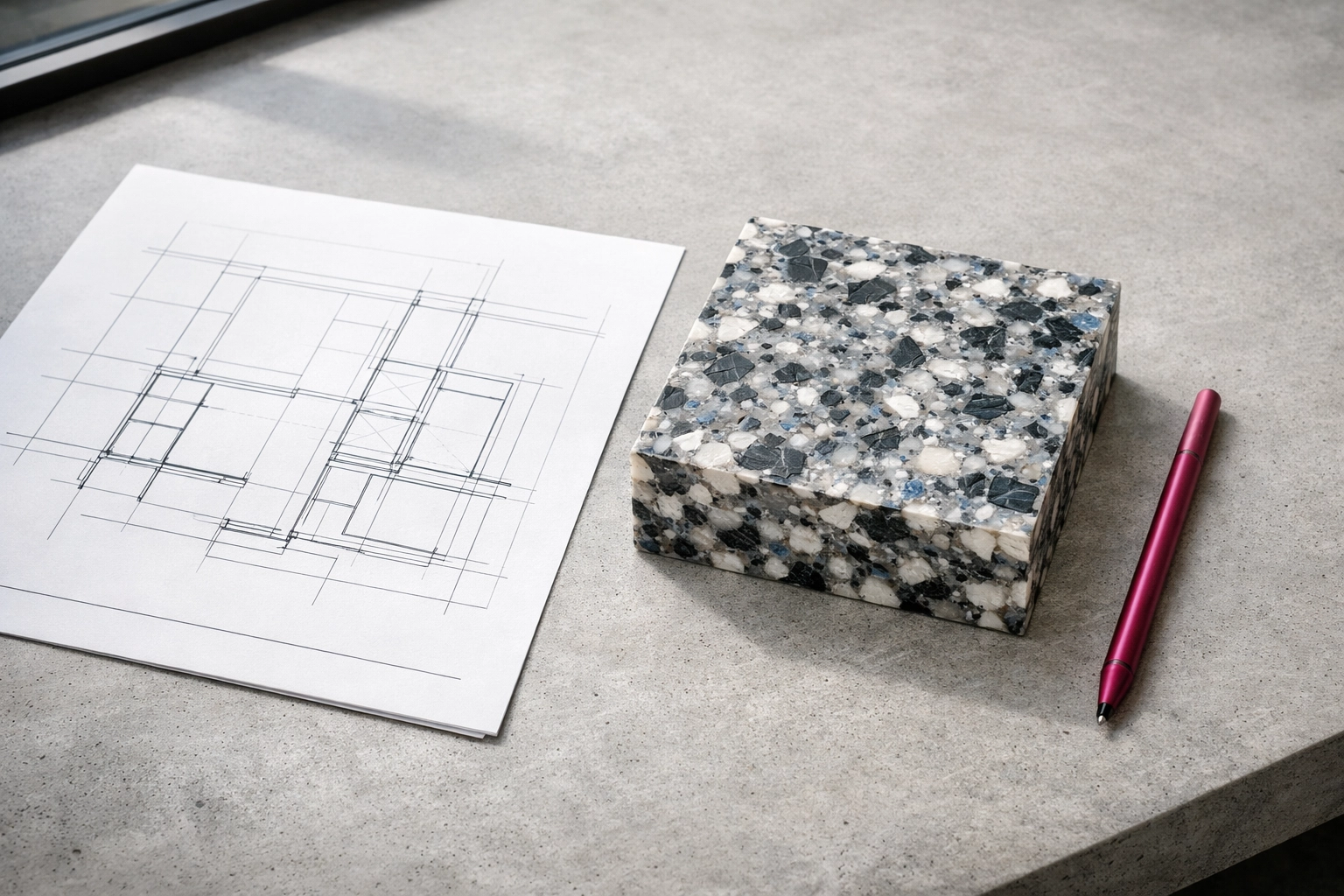
Caption: A strategic procurement flow showing the shift from linear 'Take-Make-Waste' to a circular 'Discovery-Design-Repurpose' model.
2. Performance Over Virgin Materials: The Durability Multiplier
There is a lingering myth in some boardrooms that "recycled" means "inferior." In the world of high-performance polymers, the opposite is often true.
Take HDPE (High-Density Polyethylene). When we manufacture 100% recycled Australian plastic panels, we aren't just creating a sustainable alternative; we’re creating a superior one.
- Longevity: Recycled HDPE can last up to 50 years in demanding environments.
- Weather Resistance: Unlike timber, it doesn't rot, split, or absorb moisture.
- Maintenance: It requires zero painting, oiling, or chemical treatments.
In many applications, our recycled plastic panels outlast plywood by five times. From a CEO’s perspective, this is a massive ROI play. You might pay a slight premium upfront compared to the cheapest virgin timber, but your replacement cycle is decimated. You aren't just buying a material; you're buying avoided future costs.
For a deep dive into the numbers, check out our comparison on Recycled Plastic vs. Timber vs. Steel.
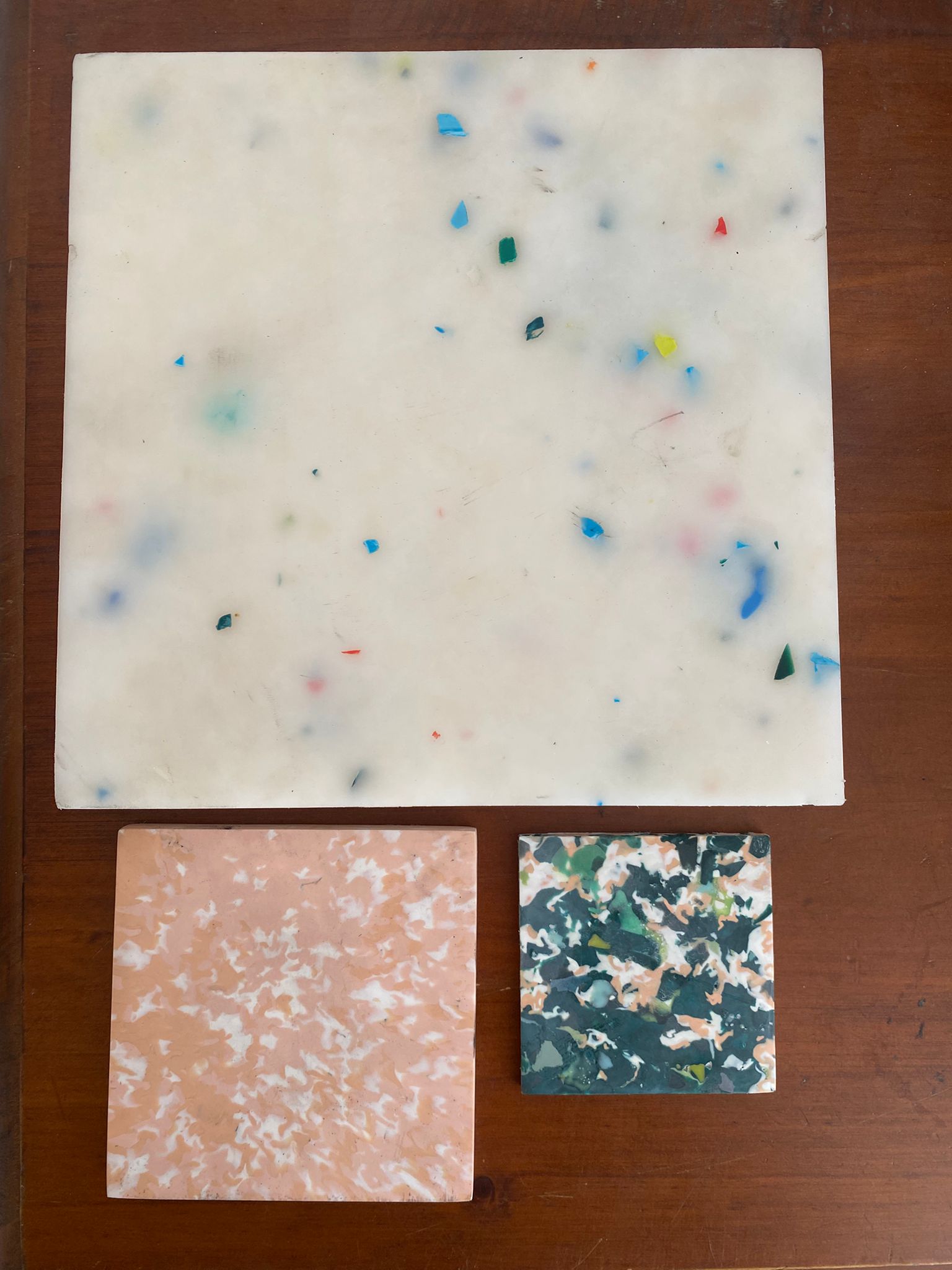
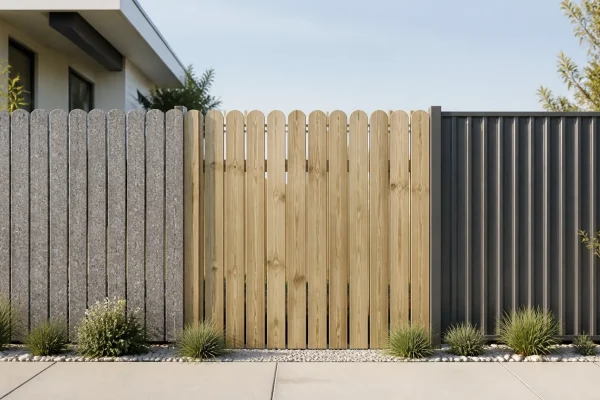
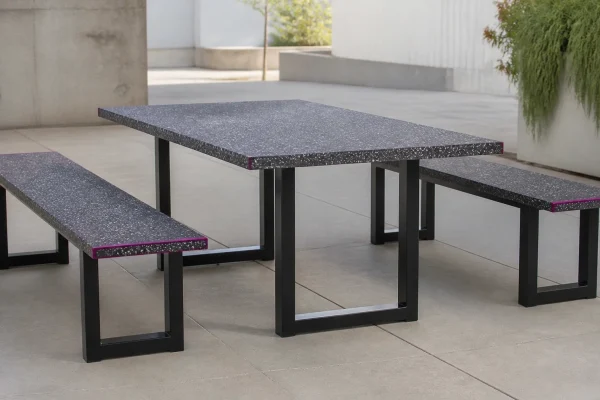
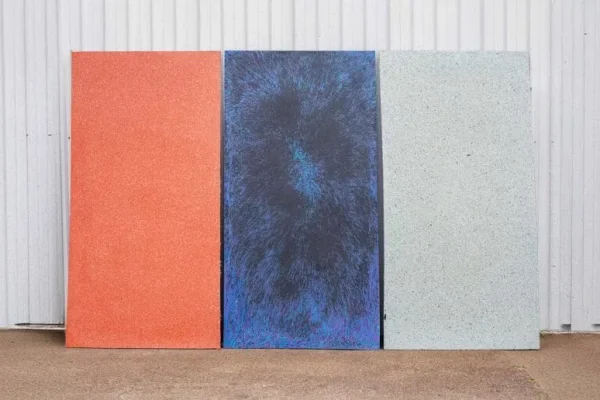
High-performance recycled HDPE panels: Engineered for durability that outperforms traditional timber and plywood.
3. The "Buy Back Scheme": Solving the End-of-Life Headache
Traditional procurement ends when the product is delivered. Strategic procurement ends when the product is retired.
One of the most significant risks for modern businesses is the rising cost of waste disposal. Landfill levies in Australia are skyrocketing, and they aren’t coming down. If you procure materials that have no end-of-life value, you’re essentially signing a future check for the local tip.
We’ve flipped this model on its head with our Buy Back Scheme.
When you procure our materials for a fit-out or a project, we offer a pathway to take those materials back at the end of their functional life. We shred them, wash them, and turn them into new products.
"Strategic procurement means you stop paying for waste twice: once when you buy the material, and again when you pay to throw it away." : Jess Hodge, CEO of Resourceful Living.
By choosing a Closed Loop ESG Partner Program, you’re effectively de-risking your future balance sheet. You’re turning a disposal liability into a circular asset.
4. Local Resilience: 100% Australian Waste and Manufacturing
The last few years have taught us that global supply chains are fragile. If your "sustainable" material is being shipped from halfway across the world, is it actually sustainable? And more importantly, is it reliable?
Strategic procurement prioritises local supply chain resilience.
At Resourceful Living, we use 100% Australian plastic waste. We manufacture right here in Australia. When you work with us, you’re not just hitting a carbon target; you’re:
- Supporting local manufacturing jobs.
- Reducing the carbon footprint associated with international freight.
- Ensuring traceability in your ESG reporting.
Our onsite mobile recycling units are a testament to this "local-first" approach, allowing us to process waste at the source.
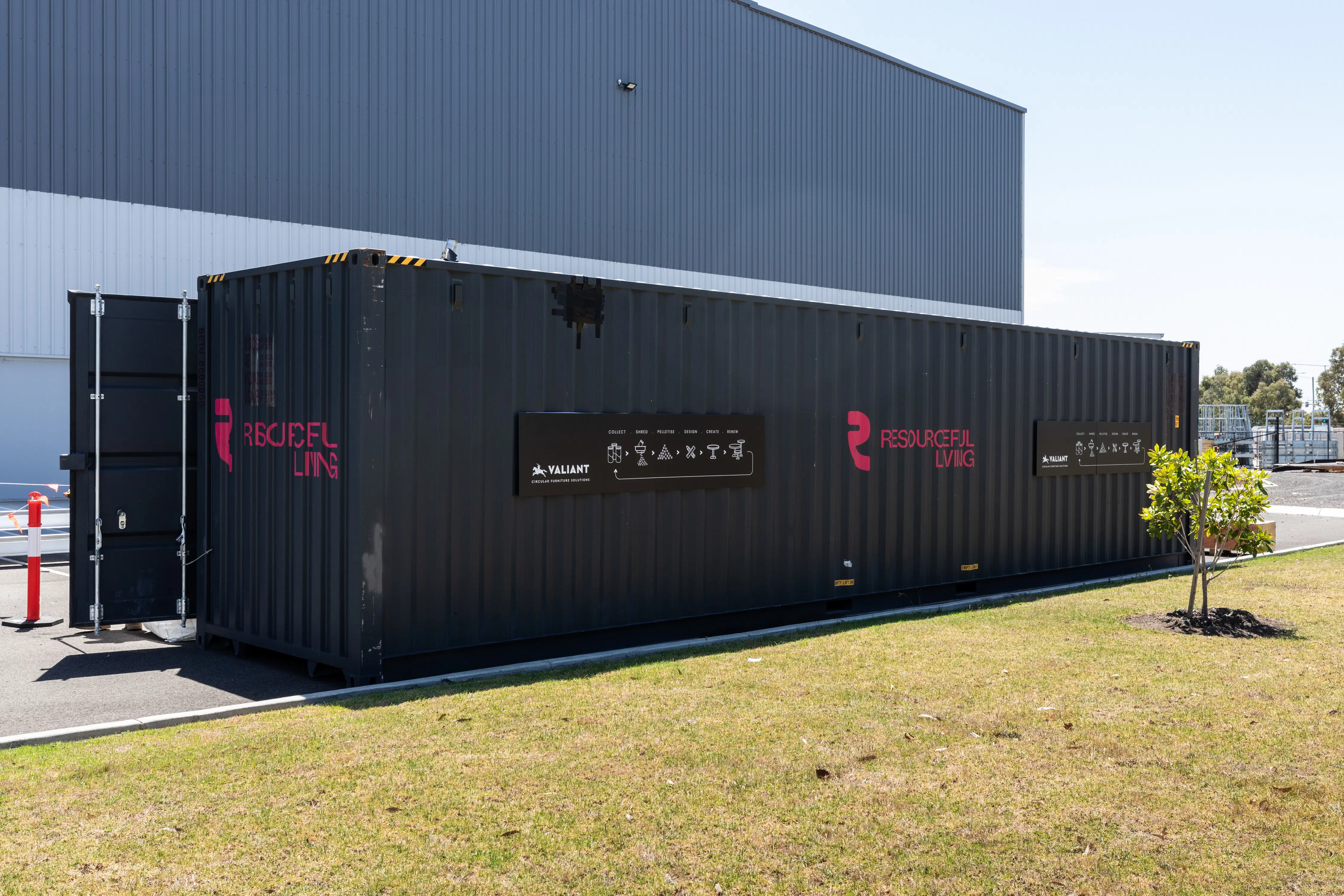
Our mobile processing units allow for 100% traceable, local recycling and manufacturing, cutting down transport emissions.
5. Strategic Procurement as an ESG Performance Driver
Your shareholders and investors are looking for more than just a pledge. They want data. They want to see how you are mitigating the physical and transition risks of climate change.
By shifting your procurement strategy toward recycled materials and circular models, you gain immediate, reportable wins:
- Lower Landfill Levies: By implementing take-back schemes, you directly reduce your waste overheads.
- Scope 3 Reduction: Switching from carbon-heavy virgin materials to recycled alternatives is the fastest way to drop your Scope 3 numbers.
- Regulatory Readiness: As the Australian government tightens "waste-to-landfill" regulations, your business will already be ahead of the curve.
Check out how we helped other businesses achieve this in our Case Study with Valiant Hire.

Caption: A comparative chart showing the reduction in Scope 3 emissions when switching from virgin timber/steel to recycled HDPE.
How to Start the Shift: A CEO’s Checklist
If you’re ready to turn procurement into your Net Zero secret weapon, here are three steps you can take this week:
- ✅ Audit the "Big Three": Identify the three highest-volume materials your company procures (e.g., office fit-outs, packaging, site hoardings). Ask: "Can these be made from recycled Australian plastic?"
- ✅ Mandate Early Engagement: Update your project management protocols to require a "Circular Discovery Phase" before design finalisation.
- ✅ Require "End-of-Life" Proof: Ask your suppliers what happens to their product in 10 years. If they don't have a take-back or recycling plan, they aren't a circular partner.
The Bottom Line
Net Zero isn't a destination we reach by buying carbon offsets; it’s a result of the thousands of procurement decisions made every day. When we choose materials that last 50 years, support local industry, and come with a built-in "return to base" plan, we aren't just saving the planet: we're building a smarter, more resilient business.

The future of procurement is circular. Durable, sustainable, and 100% Australian-made.
Ready to see what your waste could become? Let’s talk about how we can close the loop on your next project. Explore our product range or reach out to start your Discovery Phase today.