If you're operating in the Australian built environment today, you've likely felt the ground shifting. It wasn't that long ago that "sustainability" was a nice-to-have line item in a tender: a bit of fluff about recycling bins or energy-efficient lightbulbs that might get you a few bonus points.
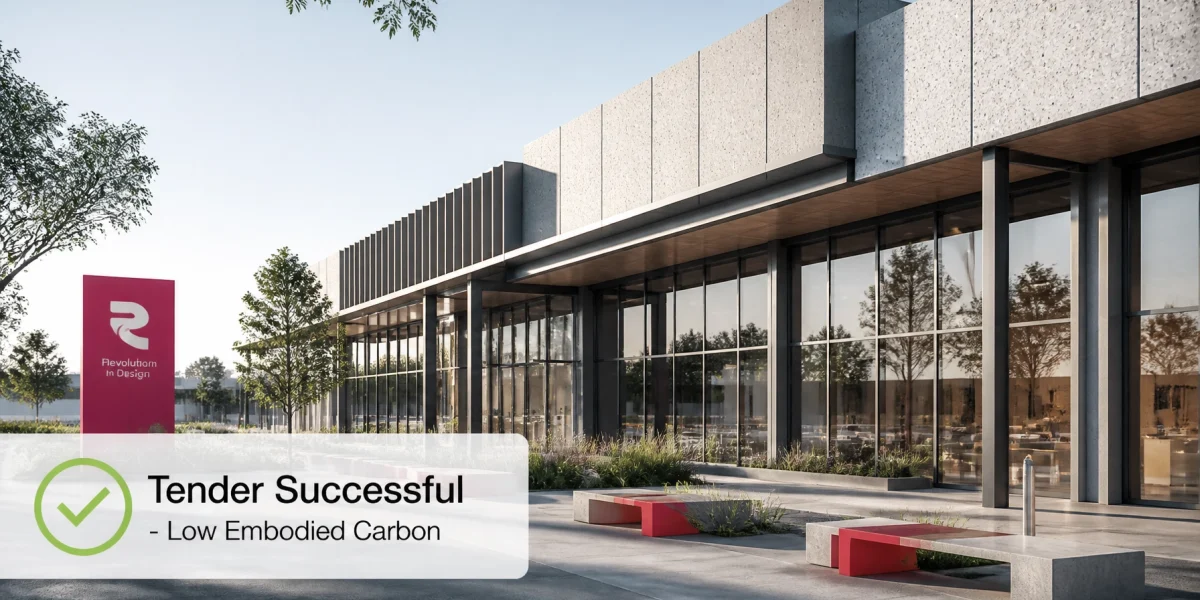
Fast forward to May 2026, and the game has fundamentally changed. We’ve moved past the "feel-good" era and entered the era of hard metrics. If you want to win government contracts or secure work with Tier 1 builders, you need to prove your carbon impact before you even break ground.
Embodied carbon reporting in Australia has become the new baseline. It’s no longer just about compliance; it’s about competitive advantage. At Resourceful Living, we’re seeing a massive surge in builders who aren't just looking for durable materials: they're looking for the data that comes with them.
In this guide, we’ll dive into why high-quality embodied carbon reporting is your secret weapon for winning tenders in 2026 and how choosing the right sustainable building materials in Australia can put you at the top of the pile.
The 2026 Landscape: Why "Sustainable" Isn’t Enough Anymore
The Australian building sector is responsible for a staggering amount of the nation's total emissions. For years, the industry’s focus was on operational carbon: the energy a building uses once the lights are on. But as our electricity grid gets greener, the focus has swung heavily toward embodied carbon.
This is the "upfront" debt. It’s the emissions generated during the extraction, manufacture, transport, and assembly of every material on your site. According to current data, these upfront emissions can account for up to 80% of a building’s lifetime carbon footprint.
The Regulatory Push
The NCC 2025 updates (which hit full stride in early 2026) have introduced voluntary pathways for reporting that are rapidly becoming mandatory in practice.
- Government Mandates: Most state and federal government tenders now require a detailed Life Cycle Assessment (LCA).
- NABERS & Green Star: Frameworks like NABERS have tightened the screws on embodied carbon rules, making it nearly impossible to hit high ratings without low-carbon material choices.
- The 2028 Forecast: Industry experts suggest that by 2028, embodied carbon limits will move from "reportable" to a strict "pass/fail" threshold.
If you aren't measuring your carbon footprint today, you won't be winning the big contracts tomorrow.
How High-Quality Data Becomes Your Secret Tender Weapon
When a procurement officer sits down to review ten different bids for a new school or community centre, they are looking for risk mitigation. In 2026, "greenwashing" is a massive legal and reputational risk.
By providing robust, transparent embodied carbon reporting, you aren't just showing you're eco-friendly: you’re showing you’re professional, compliant, and data-driven.
1. Transparency Through verified EPDs
Marketing claims like "eco-friendly" or "locally sourced" don't cut it in a 2026 tender. You need an Environmental Product Declaration (EPD).
An EPD is essentially a "nutrition label" for building materials. It provides third-party verified data on a product’s environmental impact from "cradle to gate." When you use materials that come with a verified EPD, you make the tender reviewer's job incredibly easy. You’ve done the homework for them.
2. Slashing Transport Emissions with Local Sourcing
One of the biggest pitfalls in embodied carbon reporting is the "hidden" footprint of transport. You might find a "recycled" material overseas, but by the time it’s shipped across the ocean, its carbon footprint has exploded.
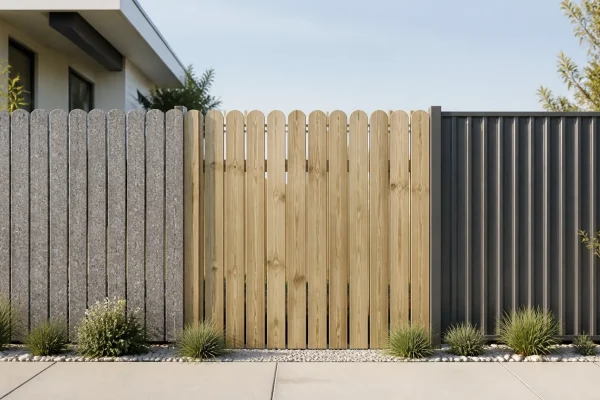
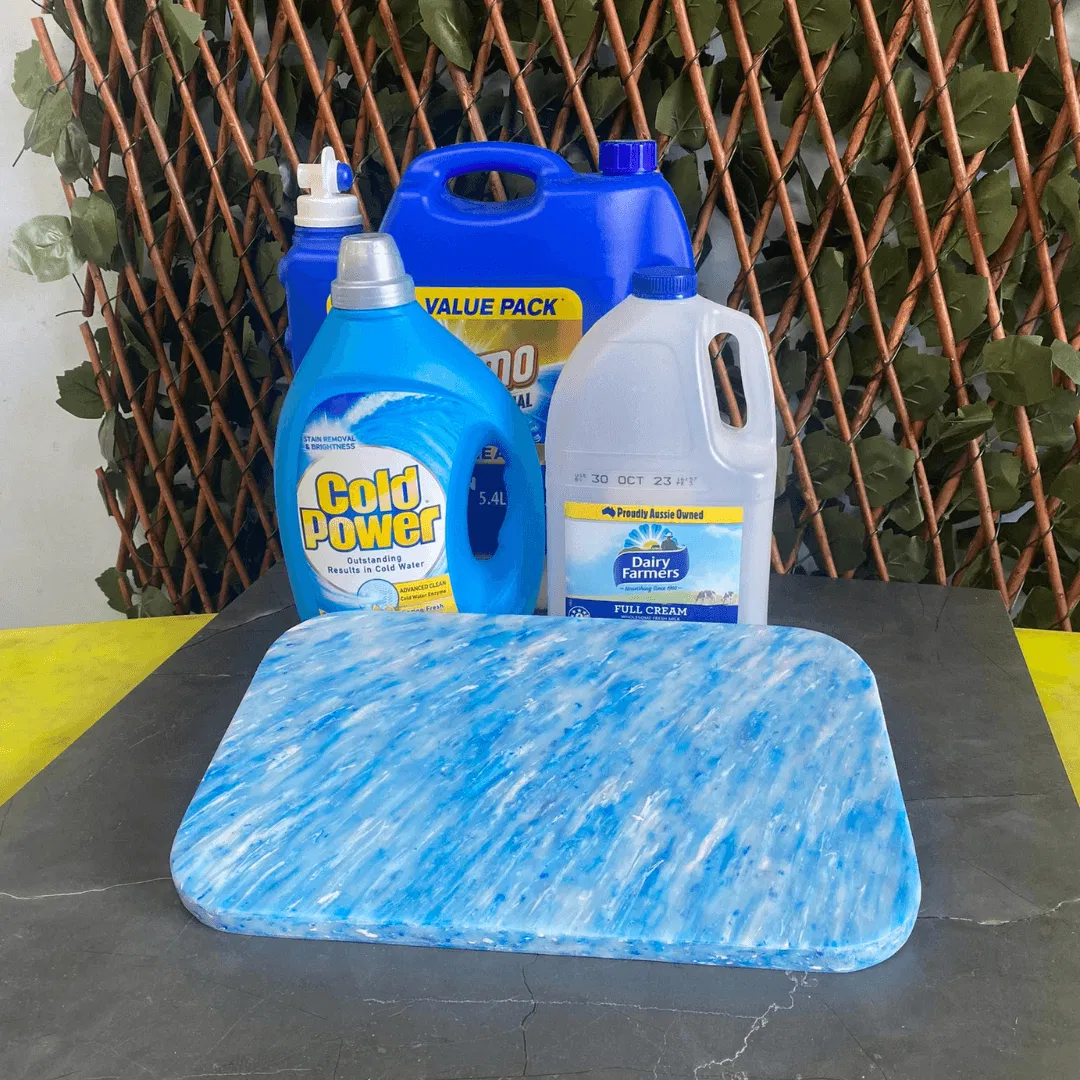
By choosing 100% Australian-made recycled plastic panels, you significantly reduce the transport component of your reporting. Local sourcing isn't just a "social procurement" win; it’s a direct hit to your Global Warming Potential (GWP) numbers.
"Embodied carbon is expected to become mandatory in the NCC 2028 update. Builders have roughly two years to establish their data baselines and secure reliable supplier relationships."
Resourceful Living: Your Partner in Circular Tendering
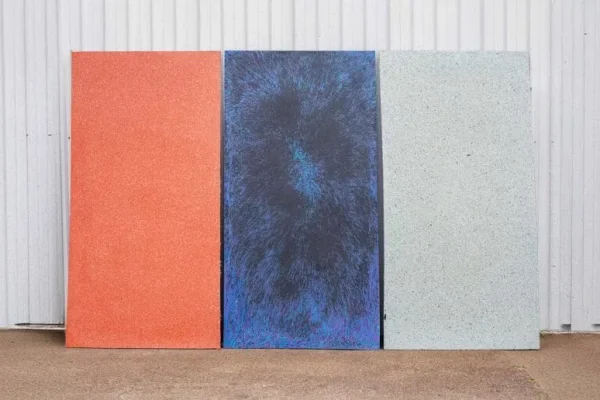
We don’t just make 100% recycled plastic sheets; we provide the circular solution that tender boards love. Our process is designed to help you hit those tricky NABERS and Green Star targets without blowing the budget.
Traceability You Can Trust
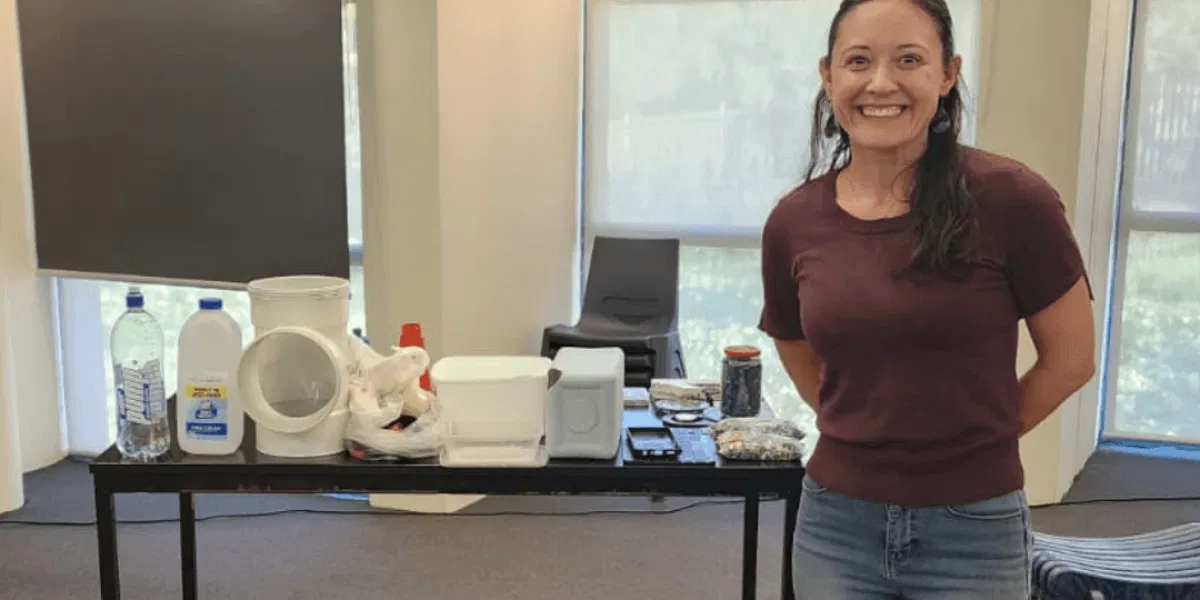
At Resourceful Living, we process 100% Australian plastic waste right here in New South Wales. We can trace our material back to the source: whether it’s commercial soft plastics or kerbside recycling. This level of traceability is a goldmine for your ESG reporting.
The Take-Back Program: Closing the Loop
One of the most powerful things you can include in a tender bid is a Product Stewardship plan. Our take-back program means that at the end of the building's life (or the fit-out's life), we will take our panels back and recycle them all over again.
This effectively reduces the "End of Life" carbon impact in your LCA, giving your project a much better circularity score than traditional materials like plywood or concrete. Speaking of plywood, check out why choosing recycled plastic over timber is a smarter long-term financial move.
Your Checklist: Getting Your Material Data Tender-Ready
If you're preparing a bid for a government project, here are the four things you need from your material suppliers to ensure your embodied carbon reporting in Australia stands out:
- Verified GWP Values: Does the supplier have clear data on the Global Warming Potential of their product?
- Origin Proof: Can they prove the material is 100% Australian-made? This is critical for both carbon reporting and social procurement quotas.
- End-of-Life Strategy: What happens to the material in 20 years? A "circular" material with a take-back program is always preferred over one destined for landfill.
- Durability Data: Low-carbon is great, but it has to last. Ensure your materials are tested for the harsh Australian climate to avoid "replacement carbon" down the line.

The Bottom Line: Winning the Circular Economy
Winning tenders in 2026 isn't just about being the cheapest; it's about being the smartest. By mastering embodied carbon reporting and sourcing the best sustainable building materials in Australia, you position your business as a leader in the circular economy.
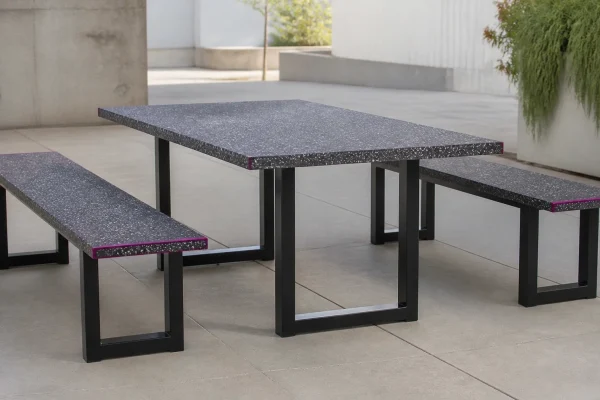
Materials like our recycled plastic panels aren't just good for the planet; they're good for your win rate. They offer a unique aesthetic, incredible durability, and: most importantly: the transparent data you need to satisfy the most demanding tender boards.
Ready to get your next project tender-ready? Contact us at Resourceful Living today to get the specs, data, and samples you need to lead the shift to circular construction.