It’s Monday, 27 April 2026. If you’re a builder, developer, or designer in Australia, the landscape under your feet just shifted. We aren't just talking about banning plastic straws anymore. We are in the era of comprehensive plastic reform, where the "easy" options of the past are now legal liabilities.
The 2026 plastic ban isn't a suggestion; it’s a full-scale pivot in how we handle material waste and procurement. With the NSW Plastics Plan 2.0 and national harmonisation in full swing, the industry is scrambling to find compliant, durable alternatives.
If you’re wondering how to navigate circular construction 2026, or why your usual timber and plywood specs are suddenly failing the "sustainability" sniff test in government tenders, you’re in the right place. Let’s break down what’s actually happening and how you can stay ahead of the curve.
The 2026 Reality: What’s Actually Being Phased Out?
The Australian government has identified 24 key items for harmonised phase-outs. While some relate to consumer goods (like those tiny fish-shaped soy sauce bottles), the implications for the construction and design sector are massive.
- The "Red List" of Chemicals: For the first time, we are seeing a strict ban on specific toxic additives in plastics. If your materials contain certain flame retardants or stabilisers, they’re out.
- The Death of "Compostable" Plastics: This is the big one. Many designers pivoted to "biodegradable" or "compostable" plastics thinking they were doing the right thing. In 2026, many of these are banned because they contaminate traditional recycling streams and don't actually break down in the environment as promised.
- Design-for-Recyclability Rules: You can no longer just "use plastic." If the item isn't designed to be recovered and reprocessed, it’s failing the new procurement standards.
For a deeper look at the data behind these shifts, check out our report on whether specifying sustainable building materials actually matters in 2026.
Why Builders and Designers are at the Frontline
You might think, "I'm building a house/office, not selling takeaway food." But the 2026 ban is about more than just the end product; it’s about site waste and fit-out materials.
Every year, the Australian construction industry generates over 20 million tonnes of waste. In 2026, "dumping" that waste is becoming prohibitively expensive. Circularity is now a requirement for winning NSW government tenders.
Designers are also facing pressure to ensure retail and commercial fit-outs are "circular-ready." If you specify a material that can’t be recycled at the end of the lease, you’re creating a future disposal cost for your client.

Sustainable Building Materials Australia: The Circular Solution
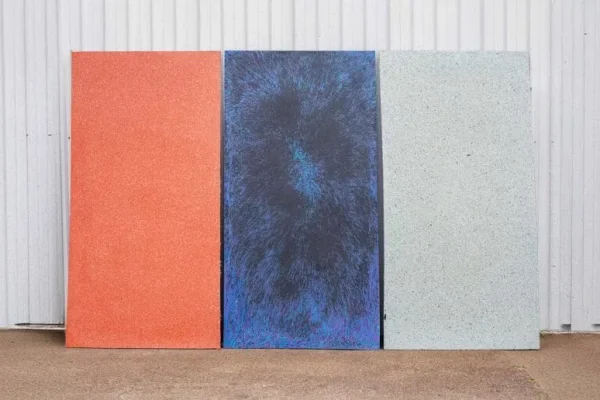
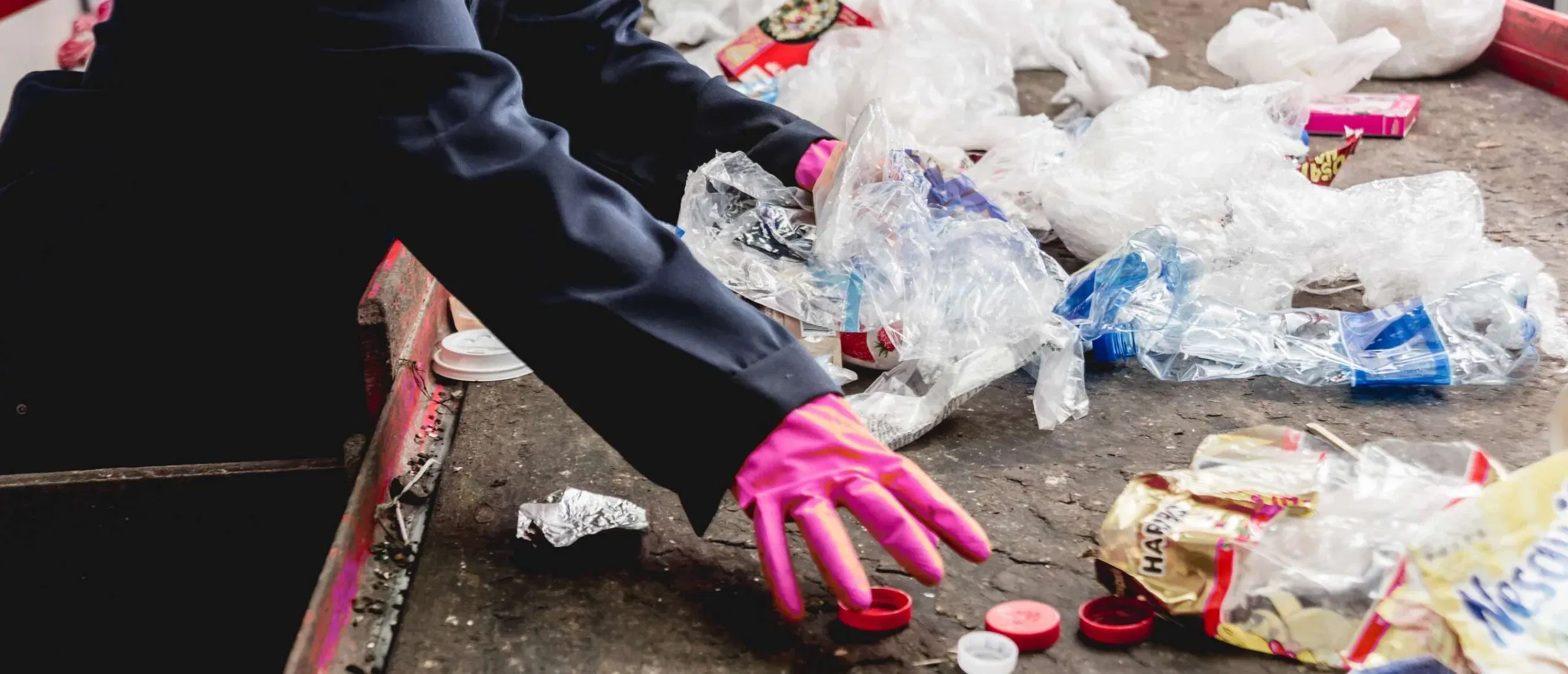
At Resourceful Living, we’ve seen this coming. Our entire manufacturing process is built for the 2026 circular economy. We take 100% Australian post-consumer plastic: stuff like HDPE milk bottles and shampoo containers: and turn them into high-performance 2400mm x 1200mm panels.
Why HDPE Panels are the "Safe Bet" for 2026:
- Zero Additives: We don't use the toxic binders or glues found in MDF or some composite timbers. This keeps us off the "Red List."
- 100% Recyclable: Unlike "compostable" plastics, our panels can be shredded and turned back into new panels at the end of their life. That’s true circularity.
- Local Traceability: With the 2026 regulations, you need to prove where your material comes from. Our panels are made right here in the Hunter, NSW.

Navigating the Transition: A 3-Step Guide for Designers
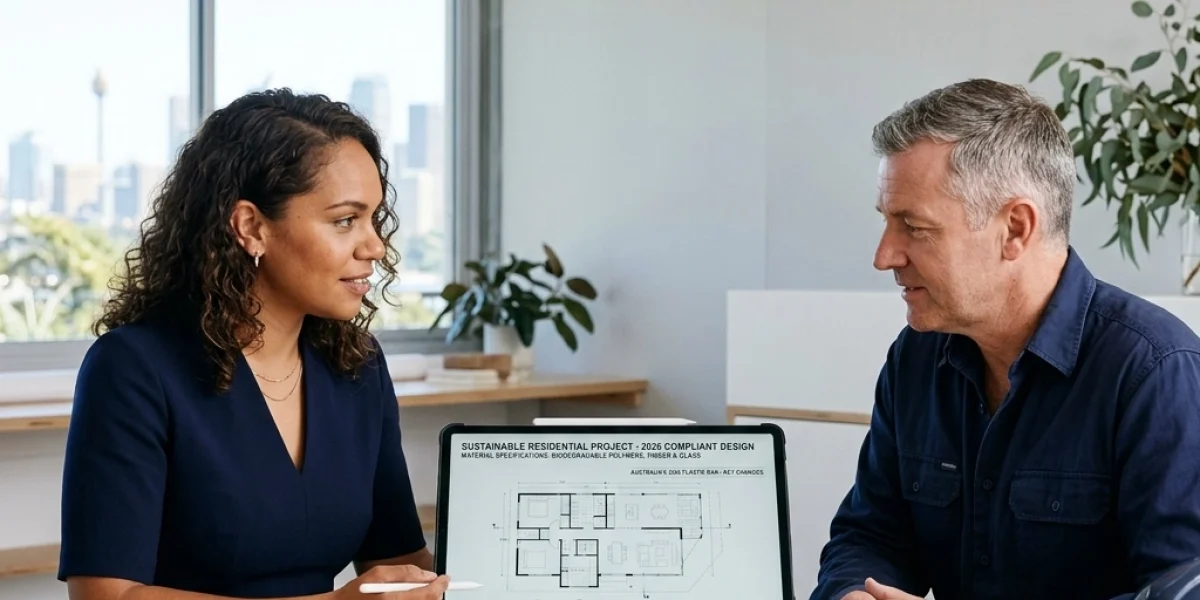
If you’re currently drafting specs for a 2026 or 2027 project, here’s how you stay compliant and competitive:
1. Audit Your "Green" Claims
The era of the "greenwash checkbox" is dead. If you’re claiming a material is sustainable, you need the data to back it up. This is where Embodied Carbon Reporting becomes your best friend. You can learn how to get your material data NABERS-ready here.
2. Swap Plywood for Recycled Plastic in High-Wear Areas
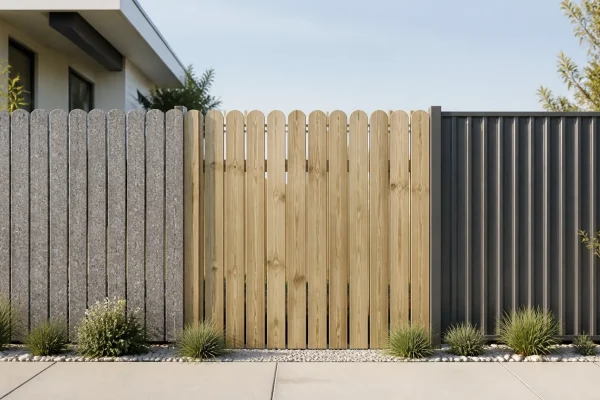
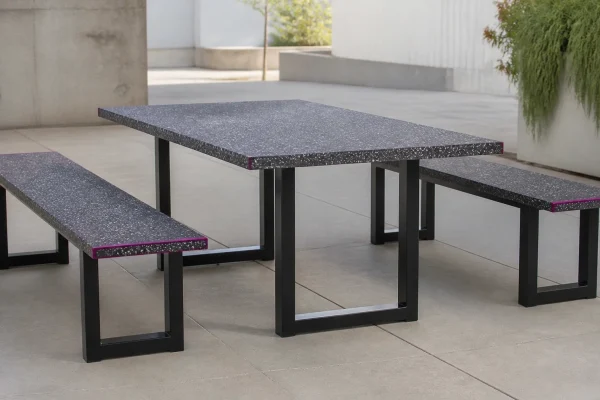
Plywood rots, delaminates, and requires constant maintenance. In the 2026 economy, durability is sustainability. Our recycled plastic panels outlast plywood by 5x in harsh Aussie conditions. Whether it's for hoarding, cabinetry, or outdoor furniture, the ROI is undeniable. Compare the maintenance budgets of timber vs. recycled plastic to see the long-term savings.
3. Plan for the "Take-Back"
Design with the end in mind. When you specify Resourceful Living panels, you aren't just buying a sheet of plastic; you’re entering a circular loop. We offer a take-back program for our off-cuts and end-of-life products, which drastically reduces your site waste management burden.
The Cost Factor: Is Circularity More Expensive?
The most common question we get in Sales is about the bottom line. It’s a fair question. In 2026, the "cost" of a material isn't just the invoice price: it’s the Total Cost of Ownership (TCO).
- Traditional Materials: Low upfront cost + High maintenance + High disposal fees (due to new plastic bans/landfill levies).
- Recycled HDPE Panels: Competitive upfront cost + Zero maintenance + Zero disposal fees (via our take-back program).
When you look at our 2026 Price Guide, you’ll see that the gap has narrowed significantly. When you factor in the "green premium" that developers can charge for sustainable builds, the circular option usually wins on ROI.
Case Study: Retail Fit-Outs in the New Economy
We recently worked with a commercial designer who was tasked with a 7-day "fast-track" fit-out. Under the new 2026 regulations, they couldn't use standard laminate because of the VOC emissions and lack of end-of-life recycling options.
They switched to our Midnight Blue Marbled panels. Not only did they meet the sustainability requirements for the precinct, but the material was worked using standard woodworking tools, saving the contractor hours on site.
"Switching to recycled plastic wasn't just about the environment; it was about de-risking the project against future regulations. We knew the material would pass any audit the council threw at us." : Lead Designer, Commercial Fit-outs.
For more on how we handle these projects, read our 7-day fast-track guide for commercial fit-outs.
Checklist: Is Your Material List 2026-Ready?
Before you sign off on your next procurement order, run through this quick checklist:
- ✅ Is it free from "Red List" chemical additives?
- ✅ Does the supplier offer a documented "Take-Back" program?
- ✅ Is the material 100% recyclable (not just "partially" or "compostable")?
- ✅ Is there a clear chain of custody from an Australian facility?
- ✅ Can you access the Embodied Carbon data for your reporting?
If you can’t tick all five boxes, you’re exposing your project to regulatory risk and potential greenwashing claims.
Conclusion: Don't Get Left Behind
The 2026 plastic ban is a "growing pain" for the industry, but it’s also a massive opportunity. Builders and designers who embrace sustainable building materials in Australia now will be the ones winning the big contracts for the next decade.
At Resourceful Living, we make the transition easy. Our panels are ready to ship, our data is transparent, and our process is 100% Australian.
Ready to pivot your project to circularity?
- Download our 2026 Price Guide
- Browse our standard HDPE Product Data Sheets
- Book a consultation for your next tender
The future of construction isn't just about building up; it’s about building in circles. Let’s get started.