By now, you’ve heard the term "Circular Economy" so many times it probably feels like background noise. But as we move through 2026, the noise has turned into a mandate. Whether it’s the updated National Construction Code (NCC) requirements or the tightening of government procurement rules, circular construction 2026 isn't just about "being green": it’s about staying compliant and competitive.
In the Australian market, recycled plastic sheets Australia have emerged as a frontrunner for everything from hoarding and site sheds to architectural cladding and furniture. However, simply swapping out timber for plastic doesn't guarantee success. We’re seeing a lot of Tier 1 and Tier 2 builders making the same avoidable errors that cost them time, money, and reputation.
If you want to lead the pack in sustainable building materials Australia, you need to avoid these seven common pitfalls.
Mistake 1: Ignoring Thermal Expansion (The 'Thermal Shuffle')
One of the biggest mistakes designers and installers make is treating recycled plastic like plywood or fibre cement. Recycled HDPE (High-Density Polyethylene) has a high coefficient of linear thermal expansion. In plain English: it moves.
If you fix a 2400mm recycled plastic sheet tight to a frame in the cool of an Australian morning, it will expand significantly by 2 PM under the direct sun. If there's no room to move, the sheet will buckle or "oil-can."
The Fix:
Stop fighting physics. Use slotted holes and oversized fixings. We recommend using pan-head screws with a washer, ensuring the hole in the plastic is 2-3mm larger than the screw shank. This allows the material to glide during the "thermal shuffle" without compromising structural integrity. For a deeper dive into the physics, check out from 8mm to 40mm: the specifiers’ technical guide to recycled plastic sheets.
Mistake 2: Forgetting UV Stabilisation for the Aussie Sun
Not all recycled plastic is created equal. A lot of imported material is designed for European or North American climates. In Australia, our UV levels are brutal. Without the right additives, recycled plastic can become brittle, fade, or "chalk" within just a few years.
The Fix:
Always specify UV-stabilised materials. At Resourceful Living, we integrate high-grade UV inhibitors into our manufacturing process specifically to withstand the Australian sun. If you’re specifying for coastal boardwalks or outdoor infrastructure, don't settle for "general purpose" plastic. Ensure the technical data sheet confirms it is rated for high-UV environments.
Mistake 3: Falling for Greenwashing Without Traceability
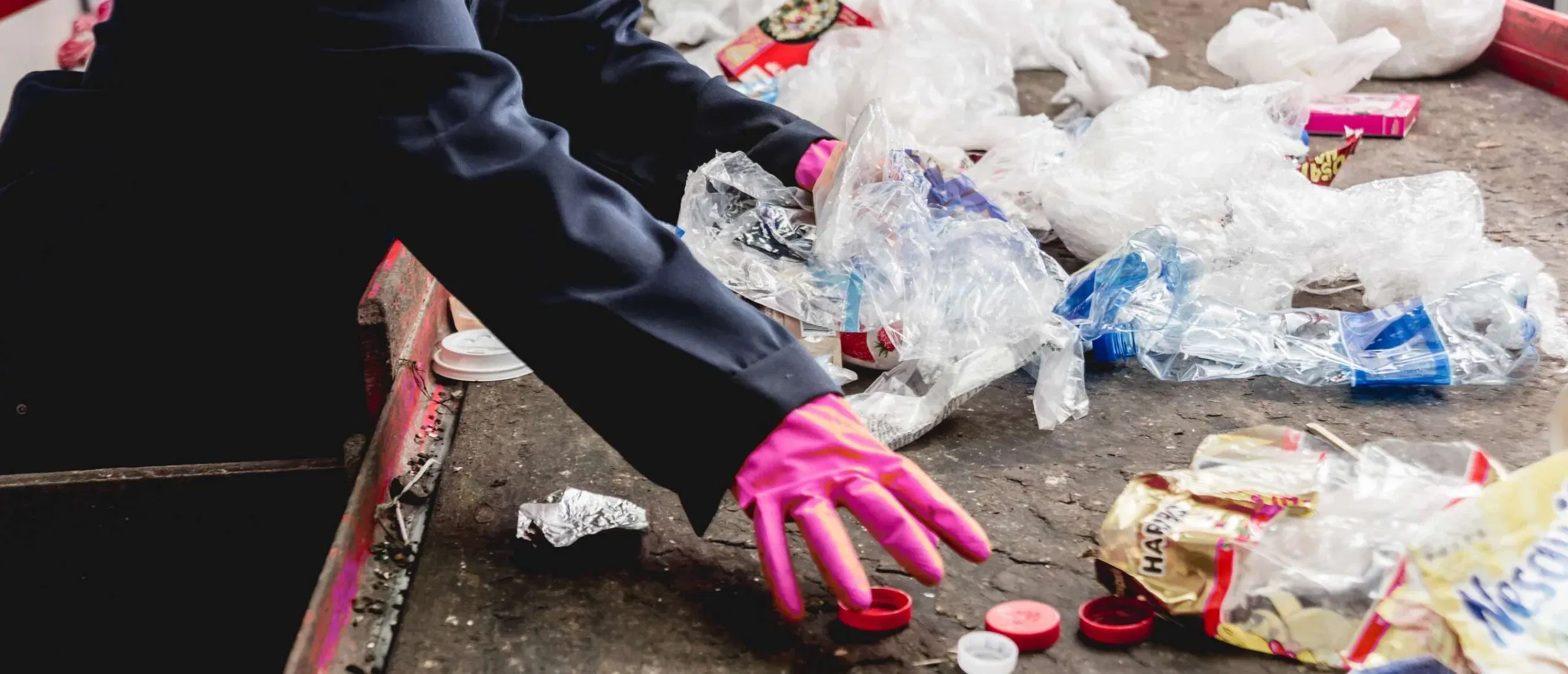
In 2026, saying a product is "recycled" isn't enough. Clients and auditors now demand traceability. We’ve seen projects where "recycled plastic" was actually virgin resin mixed with a tiny percentage of floor sweepings, or worse, imported waste with a massive carbon footprint from shipping.
The Fix:
Demand a Chain of Custody. You should be able to track your material from the bin to the finished board. This is why we focus on 100% Australian-sourced waste. Not only does it support local industry, but it also ensures your sustainable building materials Australia credentials are ironclad. Before you buy, read beyond the hype: how to audit your supply chain for 100% traceable Australian recycled plastic.
Mistake 4: Treating Site Handover as the End of Responsibility
The old "build it and walk away" model is dead. Circular construction requires a Whole-of-Life perspective. If your materials end up in a landfill in 15 years because they weren't designed for disassembly, you haven't actually built a circular project: you've just delayed the waste.
The Fix:
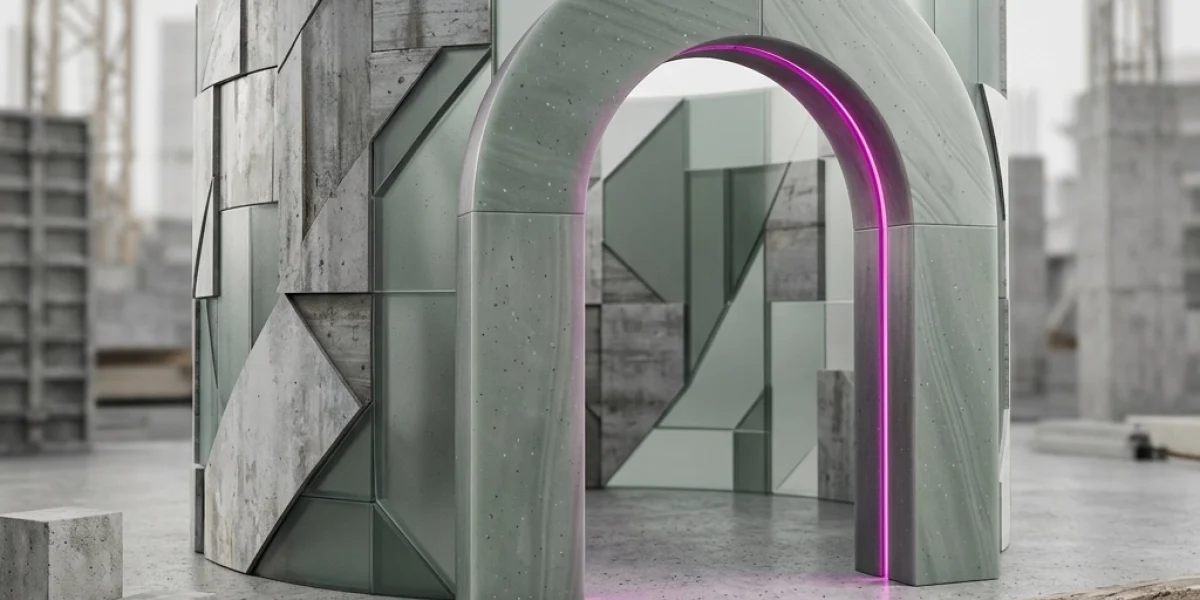
Design for deconstruction. This means using mechanical fixings (screws, bolts) rather than adhesives. If a panel is glued to a substrate, it’s contaminated and cannot be easily recycled again. By keeping the materials "clean," you ensure they can be returned to the circular loop at the end of their primary life.
Caption: A modern construction site utilising modular, mechanically-fixed recycled plastic panels for easy disassembly and future reuse.
Mistake 5: Underestimating the Design Potential
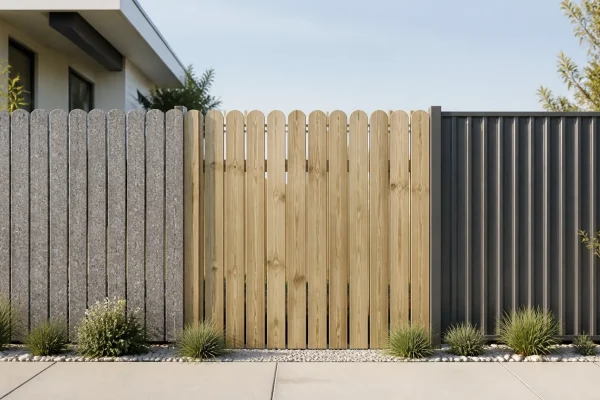
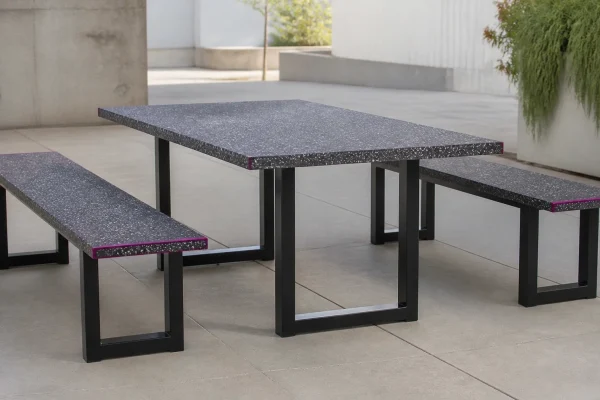
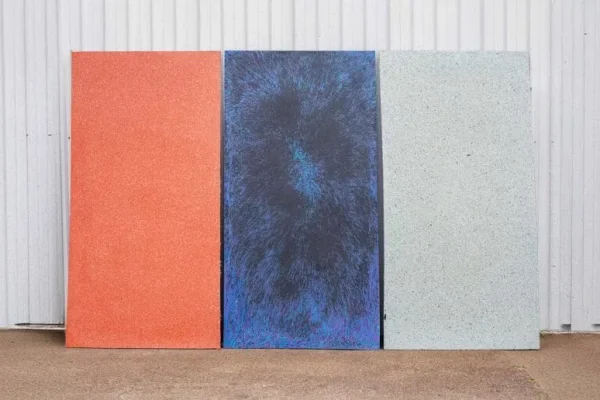
Too many architects think recycled plastic sheets Australia only come in "industrial grey" or "utility black." This leads to missed opportunities for high-end aesthetic finishes in retail fit-outs, offices, and public spaces.
The Fix:
Think beyond the utility. Recycled plastic can be worked like timber: sanded, routed, and polished: to create stunning textures. Because the colour is consistent through the entire sheet, scratches don't show white or grey; they just reveal more of the beautiful, recycled pattern. We’re seeing these materials replace everything from engineered stone to high-pressure laminates. See how we compare in recycled plastic benchtops vs engineered stone: the honest comparison.

Mistake 6: Not Accounting for Carbon Credits in Your Tender
This is the mistake that costs you the job. Many builders still tender based purely on upfront material costs. In 2026, government and major corporate tenders weight embodied carbon and local content heavily. If you aren't highlighting the carbon savings of using recycled content, you’re leaving points on the table.
The Fix:
Use the "recycled content lever." When you specify 100% recycled Australian plastic, you aren't just buying a sheet; you’re buying a carbon reduction story. Calculate the kilograms of plastic diverted from landfill and include it in your submission. It can be the difference between winning and losing a multi-million dollar contract. For more tips, check out how to win a $1M government tender using the recycled content lever.
Mistake 7: Ignoring the Take-Back Program
A "circular" product is only circular if the manufacturer is willing to take it back. If you buy from a supplier who has no mechanism for end-of-life processing, you’re still participating in a linear economy.
The Fix:
Partner with companies that offer a Closed-Loop program. At Resourceful Living, we don't just sell you a sheet; we offer to take it back at the end of its life to be granulated and turned into the next generation of products. This effectively automates your sustainability reporting and ensures zero waste to landfill.

Checklist: How to Ace Your Next Circular Tender
Ready to move? Use this checklist to ensure your next project meets the circular construction 2026 gold standard:
- Is the material 100% Australian? (Reduces transport emissions and supports local jobs).
- Does the supplier provide a traceability report? (Essential for ESG auditing).
- Have you accounted for thermal expansion in your shop drawings? (Prevents site defects).
- Is the fixing method mechanical (not glued)? (Enables future disassembly).
- Does the manufacturer have a formal take-back program? (Closes the loop).
- Have you quantified the plastic diversion for your client? (Adds massive value to your tender).
The Bottom Line
The transition to sustainable building materials Australia doesn't have to be a headache. By avoiding these seven mistakes, you can turn recycled plastic from a "compliance box to tick" into a high-performance, cost-effective asset for your business.
Remember, the circular economy is a team sport. If you're looking for a partner to help you navigate the technical specs or the tender requirements, we're here to help. Our onsite mobile recycling units and traceable manufacturing processes are designed to make your job easier.
"The most sustainable building material is the one that never has to see a landfill. By choosing 100% recycled plastic, we aren't just building for today; we're mining the waste of yesterday to protect tomorrow."
Want to see what's possible? Take a look at our case study: the coastal boardwalk that won’t rot and saved $85k in maintenance. It’s a perfect example of circular construction in action.