It’s 2026, and the "Circular Economy" is no longer a buzzword you can ignore in your project meetings. If you’re still approaching construction with a 2019 mindset: buy, build, and bin: you aren’t just behind the curve; you’re actively losing money.
The Circular Construction 2026 standards have shifted the goalposts. Government and private tenders now demand more than just a vague "sustainability policy." They want data, they want longevity, and they want to know exactly where your materials go when the building is eventually renovated or decommissioned.
At Resourceful Living, we see hundreds of tenders hit the desks of builders and architects. Most of them contain the same fundamental flaws that lead to rejected bids or massive cost overruns.
If you want to stop leaving points on the table, you need to fix these seven common mistakes.
1. Ignoring the "End-of-Life" (The Lack of a Take-Back Program)
The single biggest mistake we see in modern construction is treating the site handover as the end of the responsibility chain. In 2026, if you can't tell a client where their materials will go in 15 years, you haven’t designed a circular project.
Most builders install traditional materials: like treated timber or composite boards: that are destined for the landfill because they are impossible to separate or recycle.
The Fix: Use materials that come with a guaranteed take-back program. Every panel manufactured by Resourceful Living is part of a closed-loop system. When a fitout is finished or a building is renovated, we take the material back and turn it into new panels. That’s a massive tick on any tender document.
2. The "Upfront Cost" Delusion: Plastic vs. Plywood
We get it. Plywood is cheap. But in the context of Circular Construction 2026, cheap materials are the most expensive mistake you can make.
Standard plywood or low-grade MDF has a notoriously short lifespan in high-traffic or high-moisture environments. It warps, it rots, and it needs replacing within a few years.
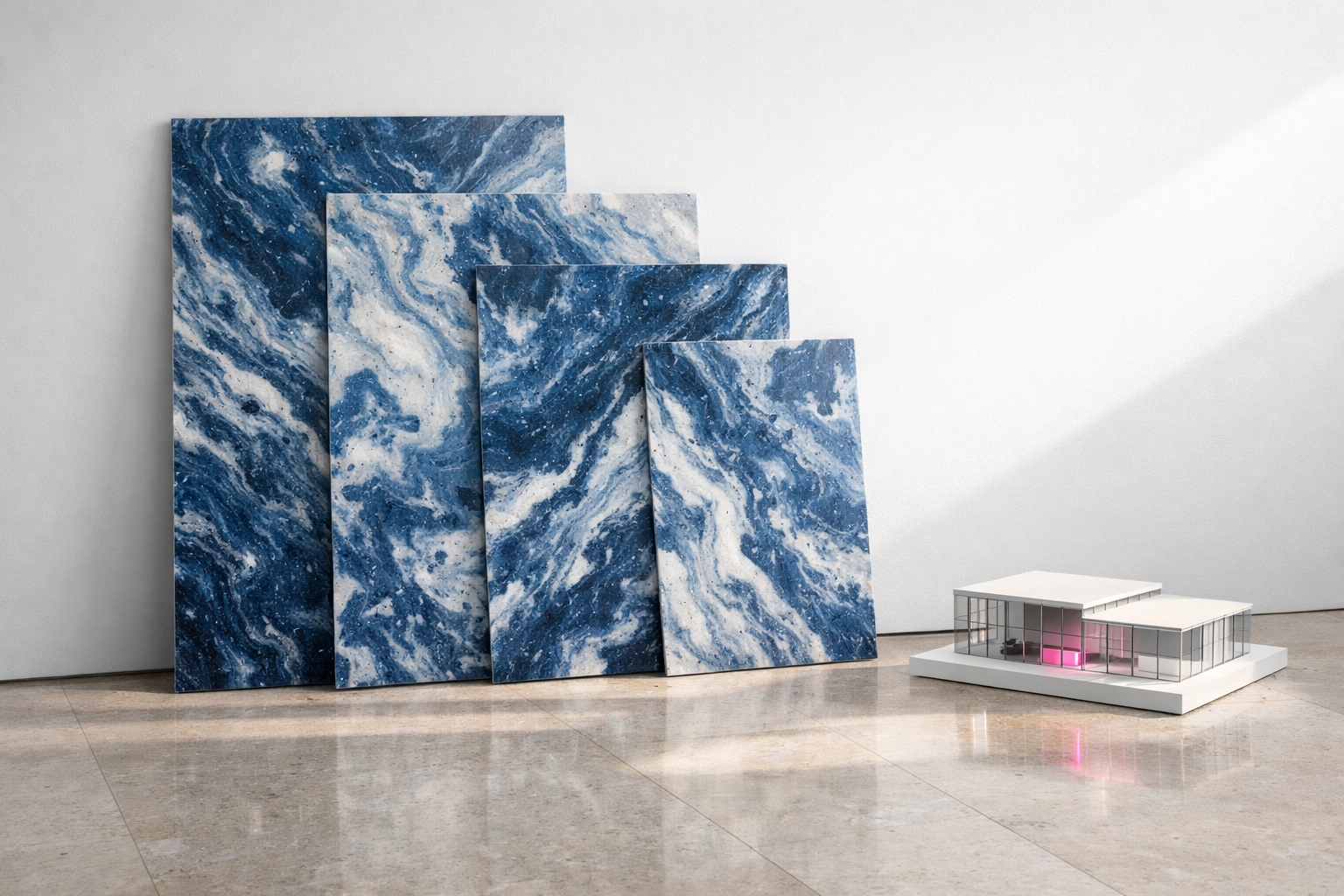
The Fact: Recycled plastic panels last up to 5x longer than plywood.
- Plywood: Requires constant maintenance, sanding, and eventual replacement.
- Resourceful Living Panels: UV-stable, waterproof, and virtually indestructible.
When you’re writing a tender, stop focusing on the Day 1 cost. Focus on the Whole-of-Life cost. Showing a client that they won’t have to replace their fitout for 20 years is a far more persuasive argument than saving a few dollars on the initial invoice.
3. Failing to Trace the Plastic Source
Greenwashing is the fastest way to get blacklisted from major government projects. If you’re using "recycled plastic" but can't verify where it came from, you’re taking a massive risk.
A lot of "recycled" material on the market today is imported from overseas, often with dubious claims about its composition. This creates a carbon-heavy supply chain that contradicts the very point of being sustainable.
The Fix: Demand 100% Australian waste. Resourceful Living uses traceable, locally sourced Australian plastic. We turn local waste into local solutions.
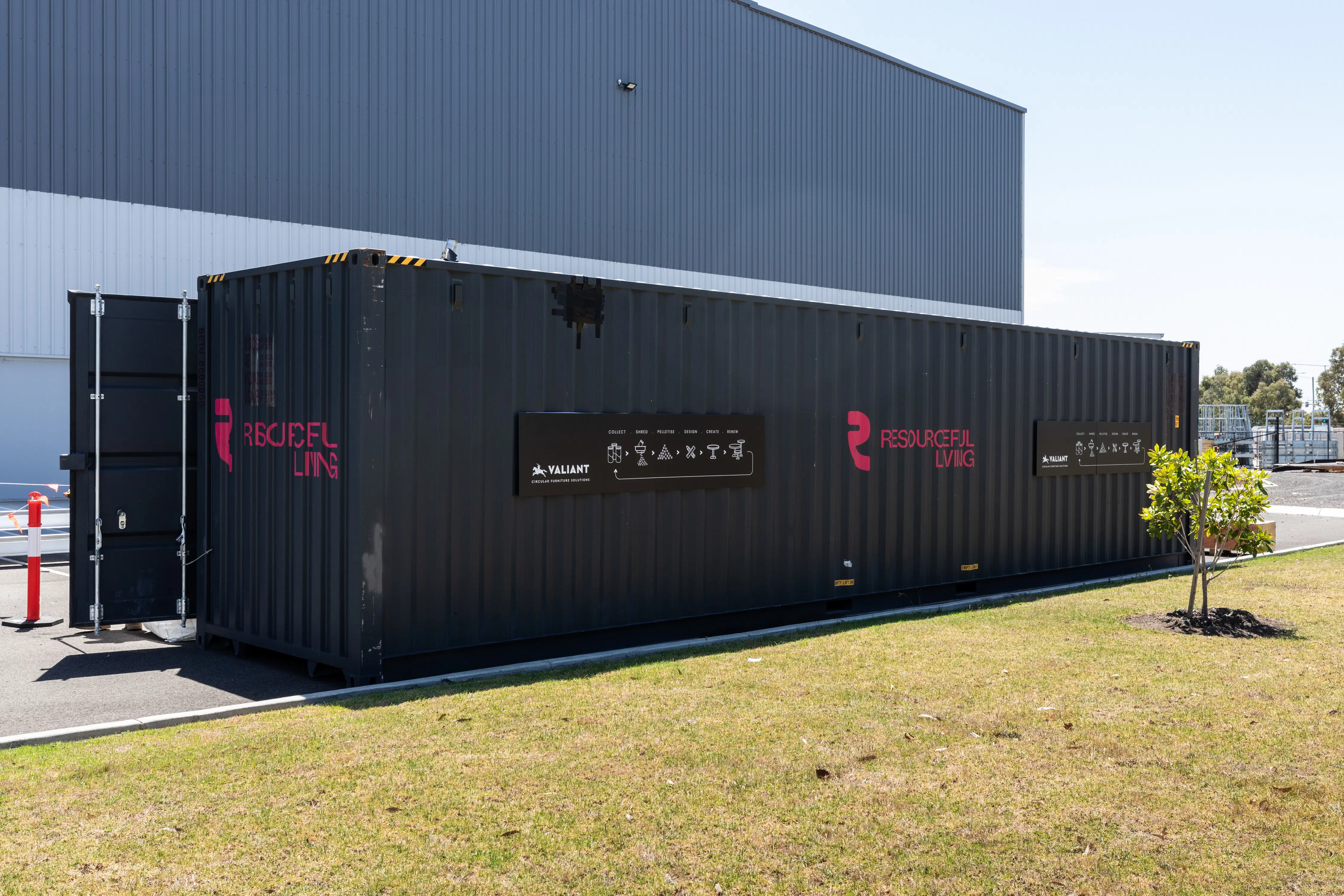
Using local materials doesn't just look good; it reduces your scope 3 emissions: a key metric for winning tenders in 2026.
4. Overlooking UV and Weather Resistance Requirements
There is a common misconception that all recycled plastic is the same. It isn't. We’ve seen builders use indoor-grade recycled materials for outdoor seating or facades, only to watch them fade, crack, and become brittle within 12 months.
If your material fails, your reputation fails with it.
The Fix: Specify materials designed for the harsh Australian climate. Our recycled plastic sheets are engineered with UV stabilisers to ensure they hold their colour and structural integrity, even in the blistering sun.
"Sustainability is only sustainable if the product actually lasts. If you have to replace a 'green' product every two years, you’re just creating more waste." : Jess Hodge, Resourceful Living.
5. Not Accounting for Carbon Credits in Tenders
In 2026, tenders are won and lost on Embodied Carbon. If you aren't calculating the carbon credits you gain by using recycled materials over virgin materials, you are literally throwing away a competitive advantage.
Many builders treat carbon reporting as a "nice-to-have." In reality, it’s a weighted scoring criteria. By choosing Resourceful Living panels, you are opting for a product with a significantly lower carbon footprint than concrete, steel, or virgin plastic.
The Fix: Ask us for the data. We provide the metrics you need to prove the carbon savings of your material choices, making your tender bid significantly more attractive to ESG-conscious clients.
6. Treating Sustainability as an Afterthought
The "bolted-on" approach to sustainability is dead. You can't just design a standard building and then try to swap out a few bin liners for recycled ones and call it a day.
Tender boards are looking for integrated circularity. They want to see that circular principles have informed the design, the material selection, and the construction methodology from Day 1.
The Fix: Partner with manufacturers early. When we work with builders during the design phase, we can help optimise sheet sizes to reduce off-cut waste and suggest product categories that fit the aesthetic while hitting all the environmental KPIs.
7. Designing for Demolition Instead of Deconstruction
The final mistake is a structural one. Most construction sites still focus on how to put things together permanently using glues and resins that make materials impossible to salvage later.
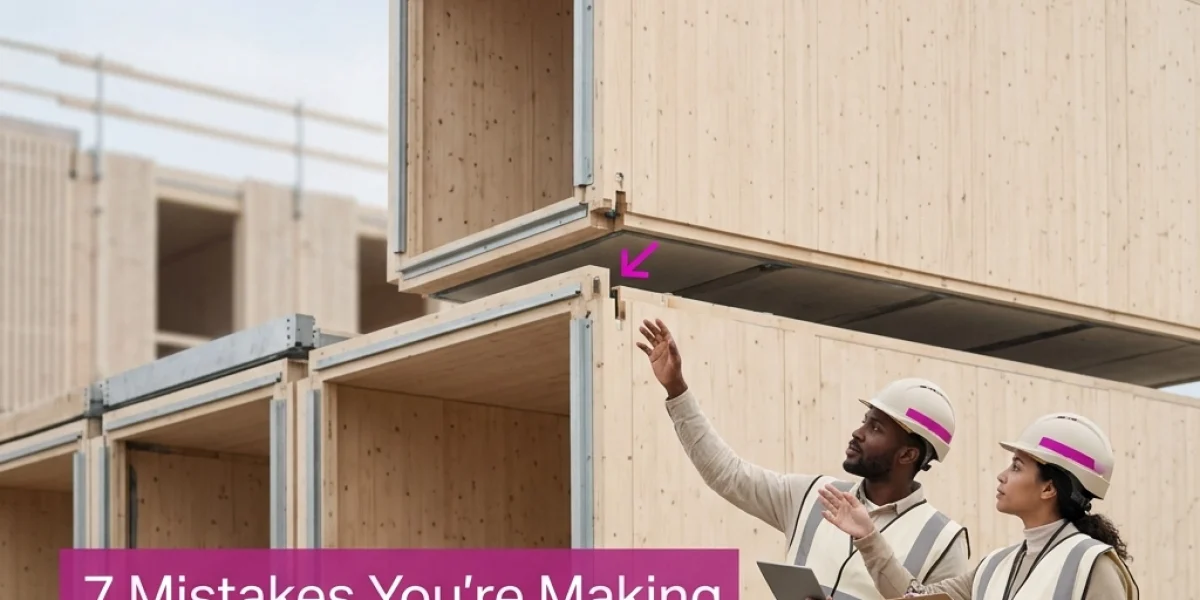
Circular Construction 2026 is about Design for Deconstruction (DfD). This means using mechanical fixings (screws, bolts, brackets) that allow materials like our recycled plastic panels to be removed cleanly and reused or recycled at the end of the building's life.
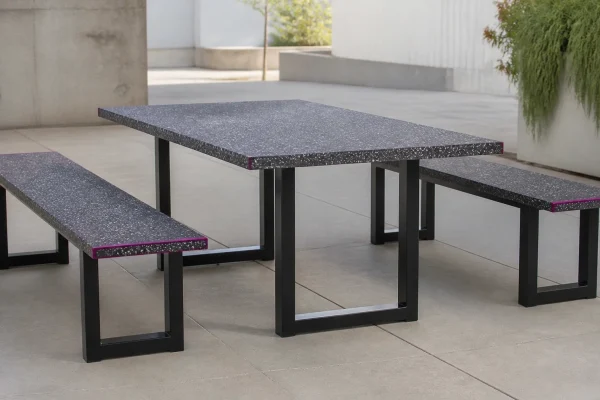
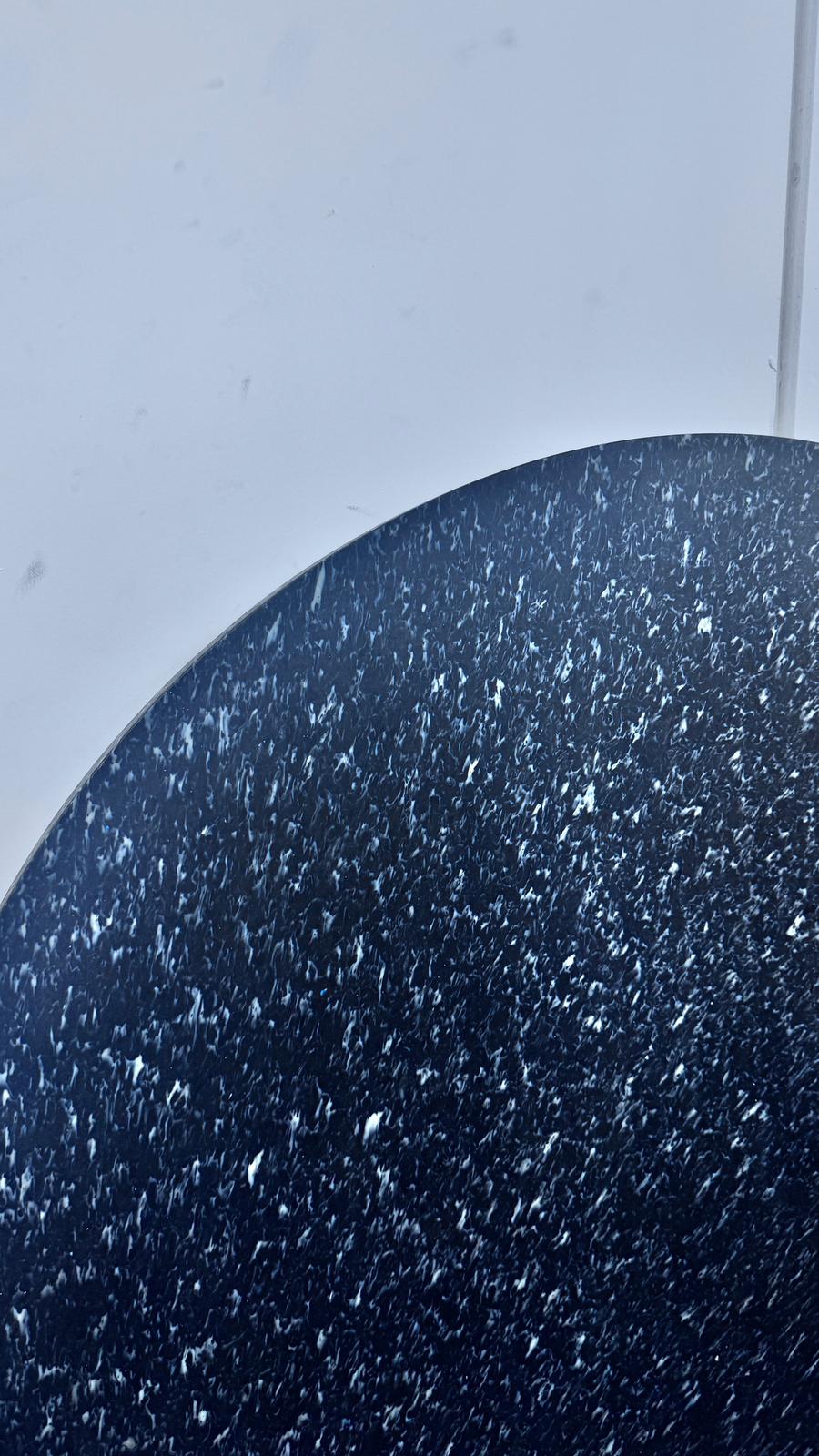
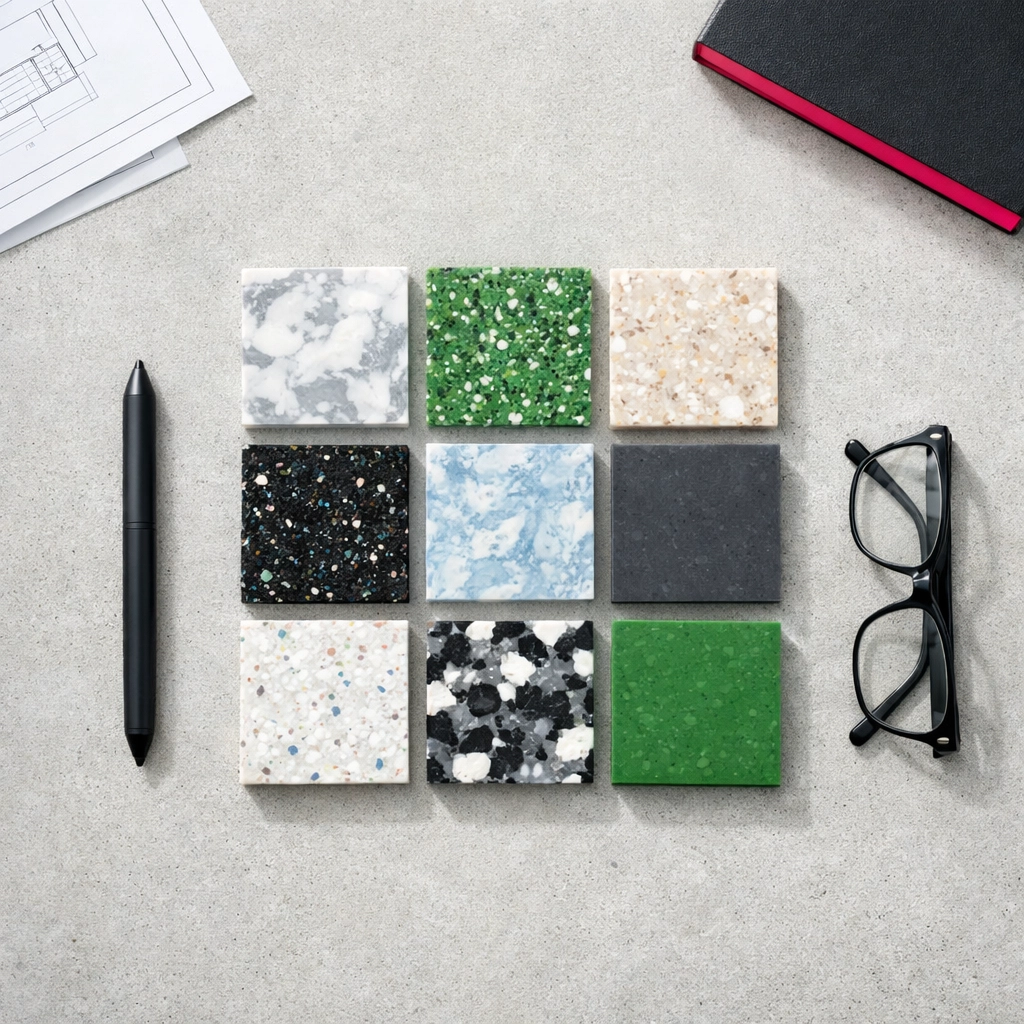
The Fix: Think about the "Next Project." If you use our durable, marbled panels in a retail fitout, design it so those panels can be unscrewed and relocated or returned to us. This is the definition of a circular mindset.
Checklist: How to Ace Your Next Tender
To wrap this up, if you want to win more work and align with the new 2026 standards, run your next bid through this checklist:
- Traceability: Can you prove the material source is 100% Australian?
- Longevity: Have you compared the 10-year maintenance cost of plastic vs. timber?
- Take-Back: Does the manufacturer have a formal program to recover the waste at end-of-life?
- Carbon Data: Have you included the embodied carbon savings in your bid?
- Certifications: Are you highlighting your partnership with award-winning innovators in the circular space?
Why Resourceful Living is Your Secret Weapon
Winning a tender in 2026 isn't just about being the cheapest; it's about being the smartest. At Resourceful Living, we don't just sell plastic sheets; we provide a pathway to compliance with the most rigorous circularity standards in the country.
Our materials are:
- 100% Australian Made and Sourced.
- Fully Recyclable via our internal take-back programme.
- Engineered for Durability, lasting 5x longer than traditional porous materials.
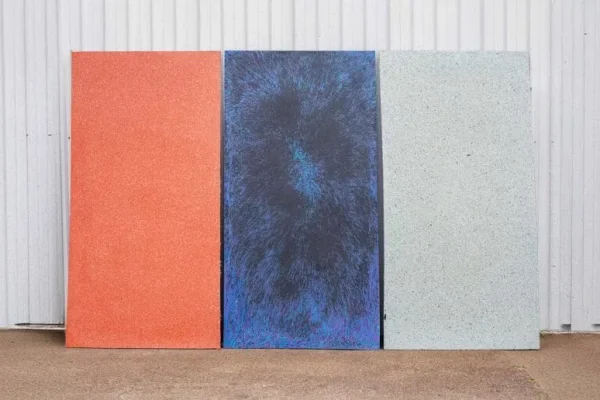
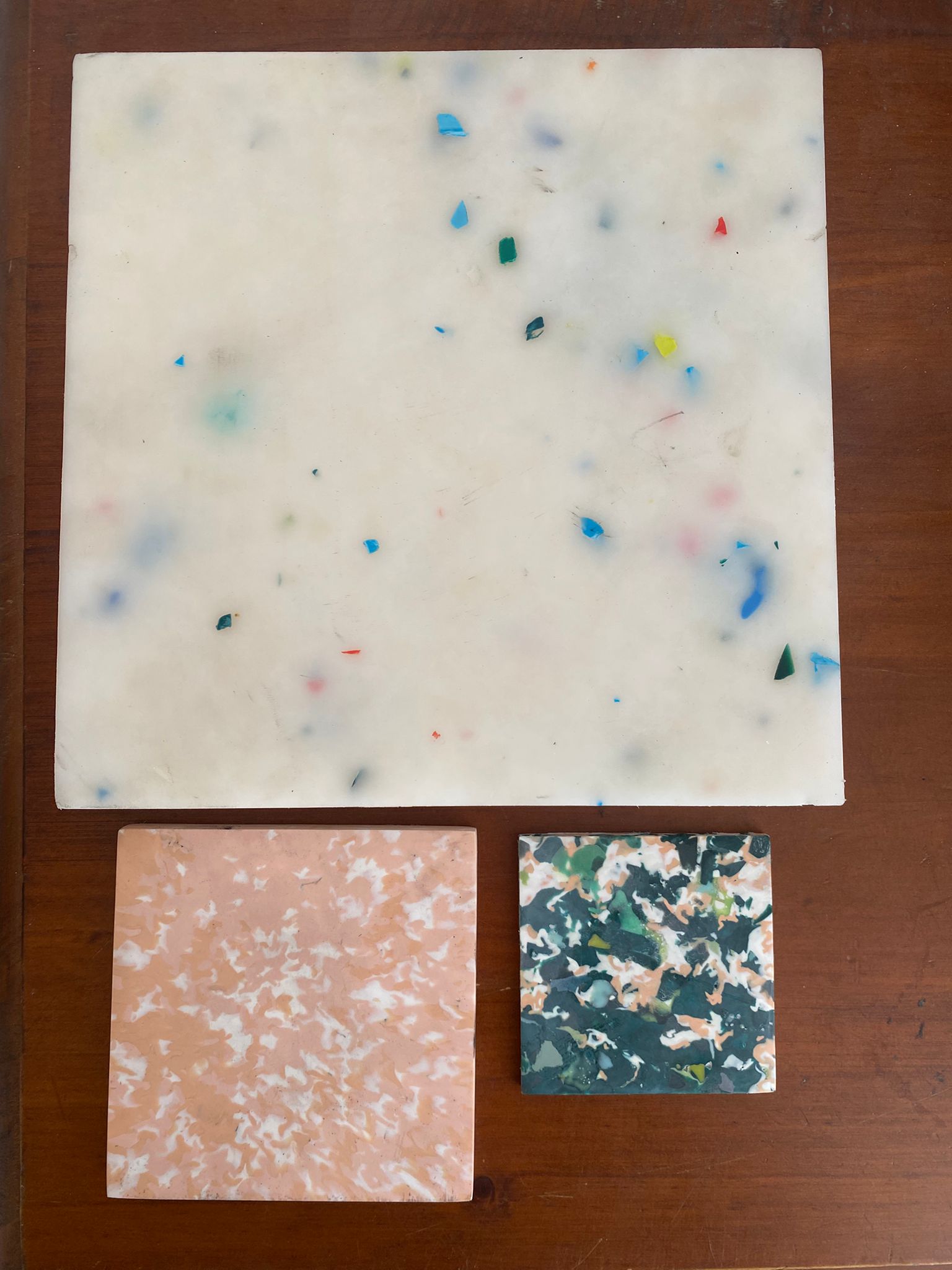
- Aesthetically Superior, with bespoke patterns like our N70 White Confetti.
Stop making the same old construction mistakes. Start building for the future.
Ready to upgrade your material palette and start winning more tenders? Contact our team today to discuss your next project or request a sample pack of our 2026-ready circular materials.