If you're managing a commercial asset or designing a new build in 2026, the term NABERS v2.1 is likely already keeping you up at night. The shift from simply measuring energy efficiency to accounting for embodied carbon has completely changed the game for the Australian built environment.
Gone are the days when sustainability was an "extra" at the end of a project. With the 2026 mandate for embodied carbon reporting, your choice of materials directly impacts your rating, your asset value, and your ability to win high-tier commercial tenders.
At Resourceful Living, we’ve seen how 100% recycled Australian plastic can be a "cheat code" for hitting these targets. By replacing virgin materials with circular ones, you’re not just avoiding landfill: you're slashing your Upfront Carbon (Modules A1-A3).
Here are 15 practical, audit-ready ways to use recycled plastic to secure those elusive NABERS and Green Star credits.
The NABERS v2.1 Shift: Why Materials Matter Now
Under the updated v2.1 framework, auditors look for traceable, low-carbon materials. Using generic database values for your carbon footprint usually results in a worse score. To "smash" your audit, you need Product-Specific Emission Factors (EPDs) and proof of circularity.
By choosing Resourceful Living panels, you're opting for a material that is 100% Australian sourced and manufactured, giving you a direct line of sight on provenance that auditors love.
15 Ways to Boost Your Rating
1. Kitchen & Bathroom Benchtops
Traditional stone or laminate benchtops often carry a heavy carbon footprint or high silica risks. Switching to solid recycled plastic panels for staff kitchens or end-of-trip facilities provides a durable, waterproof surface that significantly lowers the embodied carbon of your fit-out.
- NABERS Impact: Reduces Upfront Carbon in the "Internal Finishes" category.
2. Lobby & Interior Wall Cladding
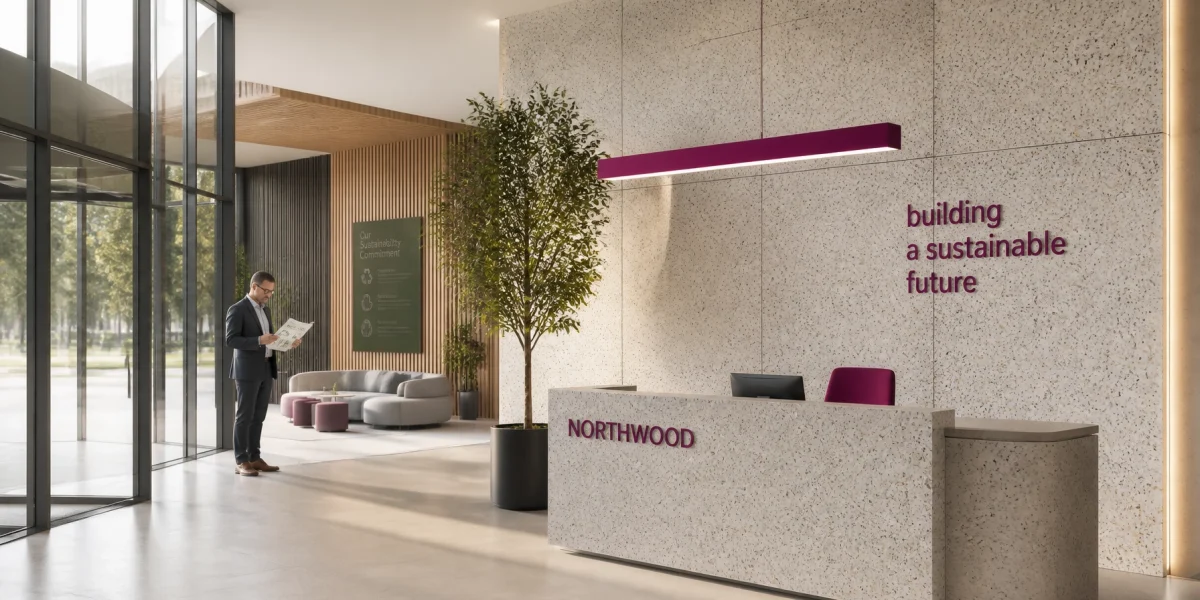
First impressions count, and so does the carbon attached to them. Using recycled plastic wall panels with a terrazzo-inspired finish creates a high-end look without the high-carbon cost of traditional stone or virgin plastic alternatives.

3. Noise Barriers & Acoustic Panels
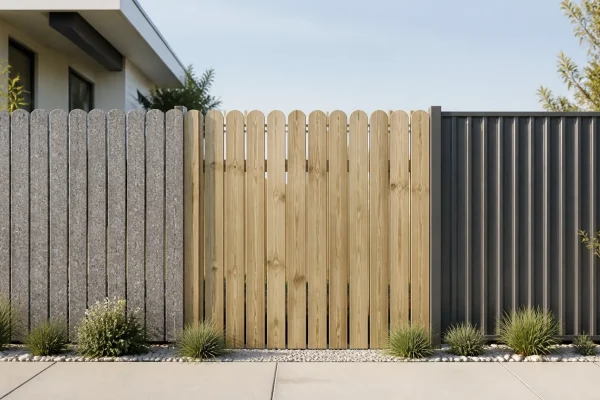
For infrastructure or large commercial sites, noise control is a necessity. Our high-density, 100% recycled plastic blocks provide excellent sound dampening. Because they are solid throughout (not just a veneer), they are incredibly robust and maintenance-free.
- Expert Tip: Use these in perimeter fencing to score Climate Resilience points.
4. Construction Site Hoarding
Stop using single-use timber or virgin PVC for your site hoarding. Recycled plastic panels can be used, dismantled, and remade into new products through our take-back program.
- Green Star Win: High marks for Fitout Waste Diversion.
5. Office Desks & Shared Workstations
Office "churn" is a major source of carbon waste. By specifying desks made from recycled HDPE, you’re ensuring that the furniture is both long-lasting and part of a circular loop.
- NABERS Credit: Contributes to lower carbon intensity per square metre of office space.
6. Retail Display Fixtures & Joinery
Retailers are under massive pressure to report on their supply chain. Our panels can be CNC-routed into any shape, making them perfect for shelving, clothing racks, and checkout counters.
7. Signage & Wayfinding
Wayfinding signage across large assets usually requires frequent updates. Using UV-stabilised recycled plastic ensures longevity and supports circular procurement targets.
8. Bollards & Site Protection
Protect your assets with solid recycled plastic bollards. Unlike concrete or steel, they don't rust or crack, and they use 100% Australian plastic waste that would otherwise end up in our oceans or landfills.

9. Planter Boxes & Urban Greening
NABERS and Green Star both reward "Biophilic Design." Using recycled plastic for your rooftop or lobby planter boxes combines environmental restoration with the physical benefits of greenery.
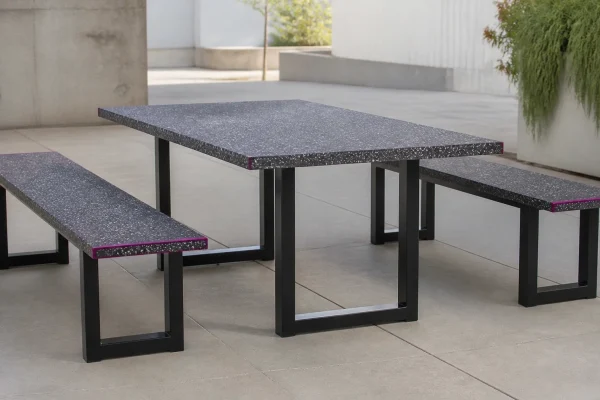
10. Outdoor Public Seating
For commercial courtyards, recycled plastic furniture is the gold standard. It’s weather-resistant, requires zero oiling or painting, and carries a much lower lifetime carbon cost than timber.
11. Bike Racks & End-of-Trip Enclosures
Encouraging green transport is great, but don't forget the materials used to build the facilities. Using recycled panels for bike locker enclosures is a smart way to double down on your sustainability credentials.
12. Bathroom Partitions & Cubicles
Moisture is the enemy of traditional materials like marine ply or MDF. Recycled plastic is naturally waterproof, meaning these partitions will last for decades without needing replacement: reducing your Maintenance & Refurbishment carbon.
13. Bespoke Architectural Features
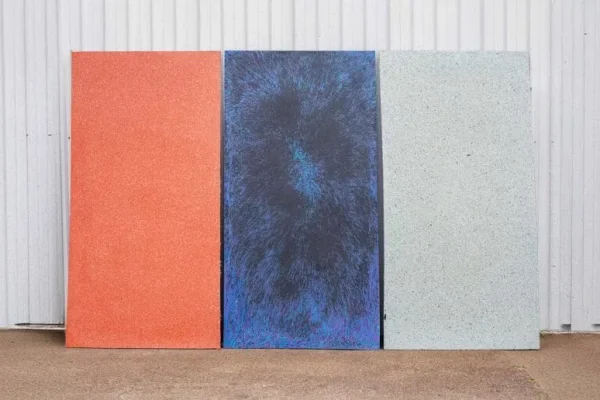
Want a unique feature wall or a custom ceiling installation? Our 2400mm x 1200mm panels come in thicknesses up to 40mm, allowing for deep carving and structural shapes that showcase your commitment to innovation.
14. Waste & Recycling Stations
There’s a poetic justice in building your building’s recycling bins out of 100% recycled plastic. It’s a visible, physical demonstration of your circular economy strategy for both tenants and auditors.
15. The "Take-Back" Program (The Ultimate Credit)
The single biggest way to "smash" your audit isn't just about what you buy: it's what happens at the end. Resourceful Living offers a free take-back program. At the end of the product's life, we collect it and remanufacture it back into our production line.
- Audit Impact: This provides the Circular Economy Credit required for high-tier Green Star and NABERS ratings.

How to Document This for Your Auditor
To ensure these applications count towards your 2026 rating, follow this checklist:
- ✅ Collect Delivery Dockets: Store all dockets from Resourceful Living to prove the material arrived on-site.
- ✅ Request the EPD: Ask us for the specific carbon data associated with your order.
- ✅ Verify Provenance: Use our traceability reports to show your auditor that the plastic is 100% Australian sourced.
- ✅ Link to Take-Back: Document the take-back agreement in your Waste Management Plan.

Conclusion
Hitting a 5 or 6-star NABERS Embodied Carbon rating in 2026 isn't going to happen by accident. It requires a deliberate shift toward materials that are proven, local, and circular.
By integrating recycled plastic into your next project: whether it's through simple signage or structural site hoarding: you're making a measurable dent in your carbon footprint.
Ready to start your 2026 audit prep?
Contact the Resourceful Living team today to discuss custom manufacturing for your next commercial project. Let’s turn your plastic waste into your highest-performing asset.