FOR IMMEDIATE RELEASE
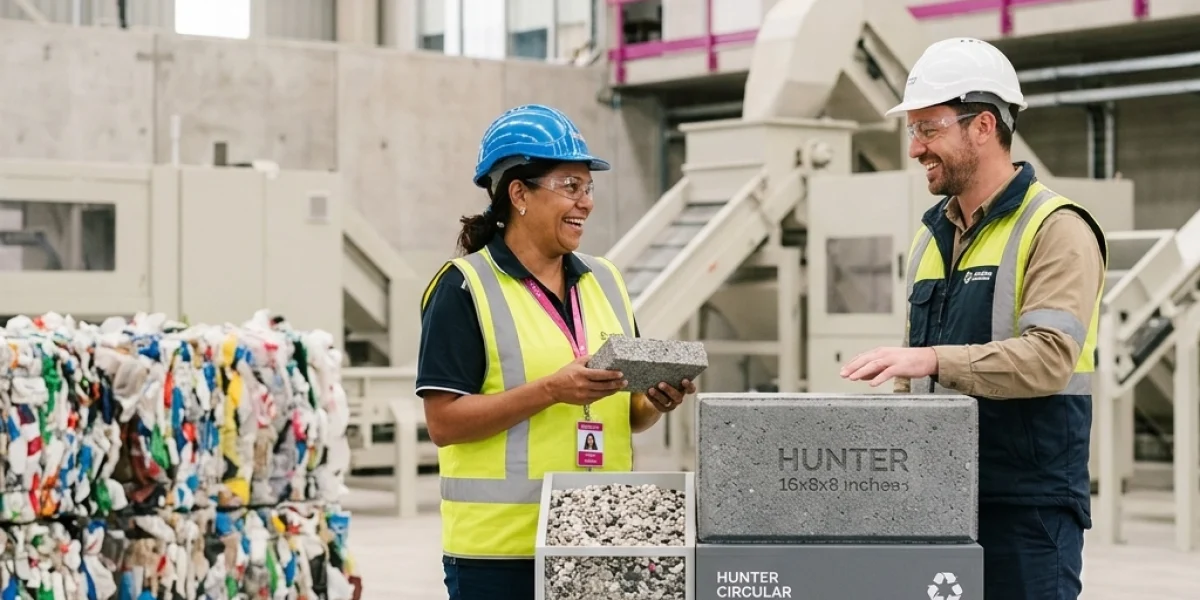
Newcastle, NSW – April 21, 2026 – Resourceful Living, a leading pioneer in recycled material manufacturing, is officially opening its factory doors to the Hunter community, industry leaders, and local government. This exclusive "Shredder to Sheet" tour showcases how one tonne of local plastic waste is diverted from landfill every single day and transformed into high-performance building materials right here in our backyard.
As the construction industry faces increasing pressure to reduce embodied carbon, Resourceful Living is proving that the solution isn't found overseas: it's found in our own kerbside recycling bins.
Turning the Tide on Hunter’s Plastic Waste
Every year, thousands of tonnes of plastic are discarded across the Hunter region. Historically, much of this material was shipped offshore or buried. Resourceful Living has flipped the script. By focusing on 100% Australian waste, we are closing the loop and providing a domestic solution that turns "rubbish" into a resource.
"We aren't just a recycling plant; we are a manufacturing powerhouse," says Jess Hodge, Sales at Resourceful Living. "People talk about the circular economy as a future concept, but we are doing it right now. When you see a milk bottle from a Newcastle café being shredded and pressed into a benchtop for a local school, that’s when the lightbulb goes off."
The "Shredder to Sheet" Process: A Technical Breakdown
The upcoming factory tour will provide a rare, behind-the-scenes look at our proprietary manufacturing procedure. Visitors will witness the physical transformation of post-consumer waste through several critical stages:
- Sourcing & Sorting: We source raw materials directly from local waste streams, ensuring the plastic is clean and compatible.
- Industrial Shredding: High-torque machinery reduces bulky waste into uniform flakes.
- Thermal Compression: Using precise heat and pressure, we fuse the flakes into solid, structural panels without the need for toxic glues or resins.
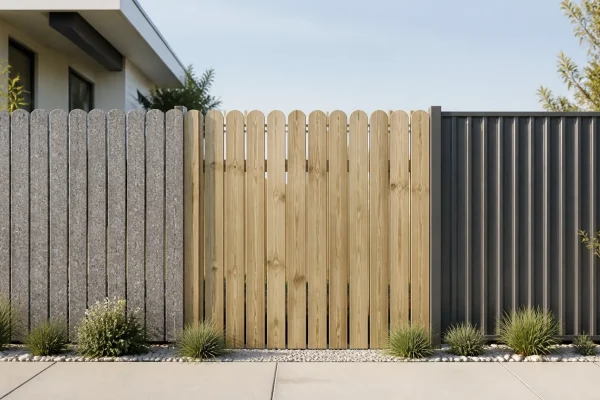
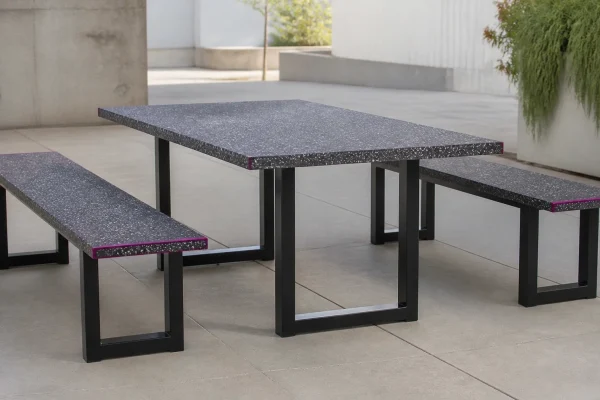
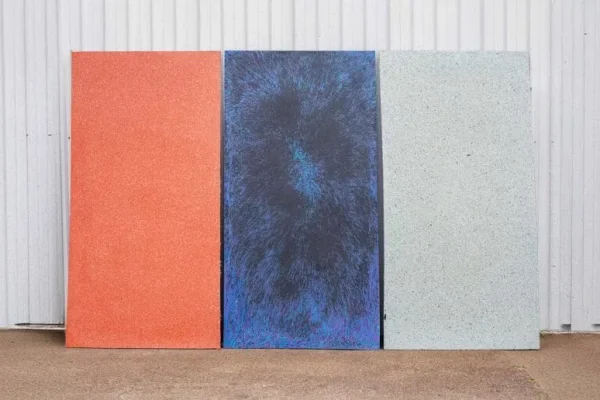
- Finishing: The resulting sheets are CNC-machined into everything from eco-friendly building products to custom site furniture.

Why This Matters for the Hunter Construction Sector
For builders and architects in the Hunter, the shift toward sustainable procurement is no longer optional. With the rise of embodied carbon reporting in Australia, developers are looking for materials that carry a lower environmental footprint.
- Zero Waste: Our panels are 100% recyclable. If a project reaches its end-of-life, we take the material back and shred it again.
- Durability: Unlike traditional timber, our recycled plastic panels are impervious to water, termites, and rot. This makes them the superior choice for high-moisture 2026 projects.
- Local Compliance: As a Pre-Qualified Local Buy Supplier, we make it easy for councils and government contractors to meet their local content quotas.
"The goal is to move beyond the 'green' label and focus on performance. We’re producing a material that actually outperforms traditional plywood and concrete in specific infrastructure applications." : Jess Hodge
Measuring the Impact: 1 Tonne Per Day
To put our operations into perspective, processing one tonne of plastic daily equates to roughly 365 tonnes per year. This is plastic that would otherwise occupy approximately 1,500 cubic metres of landfill space annually.
By manufacturing locally, we also eliminate the massive carbon emissions associated with international shipping. Every sheet produced in our factory supports local jobs and strengthens the Hunter’s reputation as an innovation hub for the sustainable construction materials market.
Circular Construction: More Than Just a Buzzword
The "Future of Local Circular Economy" isn't just about making sheets; it's about integrated systems. Resourceful Living has expanded its capabilities to include on-site shredding services, bringing the recycling process directly to construction sites.
Key Benefits of Circular Procurement:
- ✅ Reduced Waste Levies: Lowering the volume of waste sent to landfill saves developers thousands in fees.
- ✅ Carbon Credits: Builders can often claim carbon credits by opting for recycled materials over high-emission alternatives like virgin plastic or concrete.
- ✅ Supply Chain Security: By using local waste, we are shielded from the global supply chain disruptions that have plagued the construction industry since 2020.
What to Expect on the Tour
The factory tour is designed for professionals and curious locals alike. We’ll be walking through the facility, explaining the chemistry of HDPE and LDPE recycling, and demonstrating the versatility of the finished product.
- Live Shredding Demos: Watch as post-consumer waste is converted into raw manufacturing feed.
- Product Testing: See how our panels hold up against impact, moisture, and UV exposure.
- Cost Analysis: We’ll provide a transparent look at the 2026 price guide to show how recycled plastic compares to traditional materials like marine plywood or engineered stone.
- Design Lookbook: View finished applications, from commercial fit-outs to modern recycled plastic coffee tables.
Comparison: Recycled Plastic vs. Traditional Materials
To help professionals make informed decisions, we’ve benchmarked our 100% recycled HDPE panels against industry standards:
| Feature | Resourceful Living Panels | Marine Plywood | Engineered Stone |
|---|---|---|---|
| Moisture Resistance | 100% Waterproof | High (but can delaminate) | 100% Waterproof |
| Embodied Carbon | Extremely Low (Net Positive) | Moderate | High |
| End-of-Life | 100% Recyclable | Landfill/Incineration | Landfill |
| Maintenance | Zero (UV Stabilised) | Requires Sealing/Painting | Low |
| Sourcing | 100% Australian Waste | Often Imported | Mostly Imported |
Inviting the Hunter to Lead the Way
This factory opening is a call to action for the Newcastle and Greater Hunter community. We are inviting architects, developers, council members, and residents to see how we can solve the plastic crisis while building a more resilient local economy.
The transition to circular construction in 2026 is already underway. The question is no longer whether we can use recycled materials, but why we would choose anything else.
Event Details
- Date: Multiple sessions starting May 2026.
- Location: Resourceful Living Manufacturing Facility, Newcastle (Hunter Region).
- Registration: Essential for all attendees.
- Focus: Industrial recycling, sustainable architecture, and local manufacturing.
For those unable to attend in person, we recommend reviewing our ultimate guide to sustainable materials for professionals to understand how these products can be integrated into your next tender or home renovation.

About Resourceful Living
Resourceful Living is a Hunter-based manufacturer dedicated to closing the loop on Australian plastic waste. By combining innovative engineering with a commitment to local sourcing, we produce high-quality, durable, and beautiful materials that replace virgin resources in the construction and design industries. We are proud to be 100% Australian made, owned, and operated.
Contact:
Jess Hodge
Sales, Resourceful Living
Email: [email protected]
Website: resourcefulliving.com.au
Media Kit & Resources
Journalists and industry bloggers can access high-resolution images of our process and product data sheets below:
- Product Data Sheet: 100% Recycled HDPE
- Manufacturing Lifecycle Overview
- Case Study: From Waste to Worktop in 7 Days
Join us as we redefine what is possible for the Hunter’s waste. Let’s build a future where nothing goes to waste.