The landscape of Australian construction has reached a critical tipping point. In 2026, the industry is no longer rewarded for simply being "green"; it is being mandated to be circular. With the National Construction Code (NCC) and state-level procurement policies now prioritising material traceability and end-of-life (EoL) accountability, the old "take-make-waste" model is officially a financial liability.
If you are a builder, developer, or procurement manager, your strategy for recycled plastic sheets in Australia must evolve. It is no longer enough to buy a sustainable material: you must have a documented plan for where that material goes when the project reaches its end-of-life. This is where a site take-back strategy becomes your most powerful tool for meeting circular construction 2026 targets.
The 2026 Shift: From 'Recyclable' to 'Truly Circular'
For years, materials have been sold under the banner of being "recyclable." However, in a practical sense, "recyclable" often just meant "theoretical." If the infrastructure didn't exist to actually process the material, it ended up in the same skip bin as everything else.
Under the new Circular Construction 2026 guidelines, the focus has shifted to actual recovery. Regulatory bodies and Tier 1 contractors are now asking for proof of a closed loop. A product stewardship or take-back program is the only way to guarantee that a material is diverted from landfill and returned to the manufacturing stream.
"In a circular economy, the value of a material is found in its data as much as its physical properties. Knowing exactly where your waste went is the ultimate form of corporate accountability." : Jess Hodge, Resourceful Living
By integrating a take-back strategy, you transition from a linear procurement model to a circular one, ensuring that 100% recycled plastic sheets stay out of the environment and remain in the economy.
Why Your Site Take-Back Strategy is a Financial Power Move
Let’s talk about the bottom line. Landfill levies in Australia have continued to skyrocket. Paying to "throw things away" is no longer just an environmental issue; it’s a massive overhead that can bleed a project’s margin dry.
1. Eliminating Landfill Costs
Traditional materials like treated timber, MDF, and marine plywood are often treated with chemicals that make them difficult to recycle. At the end of a retail fit-out or a construction phase, these materials incur high disposal fees. By contrast, Resourceful Living collects our products free of charge at the end of their life.
- ✅ Zero skip bin fees for our panels.
- ✅ Zero landfill levies.
- ✅ Reduced site-clearing labour costs.
2. Supply Chain Resilience
By sourcing panels from an Australian manufacturer with a closed-loop system, you insulate your project from global supply chain volatility. We treat our recycled panels as an "urban mine." When we take back old panels, we shred and remanufacture them locally, ensuring predictable lead times and price stability that virgin, imported materials cannot match.

Navigating the 2026 Procurement Mandates
If you are bidding on government infrastructure or large-scale commercial projects, you’ve likely noticed that Embodied Carbon Reporting is now a weighted criteria. To win these tenders, you need more than a "sustainable" sticker; you need data-backed evidence of circularity.
Meeting ESG and NABERS Requirements
Stakeholders now demand transparency. Sourcing materials from a manufacturer with a documented take-back program provides the "gold standard" for your ESG (Environmental, Social, and Governance) metrics.
- NABERS Ratings: Integrating low-carbon recycled plastic panels can boost your building’s performance rating, providing a competitive edge in the leasing market.
- Green Star Certification: Our take-back program aligns directly with the Green Building Council of Australia (GBCA) practical guide to circular procurement.
- EPD Support: We provide the material traceability documentation required to satisfy embodied carbon reporting rules.
How the Resourceful Living Take-Back Program Works
We’ve designed our process to be as frictionless as possible for busy site managers. We aren’t interested in making you jump through hoops to be sustainable.
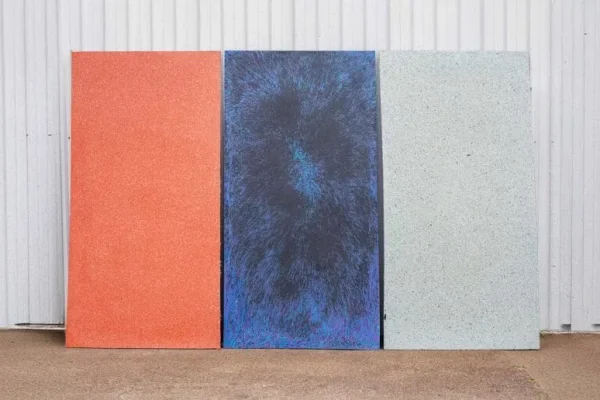
- Specification: You specify Resourceful Living recycled plastic sheets (available in thicknesses from 3mm to 40mm) for your project.
- Registration: The project is registered in our system, capturing the volume and type of plastic used (e.g., HDPE or PP).
- End-of-Life Notification: When the project is ready for deconstruction or a refresh, you contact us.
- Free Collection: We collect the panels from your site (free of charge for our own products).
- Remanufacturing: The material is transported back to our facility, shredded, and turned into new 100% recycled plastic panels.
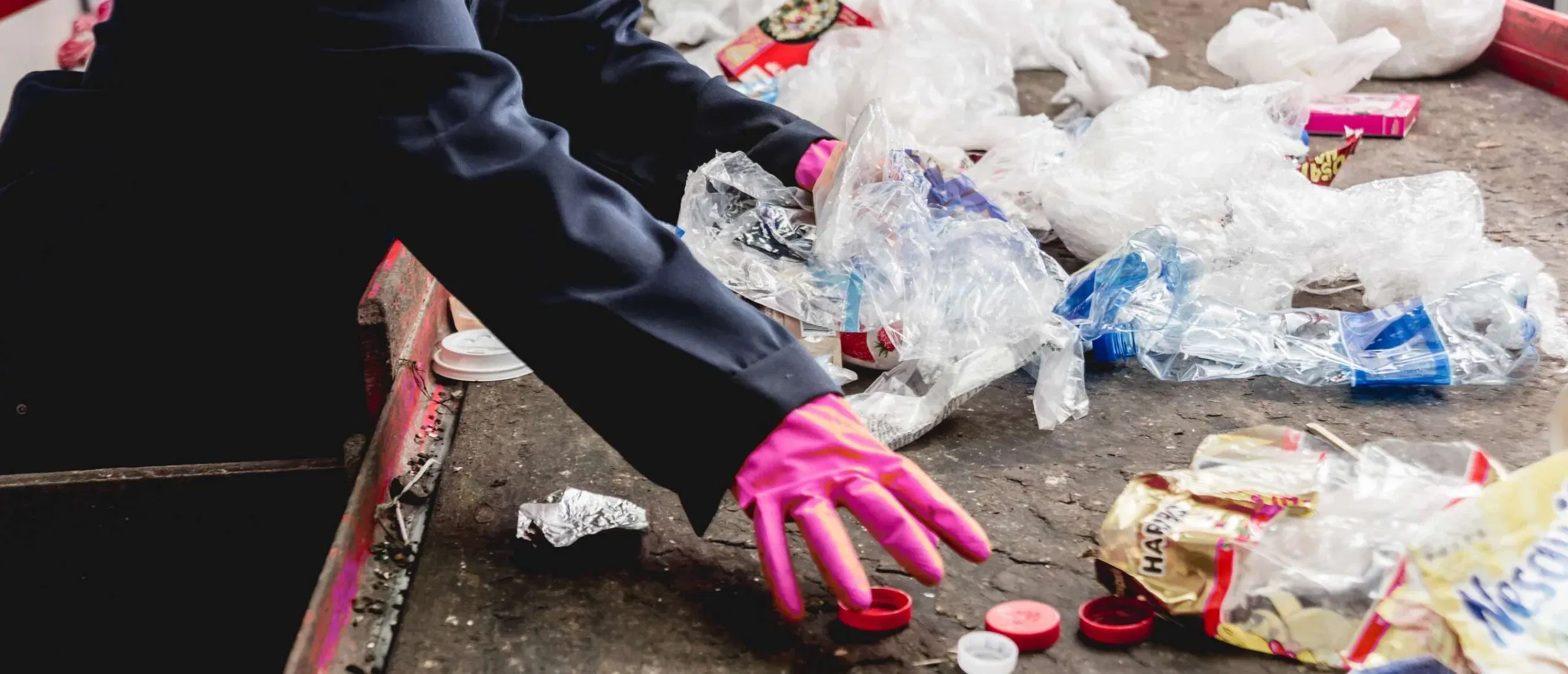
Design for Disassembly: The Foundation of Circularity
A take-back strategy only works if the material can be efficiently removed from the site. This has led to a major shift in how we build. In 2026, Design for Disassembly (DfD) is the standard.
To ensure your recycled plastic sheets are eligible for the full benefits of our take-back program, consider these technical implementation steps:
- Mechanical Fixings over Adhesives: Avoid using permanent glues or liquid nails. Use screws or bolts that allow the panels to be removed without contamination.
- Modular Construction: Use standard sheet sizes (2400mm x 1200mm) where possible to allow for easier reuse in future projects.
- Material Separation: Keep plastic panels separate from other waste streams (like plasterboard or timber) during deconstruction to ensure high-quality remanufacturing.
Comparison: Recycled Plastic vs. Traditional Timber (EoL)
| Feature | Resourceful Living Recycled Plastic | Treated Timber / Plywood |
|---|---|---|
| End-of-Life Cost | FREE (via Take-Back Program) | High (Landfill Levies + Skip Fees) |
| Circularity | 100% Recyclable into new panels | Often Non-Recyclable (Contaminants) |
| Durability | Waterproof, Rot-proof, UV Stable | Swells, Rots, Needs Maintenance |
| Traceability | Fully Documented Australian Source | Vague (Often Imported) |
| Carbon Impact | Low (Offsets Landfill Emissions) | High (Methane in Landfill) |
The "X-Factor" for Construction Tenders
If you’re a builder bidding for government work in 2026, having a local, circular supplier isn't just a bonus: it's often a weighted criteria. By including a site take-back strategy in your tender response, you demonstrate that you are future-proofing your operations and aligning with national waste reduction targets.
You aren't just selling a building; you are selling a closed-loop asset.

Step-by-Step: Implementing Circularity on Your Next Site
If you’re ready to move away from the "use and throw away" cycle, follow this checklist to integrate circular construction 2026 principles:
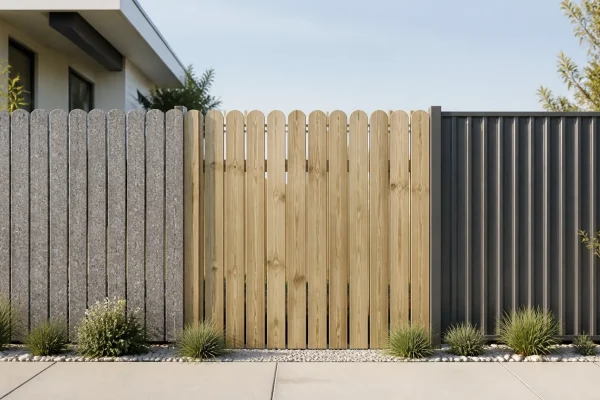
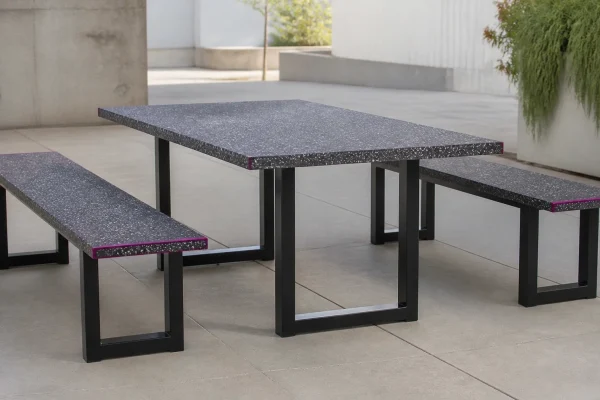
- Identify High-Impact Zones: Look for areas where timber is failing: site hoarding, van fit-outs, wet area cladding, or outdoor furniture.
- Audit Your Material Waste: Determine how much plastic your site currently generates. We can help you turn that waste back into the very sheets you buy for your next project.
- Collaborate Early: Involve us in the design phase. We can provide custom manufacturing and advice on the best thickness (from 3mm to 40mm) for your specific application.
- Secure Your Take-Back Agreement: Ensure your procurement contract includes a documented EoL pathway.
Conclusion: The Future is Australian and Circular
The switch to 100% recycled plastic sheets in Australia isn't a trend; it's an evolution of the built environment. By integrating a site take-back strategy, you aren't just complying with Circular Construction 2026 mandates: you are slashing disposal costs, winning more tenders, and directly supporting Australian manufacturing.
Ready to close the loop on your next project? Contact Resourceful Living today to discuss our range of recycled panels and how our take-back program can save your business money while hitting your sustainability targets.