Answering all frequently asked questions about HDPE Plastic.
- What is HDPE plastic? A thermoplastic polymer produced from the monomer ethylene; it is one of the most versatile materials in industry
- What does it stand for? High Density Polyethylene
- How to identify it? It can be identified by the number 2 symbol which is usually found on the bottom of the product.
- Can it be recycled? Yes, it can be recycled up to 10 times and still have the same strength as its original life.
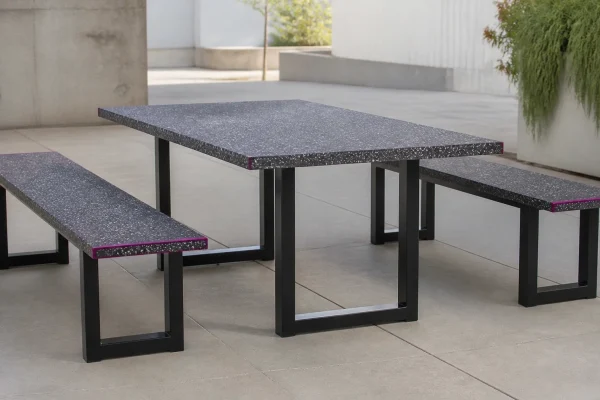
- Where is HDPE plastic used? It is used for making milk containers, shampoos and conditioners bottles, soap bottles, detergents and bleach bottles and of course OUR PRODUCTS
- Is it durable? Yes, it is the most durable of all 7 plastic types.
- What it its melting point? 135 degrees
- What are the advantages of HDPE plastic? There are a number of advantages including high quality, durability, UV resistant, chemical resistance and that it can be given up to 10 lives
- How much new HDPE plastic is produced every year? It is expected that by 2022, global HPDE production will increase to 66.96 tonnes.
- How much HDPE plastic is recycled each year? Approximately only 19.7%
Contact us via our contact page on our website if there is anything else you would like to know HDPE Plastic. We would love to hear from you!