When you're looking at a project spreadsheet, the "upfront cost" column is usually the loudest. It’s the number that wins tenders and keeps procurement teams happy in the short term. But for asset managers and local councils, that initial price tag is a trap.
In the world of Australian infrastructure, we have what I like to call the "Timber Tax." It’s the invisible, ongoing drain on your maintenance budget that starts the moment a timber asset is installed. Between the warping, the rotting, the termite inspections, and the endless cycles of staining, timber is rarely the "cheapest" option once you look past year one.
If you are weighing up recycled plastic vs timber comparison for your next project, it’s time to stop looking at purchase price and start looking at Whole-of-Life Cost (WLC). In harsh Australian conditions, the ROI of circular materials isn't just a "green" win: it’s a fiscal necessity.
The Myth of the "Cheap" Timber Install
Let’s be real: timber looks great on day one. It’s a familiar material, and its initial purchase price is often 40% to 50% lower than high-quality recycled plastic panels. However, this is where the financial illusion begins.
Timber is an organic, porous material. In the Australian climate: where we swing from 40-degree summer days to torrential rain and high humidity: timber is constantly "working." It expands, contracts, and eventually cracks. Once those cracks appear, moisture gets in, and the countdown to structural failure begins.
The Breakdown of the "Timber Tax":
- Labour Costs: Every 1–3 years, a crew needs to sand, seal, or paint timber assets to prevent rot.
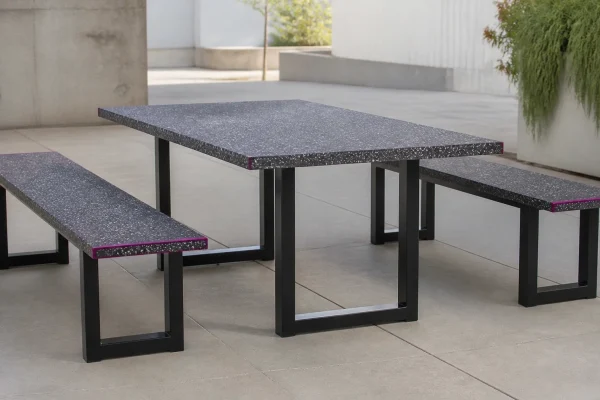
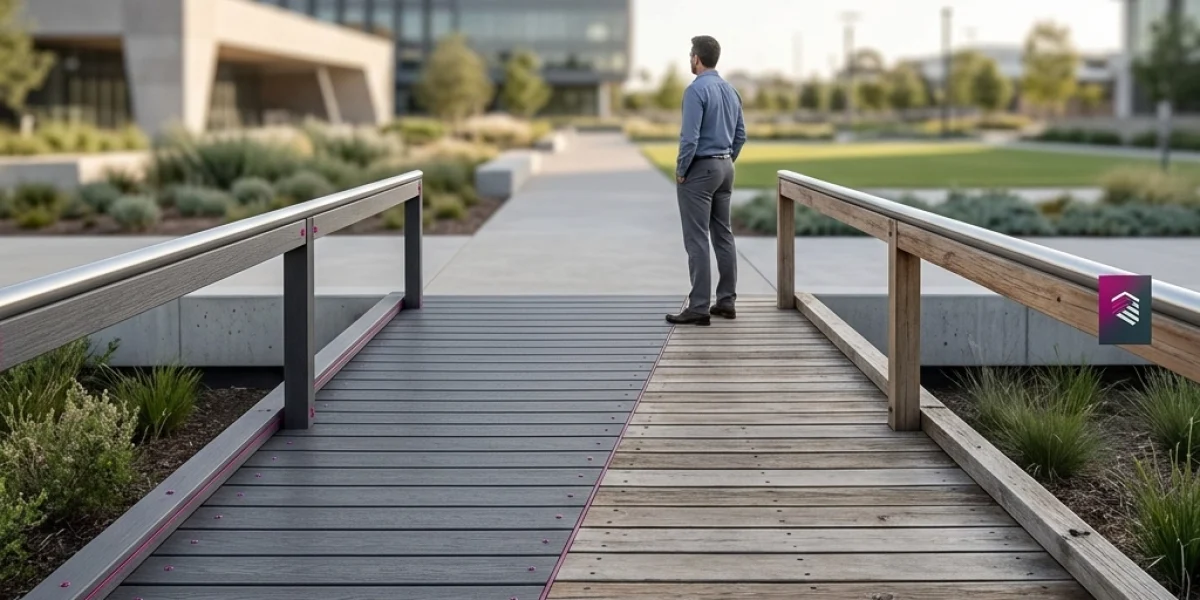
- Reactive Maintenance: Replacing a single splintered bench slat or a warped boardwalk plank isn't just the cost of the wood; it’s the travel time, the labour, and the administrative overhead.
- Replacement Cycles: Most outdoor timber infrastructure in high-exposure areas requires significant repair or full replacement within 7 to 15 years.
Recycled Plastic: The "Set and Forget" Alternative
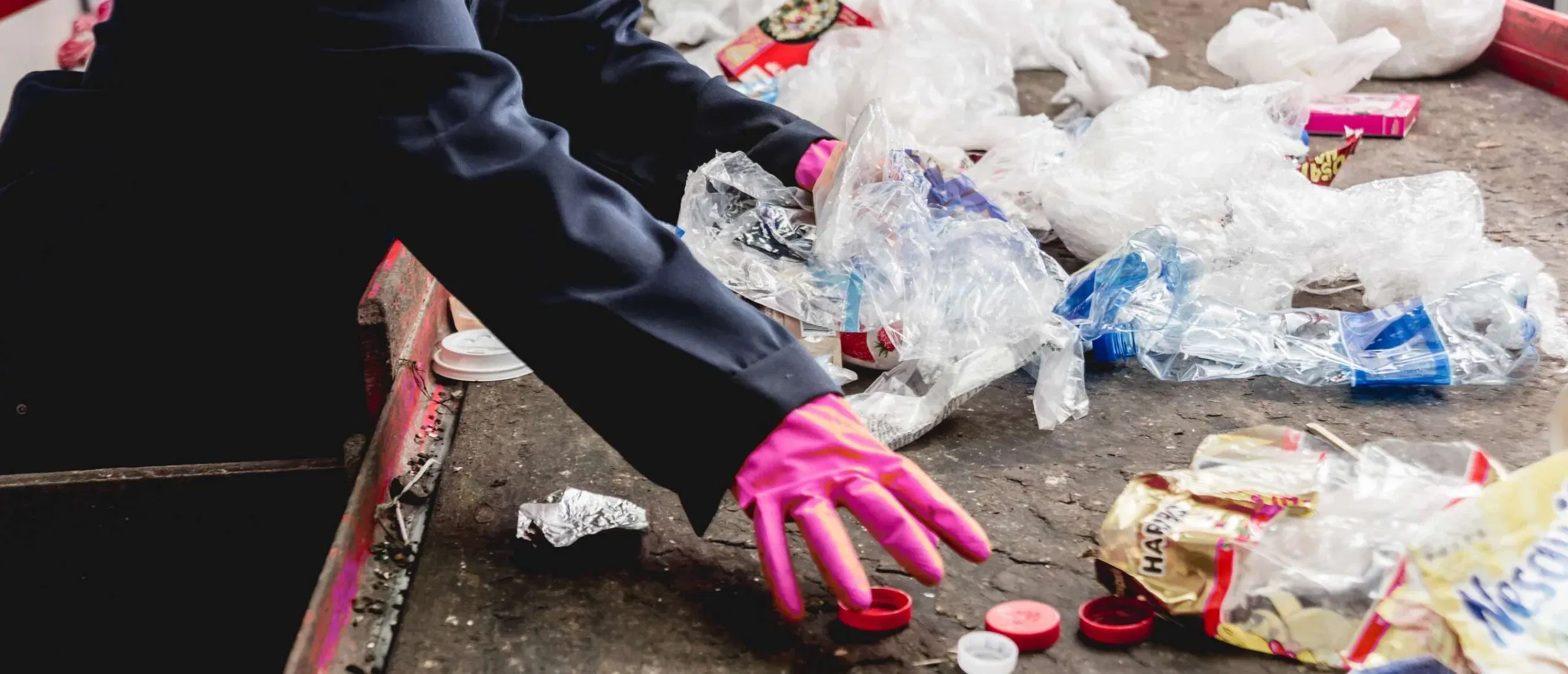
On the flip side, recycled plastic: specifically High-Density Polyethylene (HDPE): is functionally inert. It doesn't care about the rain, it doesn't rot, and termites won't touch it. When we talk about the ROI of circularity, we are talking about a material that can easily last 40+ years with near-zero intervention.
Why Recycled Plastic Wins on Durability:
- Moisture Resistance: Unlike timber, which absorbs water and swells, recycled plastic is non-porous. This makes it ideal for coastal boardwalks, garden edging, and wet-area fit-outs.
- UV Stability: Modern recycled plastic panels are engineered with UV stabilisers. While timber grey-offs and becomes brittle under the Aussie sun, HDPE retains its structural integrity.
- Chemical Resistance: It withstands cleaning chemicals, salt spray, and even oils, making it a superior choice for low-maintenance infrastructure.
Comparing the Numbers: A 20-Year Snapshot
If you’re presenting a business case to a board or a council committee, you need data. Let's look at a hypothetical 20-year lifecycle for a standard park bench or walkway section.
| Feature | Timber (Hardwood) | Recycled Plastic (Resourceful Living) |
|---|---|---|
| Initial Cost | $1,000 | $1,800 |
| Maintenance Frequency | Every 2 years (Seal/Paint) | None (Wash down only) |
| Maintenance Cost (20 yrs) | ~$2,500 (Labour + Materials) | ~$100 (Water/Cleaning) |
| Replacement Cycle | Year 12–15 | 40+ Years |
| Total 20-Year Spend | $4,500+ | $1,900 |
The math doesn't lie. Even with a higher entry point, recycled plastic pays for itself by year seven. From that point on, every dollar you would have spent on the "Timber Tax" stays in your budget for other projects.

The Risk of the Supply Chain
Beyond the maintenance budget, there is a growing concern regarding supply chain risk. Timber prices and availability have been volatile over the last few years. By moving toward local, recycled materials, you insulate your project from global shipping delays and the fluctuating costs of imported hardwoods.
At Resourceful Living, we manufacture right here in Australia using 100% Australian plastic waste. This isn't just about being eco-friendly; it's about sovereign capability. When you source locally, you know exactly where your material comes from and exactly when it will arrive on site. This is a massive advantage when managing strategic procurement for Net Zero targets.

Addressing the "Aesthetic" Argument
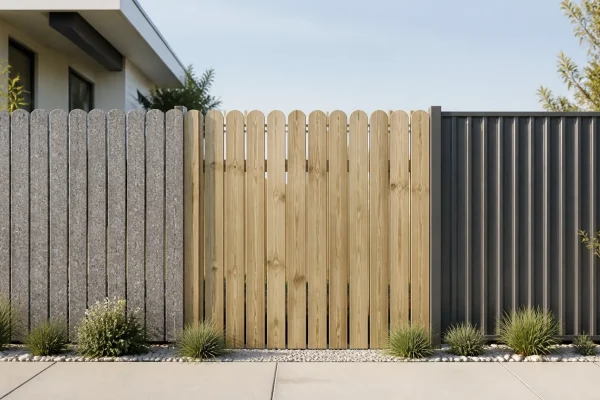
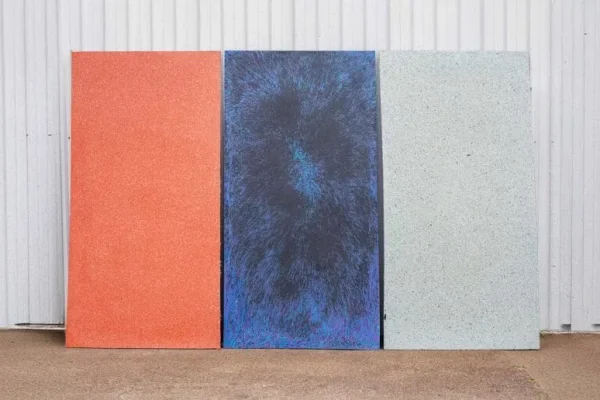
The most common pushback against recycled plastic is that it doesn't "look like wood." In 2026, that argument is largely outdated. With advanced manufacturing techniques, we can produce panels in a variety of finishes: from solid architectural colours to marbled textures that look more like stone than "waste."
For those who want a natural look, our rust-effect panels provide that weathered, earthy aesthetic without the structural degradation of steel or the maintenance of timber. You get the "vibe" of natural materials with the "performance" of engineered polymers.
The Circular Advantage in Tenders
Government tenders are shifting. We are seeing a massive increase in the weight given to "Circular Economy" principles and "Local Content." In many NSW tenders, for example, the If Not, Why Not? policy requires project managers to justify why they aren't using recycled content.
By choosing recycled plastic over timber, you aren't just saving on maintenance; you are ticking the boxes for:
- Embodied Carbon Reduction: Recycled plastic has a significantly lower carbon footprint than many traditional materials.
- Waste Diversion: Every tonne of plastic used in your project is a tonne diverted from local landfills.
- Traceability: We provide the data you need for NABERS and carbon reporting.
Frequently Asked Questions
Isn't plastic bad for the environment?
Virgin plastic? Yes. But we are talking about recycled plastic. We take post-consumer waste that is already in the system and lock it into a long-life asset. At the end of the asset’s 40-year life, our panels are 100% recyclable again, creating a true closed loop.
How does it handle the Australian sun?
Our panels are engineered for the outdoors. We use high-quality UV stabilisers to ensure the material doesn't become brittle or lose its structural integrity. It is significantly more sun-hardy than treated pine, which tends to crack and leach chemicals over time.
Can I work with it using normal tools?
Yes! One of the best things about our recycled plastic sheets is that you can cut, drill, and screw them using standard woodworking tools. No specialist equipment is required. If you're curious about the specifics, check out our 2026 Price Guide.
Making the Switch: A 3-Step Guide for Asset Managers
If you’re ready to kill the "Timber Tax" in your next budget cycle, here is how to start:
- Audit Your High-Maintenance Zones: Identify the assets that require the most frequent staining or repair. These are your "low-hanging fruit" for a recycled plastic trial.
- Run a Whole-of-Life Cost Analysis: Don’t just look at the quote. Calculate the labour and material costs over 10 years. Use our product data sheets to compare performance specs.
- Specify Local Content: Ensure your tender documents specify "100% Australian Recycled Plastic" to avoid cheap, low-quality imports that haven't been tested for our UV conditions.
Final Thoughts
The choice between recycled plastic and timber isn't just about "going green." It’s a strategic financial decision. Timber is a high-maintenance debt that you pay off every single year. Recycled plastic is an investment that pays dividends in the form of freed-up labour and a predictable, low-stress maintenance budget.
Ready to see how our materials stack up for your specific project? Explore our range of sustainable construction materials and let's build something that actually lasts.