When you're designing for "low-impact" infrastructure in 2026, the old defaults don't always hold up under modern scrutiny. For decades, concrete has been the undisputed heavyweight champion of the construction site. It’s reliable, familiar, and structurally sound. But as the Australian construction industry shifts toward circular tenders and Net Zero mandates, the limitations of concrete: specifically its carbon footprint and logistical "heaviness": are becoming liabilities.
Enter recycled plastic. What used to be seen as a secondary material for park benches is now being engineered into high-performance panels and structural components for noise barriers, retaining walls, and erosion control.
So, which one belongs on your next project? Let’s break down the data on recycled plastic vs concrete structural performance, environmental impact, and long-term ROI.
1. The Carbon Reality: Embodied Energy in 2026
The primary driver behind the move to low-impact infrastructure is embodied carbon. In Australia, cement manufacturing alone is responsible for a massive chunk of industrial emissions.
- The Concrete Problem: Traditional concrete is energy-intensive. It requires massive amounts of water and high-heat processing.
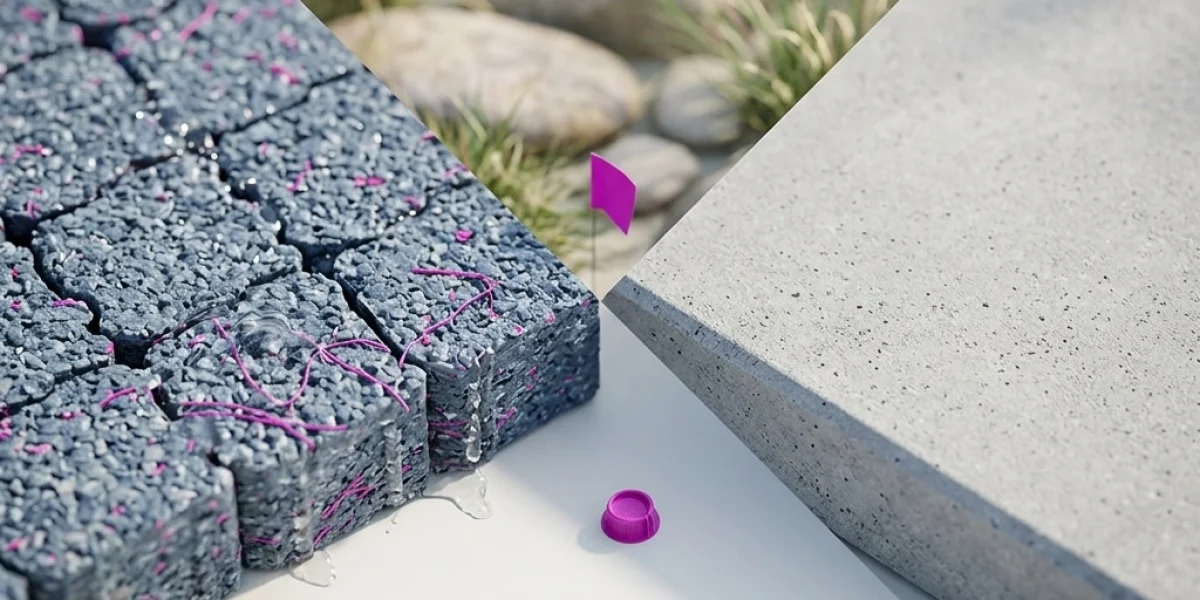
- The Recycled Advantage: High-density polyethylene (HDPE) panels, like those manufactured by Resourceful Living, represent a significant reduction in environmental strain. Using thermomechanical recycling processes can require up to 62% less energy and 35% less water than traditional cement-based alternatives.
If your project is subject to embodied carbon reporting in Australia, switching just a portion of your non-load-bearing infrastructure from concrete to recycled plastic can drastically improve your NABERS rating or Green Star submission.

2. Structural Performance: Compression vs. Toughness
The "recycled plastic vs concrete structural" debate usually boils down to how the material handles stress. It’s important to distinguish between compressive strength and toughness.
Concrete: The King of Compression
Concrete is unbeatable when it comes to static loads. If you are building a bridge pier or a high-rise foundation, concrete is the only choice. However, concrete is brittle. It cracks under thermal expansion, soil movement, or impact.
Recycled Plastic: The King of Toughness
Recycled plastic panels offer a level of flexural strength and impact resistance that concrete can’t match.
- Thermal Flexibility: Plastic panels expand and contract without cracking, making them ideal for the harsh Australian climate.
- Chemical Resistance: Unlike concrete, which can suffer from "concrete cancer" or acid degradation, recycled HDPE is inert. It won't rot, rust, or corrode when exposed to salt spray or acidic soils.
- Impact: In applications like noise barriers, plastic panels can absorb energy from impacts that would cause concrete to shatter or spall.
"For low-impact infrastructure, you aren't always looking for the highest compressive strength; you're looking for the material that stays intact the longest with the least intervention."
3. Weight and Logistics: The Hidden Cost of Heavy Materials
One of the biggest pain points in Australian infrastructure projects is the cost of logistics and plant hire.
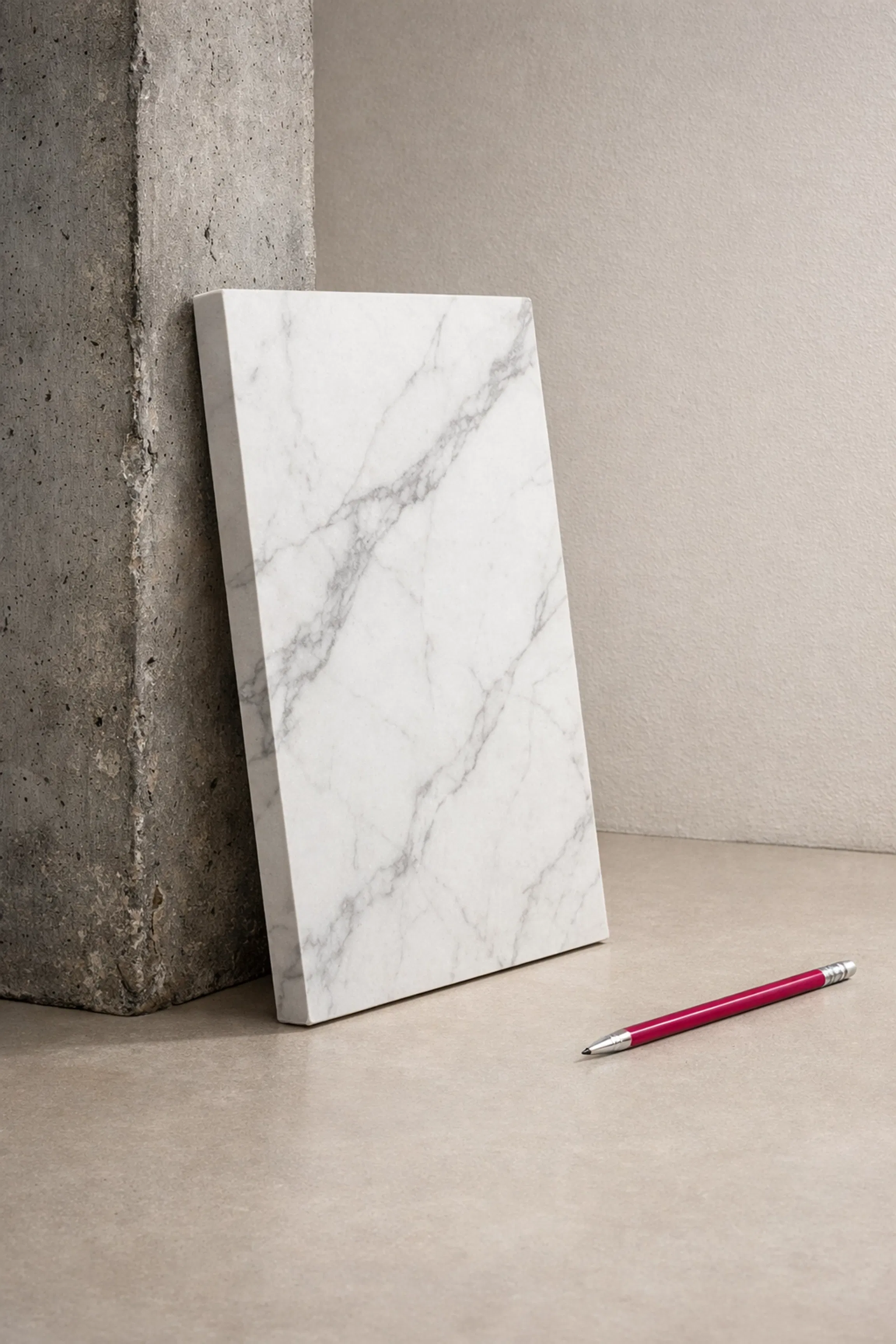
Concrete is heavy. Every cubic metre requires specialized transport, heavy-duty cranes for installation, and significant site preparation.
Recycled plastic sheets are significantly lighter. This weight difference creates a cascade of savings:
- Reduced Transport Emissions: You can fit more material on a single truck, cutting down on "Scope 3" emissions.
- Lighter Footings: Because the structure itself weighs less, the foundations or footings required for things like noise barriers or retaining walls can often be downsized.
- Speed of Install: Smaller teams can maneuver panels without needing a 20-tonne crane on-site for every single lift. This is a game-changer for projects in remote mining sites or tight urban corridors.
For a deeper dive into the logistics, check out our comparison on why recycled plastic outlasts traditional materials in harsh Aussie conditions.
4. Specific Applications for Low-Impact Projects
Noise Barriers
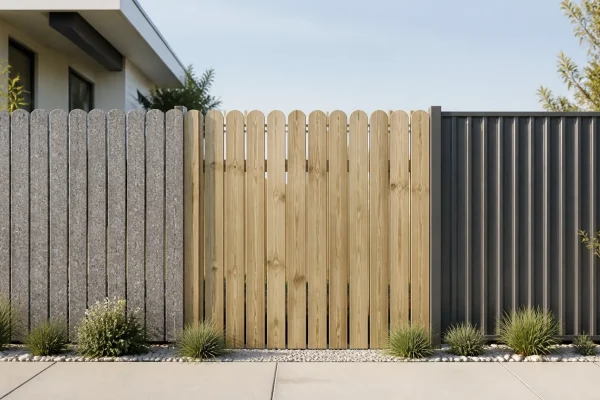
Concrete noise walls are a staple of our highways, but they are expensive to replace and prone to graffiti damage. Recycled plastic panels offer excellent acoustic dampening properties. Plus, because the colour is integrated throughout the material, scratches and graffiti can often be buffed out or cleaned more easily than on porous concrete.
Retaining Walls & Erosion Control
For landscaping and civil works, recycled plastic retaining wall panels provide a modular, rust-effect aesthetic without the weight of pre-cast concrete sleepers.
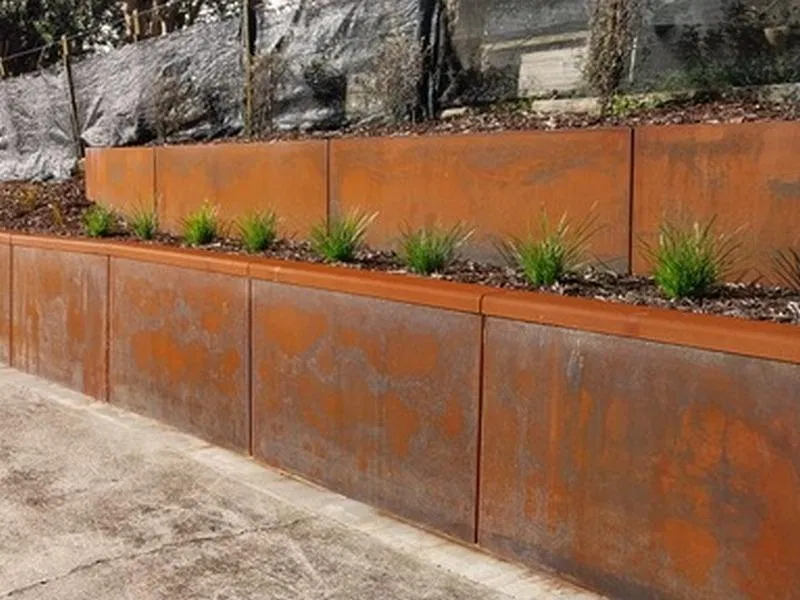
- Erosion Control: Plastic panels are perfect for coastal or riparian zones where water contact is constant. Concrete can leach lime into the water, affecting local pH levels; recycled plastic is chemically stable.
- Modular Design: Our panels can be cut and fabricated on-site with standard woodworking tools, something that is impossible with pre-cast concrete.
5. Winning the Tender: The "If Not, Why Not" Policy
If you are bidding on government work, particularly in NSW, you've likely encountered the "If Not, Why Not" procurement framework. This requires project managers to justify why they aren't using a recycled or sustainable alternative when one is available.
Specifying sustainable construction materials in Australia isn't just about "doing the right thing" anymore: it’s about procurement compliance.
Why Councils Prefer Recycled Plastic:
- Local Content: Using Resourceful Living panels means you are using 100% Australian plastic waste.
- Pre-Qualified Status: We are a Local Buy Pre-Qualified Supplier, making the purchasing process seamless for local councils and government bodies.

Comparison Table: Recycled Plastic vs. Concrete
| Feature | Recycled Plastic (HDPE) | Traditional Concrete |
|---|---|---|
| Embodied Carbon | Very Low (Circular) | High (Cement Intensive) |
| Weight | Lightweight (Easy Logistics) | Heavy (Requires Plant Hire) |
| Durability | No cracking/spalling | Prone to cracking & "cancer" |
| Chemical Resistance | Excellent (Inert) | Poor (Acid/Salt Sensitivity) |
| Workability | Can be cut/drilled on-site | Requires pre-casting/curing |
| End of Life | 100% Recyclable | Landfill or Crushed Aggregate |
| Initial Cost | Competitive | Low (Material only) |
| Total Lifecycle Cost | Low (Zero Maintenance) | High (Repairs/Replacement) |
6. Addressing the "Is Concrete Bad?" Question
We aren't saying concrete is "bad." It is an essential material for the modern world. However, the industry is moving toward material optimization.
Is it overkill to use 40MPa concrete for a simple garden edging or a non-load-bearing noise wall? Absolutely. When you use the wrong material for the job, you aren't just wasting money; you're wasting carbon budget.
For a detailed look at structural trade-offs, read our guide: Is concrete bad for low-emissions projects?
7. How to Make the Switch on Your Next Project
If you’re ready to move toward low-impact infrastructure, here is how to start:
- Identify Non-Structural Elements: Look at noise barriers, cladding, retaining walls, and site hoarding. These are the "low-hanging fruit" for carbon reduction.
- Request Product Data Sheets: Ensure the recycled material meets your fire and UV stability requirements. You can view our Product Data Sheets here.
- Calculate the Weight Savings: Work with your logistics team to see how much you can save on crane hire and transport by switching to a lightweight panel.
- Leverage Local Buy: If you’re a council officer, use the Local Buy platform to ensure you are meeting your social and environmental procurement targets.

The Bottom Line
In the battle of recycled plastic vs concrete, the winner depends on your project goals. If you need to support a 50-storey building, stick with concrete. But if you want to build low-impact, low-maintenance infrastructure that wins tenders and protects the planet, recycled plastic is the superior choice for 2026.
Ready to see the material in person? Contact Resourceful Living today to discuss how our locally manufactured panels can fit your next civil or infrastructure project. Let's close the loop together.