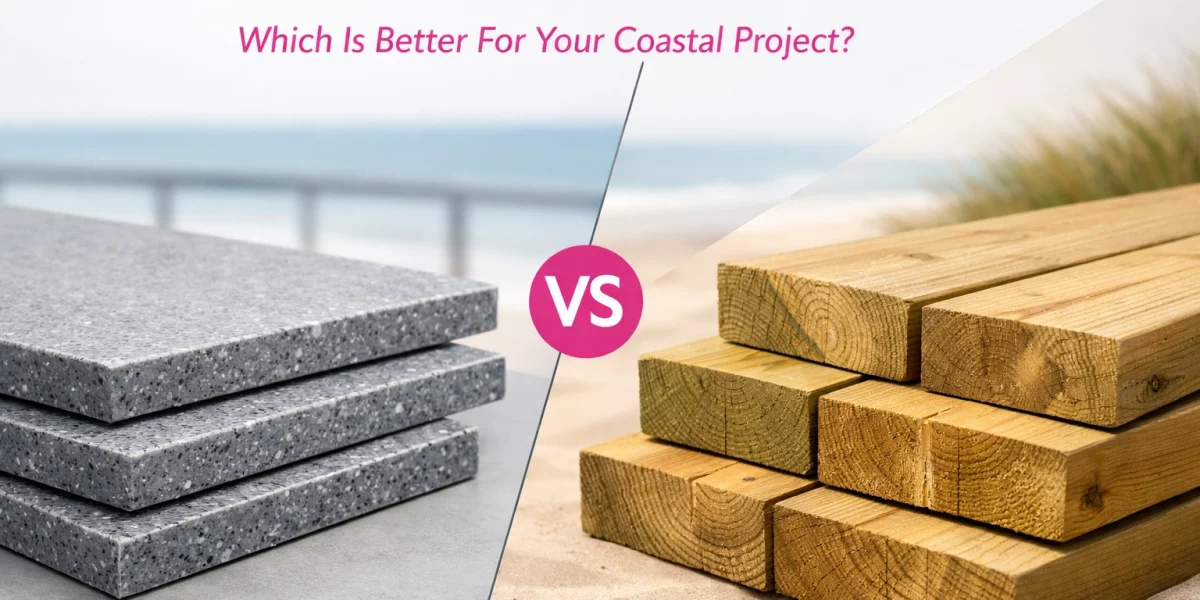
If you’ve ever built anything within five kilometres of the Australian coastline, you know the "Coastal Curse." It’s that relentless combination of high humidity, intense UV radiation, and constant salt spray that turns pristine building materials into weathered, rotting heaps in just a few short years.
For decades, treated timber has been the default choice for boardwalks, beach signage, and outdoor furniture. It’s familiar, it’s relatively cheap upfront, and every hardware store stocks it. But as we move into 2026, the industry is shifting. Smart builders and local councils are increasingly ditching timber in favour of recycled plastic sheets.
Why the sudden change? It comes down to a simple calculation of longevity, maintenance, and environmental responsibility. In the harsh Australian elements, recycled plastic construction materials in Australia aren't just an alternative; they are a superior evolution.
The Coastal Curse: Why Timber Struggles
Timber is an organic material. Even when it’s pumped full of chemicals (the "treatment" in treated timber), it remains porous. In a coastal environment, this porosity is its greatest weakness.
- Salt Crystallisation: Salt spray doesn’t just sit on the surface of wood. It penetrates the fibres. As the water evaporates, salt crystals grow inside the timber, literally tearing the wood cells apart from the inside out.
- Moisture Absorption: High humidity leads to constant swelling and shrinking. This cycle causes timber to warp, cup, and split, creating safety hazards like splinters and uneven surfaces.
- Chemical Leaching: Treated timber often relies on Copper Chrome Arsenate (CCA) or similar biocides to prevent rot. In wet coastal zones, these chemicals can leach into the surrounding sand and soil, posing a risk to delicate marine ecosystems.
"The reality of coastal building is that you aren't just fighting the weather; you're fighting chemistry. Timber is designed by nature to break down. In a salt-heavy environment, that process happens at triple speed."
The 5x Longevity Factor: Why Recycled Plastic Wins
When we talk about recycled plastic sheets, we aren't talking about flimsy single-use items. We are talking about high-density, engineered panels designed for structural durability.
Recent data suggests that in high-corrosion environments, high-quality recycled plastic panels can last at least five times longer than traditional treated timber. While a timber boardwalk might require significant board replacements after 7-10 years, recycled plastic remains structurally sound for 50 years or more.
Hydrophobic by Nature
Unlike timber, plastic is hydrophobic: it hates water. Because recycled plastic sheets do not absorb moisture, they are completely immune to the effects of salt spray and humidity. There is no internal pressure from salt crystals and no swelling that leads to warping.
UV Resistance
Australian sun is brutal. At Resourceful Living, our 100% Australian recycled plastic products are engineered with UV stabilisers. This ensures that the material doesn't become brittle or lose its structural integrity under the punishing Southern Cross.
If you're curious about how these materials stack up in a broader context, you can check out our deep dive on recycled plastic vs. timber vs. steel.
Maintenance: The Hidden Cost of Timber
Many project managers look at the initial price tag of treated timber and think they’re saving money. However, the Total Cost of Ownership (TCO) tells a different story.
Timber Maintenance Schedule:
- Annual: Inspection for rot and termite damage.
- Every 2-3 Years: Re-staining or re-sealing to prevent moisture ingress.
- Every 5-7 Years: Significant replacement of warped or split boards.
- Constant: Sanding back splinters to maintain public safety.
Recycled Plastic Maintenance Schedule:
- Annual: A quick wash with a high-pressure hose to remove surface salt and grime.
- That’s it.
Because the colour is consistent throughout the entire thickness of the sheet, there’s no paint to flake off and no stain to fade. If the surface gets scratched, the colour underneath is exactly the same. For local governments, this reduction in labor costs is a game-changer. You can read more about why Australian councils are switching to recycled plastic for their public infrastructure.
100% Australian Recycled Plastic: A Circular Choice
Choosing the right material isn't just about how long it lasts; it’s about where it comes from. Most timber used in Australian construction is either imported or harvested from plantations that require vast amounts of land and water.
Resourceful Living specialises in 100% Australian recycled plastic. We take waste that was destined for local landfills: milk bottles, soft plastics, industrial scrap: and turn it into high-performance building materials.
- Zero Waste: Our manufacturing process creates almost no waste.
- Local Impact: By sourcing waste within Australia, we reduce the carbon footprint associated with international shipping.
- Take-Back Program: We operate a closed-loop system. If your project is eventually decommissioned decades from now, those panels can be returned to us, shredded, and turned into new panels once again.
This is the essence of a true circular economy. If you want to understand the science behind it, take a look at our Life Cycle Environmental Impact report.
Performance Comparison Table
To make your decision easier, here is a quick breakdown of how these materials perform in coastal zones:
| Feature | Treated Timber | Recycled Plastic Sheets |
|---|---|---|
| Moisture Absorption | High (leads to rot/warping) | Zero |
| Salt Resistance | Poor (salt crystal damage) | Excellent |
| Lifespan (Coastal) | 7–15 Years | 50+ Years |
| Maintenance | Sanding, staining, oiling | Low-pressure wash only |
| Termite Resistance | Requires chemical treatment | Naturally immune |
| Eco-Friendliness | Leaches chemicals | 100% recycled & recyclable |
| Splintering | High risk over time | No risk |
Practical Applications for Coastal Projects
Where exactly should you be using these recycled plastic construction materials in Australia? The versatility of the sheets means they can be cut, drilled, and routed just like wood, using standard woodworking tools.
1. Beachfront Signage and Wayfinding
Traditional wooden signs near the ocean quickly become unreadable as the paint peels and the wood cracks. Recycled plastic panels can be CNC-routed with text and maps, providing a permanent, vandal-resistant solution that looks fresh for decades.
2. Boardwalks and Public Pathways
Safety is paramount in public spaces. The fact that recycled plastic doesn't splinter makes it the ideal surface for barefoot beachgoers. Plus, the textured finishes available provide excellent slip resistance even when wet.
3. Retaining Walls and Garden Edging
In coastal gardens, soil is often sandy and salt-rich. Timber sleepers used for retaining walls will rot where they touch the ground. Recycled plastic "timber" or thick sheets are impervious to ground moisture and soil acidity.
4. Marine Infrastructure
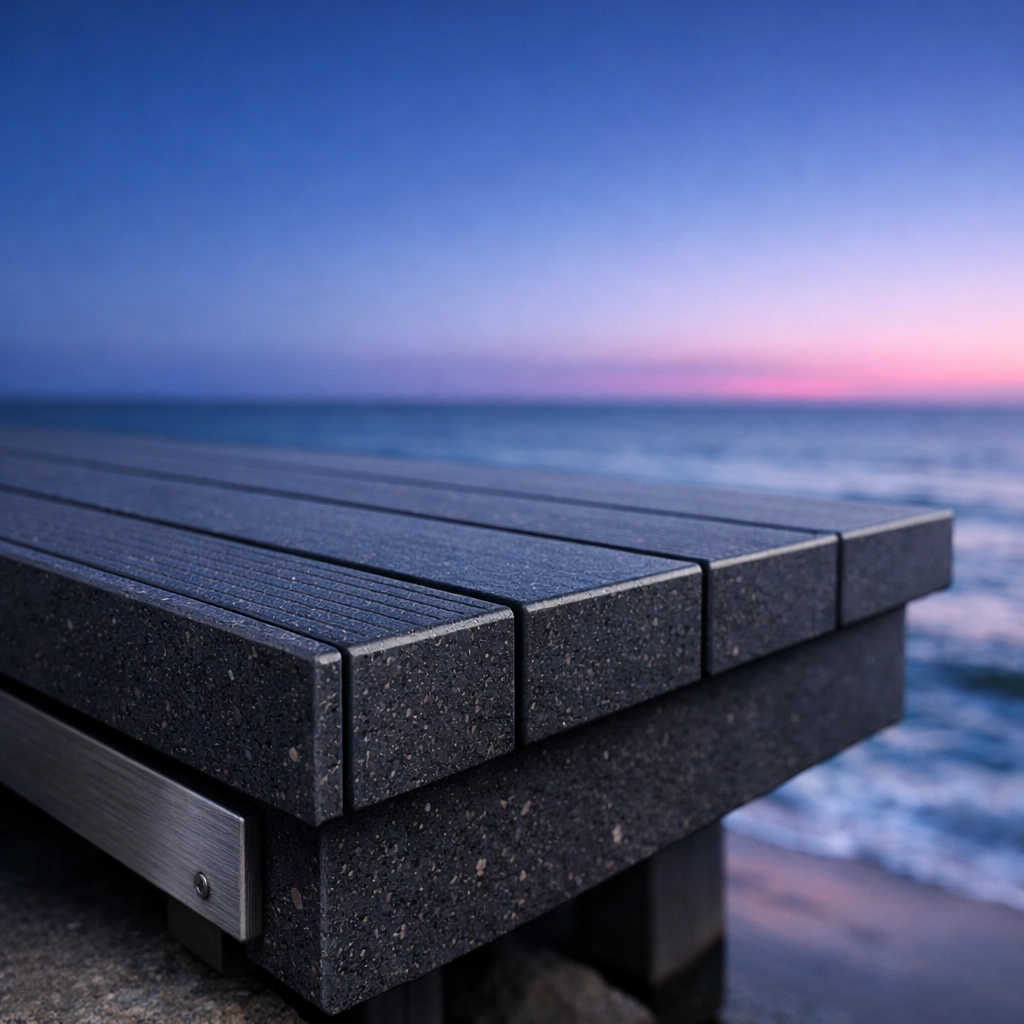
For jetties, boat ramps, and sea wall linings, the hydrophobic nature of plastic is a massive advantage. It won't degrade when submerged or subjected to constant splashing. For more ideas, check out 20 ways to use recycled plastic in your next build.
Avoiding Common Pitfalls
While the benefits are clear, it’s important to source the right quality. Not all recycled plastic is created equal. Some low-quality imports use "fillers" that can degrade or leach.
When selecting your material, ensure you are working with Australian recycled plastic manufacturers who can provide traceability. You want to know exactly what is in your boards to ensure they meet Australian safety and environmental standards.
The Verdict: Which is Better?
If your project is a temporary structure or you are on an extremely tight "day one" budget with no responsibility for future maintenance, treated timber might seem attractive.
However, for any professional, council, or homeowner looking for a long-term, sustainable, and maintenance-free solution, recycled plastic sheets are the clear winner. The 5x longevity factor alone makes it the more fiscally responsible choice. When you add in the environmental benefits of using 100% Australian waste, the decision becomes a no-brainer.
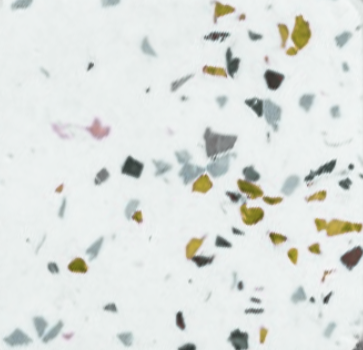
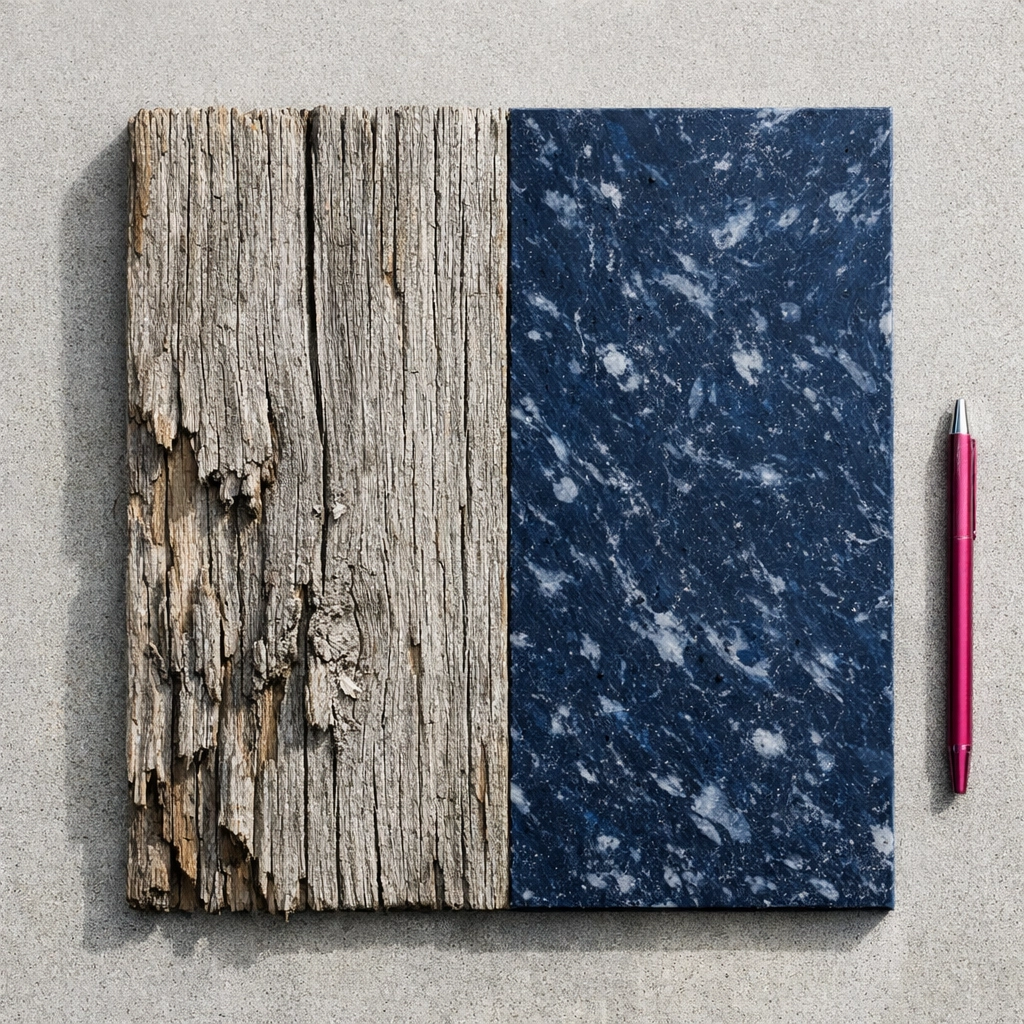
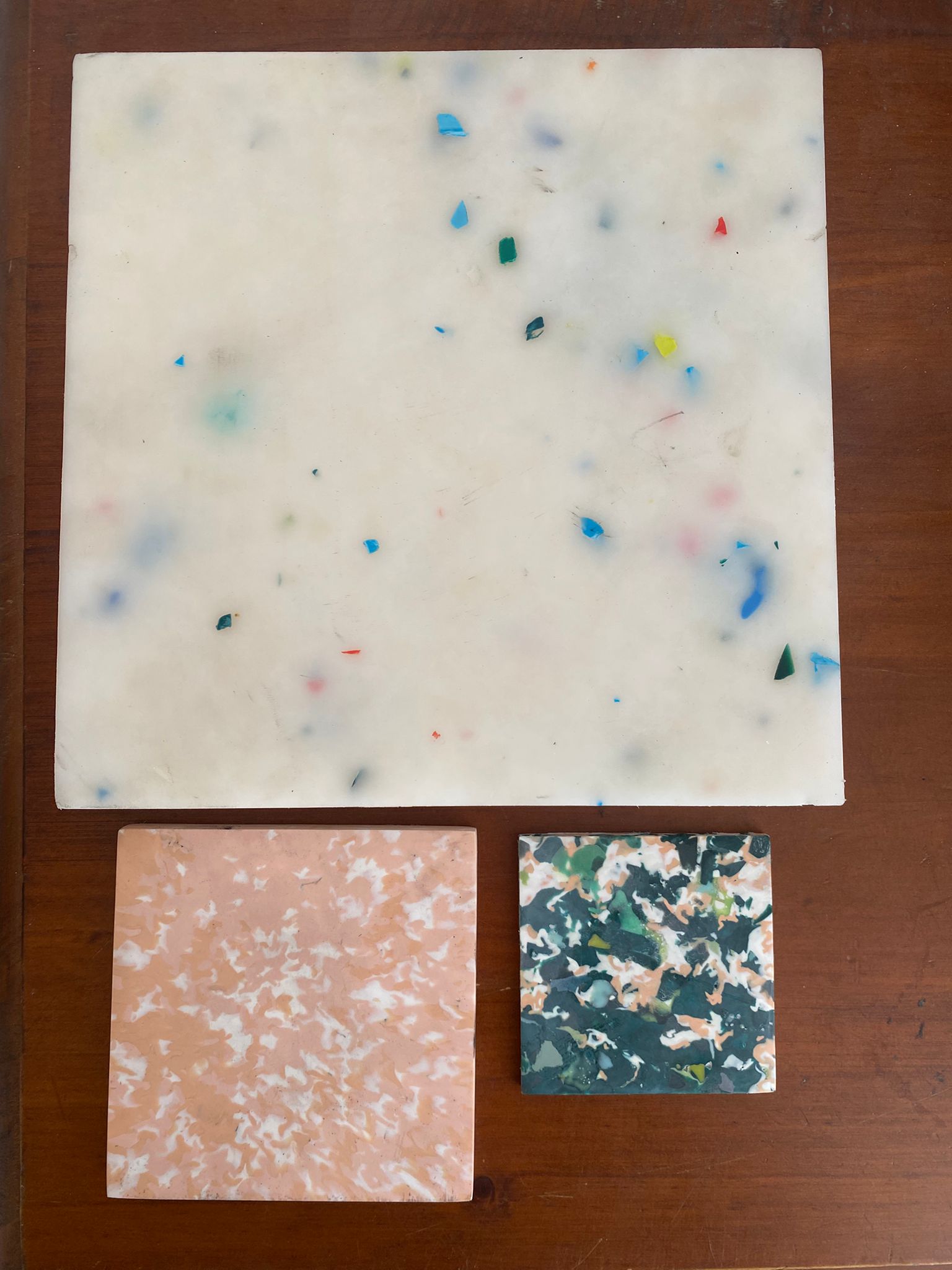
Ready to see how these panels look in person? Our "White Confetti" and "Navy Marble" finishes prove that sustainable doesn't have to mean boring.
Your Coastal Project Checklist:
- Assess the environment: How close is the project to high-tide? (Closer = higher need for plastic).
- Calculate TCO: Don't just look at the purchase price; factor in 10 years of staining and eventual replacement.
- Verify Sourcing: Ensure you’re using 100% Australian recycled plastic to support local industry and reduce transport emissions.
- Check Structural Needs: Remember that while plastic is great for surfaces and cladding, some long-span load-bearing applications may still require a hybrid approach with steel or specialized sub-frames.
For a deeper dive into choosing the right board for your specific needs, read our guide on how to choose the best recycled plastic board for durability and cost.
The coast is a beautiful place to build, but only if you use materials that respect the environment they’re in. Stop fighting the salt( start building with it in mind.)