
As Australia pushes toward greener, more sustainable building practices, one material is quietly revolutionising the construction landscape: recycled plastic panels. While timber has long been a traditional favourite, builders, architects, and developers are increasingly swapping wood for recycled plastic — and for good reason.
In this article, we’ll explore the advantages of recycled plastic panels over timber, backed by data, local relevance, and practical application. Whether you’re planning a residential renovation or commercial build, this guide will help you make an informed, future-forward decision. It will also help with using more sustainable building materials in your next project.
What Are Recycled Plastic Panels?
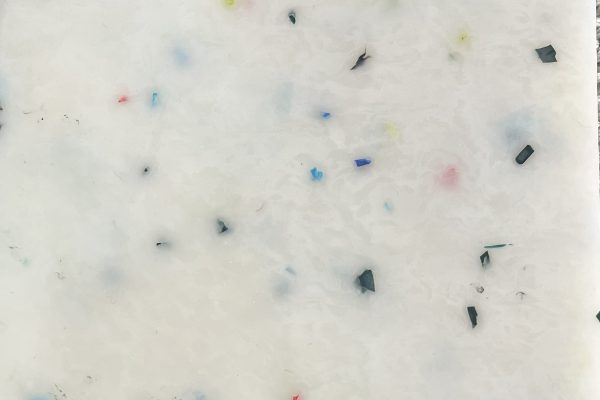
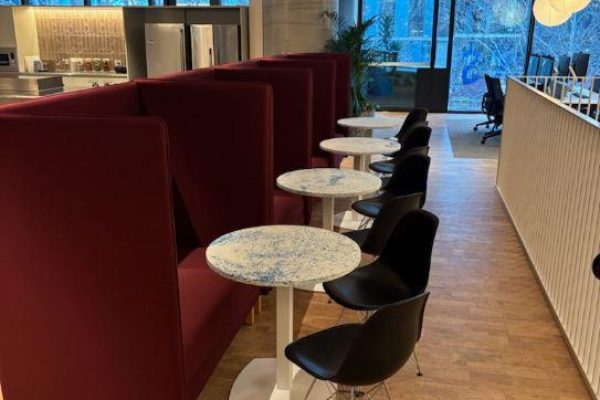
Recycled plastic panels are construction materials made by repurposing plastic waste (such as HDPE, PET, or mixed plastics) into durable, mouldable boards. These panels are widely used in:
- Wall cladding
- Decking
- Fencing
- Furniture
- Landscaping structures
Timber vs. Recycled Plastic Panels: The Key Differences
| Feature | Timber | Recycled Plastic Panels |
|---|---|---|
| Durability | Susceptible to rot, insects, warping | Highly durable, weather-resistant |
| Maintenance | Needs sealing, painting, ongoing care | Virtually maintenance-free |
| Lifespan | 10–20 years with care | 50+ years with minimal upkeep |
| Sustainability | Renewable, but contributes to deforestation | Reuses plastic waste, saves landfill space |
| Cost Over Time | Lower upfront cost, higher maintenance | Slightly higher upfront, low lifetime cost |
| Bushfire Resistance | Some species are fire-prone | Some plastic panels have BAL ratings |
“After switching to recycled plastic panels for fencing on a Melbourne project, our maintenance costs dropped by over 70% in three years. No rot, no repainting.” – Local Builder, VIC
7 Reasons Why Recycled Plastic Panels Outperform Timber in Australia
1. They Last Significantly Longer
Unlike timber, recycled plastic doesn’t rot, splinter, crack, or warp under harsh Australian conditions. From coastal humidity to desert dryness, they retain structural integrity for decades.
2. Zero Maintenance Needed
Forget sanding, staining, or sealing. Recycled plastic panels require no upkeep, saving both time and money over the long term.
3. Bushfire Resilience
Some high-density plastic panels have Bushfire Attack Level (BAL) compliance. Timber often fails BAL ratings unless treated or protected.
4. Made From Local Waste
Australia generates over 2.5 million tonnes of plastic waste annually. Using recycled plastic panels helps divert this waste from landfill.
5. Incredible Design Flexibility
Available in multiple colours, textures, and dimensions, recycled panels can replicate the look of timber — without the drawbacks.
6. Better for Termite-Prone Areas
Unlike wood, recycled plastic isn’t edible. That makes it ideal for termite-heavy zones like QLD and NT.
7. Closed-Loop Sustainability
When to Choose Recycled Plastic Over Timber
✅ Ideal Use Cases:
- Coastal properties (resistant to salt and moisture)
- School playgrounds and park equipment (safe, durable)
- Public infrastructure (benches, walkways, bollards)
- Remote or fire-prone areas (minimal maintenance, fire-rated)
- Agricultural or industrial environments (chemical and weather resistance)
“In the NT, timber deteriorates quickly without constant upkeep. Switching to recycled plastic bollards was a game-changer for our council.” – Infrastructure Manager, Darwin
Shop our Recycled plastic panels
Cost Comparison: Timber vs. Recycled Plastic (Australia 2024)
| Material | Average Cost Per m2 | Maintenance Cost (10 yrs) | Estimated Lifespan |
| Timber (treated pine) | $55 | $1,000+ | 15 years |
| Recycled Plastic | $75 | $0–$100 | 50+ years |
While recycled plastic panels may cost more upfront, they become significantly cheaper over the lifespan of a project.
- Lower maintenance costs (no painting or sealing required)
- Longer lifespan (no rot or termite issues)
- No replacement labor
Environmental Impact: A Better Choice for Australia
- Deforestation Reduction: Every tonne of recycled plastic panels can save up to 30 trees.
- Waste Diversion: Using 1,000kg of plastic panels diverts 1,000kg of waste from landfill.
- Lower Carbon Footprint: Producing recycled plastic panels uses less energy than processing timber, especially exotic hardwoods.
Real-World Examples
Across Australia, recycled plastic panels are being used in:
- Council playgrounds (splinter-free benches)
- Coastal boardwalks (resistant to salt and water damage)
- Public seating and landscaping in schools
Many NSW builders have adopted recycled plastic for municipal and commercial projects due to its environmental benefits and local manufacturing.
Read more: Why Builders in NSW Are Switching to Recycled Plastic Panels
Is It Time to Ditch Timber?
While timber will always have a place in Australian design, recycled plastic panels offer a modern, sustainable alternative that outlasts, outperforms, and out-smarts traditional wood.
Whether you’re planning a home extension, outdoor deck, or urban project, switching to recycled plastic could be the upgrade that future-proofs your design.
Want to learn more about using recycled materials in your build? Let us know your thoughts in the comments or get in touch with our team.
🔗 Back to: The Ultimate Guide to Sustainable Building Materials in Australia