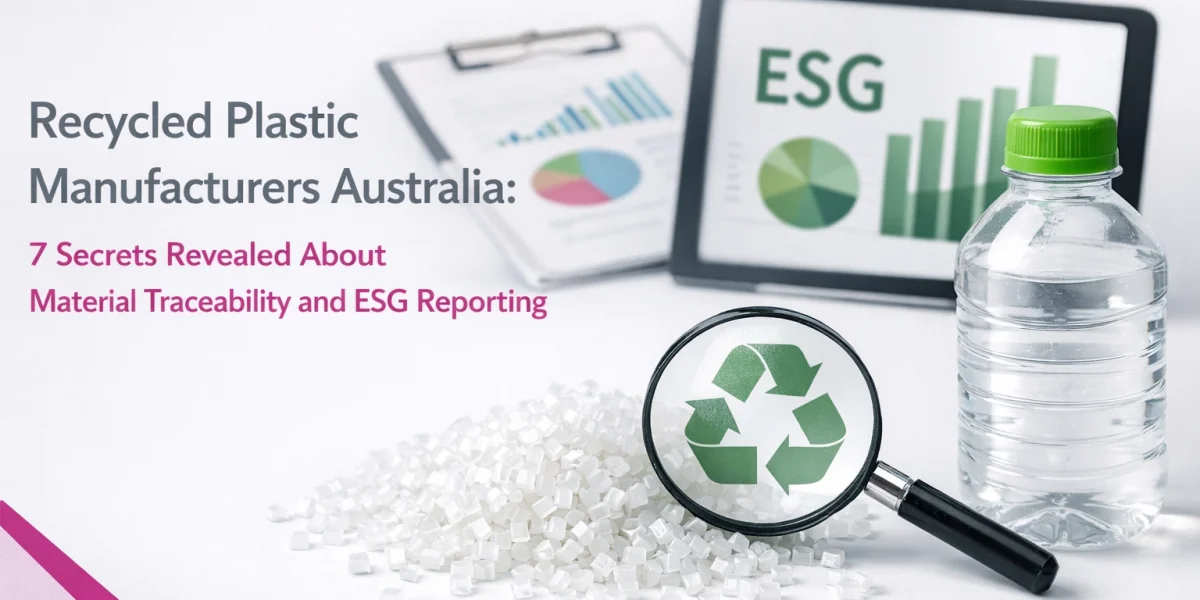
If you are involved in construction, retail design, or large-scale procurement in Australia, you’ve likely noticed a massive shift. We aren’t just talking about "being green" anymore. We are talking about measurable impact.
The days of taking a manufacturer’s word for it are gone. Today, the focus has shifted toward Environmental, Social, and Governance (ESG) reporting and rigorous material traceability. If you can't prove where your plastic came from or where it’s going next, it’s a liability: not an asset.
At Resourceful Living, we spend our days turning 100% Australian plastic waste into high-performance recycled plastic panels. But the real value isn't just the board itself; it's the data and the cycle behind it.
Here are 7 "secrets" the industry doesn't always advertise, but every savvy project manager needs to know about recycled plastic manufacturing in Australia.
1. Not All "Recycled" Plastic is Australian
This is perhaps the biggest secret in the local market. Many products marketed in Australia as "recycled" are actually made from imported plastic flakes or pellets sourced from overseas.
While using recycled material is good, importing plastic waste adds a massive carbon footprint to the "sustainable" product. True ESG excellence requires a focus on the local circular economy.
At Resourceful Living, we use 100% Australian plastic waste. This means we are actively diverting waste from Australian landfills and reducing the pressure on our local councils. When you source locally, your ESG report reflects a double win: lower transport emissions and direct support for Australian waste infrastructure.
2. Traceability is the New Gold Standard
In 2026, saying a product is "recycled" is no longer enough for a Tier-1 construction firm or a major retail brand. You need a chain of custody.
Traceability is the ability to track a material from its point of origin (the waste source) through the manufacturing process to the final product.
- Source Verification: Was it post-industrial or post-consumer waste?
- Batch Tracking: Can you link a specific panel back to a specific collection date?
- Process Transparency: What additives were used?
Without this data, your ESG reporting is built on shaky ground. We prioritise a transparent end-to-end cycle so our clients can confidently include our materials in their sustainability audits.
3. The "End-to-End" Cycle Must Be Managed
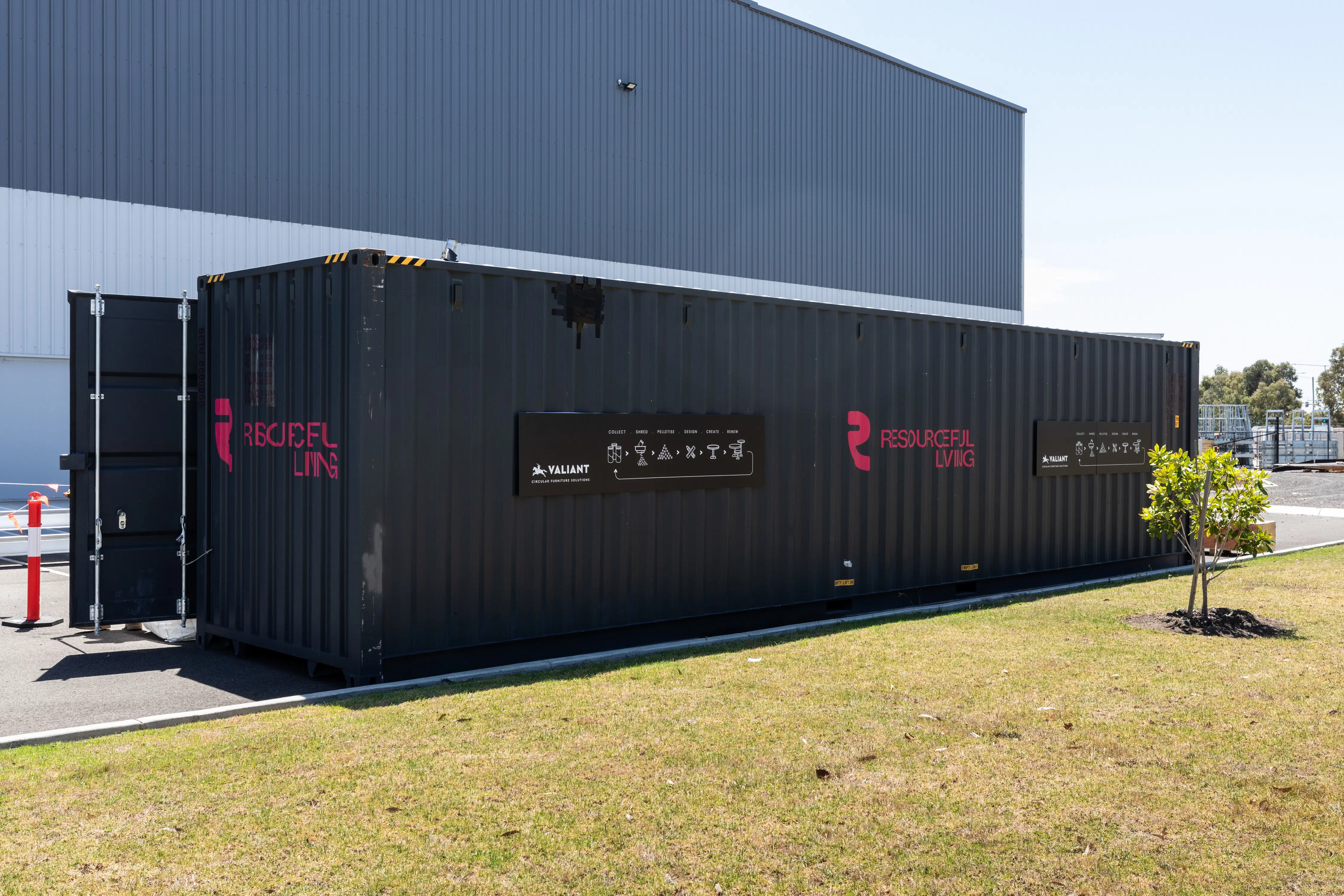
A manufacturer that just sells you a sheet and disappears isn't helping you meet long-term sustainability targets. The secret to a truly circular project is Take-Back Programs.
"The true value of a recycled material isn't found in its first use, but in its ability to be repurposed indefinitely without losing its structural integrity." : Resourceful Living Design Team
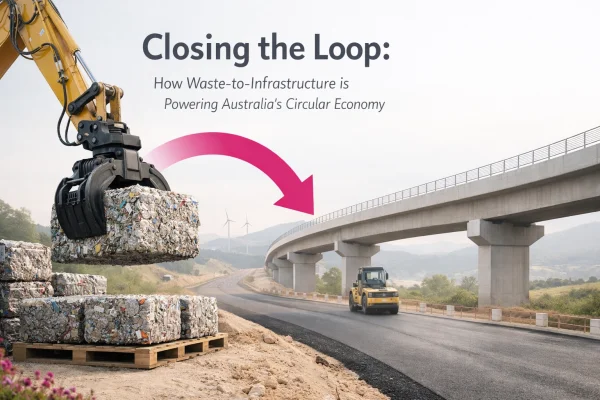
We manage the entire cycle. If a retail fit-out reaches the end of its life in five years, those panels shouldn't go to a skip bin. Because we know exactly what went into our panels, we can take them back, shred them, and turn them into new panels. This closed-loop system is a powerful metric for any ESG report, as it proves a zero-waste outcome for the project.
4. ESG Reporting Requires Specific Metrics
Your ESG manager doesn't just want to hear that a project looks "earthy." They need hard data. When choosing a recycled plastic manufacturer in Australia, ask if they can provide:
- Carbon Sequestration Data: How much CO2e was saved by avoiding virgin plastic?
- Landfill Diversion Weight: Exactly how many kilograms of waste were diverted for this specific order?
- Water and Energy Usage: What was the environmental cost of production?
By providing these metrics, we help our clients meet their sustainability targets with ease, making the procurement process a highlight of their annual report rather than a headache.
5. HDPE and LDPE: Not All Plastics are Created Equal
A secret that often trips up designers is the polymer type. Many manufacturers mix plastics to save costs, but this makes the final product almost impossible to recycle again later.
We focus on specific polymers like HDPE (High-Density Polyethylene) and LDPE. By keeping our waste streams pure, we ensure the resulting panels are:
- Durable: Weather-resistant and UV-stable for Australian conditions.
- Safe: Non-toxic and chemically inert.
- Recyclable: They can be re-processed back into the same high-quality material later.
6. Sorting is the Real Value-Add
The "secret sauce" of high-quality recycled plastic isn't the heat or the press: it’s the sorting.
Contamination is the enemy of recycled materials. If a manufacturer isn't rigorous about cleaning and sorting their intake, the resulting sheets will have structural weak points or "blow-outs."
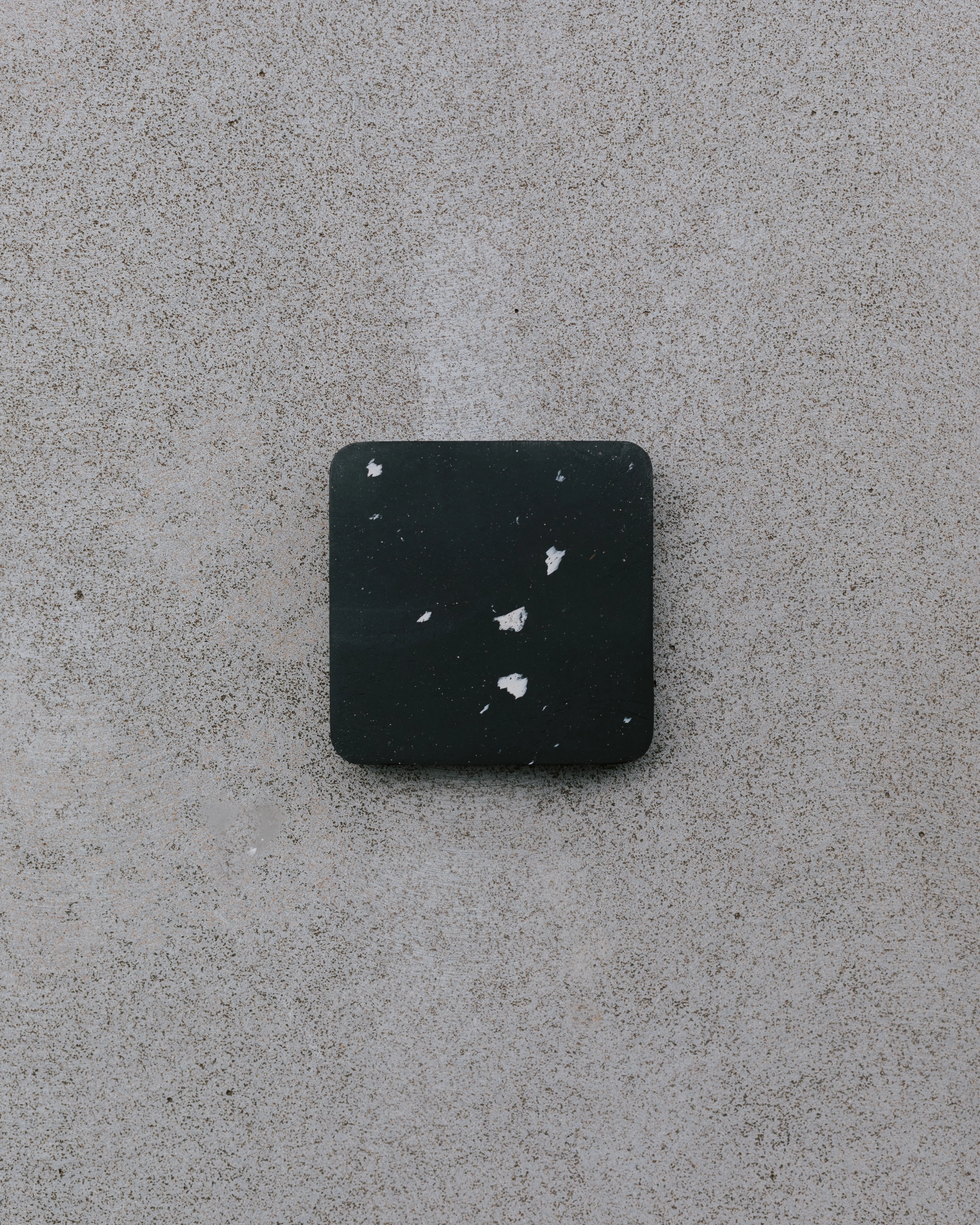
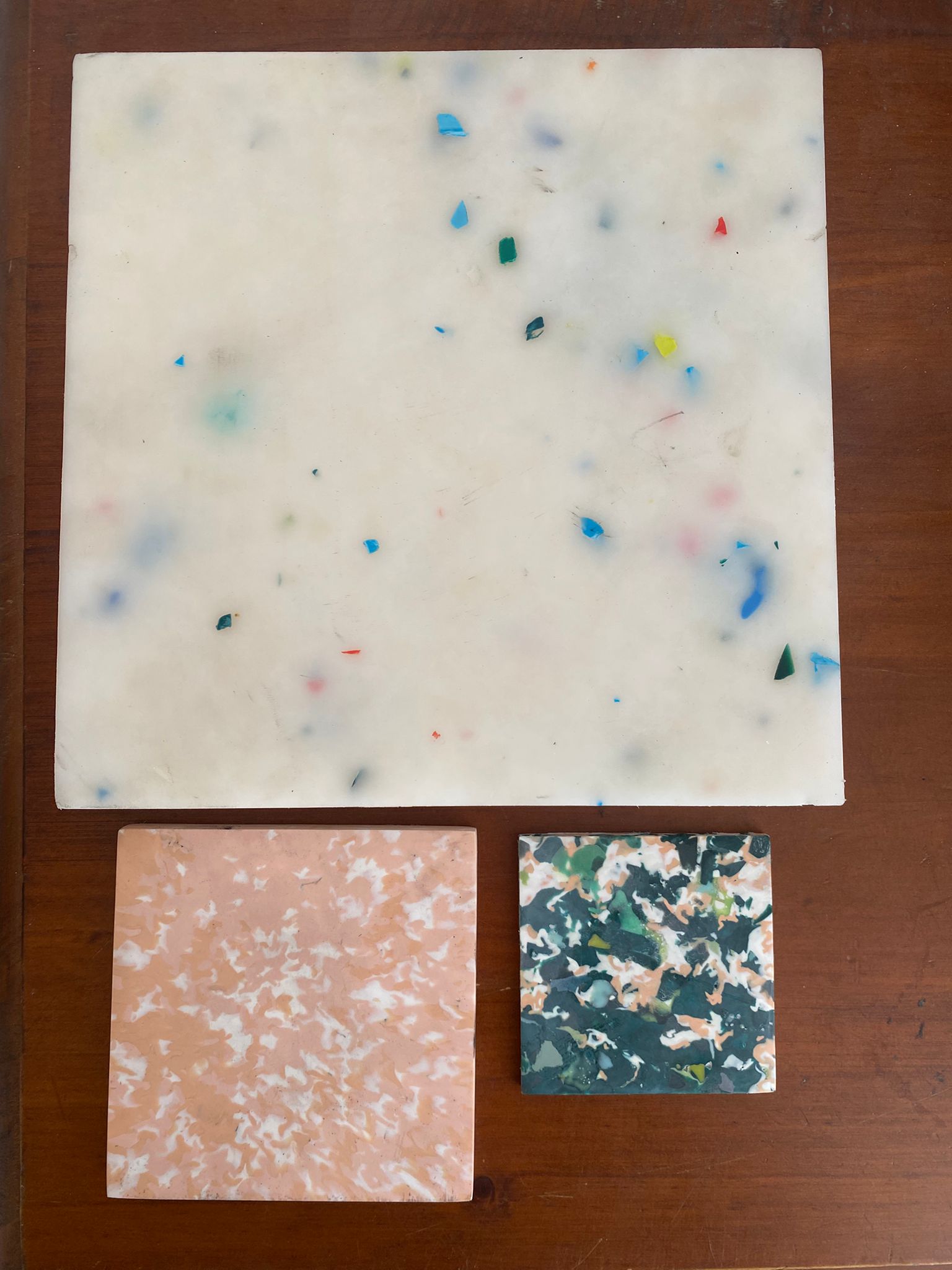
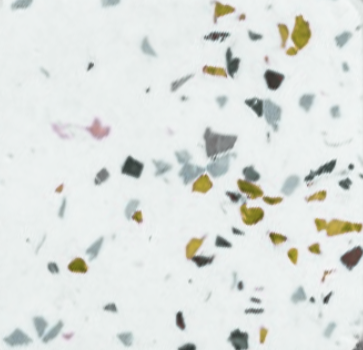
We invest heavily in the pre-production phase. By meticulously sorting 100% Australian plastic waste by colour and type, we create panels that aren't just sustainable: they are beautiful. Whether it’s a navy and white marble finish or a custom confetti pattern, the aesthetics are a direct result of superior sorting processes.
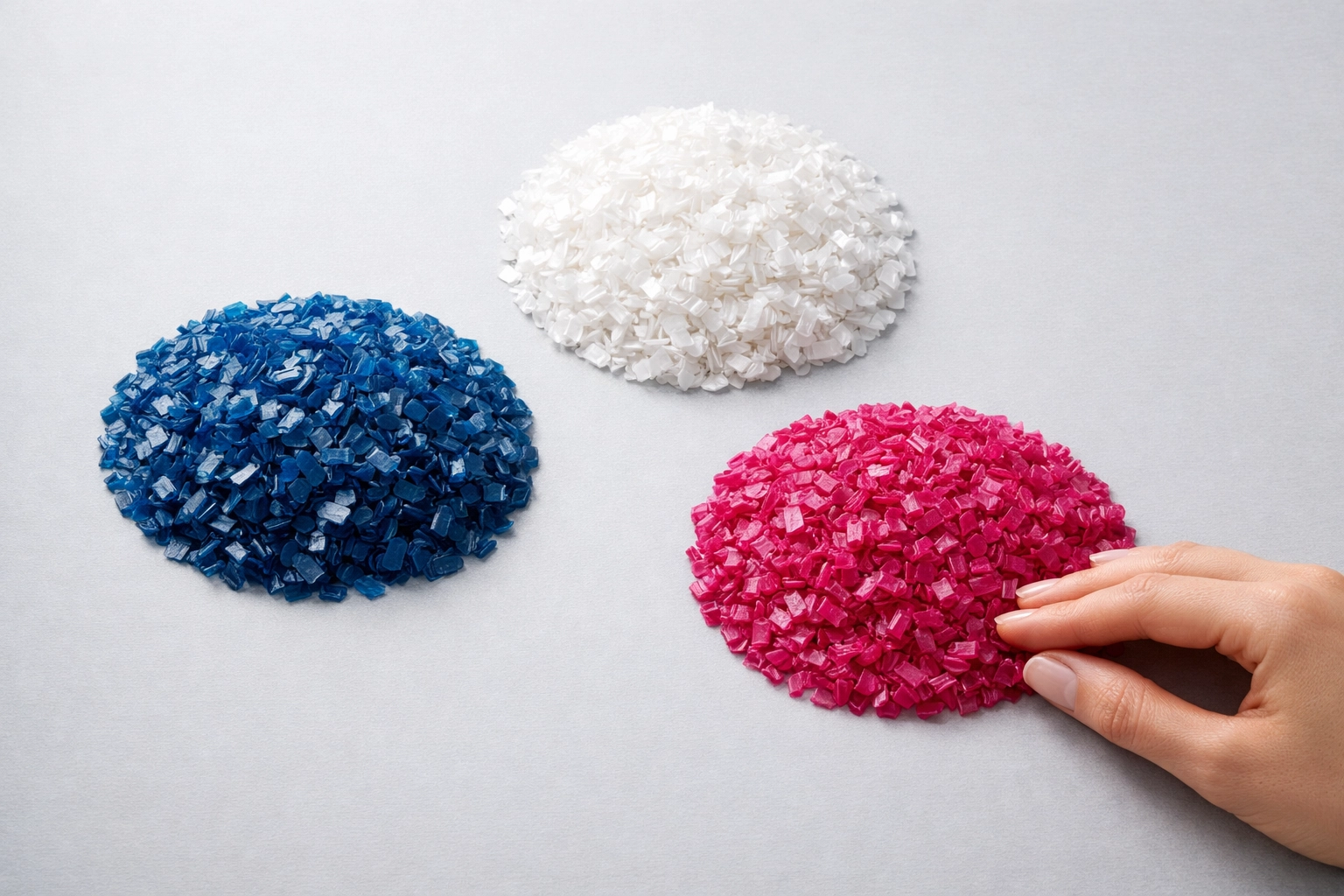
Caption: An inside look at the automated and manual sorting processes that ensure material purity for every batch of Resourceful Living panels.
7. Local Manufacturing Mitigates Global Risk
The global supply chain is volatile. If you are relying on imported "recycled" materials, you are subject to shipping delays, international plastic bans, and fluctuating exchange rates.
The final secret is that local manufacturing is a risk-mitigation strategy.
By sourcing from an Australian manufacturer, you ensure:
- Shorter Lead Times: No waiting for containers at the wharf.
- Direct Quality Control: You can visit the recycling workshop and see your material being made.
- Simplified ESG Auditing: It is much easier to audit a factory in New South Wales than one on the other side of the world.
How to Verify Your Manufacturer’s ESG Claims
If you’re currently talking to suppliers, use this quick checklist to see if they are the real deal:
- Where is the raw waste sourced? (Demand "100% Australian" if you want to support local circularity).
- Do you have a Take-Back program? (Ask for the specific process for returning end-of-life materials).
- Can you provide a batch-specific CO2e savings report?
- Is the material 100% recyclable, or is it a composite? (Composites mixed with wood or glass are often impossible to recycle again).
- Are you compliant with AS/NZS ISO standards for environmental labelling?
Why Traceability Matters for Your Next Project
Whether you are designing a new office fit-out, specifying materials for a coastal council project, or developing a new retail product, the materials you choose tell a story.
When you use traceable, Australian-made recycled plastic, you aren't just buying a board. You are buying a verified environmental outcome. You are showing your stakeholders that you understand the importance of the end-to-end cycle.
At Resourceful Living, we’ve made it our mission to make this process as transparent as possible. We handle the collection, the processing, and the manufacturing right here, so you can focus on building something incredible.
Ready to see the data for yourself?
If you're looking for traceable, high-performance materials for your next project, we'd love to help.
- Order a Sample: See the quality of our recycled plastic sheets firsthand.
- Discuss a Custom Project: Contact our sales team to talk about ESG reporting and bulk requirements.
- Join the Loop: Learn more about our waste collection services.
Building a sustainable future isn't about one big change; it’s about making thousands of better choices. Start with a material you can actually track.