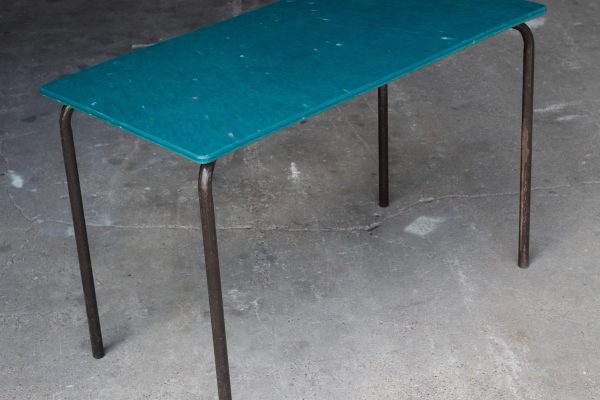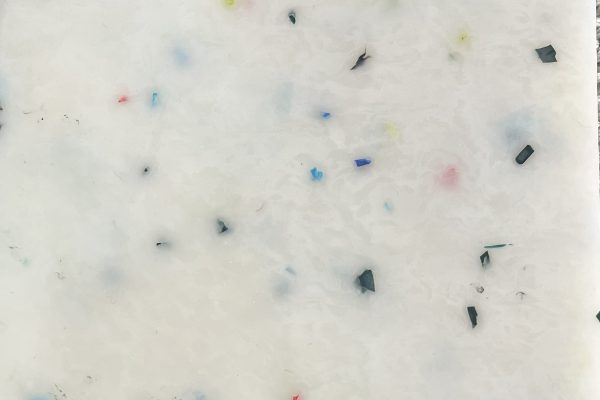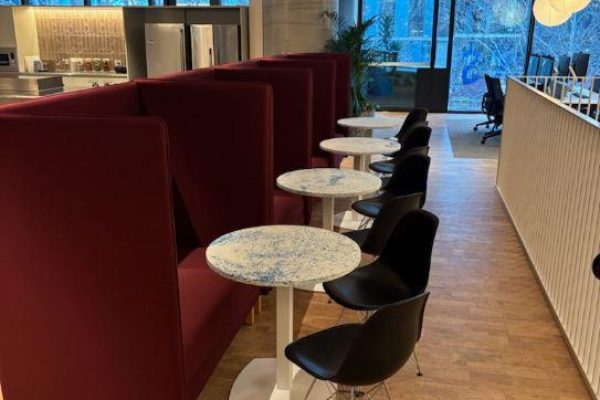

Recycled plastic outdoor furniture is gaining popularity but is it actually built to last? That’s the question councils, landscape architects, schools, and homeowners are asking when choosing materials for outdoor settings.
The answer? Absolutely.
At Resourceful Living, our recycled plastic furniture has been rigorously tested in real-world Australian conditions coastal, inland, humid, dry and it consistently outperforms traditional timber or metal options.
This article explores why recycled plastic is one of the most durable materials for outdoor furniture and how it’s being used in long-term, public, and commercial spaces.
✅ View our recycled plastic panels for furniture builds
What Makes Outdoor Furniture Durable?
When assessing outdoor furniture durability, here are the key factors:
- 🌦 Weather resistance (UV, rain, humidity)
- 🐜 Pest resistance (insects, termites)
- 🧼 Maintenance needs
- 💪 Structural integrity over time
- ♻️ Resistance to rot, corrosion, and splintering
Recycled plastic excels in all five without the upkeep or chemical treatments other materials require.
🔗 Related: How to Use Recycled Plastic Panels in Construction, Design & DIY Projects
Timber vs Metal vs Recycled Plastic
| Feature | Timber | Metal (Steel/Alu) | Recycled Plastic |
|---|---|---|---|
| UV Resistance | Low – fades, cracks | Medium – powder coat fades | High – UV-stable polymer |
| Moisture Resistance | Low – rots, warps | Medium – rusts or corrodes | High – waterproof |
| Maintenance | High – staining, sealing | Medium – repainting | None – wipe clean |
| Lifespan | 5–10 years | 10–15 years | 20–50+ years |
| Sustainability | Mixed – depends on source | Low – high carbon cost | High – 100% recycled |
✅ Order panel samples for testing
How Our Furniture Performs in the Field
Our panels have been installed across:
- Council parks and playgrounds
- Schools and universities
- Community gardens
- Outdoor cafés and public areas
Performance Highlights:
- ✅ No splitting or cracking — even in direct sun
- ✅ Withstands salt spray, rain, humidity, and frost
- ✅ No termite or insect damage
- ✅ No rust, mould, or discolouration
📎 Case Study: Recycled Plastic in Commercial Fit-Outs: Real-World Case Studies
Real Durability Test: Coastal NSW Council
In 2020, a NSW council installed 12 recycled plastic benches and picnic tables in a coastal reserve.
Conditions:
- Daily salt exposure
- High UV intensity
- Public use (high traffic)
Outcome after 3 years:
- No visible fading
- No surface damage despite exposure
- No maintenance required
🧩 Bonus: graffiti was wiped off easily with warm soapy water, no special chemicals needed.
📌 Related: Creative Ways to Use Recycled Plastic in Landscaping
What Kind of Outdoor Furniture Can You Build?
Using recycled plastic panels, you can build:
- Benches (with or without backs)
- Picnic tables
- Seat walls
- Café dining tables and chairs
- Lounge seating
- Outdoor classroom sets
- Custom planter benches or modular seating
✅ Contact us to chat about your next project
Common Questions About Recycled Plastic Furniture
1. Does it fade in the sun?
No — panels are UV-stabilised during production and hold colour for decades without painting.
2. Does it feel hot to the touch?
It warms in direct sun but not as much as metal. Lighter colours stay cooler.
3. Can it hold weight like timber or metal?
Yes — structural-grade panels are ideal for furniture frames and seating.
4. Is it safe for kids and schools?
Absolutely. No splinters, toxins, or surface cracking. Perfect for child-safe spaces.
How Designers Use Recycled Plastic for Outdoor Builds
Interior and landscape designers are increasingly integrating recycled plastic into:
- Rooftop gardens
- Outdoor terraces for hospitality venues
- Schoolyards and university campuses
- Urban pocket parks
🎨 With its modern colour range and clean finish, it fits minimalist, industrial, and eco styles.
📎 Related: Why Designers Love Working with Recycled Plastic Panels
✅ Ask us for specs for your next design
Care and Maintenance (or Lack Thereof)
Recycled plastic requires almost no maintenance:
- 🧼 Clean with water and mild detergent
- 🛠 No sealing, sanding, or repainting required
- ☔ Panels are hydrophobic and mould-resistant
Time savings = reduced council labour and better ROI over time.
Sustainability Benefits
Using 100% recycled plastic panels:
- Diverts waste from landfill (each bench = ~5,000 milk bottles)
- Reduces deforestation and pressure on natural timber supply
- Is fully recyclable again at end of life
- Helps meet Green Star and NABERS targets
📎 Related: Green Star & NABERS: How Recycled Materials Help You Meet Compliance
Yes, It’s Durable And Then Some
Recycled plastic outdoor furniture is more than just eco-friendly. It’s a proven, durable material that stands up to Australia’s toughest conditions. Whether you’re a local council, designer, landscaper, or homeowner, choosing recycled plastic means:
- Lower costs over time
- No maintenance headaches
- A visible commitment to sustainability
✅ Shop now or get a custom quote
🔗 Return to: How to Use Recycled Plastic Panels in Construction, Design & DIY Projects