
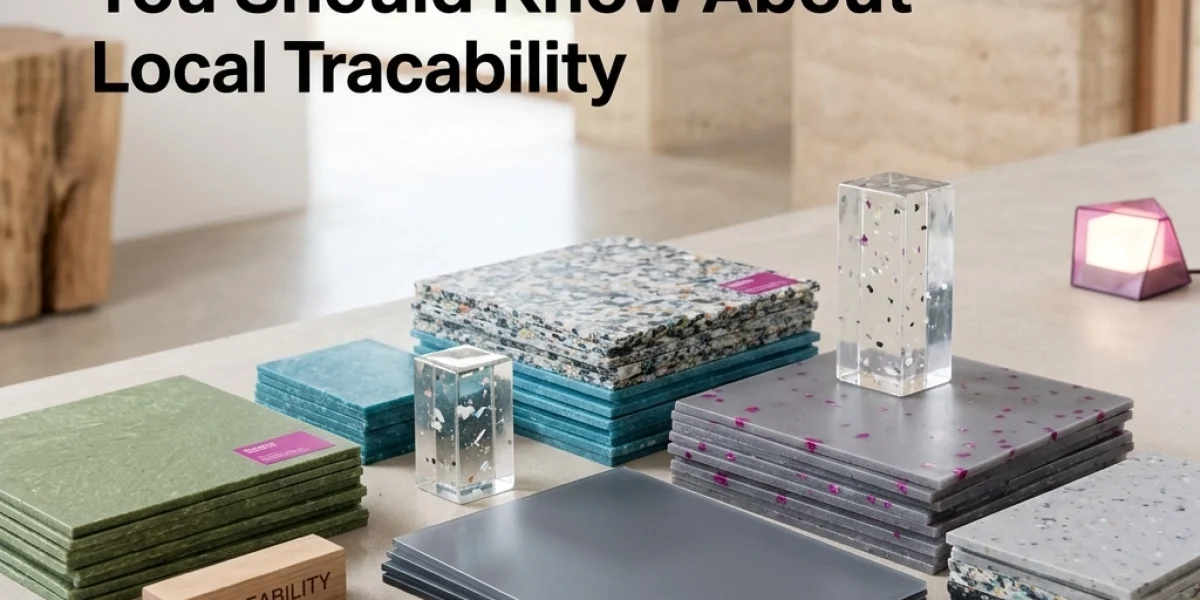
In 2026, the Australian building and manufacturing landscape has reached a turning point. We’ve moved past the "it’s good for the environment" fluff and entered an era of strict regulatory compliance, mandatory carbon reporting, and rigorous ESG audits. If you are sourcing recycled plastic sheets in Australia, the most critical factor in your decision-making isn’t just the price or the aesthetic: it’s the traceability of the material.
Without a transparent paper trail, you are exposed to significant greenwashing risks and potential exclusion from high-value government and infrastructure projects. Here are 10 essential things you need to know about local traceability to protect your business and meet your 2026 sustainability targets.
1. Local vs. Imported: The True Cost of Origin
The label "Made from recycled plastic" is often used as a broad marketing brush. However, there is a massive difference between sheets made from imported plastic waste and those sourced from 100% Australian waste streams.
When you choose locally sourced materials, you aren't just supporting Australian industry; you are significantly lowering the embodied carbon of your project. Importing "recycled" sheets from overseas involves long, opaque supply chains and heavy shipping emissions that often negate the environmental benefits of using recycled content in the first place.
Action: Always ask if the waste is sourced and processed in Australia. If it isn’t, your carbon reporting will reflect the heavy shipping footprint.
2. Defining the Waste Stream: Post-Consumer vs. Industrial
Not all recycled plastic is created equal. To meet modern ESG requirements, you need to know exactly where the plastic lived its first life.
- Post-consumer waste: Plastic that has been used by households (milk bottles, detergent tubs, shampoo bottles). This is the "holy grail" for genuine waste diversion.
- Commercial/Industrial waste: Items like irrigation pipes, drums, or transport crates.
- Pre-consumer/Industrial offcuts: This is often just factory scrap that never reached a consumer. While still useful, it doesn't carry the same "circularity weight" as post-consumer waste in many government tenders.
Knowing this distinction is vital for beyond-the-hype supply chain audits.
3. The Percentage Trap: Demand Specificity
A sheet that "contains recycled plastic" could technically be 95% virgin resin and 5% recycled flake. In 2026, vague claims are a liability.
You should demand a clear breakdown of:
- Total Recycled Content (%)
- Post-Consumer Recycled Content (%)
- Virgin Content (%) (if any)
- Plastic Polymer Type (e.g., HDPE, LDPE, or PP)
High-quality recycled plastic sheets in Australia should aim for 100% recycled content without sacrificing structural integrity.

4. Chain of Custody: The Paper Trail That Protects You
Chain of Custody (CoC) is the documented path of a material from collection → sorting → processing → manufacturing → delivery.
For builders and architects, a robust CoC is your best defence against greenwashing. It provides the data required for the ultimate guide to embodied carbon reporting. If your supplier cannot produce batch-level documentation showing where the waste came from, you cannot confidently include those materials in your ESG reports.
5. Alignment with the 2026 National Frameworks
Australia has significantly tightened its expectations. Two major frameworks you need to be aware of are:
- Environmentally Sustainable Procurement (ESP) Policy: This mandates that Australian Government procurement must prioritise verifiable recycled content and lower-carbon materials.
- National Framework for Recycled Content Traceability (NFRCT): This was designed specifically to combat greenwashing by providing a national standard for tracking recycled materials through the supply chain.
Using a supplier that aligns with these frameworks is no longer "nice to have": it’s a prerequisite for winning government tenders in 2026.
6. Manufacturing Transparency and Site Audits
One of the greatest advantages of local traceability is the ability to actually see the process. Global supply chains are notoriously easy to manipulate on paper.
A local manufacturer should offer:
- Open-door policies for site audits.
- Verification of energy sources used in manufacturing (e.g., solar-powered plants).
- Validation of labour conditions under Australian law.
If a supplier is hesitant to show you their recycling and manufacturing facility, it’s a major red flag for your supply chain risk profile.
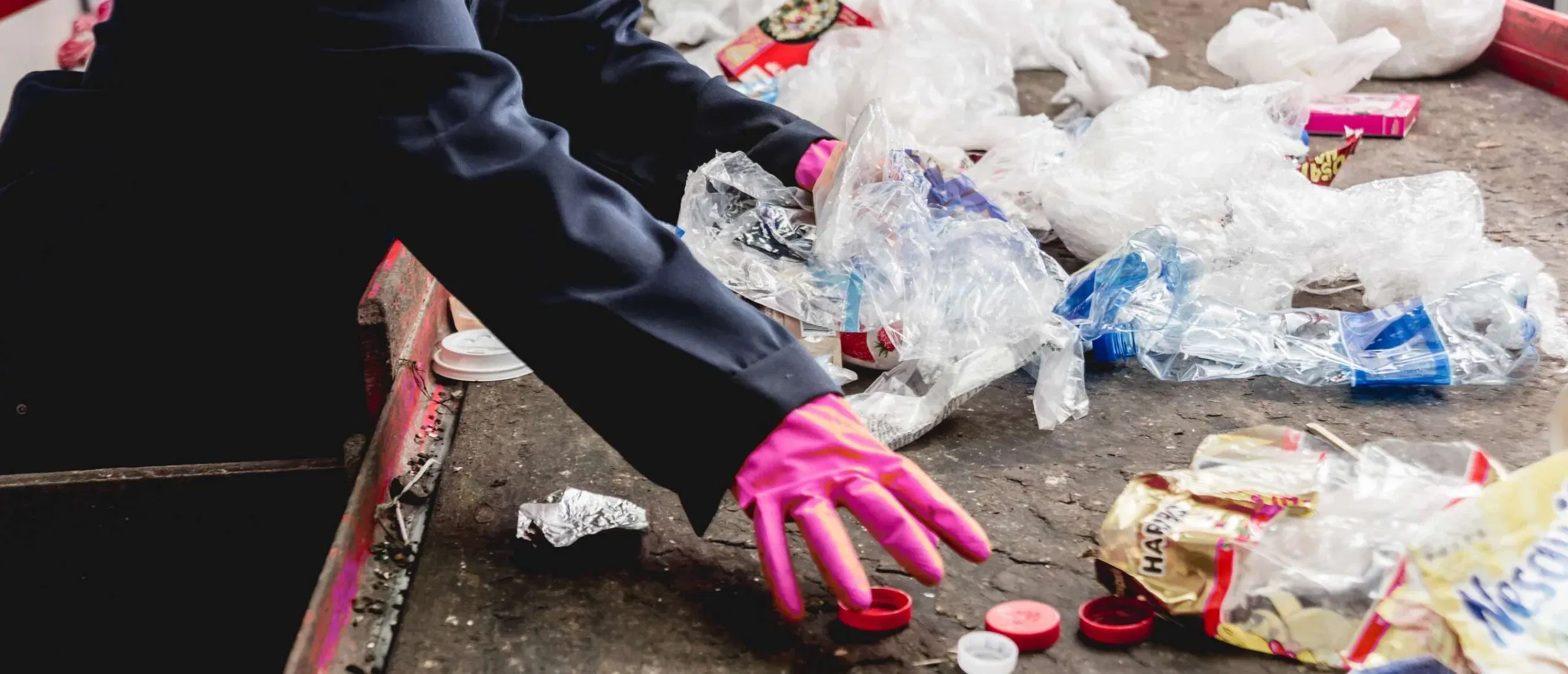
7. Data Readiness for ESG and Carbon Reporting
In 2026, your procurement team is likely spending more time on spreadsheets than on-site. The materials you buy must come with usable data.
When sourcing recycled plastic sheets in Australia, look for suppliers who provide:
- Batch certificates linked to specific orders.
- Embodied carbon data for the specific product thickness and weight.
- Technical Data Sheets (TDS) that prove performance isn't compromised by the recycled nature of the material.
This level of detail is what allows you to automate your reporting through programs like our Closed-Loop ESG Partner Program.
8. Third-Party Certifications and Pre-Qualification
Don't just take a supplier's word for it. Look for industry-recognised badges that prove the company has been vetted by external bodies.
For local government projects, being a Pre-Qualified Local Buy Supplier is a hallmark of trust. It means the company’s financial, environmental, and quality systems have already been audited and approved for government use.
9. Circularity: The "End-of-Life" Guarantee
Traceability doesn't stop once the product is installed. True circularity asks: "Where does this go when the building is decommissioned in 20 years?"
A traceable, local manufacturer should offer a take-back program. Because they know exactly what polymers are in their sheets (due to their strict CoC), they can easily re-process those same sheets back into new products. This creates a closed-loop system that eliminates site waste entirely.
Action: Ask your supplier: "If I return the offcuts from this project, or the sheets at the end of their life, what happens to them?"

10. Spotting Red Flags in Your Supply Chain
Before you sign off on your next order, watch out for these traceability "deal-breakers":
- Vague Sourcing: If they say the plastic is "from the ocean" or "from recycling" but can't name the region or program, be careful.
- No Batch Tracking: If they can't tell you which batch of waste went into which sheet, your ESG data is just an estimate.
- Missing Certifications: A lack of ISO 9001 or 14001 alignment often suggests ad-hoc processes rather than a structured system.
- Price Too Good to Be True: 100% Australian traceable recycling is a complex industrial process. If the price is comparable to cheap, virgin, imported plywood, the "recycled" claim is likely thin.
"In the 2026 market, traceability is the new currency. If you can’t prove where it came from, you can’t prove its value to your stakeholders or the planet."
The Local Traceability Checklist for Your Next Project
If you're currently comparing suppliers for recycled plastic sheets in Australia, use this quick checklist to ensure they meet the 2026 standard:
- Origin: Is the waste 100% Australian-sourced?
- Manufacturing: Is the recycling and sheet-pressing done in Australia?
- Documentation: Can they provide a Chain of Custody (CoC) report?
- Quantification: Do they provide the exact percentage of post-consumer vs. industrial waste?
- Reporting: Do they offer embodied carbon data for your ESG requirements?
- Circular Link: Is there a documented take-back program for offcuts and end-of-life material?
Ready to Secure Your Supply Chain?
At Resourceful Living, we don’t just make plastic sheets; we provide the data and traceability that modern Australian projects demand. From 100% post-consumer waste sourcing to our closed-loop take-back programs, we help you meet your sustainability targets without the greenwashing risk.
If you’re navigating the complexities of embodied carbon reporting or trying to win your next government tender, we’re here to help. Reach out to our team today to discuss how traceable, Australian-made materials can future-proof your next project.