If you’ve been keeping an eye on the Australian construction landscape lately, you’ll notice a massive shift in how projects are being awarded. We’ve moved past the era where "sustainability" was just a buzzword used to fluff up a marketing brochure. By 2026, circular construction isn't just a preference: it’s a prerequisite for winning major government and private tenders.
The challenge? Not all "green" materials are created equal. When you're filling out a tender response, you need more than just a vague promise of environmental friendliness. You need data, traceability, and materials that actually stand up to the harsh Australian climate.
Choosing the right sustainable building materials in Australia requires a balance of environmental performance, long-term durability, and compliance with new reporting standards like NABERS. Let’s dive into how you can navigate this selection process and why your choice of material could be the difference between a winning bid and a "thanks, but no thanks."
The Shift to Circular Tenders in 2026
The procurement landscape in Australia has evolved. Whether you’re looking at NSW’s "If Not, Why Not" policy or the federal push toward Net Zero, the focus is firmly on circularity.
A circular tender doesn't just ask where a material came from; it asks where it goes at the end of its life. This is the core of circular construction 2026. Authorities are looking for materials that:
- Use 100% recycled content.
- Are fully recyclable at the end of the project's life.
- Are manufactured locally to reduce embodied carbon.
If you're wondering if this really matters for your next project, you might want to see what the data says about specifying sustainable materials in 2026. Spoiler alert: it matters a lot.

Evaluating Material Performance: Plastic vs. Timber vs. Concrete
When you’re comparing materials for a tender, you’re usually looking at three main contenders: traditional timber, concrete, and high-performance recycled plastics. Here is how they stack up in a circular economy framework.
1. Timber: The Traditional Choice
Timber is renewable, but it has significant drawbacks in external or high-wear environments. In Australia, timber requires constant maintenance: staining, oiling, and eventually, replacement due to rot or termite damage. From a circular perspective, treated timber is often difficult to recycle at the end of its life because of the chemicals involved.
- Maintenance Cost: High.
- Circularity: Moderate (unless treated with heavy chemicals).
- Best for: Interior framing or aesthetic accents where weather isn't a factor.
2. Concrete: The Heavyweight
Concrete is durable but carries a massive carbon debt. Even "green concrete" still relies on high-energy manufacturing processes. When comparing recycled plastic vs. concrete for low-impact infrastructure, concrete often loses out on flexibility and the ability to be easily repurposed without crushing and high-energy reprocessing.
- Maintenance Cost: Low (but prone to cracking).
- Circularity: Low.
- Best for: Primary structural foundations.
3. Recycled Plastic Panels: The Circular Champion
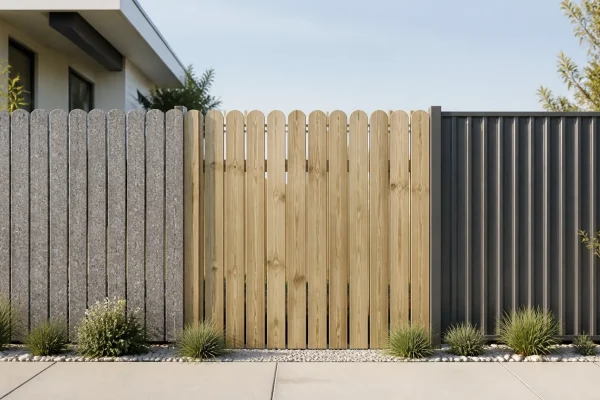
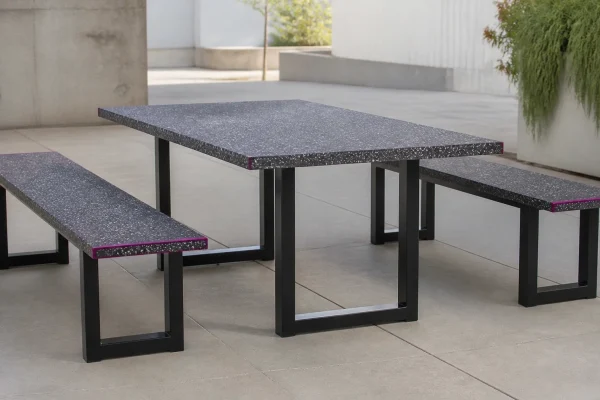
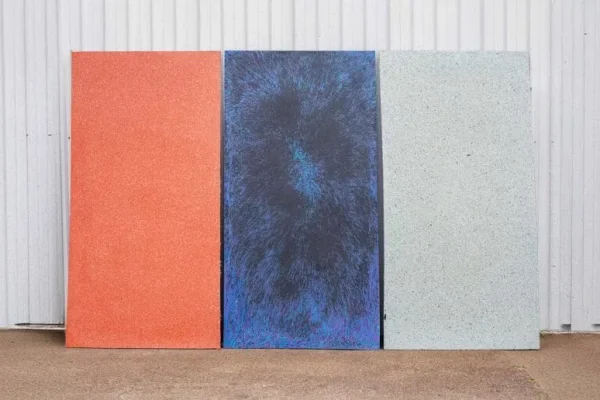
This is where 100% recycled Australian plastic panels are changing the game. Unlike timber, they don't rot, split, or require painting. Unlike concrete, they are lightweight and have a significantly lower embodied carbon profile when sourced locally.
"For years, we treated plastic as the problem. In 2026, we’ve realised it’s actually a high-value resource that, when processed correctly, outperforms traditional materials in asset maintenance budgets." : Jess Hodge, Sales at Resourceful Living.
For a deeper dive into the numbers, check out our comparison on why recycled plastic outlasts plywood 5x in harsh Aussie conditions.
Key Criteria for Your Selection Process
When you are selecting sustainable building materials in Australia, use this checklist to ensure you are meeting tender requirements:
✅ Local Traceability (The Anti-Greenwash Shield)
Greenwashing is a major risk for developers. To win a tender, you need to prove the material is what it says it is. We recommend looking for materials that are Australian Made and Owned. Using local materials not only supports the domestic economy but also slashes transport emissions, which looks great on your embodied carbon reporting.
✅ Maintenance ROI
A material that is cheap up-front but expensive to maintain is a liability for an asset manager. Circular tenders increasingly look at the Total Cost of Ownership (TCO). Recycled plastic panels, for example, offer a "set and forget" solution for site fit-outs and external infrastructure. If you're managing a budget, you should compare recycled plastic vs timber for your maintenance budget before making a final call.
✅ End-of-Life Strategy
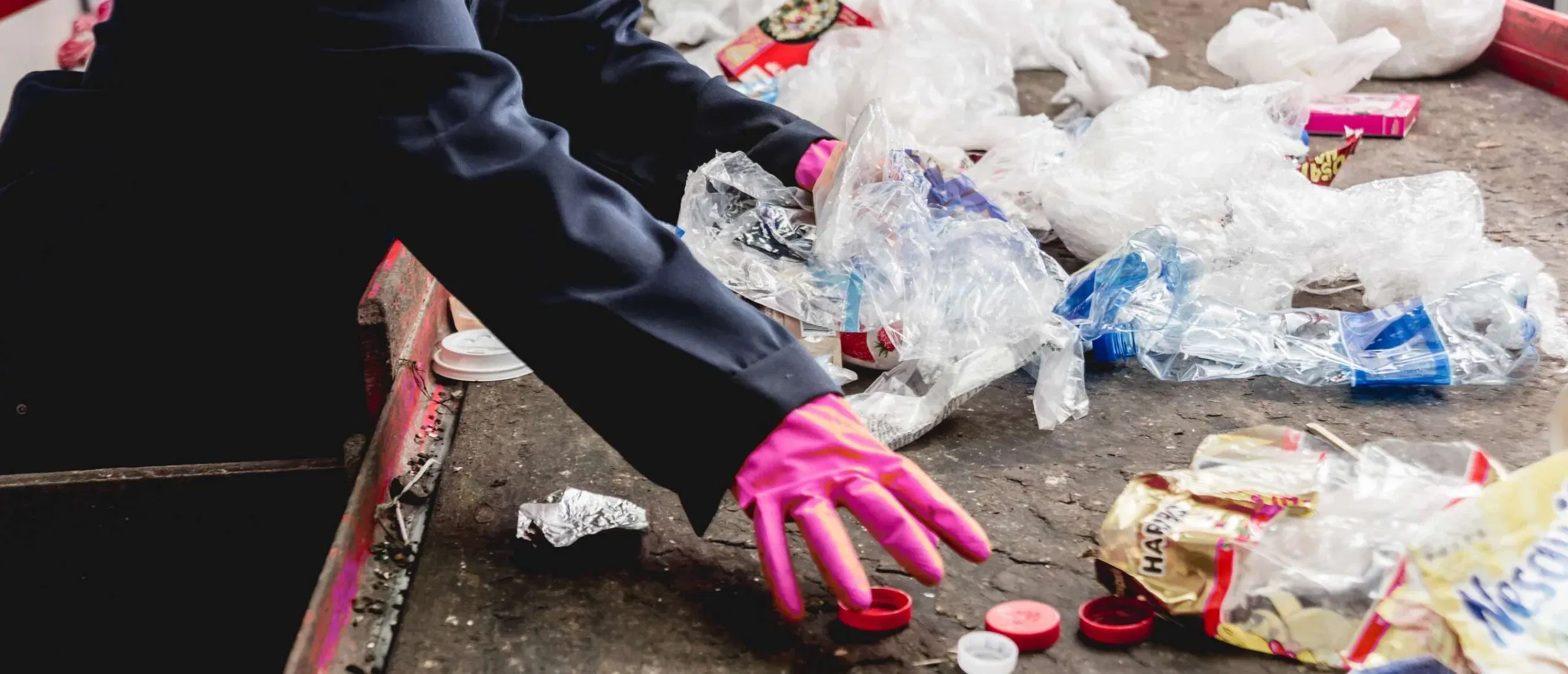
Does the manufacturer have a take-back program? At Resourceful Living, we don't just sell you a panel; we offer a closed-loop system. If a panel is damaged or no longer needed after a 10-year fit-out, it can be returned to us, shredded, and turned into a brand-new product. This is the definition of circular construction.
How to Handle Embodied Carbon Reporting
One of the biggest hurdles in 2026 is the requirement for detailed carbon data. If you can’t provide an accurate EPD (Environmental Product Declaration) or clear material data, you might be disqualified from government work.
Preparing your embodied carbon reporting for NABERS doesn't have to be a headache. By choosing pre-qualified materials, you can streamline your documentation. This is especially important for winning NSW tenders, where procurement officers are specifically looking for high-recycled-content alternatives.

Common Mistakes to Avoid
Even the most well-meaning project managers fall into traps when specifying sustainable materials. Based on our experience working with hundreds of builders, here are the most common errors:
- Buying Imported "Recycled" Content: Many imported panels contain fillers or mixed resins that make them impossible to recycle locally in Australia.
- Ignoring the 7-Day Fast-Track: Sustainable doesn't have to mean slow. For commercial fit-outs, you can go from waste to worktop in just 7 days if you work with a local manufacturer.
- Underestimating Durability: Just because it's recycled doesn't mean it's flimsy. Our HDPE product data sheets show structural performance that rivals traditional materials.
For more, read our full guide on 7 mistakes you're making with sustainable building materials.
Why Local Buy and Pre-Qualification Matters
If you are a council or government body, the easiest way to ensure you are meeting your circularity targets is to use pre-qualified suppliers. Resourceful Living is proud to be a Local Buy Pre-Qualified Supplier, which simplifies the procurement process for local governments across the country.

By choosing a pre-qualified supplier, you are guaranteed that the manufacturing procedure lifecycle has been vetted for ethical standards and environmental impact.
Taking Action: Your Next Steps
Choosing the best sustainable building materials in Australia for your 2026 tenders comes down to three things: Traceability, Durability, and Circularity.
- Audit your current material list: Are you using plywood or timber in areas where recycled plastic would last 5x longer?
- Request a sample kit: See the quality of 100% recycled Australian plastic panels for yourself.
- Check the price guide: Get a realistic idea of the 2026 costs for recycled plastic sheets to build your ROI case.
The move toward circularity is the biggest opportunity for the Australian construction industry in a generation. It’s a chance to build better, reduce waste, and secure the future of our local manufacturing sector.
If you're ready to make the switch but aren't sure where to start, get in touch with us. We're here to help you navigate the world of circular construction 2026 and make sure your next project is as resourceful as it can be.
Want to dive deeper? Check out our other guides on how to claim your carbon credits or learn how to repair your panels if they ever take a hit on-site.