Choosing the right materials is one of the most important and impactful decisions you’ll make in any construction or renovation project. As recycled plastic materials become more widely available and trusted in Australia’s green building sector, many builders, architects, and homeowners are asking:
How do I choose the right recycled plastic product for my project?
In this guide, we walk you through what to consider, where to source, and how to ensure your plastic products perform while linking directly to our expert content on:
- Why Recycled Plastic Panels Are Better Than Timber
- Life Cycle & Environmental Impact of Recycled Plastic Panels
- Ultimate Guide to Sustainable Building Materials in Australia
Whether you’re replacing timber, looking to reduce your environmental footprint, or future-proofing a home or commercial site, this article is designed to help you make the best, most informed decision.
Why Choose Recycled Plastic in the First Place?
Recycled plastic building products, like decking boards, cladding, sleepers, fencing, and panels are made by repurposing post-consumer plastics into durable construction materials.
As we covered in our Life Cycle Impact post, these products:
- Divert plastic waste from landfill
- Require less energy and water to produce than timber or concrete
- Are fully recyclable at end-of-life
- Can last 50+ years with no rot, termites, or painting needed
Key Benefits Recap: Why Builders Are Switching to Plastic Panels
From our comparison article:
- ✅ Outlast timber in extreme Australian conditions
- ✅ Maintenance-free for decades
- ✅ Fire, UV, termite, and moisture resistant
- ✅ Contribute to Green Star and circular economy goals
Step-by-Step: How to Choose the Right Recycled Plastic Material
1. Define the Purpose and Use-Case
Ask yourself:
- Is this for structural use or decorative?
- Will it be exposed to sun, salt, or chemicals?
- Does it need to meet BAL (Bushfire Attack Level) ratings?
| Application | Best Material Type |
|---|---|
| Decking or Walkways | Recycled HDPE with anti-slip finish |
| Fencing or Screens | UV-stabilised panels with colourfast tech |
| Retaining Walls or Sleepers | Structural-grade composite plastic |
| Coastal Builds | Marine-grade recycled panels |
| Schools & Parks | Soft-touch, safety-rated panels |
2. Check the Material Composition
Not all recycled plastic is created equal.
Look for:
- ✅ Single-polymer products (HDPE or LDPE) for consistency
- ✅ Certifications: GECA, Global GreenTag, AS/NZS ratings
- ✅ No harmful additives or toxic fillers
3. Evaluate Weather Resistance & Durability
In Australia, sun and storms are no joke. Look for features like:
- UV-stabilised pigments (essential in QLD and WA)
- Water absorption rate (should be near zero)
- BAL fire rating if building in bushfire zones
If in doubt, refer back to our Why Plastic Beats Timber article for climate-specific examples.
4. Choose the Right Finish and Colour
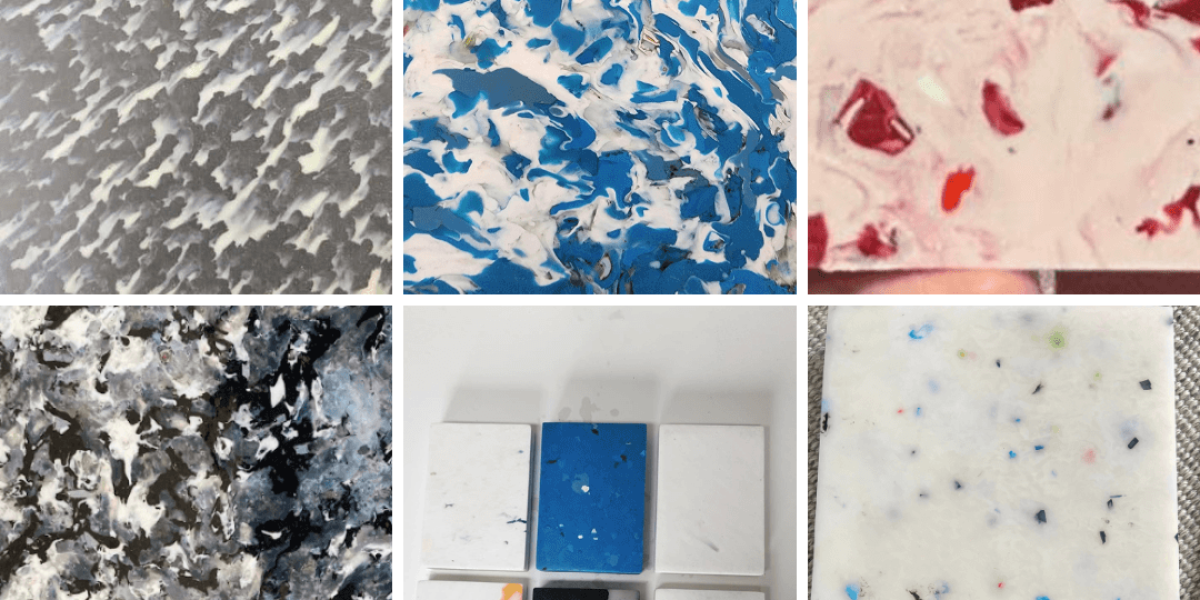
Recycled plastic panels now come in:
- Timber-look grain finishes
- Matte or gloss textures
- Multiple colours, from earthy tones to bold hues
Avoid dark colours in high-UV zones unless the material includes UV inhibitors.
5. Ask About Warranty and Lifespan
Reputable suppliers offer warranties of 10–25 years. Some products last 50+ years with minimal fading or structural change. Always check:
- Product datasheets
- Case studies in similar environments
- Real-world builder review
Questions to Ask Your Supplier
Before committing to a recycled plastic product, ask:
- Is this material suitable for high UV or saline environments?
- What is the percentage of post-consumer content?
- What is the expected lifespan in this climate?
- Is it recyclable again at end-of-life?
- Can you provide past project examples or test reports?
Bonus: Pair Recycled Plastics with Other Green Materials
Want to go even further? In our Ultimate Guide to Sustainable Materials, we explore how recycled plastic pairs perfectly with:
- Hempcrete walls (non-load bearing)
- Rammed earth landscaping borders
- Low-VOC finishes and paints
- Recycled steel framing
Create a fully circular, bushfire-resilient, low-maintenance build using a combination of these materials.
Common Mistakes to Avoid
❌ Choosing the cheapest option without verifying material specs
❌ Ignoring thermal expansion in design spacing
❌ Not asking for fire, slip, or UV certifications in risk-prone areas
Making Smart, Sustainable Material Decisions
Recycled plastic isn’t just a timber replacement, it’s a step forward for sustainable construction in Australia. With the right research, sourcing, and installation, these materials can help you:
- Lower your carbon footprint
- Reduce maintenance costs
- Improve project durability
- Qualify for green building certifications
Want to see how recycled plastic compares across full life cycle metrics?
👉 Read our full post: Life Cycle & Environmental Impact of Recycled Plastic Panels
Curious how it performs against traditional timber?
👉 Read: Why Recycled Plastic Panels Are Better Than Timber
Building a full eco-friendly home or site?
👉 Start here: Ultimate Guide to Sustainable Building Materials in Australia