As we move deeper into 2026, the Australian construction landscape has shifted. It’s no longer just about meeting a budget; it’s about meeting stringent sustainability mandates and managing the long-term lifecycle costs of our infrastructure. For builders, architects, and councils, the "standard" choice of material is being questioned more than ever.
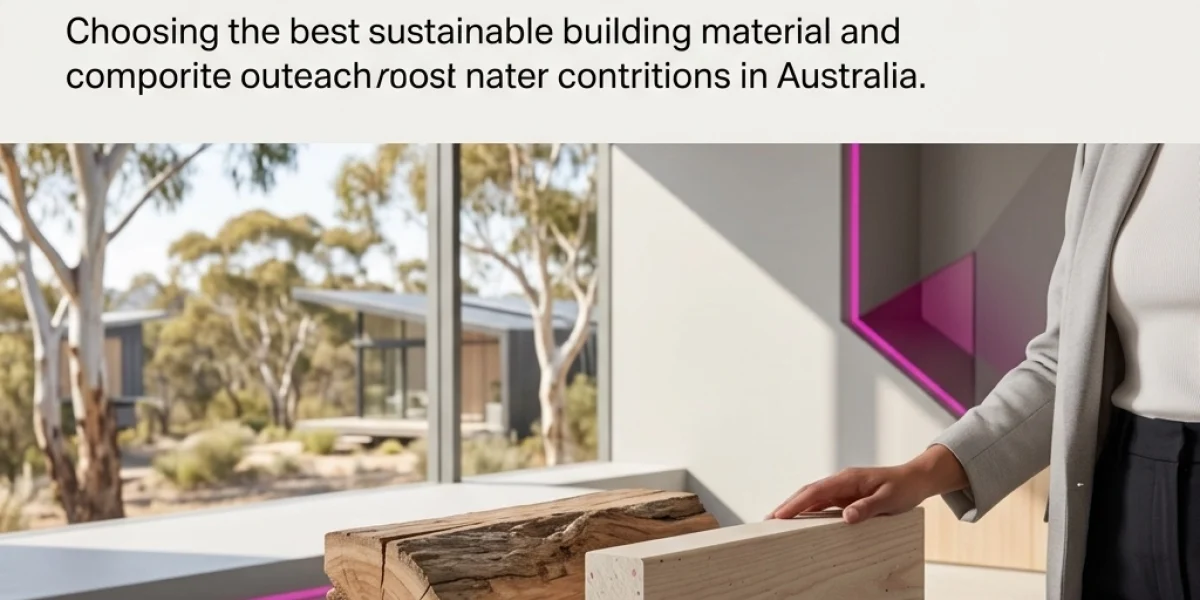
The most common debate on-site today is the recycled plastic vs timber comparison. While timber has been the go-to for centuries, the rise of high-performance recycled materials is forcing a rethink, especially for high-traffic or outdoor Australian builds.
In this guide, we’ll break down the technical differences, the financial realities of maintenance, and how to choose the right material for your next project.
The 2026 Sustainability Landscape: Carbon vs. Waste
In the past, timber was seen as the undisputed king of green building. It’s renewable, it stores carbon, and it’s locally available. However, as embodied carbon reporting becomes the competitive edge for Australian builders, we have to look closer at the full lifecycle.
Timber is excellent for internal framing where it stays dry and protected. But for outdoor use, timber requires heavy chemical treatments (like CCA or ACQ) to prevent rot and termite attacks. These chemicals complicate the end-of-life disposal, often turning a "natural" material into hazardous waste.
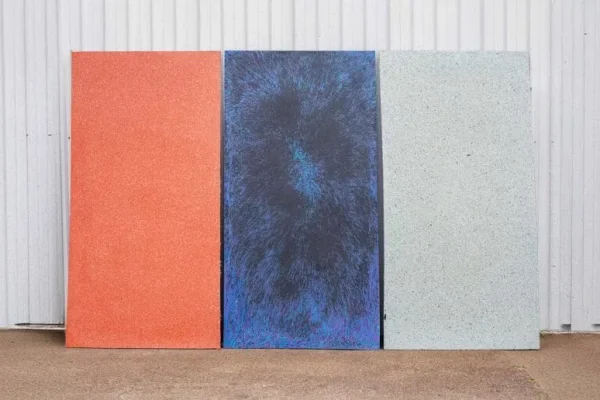
Recycled plastic, on the other hand, solves a massive waste problem. At Resourceful Living, we take 100% Australian post-consumer waste: the stuff that usually ends up in landfill: and turn it into durable building sheets.

Durability and Moisture Resistance: Australia’s Ultimate Test
Australia’s climate is brutal. We deal with extreme UV, torrential rain, and humidity that can turn a standard timber deck into a warped, splintering mess in just a few years.
1. Rot and Corrosion
Timber is porous. It breathes, which means it absorbs moisture. In high-moisture environments: think coastal boardwalks, jetties, or ground-contact retaining walls: timber is on a countdown the moment it's installed. Even the best hardwoods will eventually succumb to fungal rot.
Recycled plastic is essentially waterproof. It does not absorb moisture, meaning it won’t swell, crack, or rot, even if it’s submerged. This makes it the superior choice for maintaining assets in harsh coastal environments.
2. Termites and Pests
For many parts of Australia, termites aren't a "maybe": they’re a "when." Timber requires ongoing chemical barriers and inspections. Recycled plastic offers zero nutritional value to pests. It’s 100% termite-proof, removing a significant risk factor from your project’s structural integrity.
3. UV Stability
Timber greys and cracks under the Aussie sun without regular oiling. While early recycled plastics had issues with "chalking," 2026-grade recycled HDPE (High-Density Polyethylene) is engineered with UV stabilisers. It holds its colour and structural properties for decades without needing a drop of oil.

The Maintenance Trap: OPEX vs. CAPEX
This is where most project managers get caught out. When you look at the upfront cost, treated pine or even some hardwoods might look cheaper on a spreadsheet. We call this the timber trap.
Let’s look at the numbers for a standard public boardwalk or high-traffic deck over 10 years:
- Timber: Requires cleaning, sanding, and re-staining every 12-24 months. Over a decade, the labour and material costs for maintenance can exceed the original installation price by 500%.
- Recycled Plastic: Requires an occasional pressure wash. That’s it. No sanding, no staining, and no replacement of warped boards.
By shifting your mindset from "cheapest upfront" to "lowest total cost of ownership," recycled plastic almost always wins in outdoor applications. This is why many councils and mining companies are moving their budgets from OPEX to CAPEX by choosing RHDPE from the start.
Best Use Cases: Where to Specify Which?
We aren't saying you should never use timber. It’s about using the right material for the right application.
Specify Timber when:
- ✅ You’re building internal structural frames (wall studs, roof trusses).
- ✅ You need a high strength-to-weight ratio for long spans.
- ✅ The aesthetic of natural grain is a non-negotiable architectural feature in a dry environment.
- ✅ The material is protected from direct weather and ground contact.
Specify Recycled Plastic when:
- ✅ The project is in a high-moisture or marine zone.
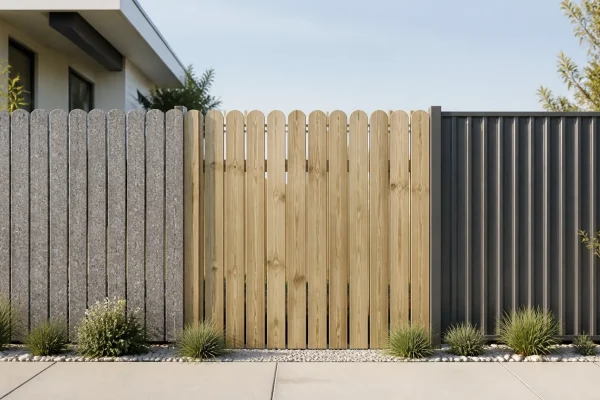
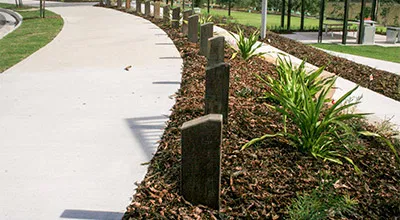
- ✅ You are installing garden edging, retaining walls, or boardwalks.
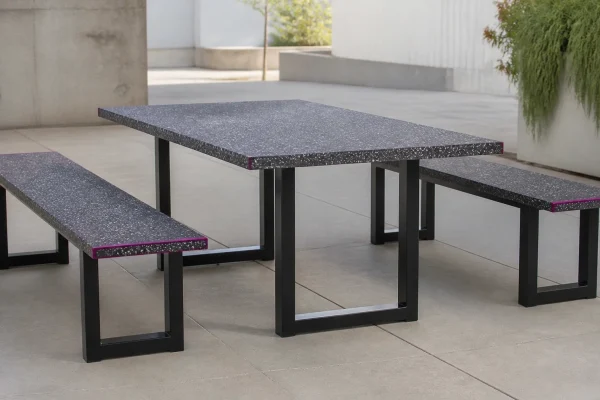
- ✅ You need low-maintenance site furniture for public parks.
- ✅ You want to meet 2026 recycled content mandates for government tenders.
Local Traceability: The "Greenwashing" Filter
In 2026, simply saying a product is "sustainable" isn't enough. You need to prove where it came from. Much of the timber sold in Australia is imported, and unfortunately, some "recycled" plastic is shipped in from overseas with a high carbon footprint and questionable origins.
At Resourceful Living, we pride ourselves on 100% local traceability. Our sheets are made right here in Australia using Australian waste. When you specify our materials, you aren't just getting a durable board; you're getting a verified link in the circular economy.
Comparison Table: Recycled Plastic vs. Timber
| Feature | Recycled Plastic (HDPE) | Treated Timber (Pine/Hardwood) |
|---|---|---|
| Moisture Resistance | 100% Waterproof | Porous; prone to rot |
| Termite Resistance | Naturally Immune | Requires chemical treatment |
| Maintenance | Minimal (Wash only) | High (Oiling, sanding, staining) |
| Lifespan (Outdoor) | 40+ years | 7–15 years (depending on maintenance) |
| Upfront Cost | Moderate to High | Low to Moderate |
| Total 10-Year Cost | Low | Very High |
| Circularity | 100% Recycled & Recyclable | Renewable but often chemically contaminated |
How to Integrate Recycled Plastic Into Your Next Build
If you’re ready to move away from the rot-and-replace cycle of timber, here’s how to start:
- Identify High-Risk Zones: Look for areas in your plans that touch the ground, are exposed to rain, or will experience high foot traffic.
- Check Spans: Recycled plastic has different structural properties than timber. You may need to adjust your sub-frame centres (usually slightly closer together) to account for the flexibility of plastic.
- Audit Your Supply Chain: Ensure you are sourcing traceable Australian plastic. You can read our guide on auditing your supply chain here.
- Calculate the ROI: Don't just look at the quote. Look at the 10-year maintenance schedule. The "expensive" option often turns out to be the smartest financial move.
The Bottom Line
Timber will always have a place in Australian construction, but for the "ugly" jobs: the ones that are wet, dirty, and exposed: recycled plastic is the undisputed champion. It protects your budget, your reputation, and the planet all at once.
Ready to see how our 100% recycled sheets can replace timber in your next project? Check out our Technical Guide to Recycled Plastic Sheets for everything from thickness specs to load ratings.