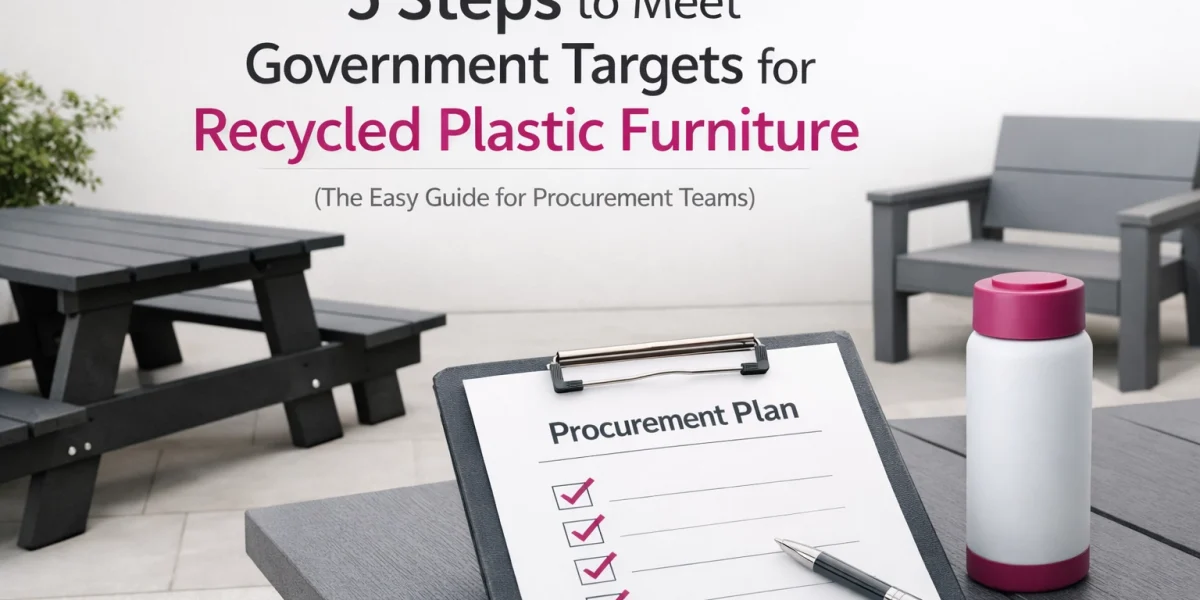
In the current Australian landscape, procurement isn't just about balancing the budget; it's about balancing the planet’s ledger. Whether you are working within local, state, or federal government, the pressure to meet Environmental, Social, and Governance (ESG) targets has never been higher. With the Australian Government’s commitment to the National Waste Policy Action Plan, the goal is clear: significantly increase the use of recycled content in government purchasing to drive a circular economy.
However, for many procurement teams, the bridge between "setting a target" and "installing a finished product" is filled with jargon, supply chain gaps, and quality concerns. If you are tasked with sourcing recycled plastic furniture, you need a strategy that ensures durability, aesthetic appeal, and iron-clad traceability.
At Resourceful Living, we specialise in turning Australian waste into high-performance materials. Here is your five-step guide to navigating the procurement process and hitting those sustainability targets with confidence.
Step 1: Align with the National Waste Policy Action Plan
Before you issue a tender or a purchase order, you must understand the framework you are working within. The Australian Government has set ambitious targets, including the phase-out of problematic plastic packaging and a 80% average recovery rate from all waste streams by 2030.
For procurement teams, this means moving beyond "virgin" materials and prioritising products that contain post-consumer recycled content. When selecting recycled plastic furniture, look for products that directly address these federal and state mandates. By choosing materials that divert waste from local landfills, you aren't just buying a bench or a table: you are fulfilling a core policy requirement.
Key Takeaway: Ensure your procurement briefs explicitly state a preference for 100% recycled content rather than just "recyclable" materials. There is a massive difference between a product that can be recycled and one that has been made from waste.
Step 2: Source from Local Recycled Plastic Manufacturers in Australia
Supply chain transparency is the enemy of "greenwashing." One of the biggest risks in sustainable procurement is unknowingly sourcing products made from "recycled" plastic that has been shipped halfway across the world, creating a massive carbon footprint in the process.
To truly meet sustainability targets, you should partner with recycled plastic manufacturers in Australia. Local manufacturing offers several critical advantages:
- Traceability: You can verify exactly where the waste came from. At Resourceful Living, we process 100% Australian plastic waste, often sourced from the very communities where the furniture will be installed.
- Lower Embedded Carbon: Reducing the kilometres your furniture travels from the factory to the site is a major win for your carbon reporting.
- Economic Impact: Supporting local manufacturers keeps jobs in Australia and strengthens our domestic recycling infrastructure.
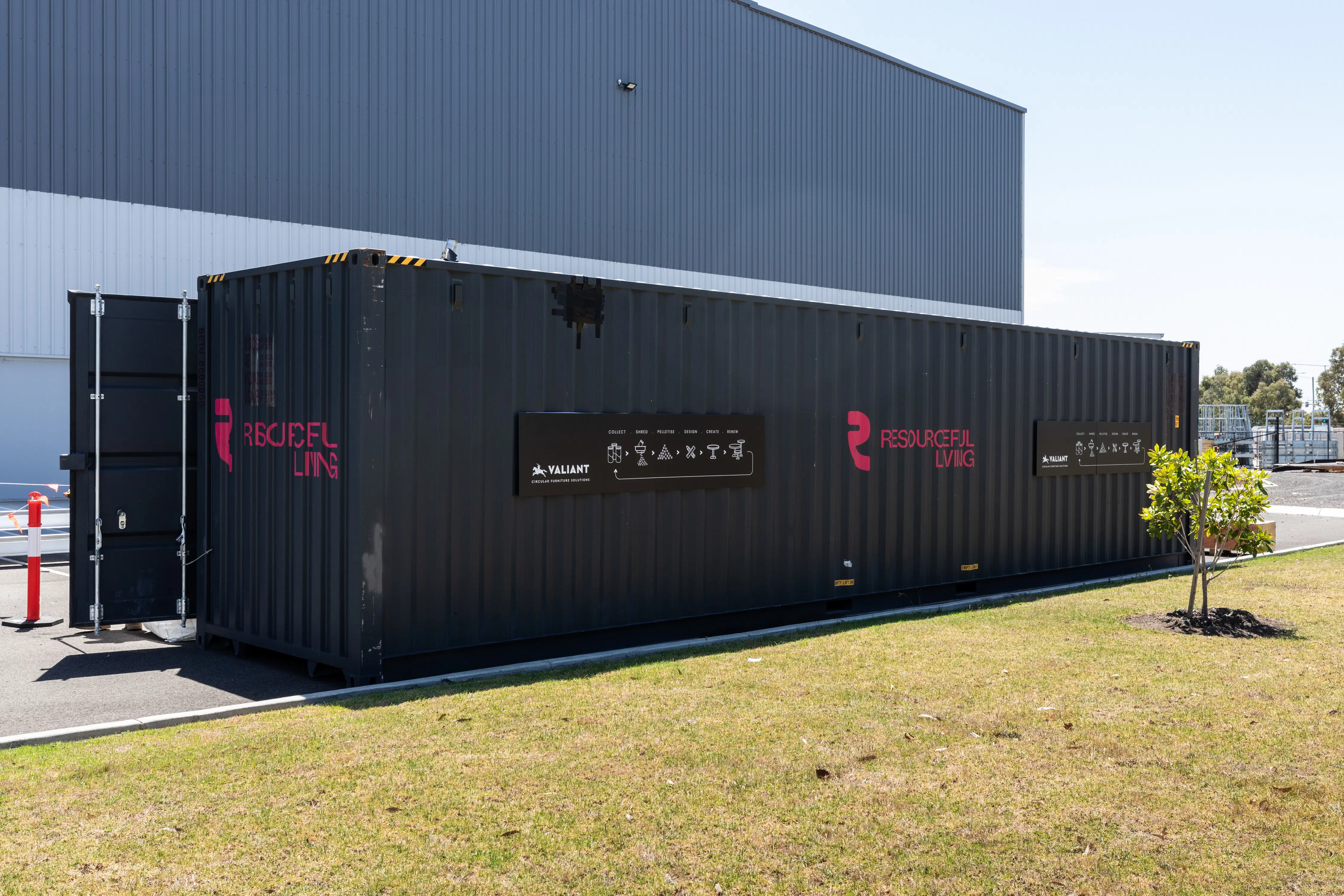
By choosing a local partner, you can often visit the facility and see the behind-the-scenes process, ensuring the "recycled" claim is backed by industrial reality.
Step 3: Prioritise Material Performance and Longevity
Government assets: like park benches, office fit-outs, and school furniture: need to withstand heavy use and harsh Australian conditions. A common misconception is that recycled plastic is "softer" or less durable than virgin timber or metal. In reality, High-Density Polyethylene (HDPE) furniture is incredibly resilient.
When evaluating recycled plastic furniture, check for the following technical specifications:
- UV Stability: Will the colour fade in the Australian sun? High-quality recycled HDPE is naturally UV-stabilised.
- Moisture Resistance: Unlike timber, recycled plastic does not rot, split, or require painting. This drastically reduces long-term maintenance costs.
- Chemical Resistance: It should be easy to clean and resistant to graffiti removal chemicals.
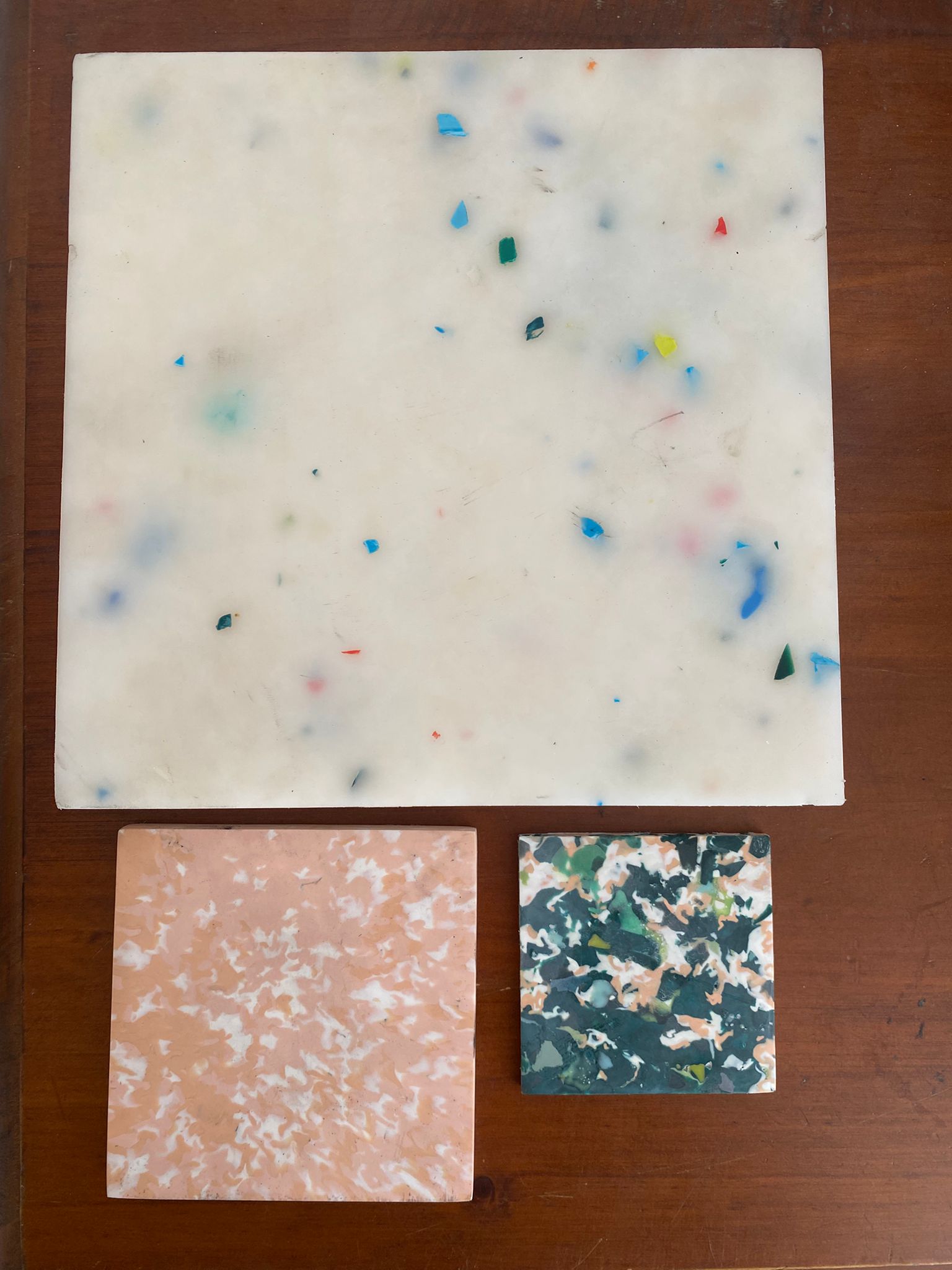
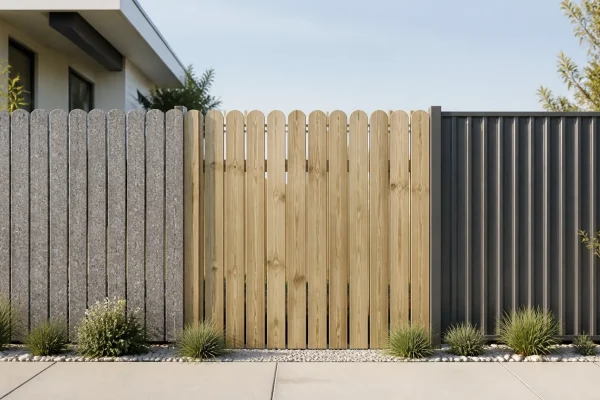
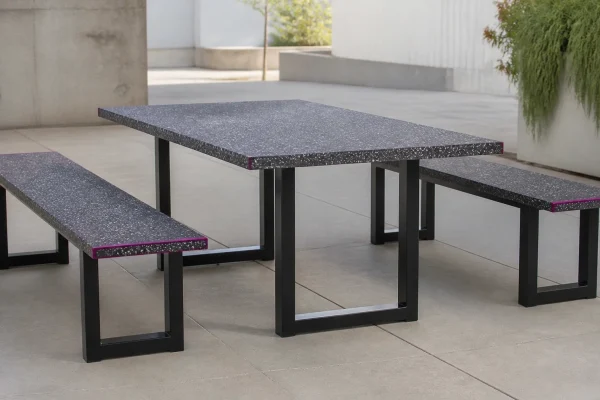
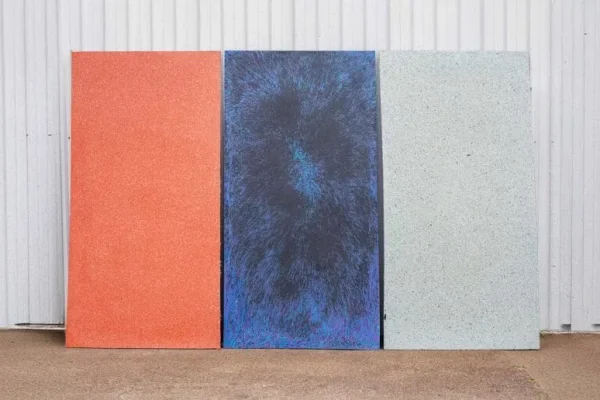
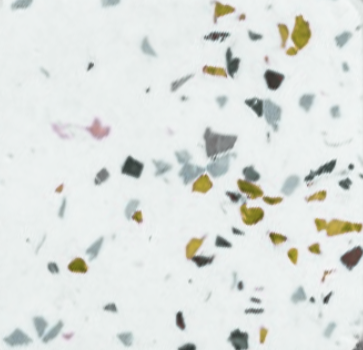
We recommend requesting material samples before committing to a large-scale project. Seeing the diverse patterns and textures available, from our Navy Marble to the N70 White Confetti, helps procurement teams realise that "sustainable" can also mean "stunning."
Step 4: Demand a "Take-Back" Guarantee
The ultimate goal of procurement in a circular economy is to ensure that the product never becomes waste again. This is where the Take-Back Program becomes essential.
When you purchase furniture for a government project, ask the manufacturer: "What happens to this product in 15 or 20 years when it reaches the end of its life?"
A truly circular manufacturer, like Resourceful Living, will offer a take-back guarantee. We take our products back, shred them down, and turn them into brand-new furniture or industrial panels.

Caption: A circular economy flow chart showing how Australian plastic waste is collected, manufactured into furniture, and eventually returned for re-processing.
For a procurement team, this is the "gold standard" for ESG reporting. It proves that you have considered the entire lifecycle of the asset, effectively eliminating future waste liabilities for your organisation.
Step 5: Document the Impact for ESG Reporting
Data is the currency of modern procurement. To prove you have met your government targets, you need more than just a receipt; you need an Impact Statement.
When working with recycled plastic manufacturers in Australia, request data on:
- Kilograms of plastic diverted from landfill: For example, a single recycled plastic picnic setting might divert 50kg of plastic waste.
- Carbon emissions saved: Using recycled HDPE typically results in a significantly lower carbon footprint compared to virgin plastic or energy-intensive aluminium.
- Local content percentage: Confirming the product is 100% Australian made.
This data allows you to provide concrete evidence to stakeholders, councillors, and the public that your procurement decisions are driving real environmental change. It also positions your department as a leader in business sustainability.
Why the Choice of Material Matters
Choosing the right material isn't just about ticking a box. It's about changing the way we value resources. For years, plastic has been viewed as a single-use problem. By specifying recycled plastic furniture, government procurement teams are proving that plastic is actually a valuable, durable resource.
Comparison: Recycled HDPE vs. Traditional Materials
| Feature | Recycled HDPE Furniture | Traditional Timber | Metal (Powder Coated) |
|---|---|---|---|
| Maintenance | Zero (No oiling/painting) | High (Annual oiling) | Moderate (Rust checks) |
| Durability | 40+ Years | 10-15 Years | 15-20 Years |
| Sustainability | 100% Recycled & Circular | Requires logging | Energy-intensive mining |
| Weather Proof | Fully waterproof/UV stable | Absorbs moisture/Warps | Can corrode |
Taking the Next Step in Your Procurement Journey
Meeting government targets doesn't have to be a headache. By focusing on local manufacturing, material performance, and circularity, you can transform your procurement process into a powerful engine for Australian environmental recovery.
If you are currently planning a project: whether it's an office upgrade, a community park, or a large-scale infrastructure development: reach out to a team that understands the nuances of Australian waste.
At Resourceful Living, we are proud to be at the forefront of this shift. We've been recognised for our efforts as a Finalist in the Australian Small Business Champion Awards for Environmental Business and continue to push the boundaries of what's possible with recycled materials.
Ready to hit your targets?
Explore our range of sustainable products or contact us today to discuss how we can help you spec 100% recycled Australian plastic for your next project. Let’s build something that lasts: not just for this term, but for the next generation.
Key Procurement Checklist for Recycled Plastic:
- Is the product made from 100% post-consumer recycled plastic?
- Is the manufacturer based in Australia?
- Can they provide a Take-Back guarantee?
- Do they provide Impact Data (kg diverted from landfill) for reporting?
- Is the material UV-stabilised and fit for purpose?
By following these steps, you aren't just buying furniture; you're investing in a resourceful future.