
Recycled Plastic in Architecture: Designing a Greener Future
Architects are the visionaries shaping our built environment — and today, sustainability is at the heart of modern design. One material gaining momentum is recycled plastic in architecture. Strong, versatile, and eco-friendly, it offers architects an opportunity to reduce environmental impact while unleashing new creative potential.
Here’s why recycled plastic is becoming a go-to choice for green building projects.
1. Reimagine Design Potential
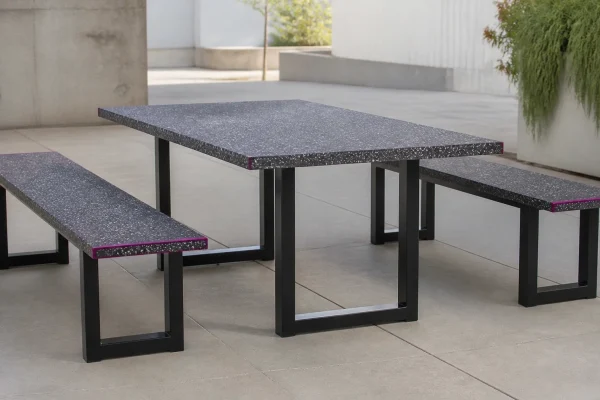
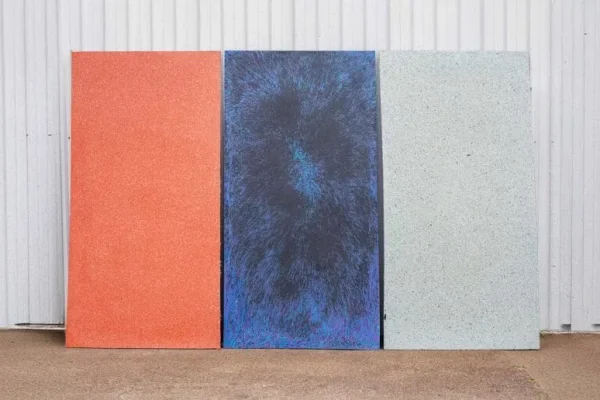
Gone are the days when recycled plastic meant dull or industrial-looking finishes. Today’s materials come in a wide variety of colours, textures, and finishes — from sleek modern panels to warm, organic tones.
Architects are using recycled plastic for:
Cladding panels
Furniture components
Flooring solutions
Interior and exterior finishes
This opens up endless opportunities to align functionality with bold, sustainable aesthetics.
2. Durability Meets Sustainability
Building with recycled plastic doesn’t mean compromising on quality. Modern recycled materials are tested for:
Structural strength
Weather resistance
Fire safety compliance
These materials are made to last, delivering both high performance and environmental benefits. Imagine buildings that look incredible, stand the test of time, and tread lightly on the planet. Read more about our partner ELK!
3. A Lighter Environmental Footprint
Recycled plastic is lighter than many traditional materials, which means:
Faster installation times
Reduced labour costs
Less reliance on heavy machinery
This translates into lower energy consumption, reduced site disruption, and a smaller overall carbon footprint during construction.
4. Innovation at Your Fingertips
The field of recycled plastic is constantly evolving. Manufacturers are introducing new advancements in performance, aesthetics, and functionality every year.
By partnering with a trusted recycled plastic supplier, architects gain access to cutting-edge materials, expert advice, and the ability to push sustainable design boundaries.
5. Building a Legacy of Sustainability
Choosing recycled plastic in architecture sends a powerful message: a commitment to sustainability and innovation. It demonstrates leadership in the green building movement and resonates with eco-conscious clients seeking future-focused solutions. Find out more of being sustainable in business.
By embracing recycled materials, architects can:
Strengthen their green credentials
Showcase innovative design practices
Leave a lasting legacy for future generations
Design Boldly, Build Sustainably
The choice is clear: recycled plastic offers architects the tools to design beautiful, durable, and sustainable spaces. By integrating this versatile material into projects, you’re not only elevating design but also leading the way towards a greener, more responsible future.
👉 Interested in using recycled plastic in your next project — or even incorporating your own waste into the design? Get in touch with Resourceful Living and let’s build a more sustainable tomorrow.