ELK & Resourceful Living: Using Recycled Products to Drive Sustainable Retail
Sustainability isn’t just a buzzword anymore — it’s the future of retail. Consumers are demanding eco-friendly products, packaging, and in-store experiences, and businesses are stepping up. ELK, a leader in sustainable fashion, embraced this challenge by teaming up with Resourceful Living. Together, they’ve shown how integrating recycled products in retail can reduce environmental impact without compromising quality or brand experience.
The Challenge: Making Sustainability Work in Visual Merchandising
ELK wanted to align their store displays with their brand’s sustainable ethos. But moving to recycled materials came with hurdles:
Supply Chain Adjustments – Finding reliable local suppliers who shared their sustainability values.
Product Quality – Ensuring recycled displays matched ELK’s premium aesthetic.
Cost Management – Keeping the transition financially viable while staying true to sustainability goals.
The Solution: Recycled Products with Purpose
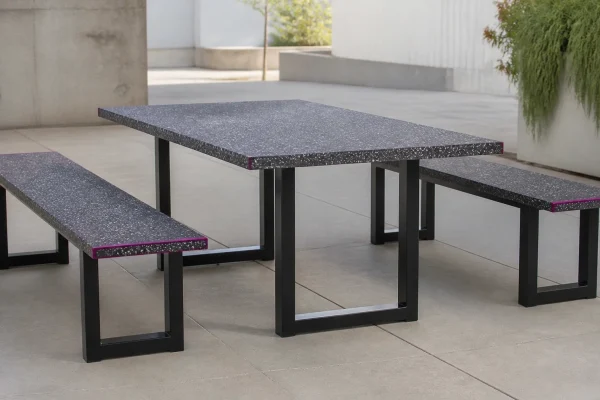
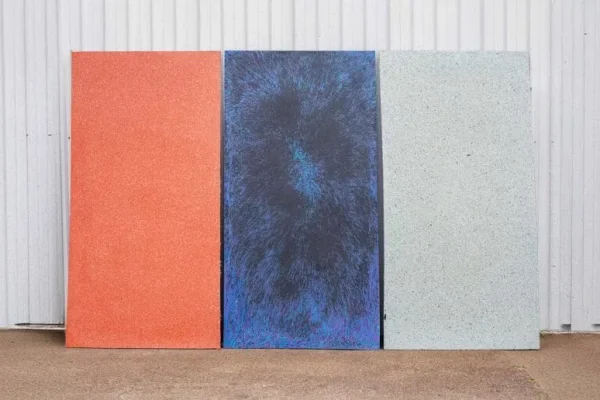
Resourceful Living helped ELK overcome these challenges by designing and producing recycled display products that fit seamlessly into their retail operations.
Sustainable Material Sourcing: Products were created from waste collected by ELK employees, closing the loop on internal sustainability.
Innovative Product Design: Displays were specifically engineered for recycled materials while maintaining high standards of quality.
Cost-Effective Production: Resourceful Living optimized material use and streamlined operations to keep costs manageable.
Staff Education: Training sessions and video resources showed the environmental benefits of recycled products, encouraging smoother adoption.
The Results: Tangible Sustainability Wins
The partnership between ELK and Resourceful Living delivered measurable environmental and business outcomes:
Reduced Environmental Impact: ELK cut back on virgin material use, saving 2165 kWh of energy, 6.3 barrels of oil, and diverting 10.5 cubic metres of waste from landfill.
Stronger Brand Reputation: ELK further solidified its reputation as a sustainability leader in the retail sector.
💡 “Waste is only waste if we waste it.” — Will.i.am
Why This Matters for Retail
This case study shows that recycled products aren’t just environmentally friendly — they’re also practical, cost-effective, and brand-enhancing. Retailers can strengthen customer loyalty by integrating sustainability into every aspect of the shopping experience, from fashion to fixtures.
Recycled Products as a Blueprint for Retail
ELK’s collaboration with Resourceful Living proves that sustainable retail isn’t about compromise — it’s about creativity. By using recycled products in retail, ELK reduced waste, lowered resource consumption, and gave their stores a unique story that resonates with eco-conscious shoppers.
👉 For retailers looking to make a difference, the message is clear: sustainability starts with action. And action starts with rethinking what we throw away.