You know those tiny plastic soy sauce fish that come with sushi? Yep, they’re swimming off into the sunset and taking a whole bunch of other hard-to-recycle plastics with them.
Like an overstuffed junk drawer, Australia is cleaning out the clutter and this time, it’s our single-use plastics under the microscope. From 2026, sweeping bans across the country will see dozens of everyday plastic items phased out in a bid to tackle the rising tide of pollution.
In this blog, we’ll break down which items are on the chopping block, why it matters, and how each state is getting on board. You’ll learn what to expect, what changes you can start making now, and how this massive environmental shift will affect businesses and households alike.
1. Plastic Clutter, Be Gone: What’s Getting the Boot?
Turns out, those seemingly harmless plastic bits, bread tags, pizza savers, condiment pots are harder to recycle than we think.
Under the National Roadmap for Problematic and Unnecessary Plastics, 24 items are set to be phased out, including:
Soy sauce fish bottles
Non-compostable produce stickers
Bread bag clips
Polystyrene takeaway containers
Plastic straws and cutlery
Confetti and balloon sticks
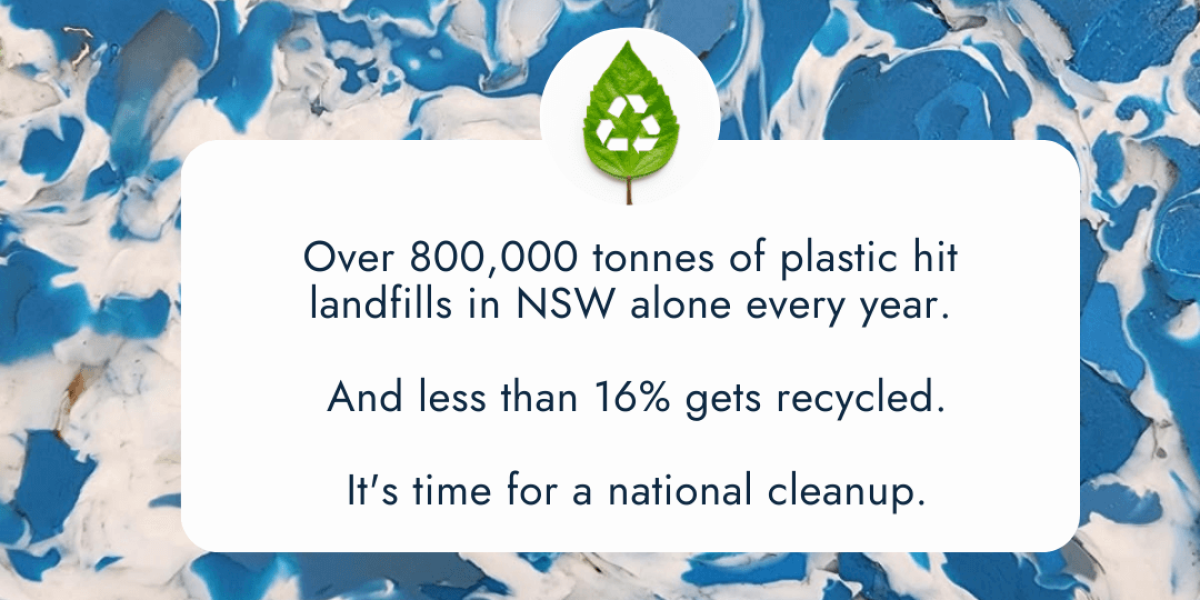
Why? Because these tiny items add up to a giant mess. NSW alone sends more than 800,000 tonnes of plastic to landfill every year and less than 16% of it gets recycled.
🛠 Tip: Start switching to compostable or reusable versions now, stainless steel straws, silicone food savers, and natural fibre bags are a great start.
“Plastic is polluting our environment and oceans and microplastics are entering our bodies.” – Penny Sharpe, NSW Environment Minister
2. NSW Sets the Bar High with Its Plastics Plan 2.0
It’s not just about ditching plastic forks. NSW is planning a full-blown plastic detox from 2026 to 2030.
Among the items disappearing from shelves:
Bread tags and pizza savers by late 2027
Plastic condiment containers and produce stickers shortly after
Tethered lids on bottles, reusable takeaway packaging, and redesigned sushi trays
One innovation already making waves? Masterfoods’ paper-based sauce sachets, designed to replace their plastic “Squeeze-Mate” bottles. If rolled out across their product line, it could save up to 190 tonnes of plastic every year.
🛠 Tip: Businesses can prepare by auditing their packaging and trialling eco alternatives early.
“It’s taken five years to develop this tiny paper sachet. That’s how tricky but necessary this shift is.” – Masterfoods spokesperson
3. South Australia Leads the Charge
SA isn’t just talking the talk it’s walking the (plastic-free) walk. The state became the first in the world to ban the beloved soy sauce fish bottles under 30ml in September 2025.
They’ve also nixed:
Pizza savers
Balloon sticks
Plastic cutlery on packaging
Polystyrene containers
While a planned ban on produce stickers has been temporarily paused, SA is working with NSW to roll it out in tandem.
🛠 Tip: Support local businesses that are already offering reusable options they’re likely ahead of the curve.
“Often when one state acts on plastics, the rest follow.” – Peter Malinauskas, SA Premier
4. Victoria and Queensland: From Juice Boxes to Balloon Bans
In Victoria:
As of Jan 1, 2026, pre-packaged plastic (e.g. straws in juice boxes) is banned.
Even certified compostable plastics are getting the boot.
In Queensland:
From the same date, attached straws and cutlery are out.
Broader bans will roll out through to 2030.
Why compostables too? They still harm wildlife and take forever to break down unless processed industrially.
🛠 Tip: Look for the “home compostable” label and check if your local council accepts these in green bins.
“Biodegradable plastics can still harm wildlife just like regular plastics.” – Victorian Government
5. Western Australia and Beyond: A National Harmonisation in Motion
WA has already removed a slew of single-use plastics from cups and lids to thick bags and microbeads. From October 2026, they’ll ban plastic barrier bags used for loose meat, seafood, and dairy.
And they’re not alone:
Tasmania, ACT, and the NT are on board with the federal roadmap.
New rules will also stop mass balloon releases, which wreak havoc on marine life.
🛠 Tip: Planning an event? Ditch balloons altogether and try ribbon streamers or paper garlands instead.
“Western Australians have shown strong support for reducing plastic waste this is the next step forward.” – WA Environment Minister Matthew Swinbourn
6. Nostalgia Meets Sustainability: Letting Go of Our Plastic Icons
Who knew a bread tag could stir up so much emotion? Aussies have long relied on these tiny items from fixing broken thongs to sealing lunch bags. But it’s time to let go.
Environmental groups agree the change is long overdue and businesses have had years to prepare.
🛠 Tip: Get creative repurpose old items into DIY crafts or drop them off at designated recycling stations if available.
“We must move to reusable, recyclable or compostable alternatives. The time for action is now.” – Susan Close, SA Environment Minister
A Greener Future Starts Small
It might feel strange saying goodbye to the soy sauce fish, the bread tag, and the pizza saver but these tiny changes lead to big environmental wins.
Let’s be real plastic has overstayed its welcome. With every state stepping up and Australians embracing smarter choices, we’re proving that sustainability isn’t a trend it’s the new normal.
🌿 Remember: Change doesn’t have to be perfect, it just has to start.