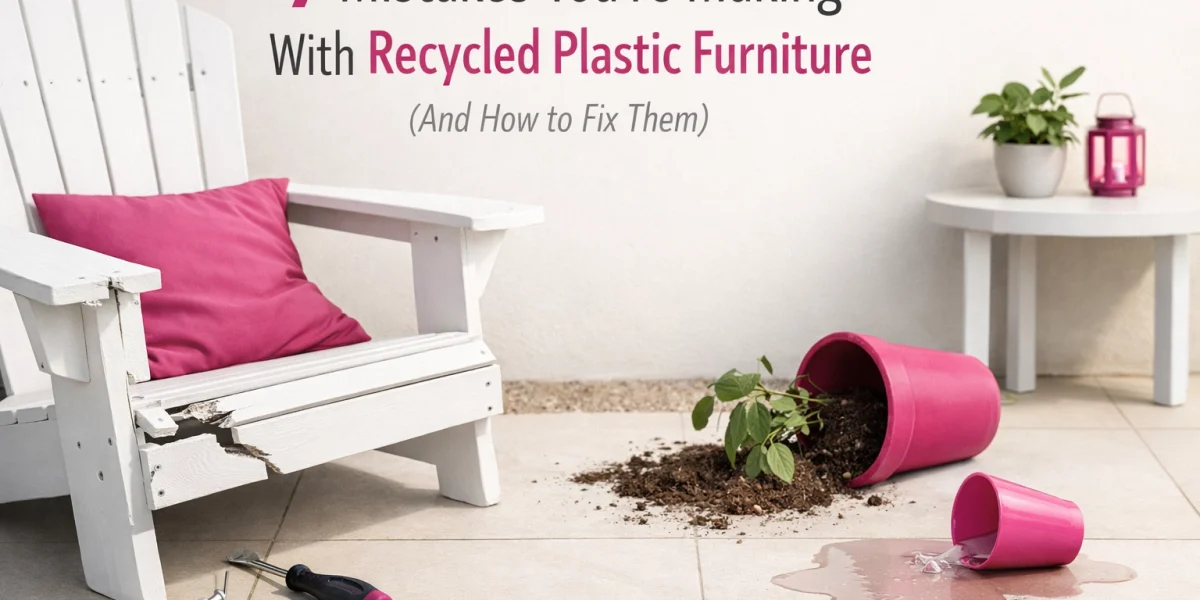
So, you’ve made the switch to recycled plastic furniture. Good on you! Whether it’s a sleek outdoor dining set or custom benches made from a high-quality recycled plastic board, you’re helping divert waste from landfills and supporting a circular economy. At Resourceful Living, we see more Aussies than ever choosing these durable, eco-friendly alternatives over traditional timber or virgin plastic.
But here’s the thing: just because it’s "tougher than timber" doesn't mean it’s indestructible.
I’m Jess, and I work in sales here at Resourceful Living. I talk to customers every day who are surprised to learn that even the most rugged recycled plastic furniture needs a specific kind of care. If you treat it like old-school wood or cheap department store plastic, you’re going to run into trouble.
Let’s walk through the seven most common mistakes people make with their recycled plastic gear and, more importantly, how to fix them so your investment lasts a lifetime.
1. The "UV-Proof" Assumption
One of the biggest misconceptions we hear is that recycled plastic is 100% impervious to the sun. While it’s true that high-quality recycled plastic boards are far more resistant to the elements than timber: which cracks and peels: no material is completely "UV-proof."
The Mistake:
Leaving your furniture in the direct, harsh Australian sun 365 days a year without a second thought. Over time, extreme UV exposure can cause the polymer chains to break down at a microscopic level. This leads to surface chalking, fading, or the material becoming brittle.
The Fix:
- Strategic Placement: If possible, position your furniture in shaded areas or under a pergola during the peak of summer.
- Check for UV Stabilisers: When buying, ensure the manufacturer uses UV-stabilised pigments. At Resourceful Living, we take the life cycle and environmental impact of our materials seriously, ensuring they are built for the Australian climate.
- Rotation: Just like you’d rotate the tyres on your car, occasionally rotate your outdoor layout so one side isn't copping the brunt of the afternoon sun every single day.
2. Skipping the "Soft" Clean
Since recycled plastic doesn't rot or host mould like wood does, many people think they never need to clean it.
The Mistake:
Allowing dirt, bird droppings, and industrial fallout to sit on the surface for months. While the plastic itself won't rot, the grime sitting on top of it can create a film that becomes difficult to remove and may cause slight surface discolouration over several years.
The Fix:
You don't need fancy waxes or oils.
- The Golden Rule: Use warm soapy water and a soft cloth.
- Frequency: Give your furniture a quick wipe-down once a month. It takes five minutes but keeps the finish looking brand new.
- The Rinse: Always rinse thoroughly with fresh water to ensure no soap residue is left behind to bake in the sun.
3. Using Chemical Warfare
We get it: you want to sanitise. But before you reach for the bleach or that heavy-duty industrial degreaser, stop!
The Mistake:
Using harsh chemicals, solvent-based cleaners, or abrasive "magic erasers." These can eat away at the finish of the recycled plastic board or leave unsightly permanent swirl marks.
The Fix:
- Stick to Mild Soap: Dish soap is your best friend.
- For Tough Stains: If you’ve got a stubborn mark, try a paste made of baking soda and water. It’s gently abrasive but won't "sand down" the texture of your furniture.
- Avoid Pressure Washers: While tempting, a high-powered pressure washer used too close can actually "fuzz" the surface of some plastic composites. A standard garden hose is usually all you need.
"Maintenance is the difference between a product that lasts 10 years and one that lasts 50. Recycled plastic is low-maintenance, not no-maintenance." : The Resourceful Living Team
4. Neglecting the Hardware
Your chair might be made of 100% recycled plastic, but what’s holding it together?
The Mistake:
Forgetting that the screws, bolts, and hinges are likely made of metal. Even stainless steel can tea-stain or loosen over time due to the natural expansion and contraction of the plastic boards in different temperatures.
The Fix:
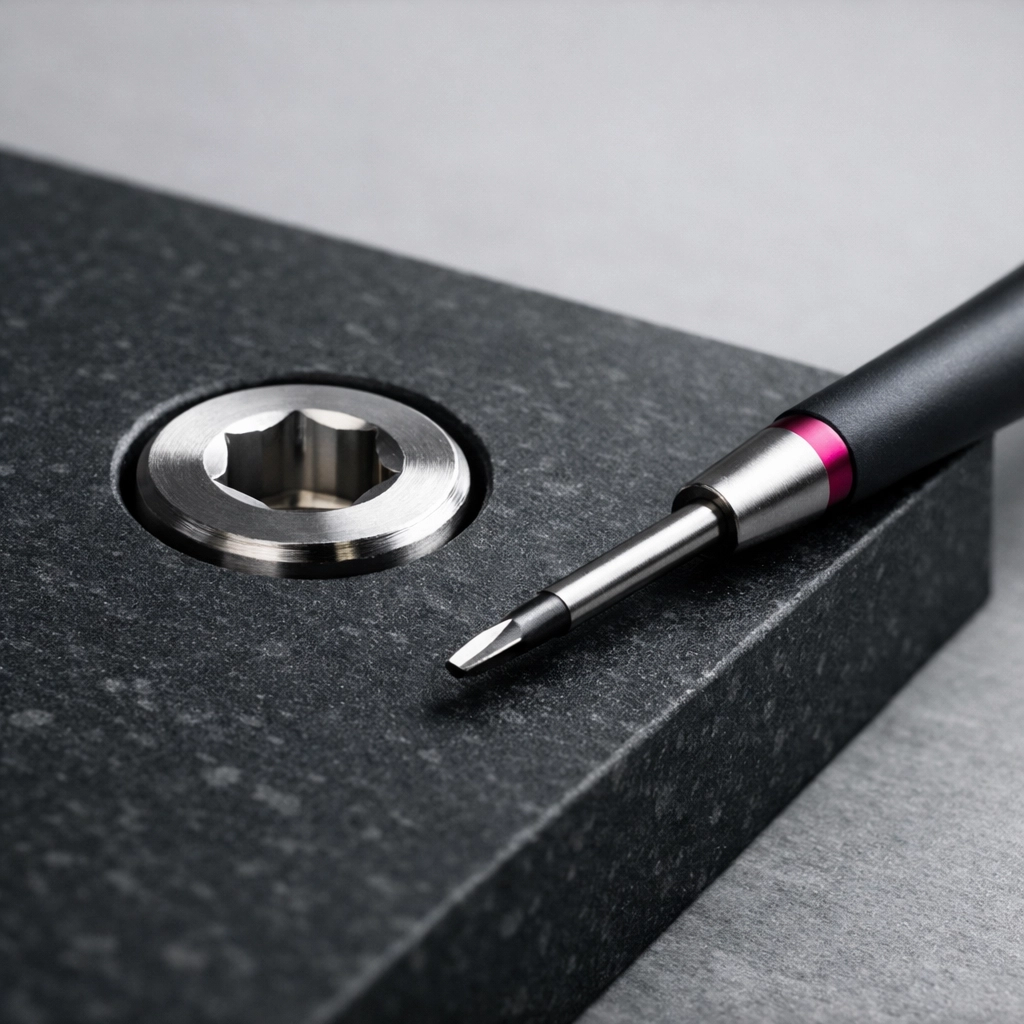
- The Annual Tweak: Once a year, grab a screwdriver or spanner and check all the connections.
- Don't Overtighten: Plastic has a bit of "give." If you crank the bolts too hard, you risk cracking the material around the pilot hole. Just "finger-tight plus a quarter turn" is usually the sweet spot.
- Quality Check: Ensure your furniture uses 316-grade stainless steel hardware, especially if you live near the coast.
5. Ignoring Sunscreen and Oil Spills
This is a weird one, but it’s a killer for outdoor furniture.
The Mistake:
Letting sunscreen, insect repellent, or oily BBQ drippings sit on the surface. Some chemicals in spray-on sunscreens (like avobenzone) can react with the pigments in the plastic, leading to yellowing or permanent staining.
The Fix:
- Immediate Action: If someone spills their snag or sprays sunscreen while sitting on the bench, wipe it off immediately.
- The Protective Barrier: If you’re hosting a big BBQ, a simple table runner or placemats can protect the surface from hot oils and grease.
- Our Products: If you're looking for smaller items that handle these environments well, check out our recycled plastic products designed for durability.
6. Treating It Like Timber (The Structural Error)
A recycled plastic board is a different beast compared to a piece of hardwood.
The Mistake:
Assuming the load-bearing capacity and "span" are the same as timber. If you’re a DIYer building your own furniture using recycled boards, you can’t have long spans without support. The plastic can "creep" or sag over time if it isn't properly braced.
The Fix:
- Shorten the Span: When building with recycled plastic, keep your supports closer together than you would with oak or ironbark.
- Check the Profile: Use thicker boards for seating surfaces.
- Consult the Experts: We’ve won numerous awards for our innovation and manufacturing, including the Hunter Manufacturing Award for Outstanding Start-up. We know how these materials behave under stress, so don’t be afraid to ask for technical specs!
7. The "Winterize" Oversight
In most parts of Australia, "winter" just means putting on a jumper. But if you’re in the Tablelands or the Snowy Mountains, freezing temperatures are a real factor.
The Mistake:
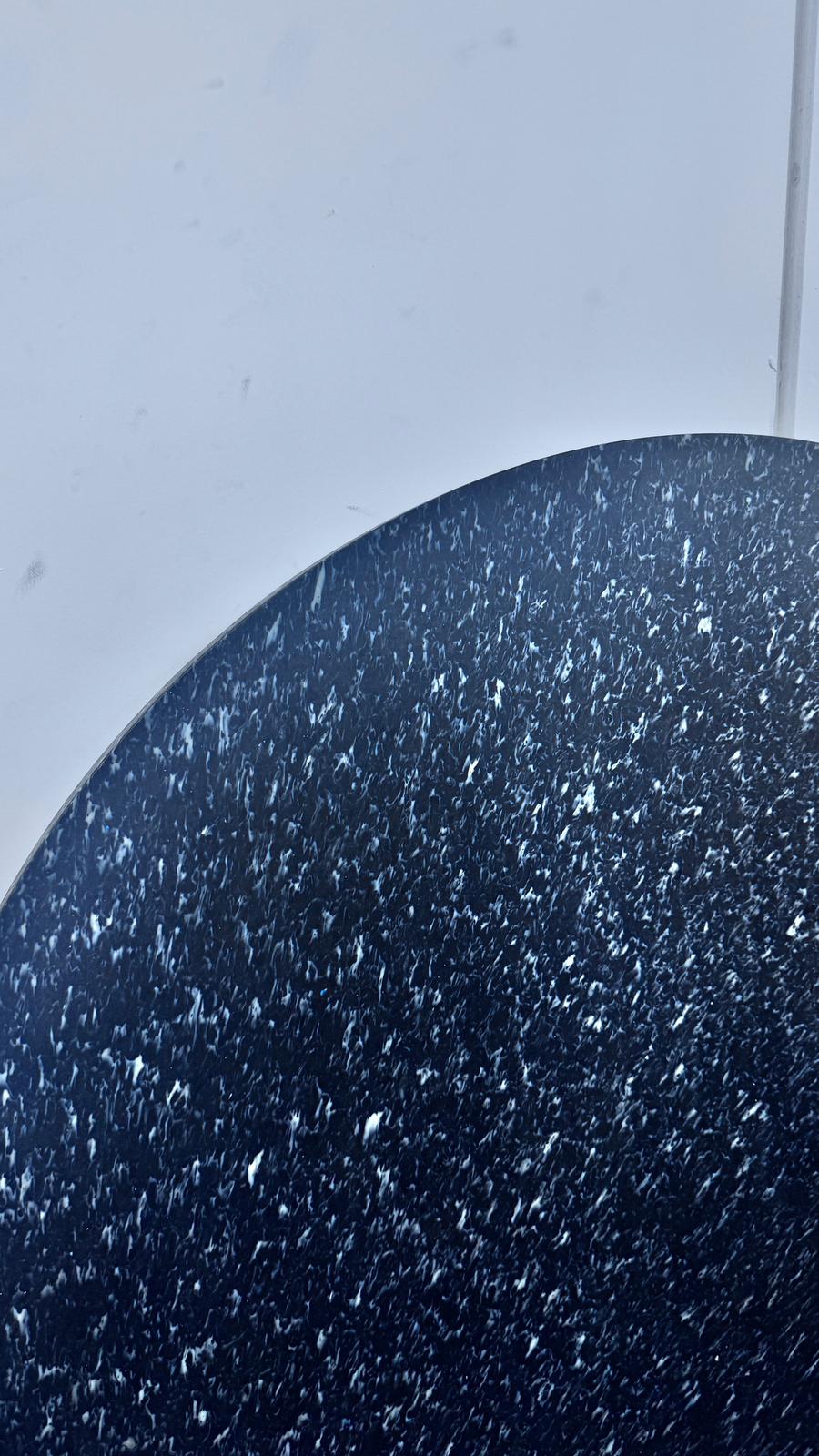
Leaving water to pool and freeze on the furniture surface. When water turns to ice, it expands. If it gets into any small gaps or hardware holes, it can cause the plastic to stress or crack.
The Fix:
- Cover It Up: If you aren't using your furniture during the frosty months, use a high-quality breathable cover. This shields it from ice accumulation and the expansion-contraction cycle.
- Tilt for Drainage: If you don't have covers, slightly tilt your tables so water runs off rather than pooling in the centre.
Why Recycled Plastic is Still the Winner
Even with these common mistakes, recycled plastic furniture is miles ahead of the competition. Think about the alternative: timber furniture requires sanding, oiling, and staining every single year just to keep it from rotting. Virgin plastic furniture often ends up in the bin after two summers because it turns yellow and snaps.
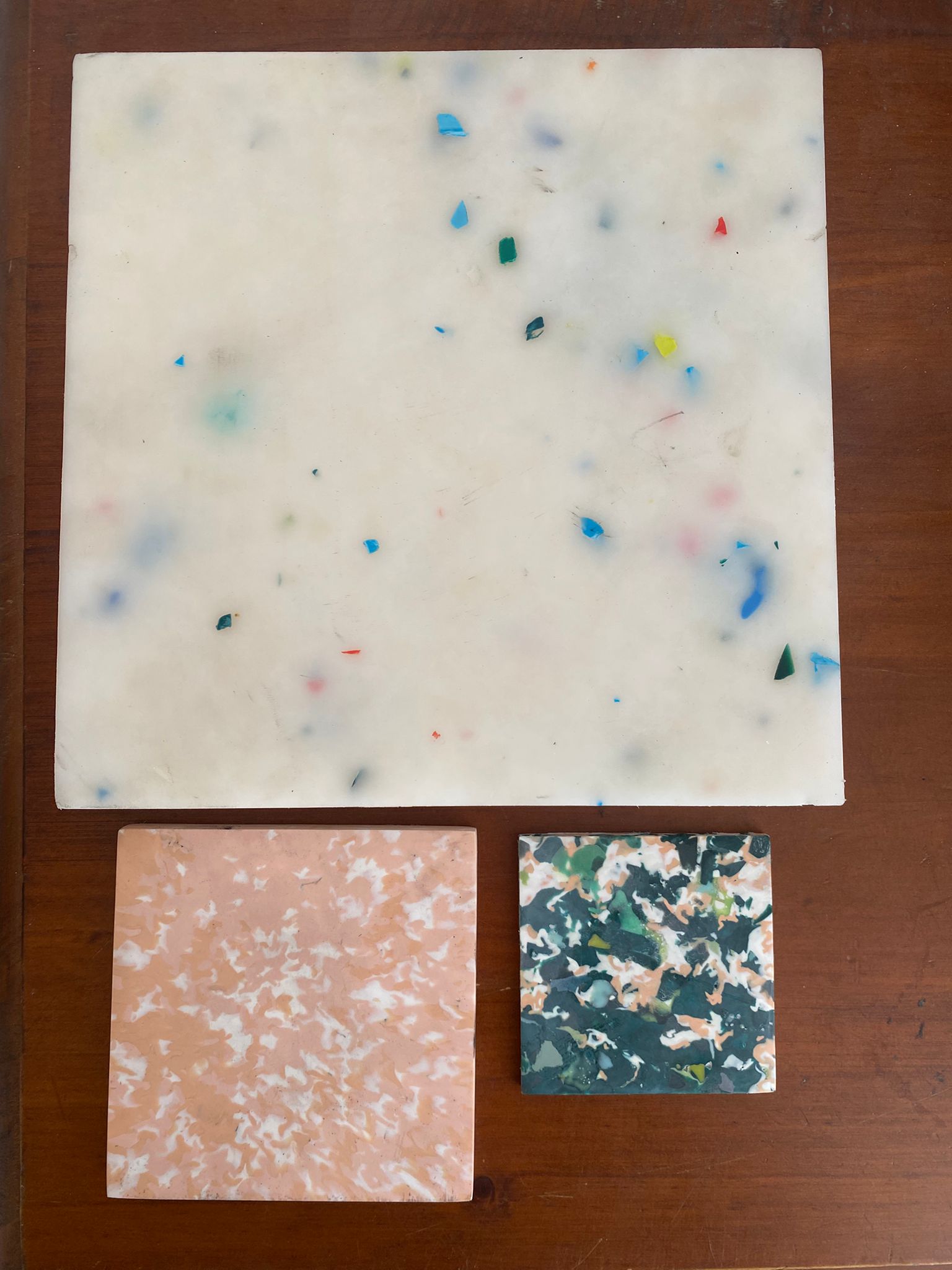
Our recycled plastic display boards and furniture panels are designed to be part of a permanent solution. By avoiding these seven mistakes, you’re ensuring that the plastic we’ve worked so hard to keep out of the ocean stays in a functional, beautiful form for decades.
Quick Maintenance Checklist
| Task | Frequency | Method |
|---|---|---|
| Surface Dusting | Weekly | Soft brush or dry cloth |
| Deep Clean | Monthly | Warm soapy water + soft sponge |
| Hardware Check | Every 12 Months | Tighten bolts (do not overtighten) |
| UV Protection | Ongoing | Use shade or covers during extreme heat |
The Resourceful Living Difference
We don't just make furniture; we make a difference. Our journey has been recognised by several prestigious bodies, from being a Finalist in the Australian Small Business Champion Awards to receiving the Top 50 Innovator Award in Australia.
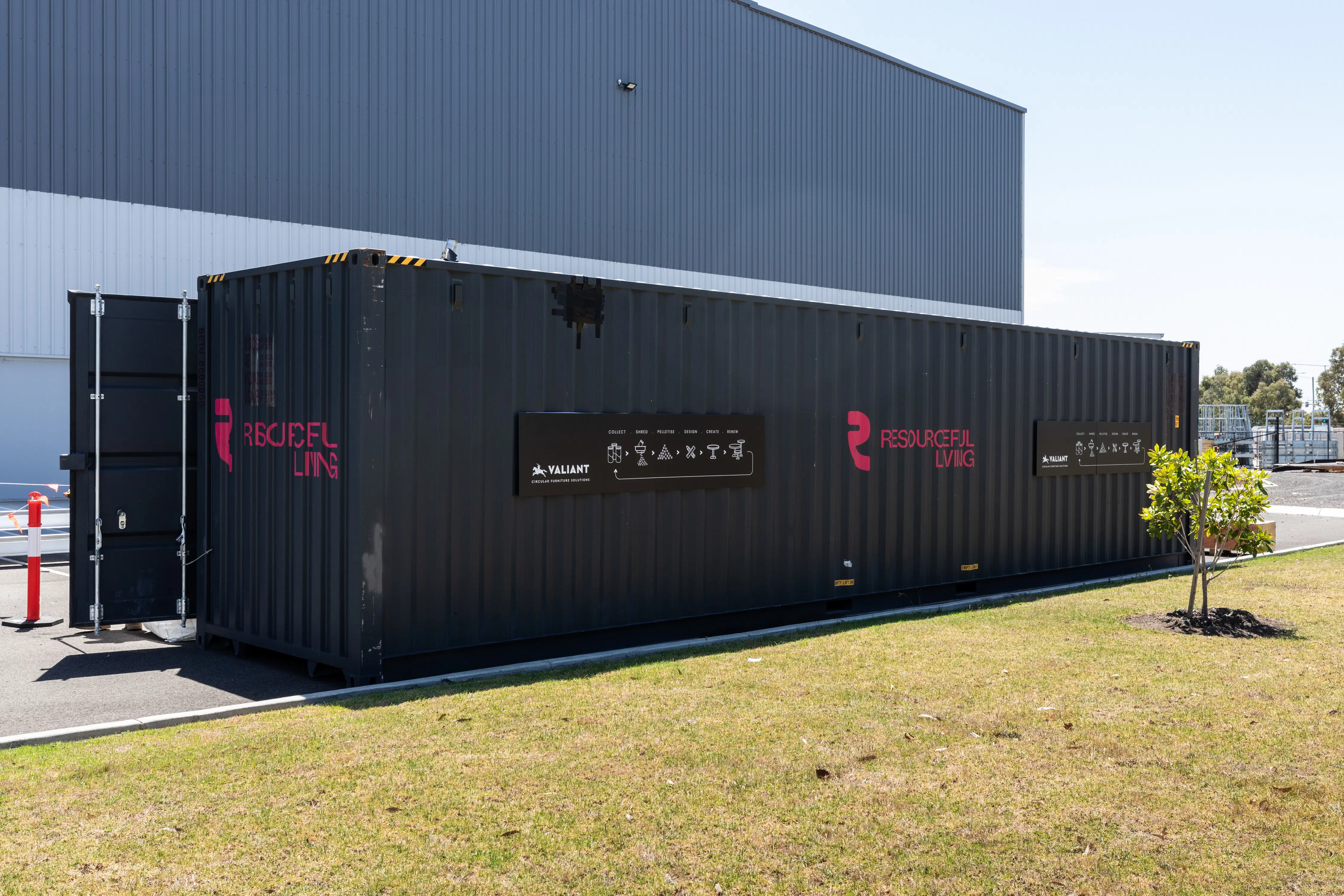
We use traceable Australian plastic waste to create our products. When you buy from us, you’re getting more than just a table; you’re getting a piece of engineering that has been refined through rigorous testing and a commitment to sustainability.
If you're ready to upgrade your outdoor space with furniture that stands the test of time (and can handle a little bit of real life), keep these tips in mind. Treat your recycled plastic well, and it’ll be the last outdoor set you ever need to buy.
Got a specific question about caring for your recycled plastic board? Give us a shout: we’re always happy to help you get the most out of your sustainable investment!